





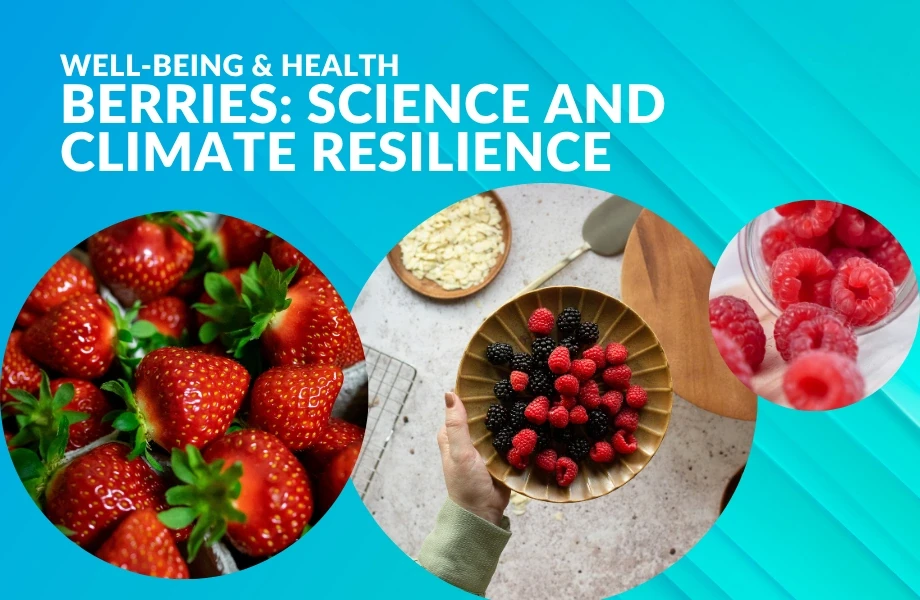
Berries are among the most dynamic segments of the European agri-food industry. The sector is supported by steadily growing demand, driven by consumers’ interest in products associated with well-being and rich in nutraceutical compounds.
Behind this commercial development, however, lies an increasingly complex challenge. Drought, irregular weather conditions, new pests and diseases are increasing the vulnerability of crops.
The ability to protect strawberries, raspberries, blueberries, blackberries and currants therefore has not only agricultural but also economic value.
Production continuity and European research
The supply chain carries significant economic weight: as early as 2020, the global market for strawberries alone was worth approximately €14 billion.
To ensure production continuity, quality and crop availability, European research is developing solutions ranging from genetic improvement to new processing and preservation technologies.
Biodiversity and genetics for the varieties of the future
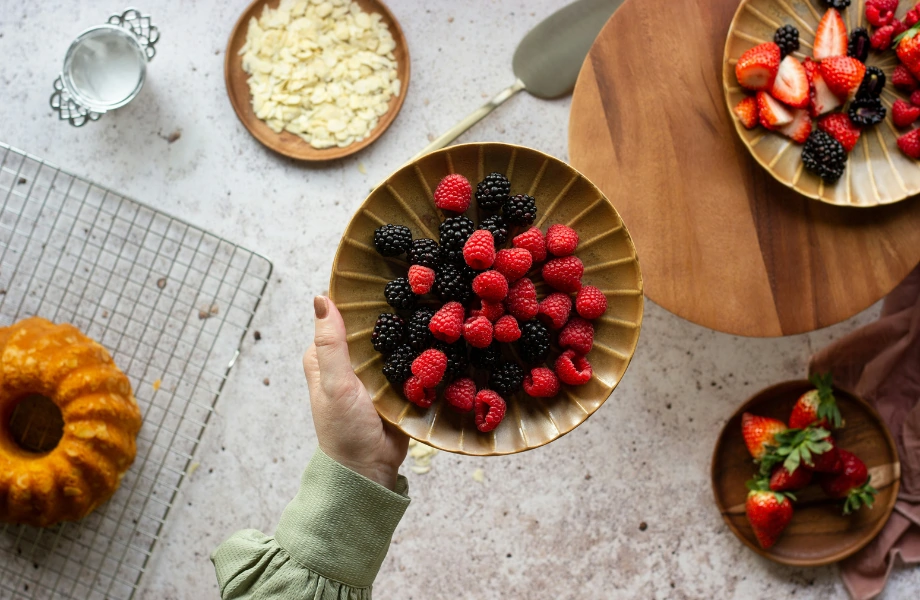
One of the main responses to climate change comes from varietal selection. The European BreedingValue project, coordinated by Professor Bruno Mezzetti of the Polytechnic University of Marche, aims to expand the genetic diversity of cultivated strawberry, raspberry and blueberry varieties.
The researchers are focusing on germplasm, the genetic resources preserved in seeds and plants. Within this material, they are searching for the most useful traits for developing varieties that are better able to withstand diseases and water scarcity.
Resilience, however, cannot be the only selection criterion. New cultivars must also retain the qualities demanded by the market, starting with sweetness, aroma, texture and overall eating quality.
Wild species and heritage varieties
To achieve this balance, scientists are studying wild species and heritage varieties in search of potentially valuable genetic traits.
The information collected can provide seed companies with the foundations needed to create berries suited to more challenging climatic conditions without compromising sensory quality.
Europe produces 700,000 tonnes of berries
The European Union holds a central position in global production. In 2022, approximately 700,000 tonnes of berries were harvested.
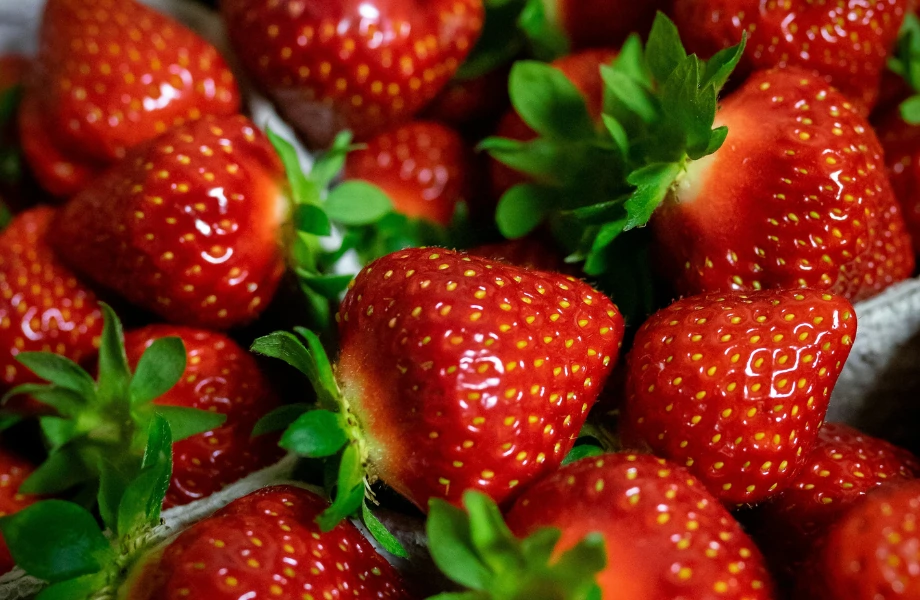
Strawberries account for approximately half of the total volume, followed by raspberries and currants. Spain leads European production with a share exceeding 25%, ahead of Poland and Germany.
These figures highlight the importance of keeping the sector competitive. Making breeding and cultivation processes more efficient means supporting business profitability, reducing production risks and responding more consistently to market demand.
New technologies to tackle perishability and waste
Short shelf life remains one of the main weaknesses of the supply chain. Berries are delicate products, sensitive to handling and prone to rapid deterioration, with direct consequences for logistics and waste.
The FRIETS project is testing dehydration techniques capable of extending product shelf life without adding sugar, salt or chemical preservatives.
The solutions being studied include vacuum microwave drying and freeze-drying.
These are gentle processes designed to preserve bioactive substances such as natural antioxidants and antimicrobial compounds, while also preventing the denaturation of proteins.
Osmotic dehydration
Another technology is osmotic dehydration, through which water is removed by immersing the fruit in a solution of glycerol, a natural compound. The process reduces moisture while maintaining the product’s nutritional value.
Thanks to these processing methods, strawberries and blackberries can be transformed into ready-to-eat snacks that retain the nutritional and functional properties associated with fresh fruit.
From “smart berries” to personalised nutrition
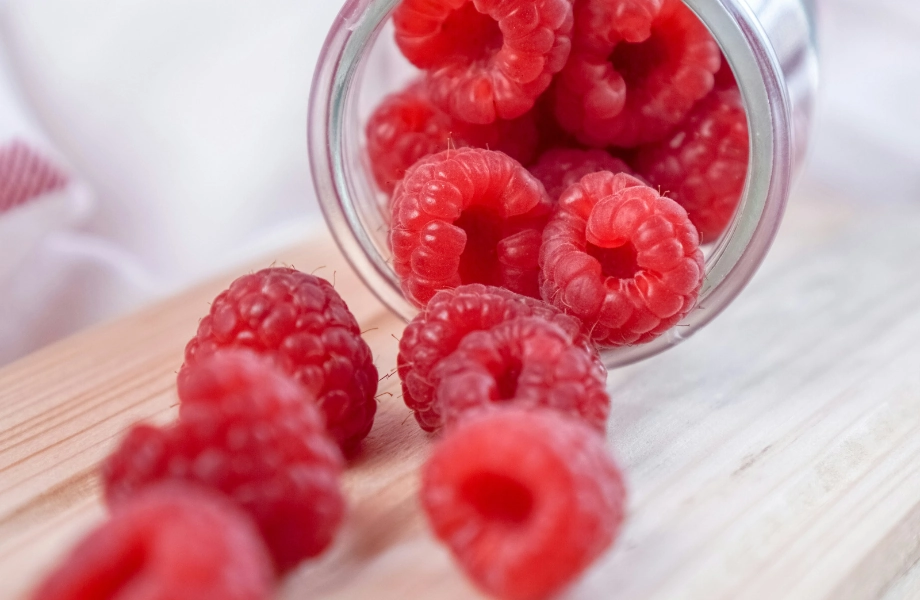
Innovation is also exploring the possibility of developing berries with specific nutritional profiles. So-called “smart berries” could be designed by adjusting certain components, such as sugars and proteins, according to the needs of different groups of consumers.
Products could therefore be adapted to the diets of athletes, children and older adults, or to the nutritional requirements of people with type 2 diabetes.
This prospect broadens the role of berries, which could evolve from foods naturally associated with well-being into part of an increasingly personalised offering.
Edible coatings as an alternative to plastic
Packaging is also part of this innovation pathway. Researchers are assessing the use of edible seaweed-based coatings as a potential alternative to plastic packaging.
These protective membranes can help extend the fruit’s shelf life while also improving or enhancing its flavour. The solution could therefore combine environmental sustainability, functionality and economic viability.
Reducing the use of plastic, together with limiting food waste, is one of the decisive steps required to make the berry supply chain more efficient and aligned with new market expectations.
A supply chain driven to innovate
The future of berries will depend on the ability of research to address both changes in the climate and the needs of consumers.
More genetically diverse varieties, gentle processing techniques, snacks without added ingredients, personalised nutrition and edible packaging are shaping a supply chain in which agricultural and food innovation are moving in the same direction.
The challenge will be to ensure a consistent supply of strawberries, raspberries, blueberries, blackberries and currants capable of combining resilience, flavour and nutritional value.
In this scenario, berries are strengthening their role in the modern diet, where the quality of raw materials and the functionality of nutrients are becoming central elements of everyday well-being.
Source: projects.research-and-innovation.ec.europa.eu
Image source: Unsplash
🫐 Well-being & Health with Berries 🍓This article is part of the editorial series Wellness & Health with Berries, which brings scientific research closer to everyday life, promoting berries as allies for well-being. The series offers clear, up-to-date, and evidence-based content designed to inform consumers and support all operators in the berry supply chain. |