






Berries represent a widely studied category of foods recognized as an excellent source of bioactive compounds, which provide remarkable health benefits, as demonstrated by both in vitro and in vivo studies.
Their richness in powerful antioxidants offers protective effects against inflammatory disorders, metabolic diseases, cardiovascular pathologies and may help suppress the risk of various types of cancer.
Moreover, they display significant antimicrobial and neuroprotective properties. These characteristics place berries at the center of interest for those aiming at high-quality and functional nutrition.
The Phytochemical Heritage of Berries
The powerful biological activity of berries is intrinsically linked to their phytochemical composition, particularly polyphenols.
Among the most relevant phenolic compounds are phenolic acids, including hydroxycinnamic acids (such as p-coumaric, caffeic and ferulic acids) and hydroxybenzoic acids (such as p-hydroxybenzoic, gallic and ellagic acids).
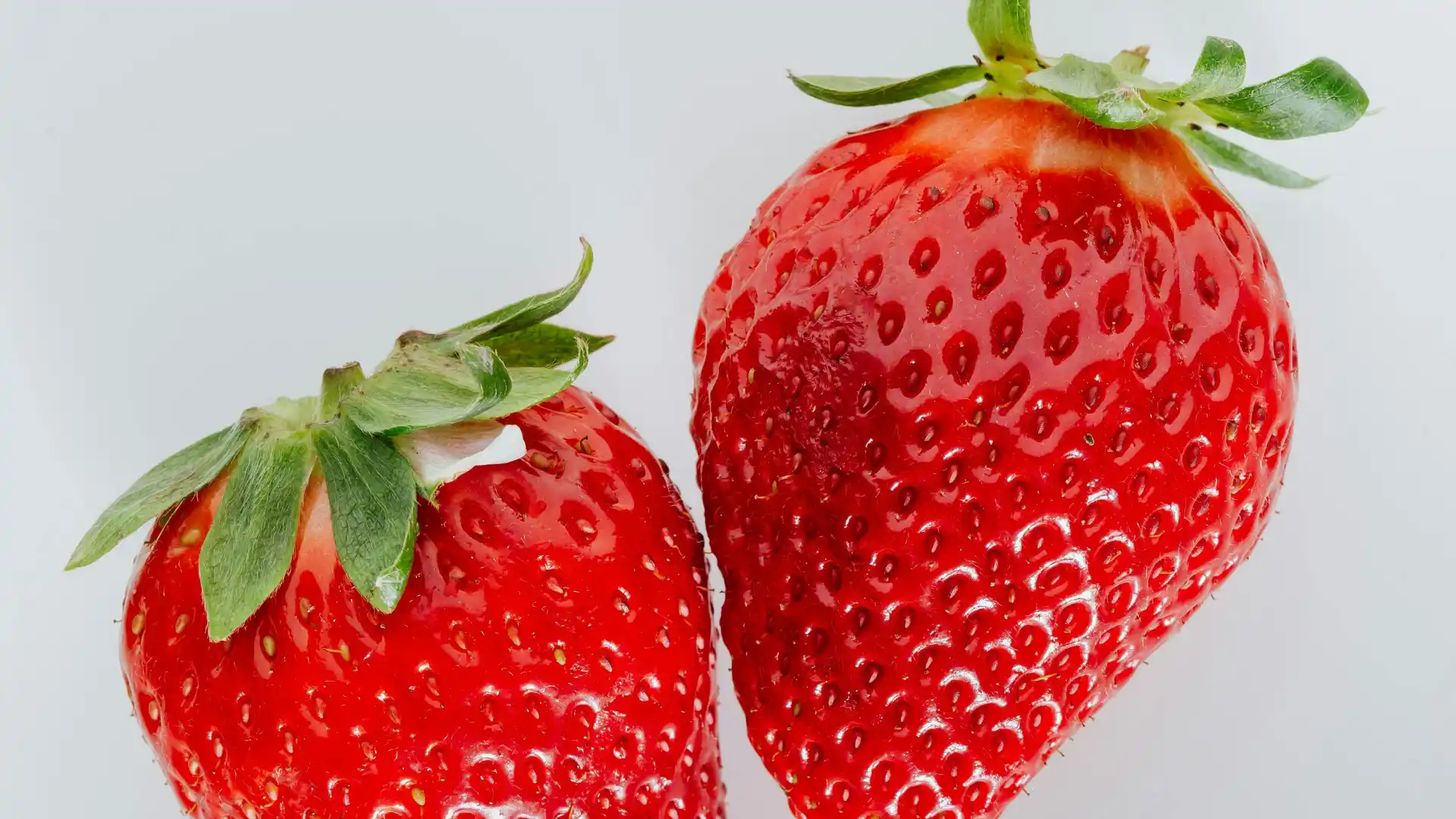
These molecules exhibit antioxidant and antitumor effects. Strawberries, for example, are distinguished by their high amount of ellagic acid.
Another fundamental class is that of ellagitannins, abundant in strawberries, raspberries and blackberries. These are complex derivatives of ellagic acid and show antioxidant, antimicrobial, anti-inflammatory and anticarcinogenic properties.
Antioxidant Efficacy and Suppression of Oxidative Stress
Blueberries and cranberries contain stilbenes, non-flavonoid compounds, whose most well-known member is resveratrol.
The total antioxidant capacity of berries is extraordinarily high, being up to four times greater than other fruits and ten times greater than vegetables.
This superiority is attributable to the synergy among phenolic compounds, carotenoids and vitamin C. Oxidative stress, caused by excessive formation of free radicals, is a key factor in aging and many degenerative diseases.
Berries act as powerful scavengers of reactive radicals.
- Strawberries: Their antioxidant action is closely related to their content in phenolic compounds and vitamin C. Strawberry consumption increases plasma antioxidant capacity and serum vitamin C levels.
- Black Raspberries and Blackberries: These show higher antioxidant activity compared to red raspberries, with a particularly high concentration of cyanidin glycosides.
- Blueberries and Cranberries: Blueberries, rich in polyphenols, procyanidins and anthocyanins, effectively reduce oxidative stress, acting as radical scavengers.
- Cranberries are considered among the best antioxidants among berries thanks to their phytochemicals, and their anthocyanins and flavanols may inhibit oxidative damage induced by ROS.
- The consumption of cranberry juice has been shown to improve plasma antioxidant capacity in subjects with metabolic syndrome.
Berries for Metabolic and Cardiovascular Well-Being
Berries, particularly due to their richness in anthocyanins and procyanidins, demonstrate the ability to suppress increases in blood glucose levels, offering potential improvement for diabetes and metabolic disorders.
The suggested mechanism includes limiting glucose absorption through inhibition of the activity of crucial digestive enzymes such as α-amylase and α-glucosidase.
Blueberry anthocyanins, for example, improve glucose tolerance and insulin sensitivity. Cranberries, thanks to flavonoids and soluble fibers, may delay intestinal glucose absorption and favor a more favorable glycemic response in patients with type 2 diabetes (T2D).
Regarding cardiovascular health, berries exert protection through metabolic regulation, reduction of oxidative stress, improvement of endothelial function and positive influence on blood lipids.

Neuroprotection and Antimicrobial Properties
Anthocyanins can mitigate damage to endothelial cells and reduce the area of atherosclerotic plaque. Flavonoids present in most berries improve blood flow and endothelial function, reducing the risk of cardiovascular disease (CD).
Moreover, the consumption of black raspberries has shown a significant reduction in systolic blood pressure in pre-hypertensive subjects.
Berries offer significant potential benefits in the neurological field. Oxidative stress and inflammation are key factors in age-related neurodegenerative diseases such as Alzheimer’s and Parkinson’s.
Polyphenols act in a neuroprotective manner, with anthocyanins considered the most powerful phenolic compounds in this area.
- Blueberries and Blackberries: Blueberry consumption positively affects age-associated changes in brain function. Blackberries have also shown beneficial effects on age-related changes, improving motor and cognitive abilities.
- Cranberries and Raspberries: Cranberry extract may improve neural function and neuroprotective responses in aged animals. Polyphenolic components of red raspberries reduce oxidative stress, inflammation and may slow the aging process.
In terms of antimicrobial activity, phenolic extracts from blueberries, blackcurrants, raspberries and strawberries may inhibit the growth of Helicobacter pylori.
Daily consumption of cranberry juice has been associated with combating H. pylori infections. Moreover, A-type procyanidins (PACs) from cranberries are known to prevent urinary tract infections by reducing bacterial adhesion of Escherichia coli.
Bioactivity and Microbiota: The Role of Absorption
Understanding how berry compounds are absorbed is crucial for assessing their effectiveness. Many phytochemicals are influenced by the digestive process and intestinal microbiota.
For example, ellagitannins, due to their high molecular weight, are too large to be absorbed directly, but depolymerize into ellagic acid and gallic acid, which are absorbable.
Subsequently, ellagitannins are metabolized by colonic microbiota, leading to the production of urolithins (such as urolithin A and B), which are absorbed by humans and detected in blood and urine.
Anthocyanins, although found in plasma and excreted in urine at low concentrations (about 0.1% or less of the ingested dose), are rapidly absorbed, peaking in plasma between 0.5 and 4 hours after consumption.
The interaction between berry phenolics and microbiota therefore plays an essential role in their bioavailability and contributes significantly to intestinal health.
Conclusion: The Role of Berries in the Modern Diet
Berries are an invaluable source of bioactive compounds providing documented protection against a wide range of degenerative disorders and pathologies.
Their action, ranging from oxidative stress suppression to metabolic modulation and neuroprotection, suggests that integrating these products into the daily diet is a strategic choice.
The effectiveness of these compounds lies not only in their immediate presence but also in the way they are transformed and made available by the body, often thanks to the action of the microbiome.
The scientific research focus on their properties suggests that berries are not merely foods, but may be seen as functional foods or even potential natural pharmaceutical agents in building a modern diet geared toward wellness and longevity.
The future challenge remains to further optimize the bioavailability of these phenolic compounds to maximize clinical benefits.
Source: Golovinskaia, O.; Wang, C.-K. Review of Functional and Pharmacological Activities of Berries. Molecules 2021, 26, 3904. https://doi.org/10.3390/molecules26133904
Image sources: Canva