









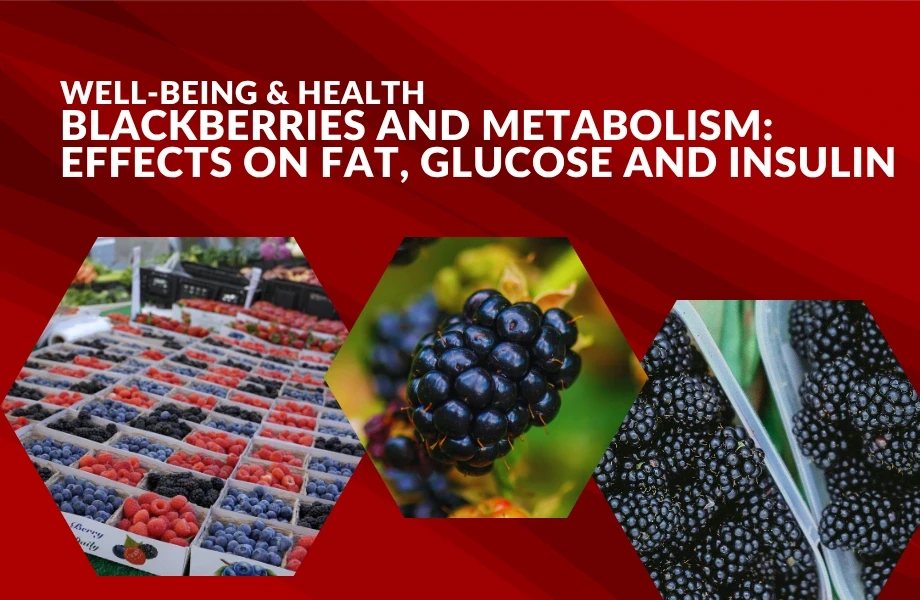
One of the most significant findings to emerge from the research is the ability of berries, and specifically blackberries, to increase fat oxidation.
In a study conducted on overweight or obese men following a high-fat diet, the addition of 600 grams of blackberries per day led to a 7% increase in daily fat oxidation.
In simple terms, this means that the body becomes more efficient at “burning” fat to produce energy rather than storing it.
This effect was observed not only at rest, but also during moderate physical activity and in the hours following meals.
Although the study focused on blackberries, similar fruits, such as blueberries, are known to share phytochemical profiles that suggest comparable metabolic benefits through mechanisms of cellular protection.

Blood sugar regulation and insulin sensitivity
In addition to fat metabolism, berries have shown a positive impact on glucose regulation. Participants in the study experienced a significant improvement in insulin sensitivity.
Insulin is the hormone that allows cells to absorb sugar from the bloodstream; greater sensitivity means that the body needs to produce less insulin to achieve the same result.
In the study, post-meal insulin levels were significantly lower in the group consuming blackberries than in the control group, even though the calorie and carbohydrate intake was identical.
This finding is crucial for counteracting insulin resistance, a condition often associated with modern lifestyles and high-calorie diets.
Anthocyanins: the secret behind the color
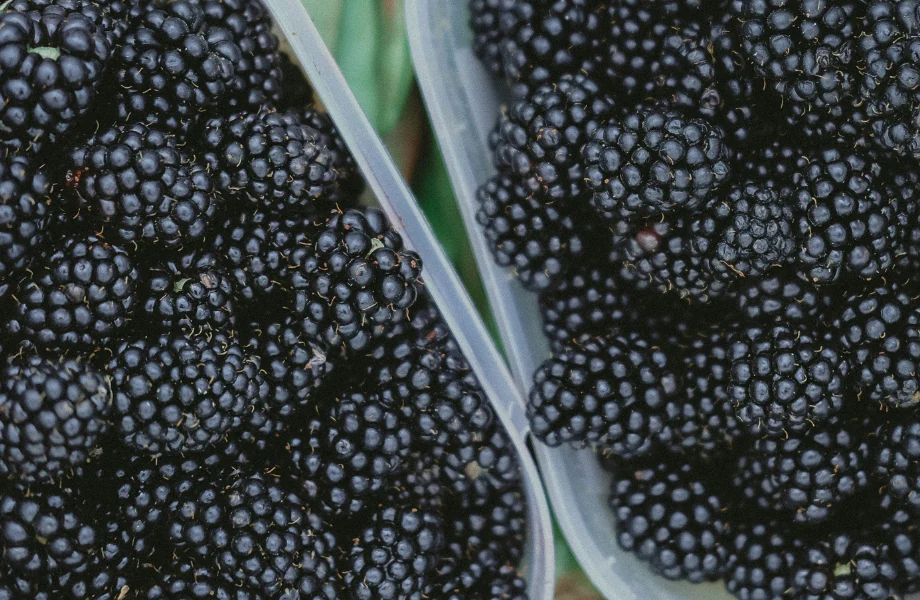
These benefits are primarily attributed to anthocyanins, natural pigments belonging to the flavonoid family that are responsible for the intense colors – from red to dark blue – typical of products such as blackberries and blueberries.
The blackberries used in the study provided approximately 1,500 mg of total flavonoids per day, with a high concentration of cyanidin-3-glucoside, a compound that scientific literature associates with the prevention of obesity and metabolic diseases.
These compounds act by influencing several biological pathways, potentially increasing the activity of muscle enzymes that promote fat utilization and reducing sugar absorption at the intestinal level.

Toward a modern, functional diet
The findings of this research confirm that the systematic inclusion of berries in a controlled diet can provide measurable metabolic benefits, helping the body better manage the energy load derived from fats.
The evidence that small dietary changes can have such a profound influence on nutrient utilization opens up new possibilities for the development of modern diets.
At a time when metabolic health is becoming increasingly important, foods such as blackberries and blueberries are no longer merely decorative or confectionery ingredients, but become strategic tools in a diet focused on well-being and longevity.
Source: Solverson, P.M.; Rumpler, W.V.; Leger, J.L.; Redan, B.W.; Ferruzzi, M.G.; Baer, D.J.; Castonguay, T.W.; Novotny, J.A. Blackberry Feeding Increases Fat Oxidation and Improves Insulin Sensitivity in Overweight and Obese Males. Nutrients 2018, 10, 1048. https://doi.org/10.3390/nu10081048
Image source: Unsplash
🫐 Well-being & Health with Berries 🍓This article is part of the editorial series Wellness & Health with Berries, which brings scientific research closer to everyday life, promoting berries as allies for well-being. The series offers clear, up-to-date, and evidence-based content designed to inform consumers and support all operators in the berry supply chain. |