









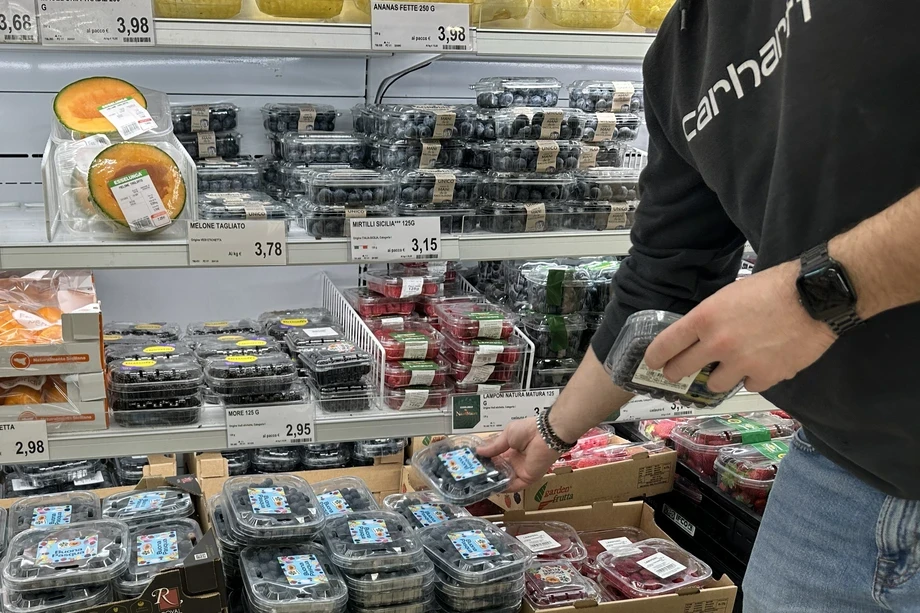
The growth strategies based on purchase frequency highlighted in a recent document by the research company Europanel find a very clear and differentiated application when analysing the current state of the Italian berries market.
To trigger sustainable changes in purchase frequency, theory suggests four routes effective strategies:
- Propose new usage occasions for the product to consumers.
- Encourage habit formation. In the blueberry market, for example, purchase frequency has increased thanks to the ability to build continuity, satisfaction and value in each purchase occasion, gradually turning habit into loyalty.
- Innovate around additional need states, identifying and satisfying new customer needs.
- Take purchase occasions away from competitors, which represents the most traditional route to growth and acquisition.
Promotional activities can generate shifts toward more frequent purchasing segments (for example from “non-buyers” to “medium buyers”), but these increases may not be sustainable in the long term, often resulting only in temporary acceleration or stockpiling.
In general, although acting on these factors is a realistic path to growth, it is a complex operation, since purchase frequency for a specific product category tends to remain fairly stable over time.
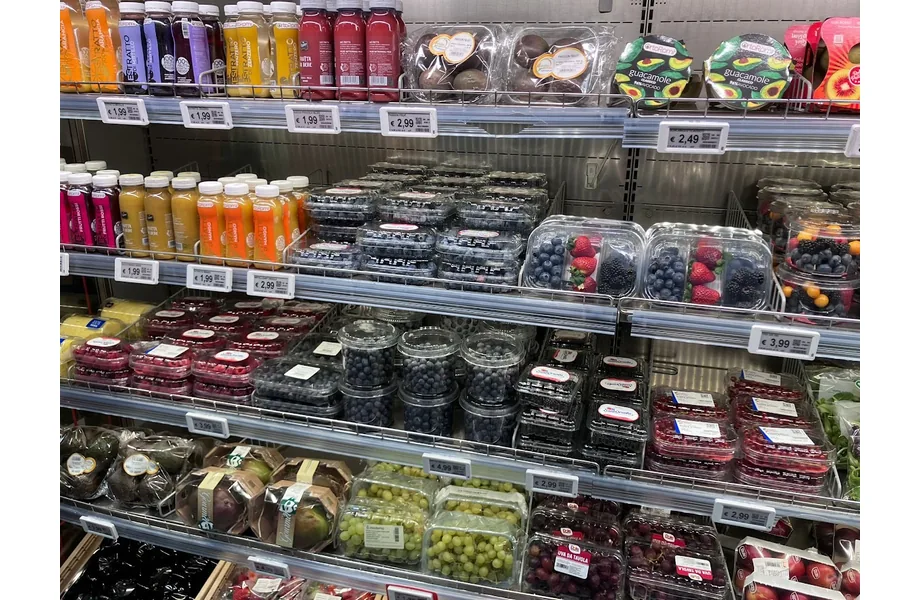
Loyalty strategies and berries
Encouraging habit formation and loyalty
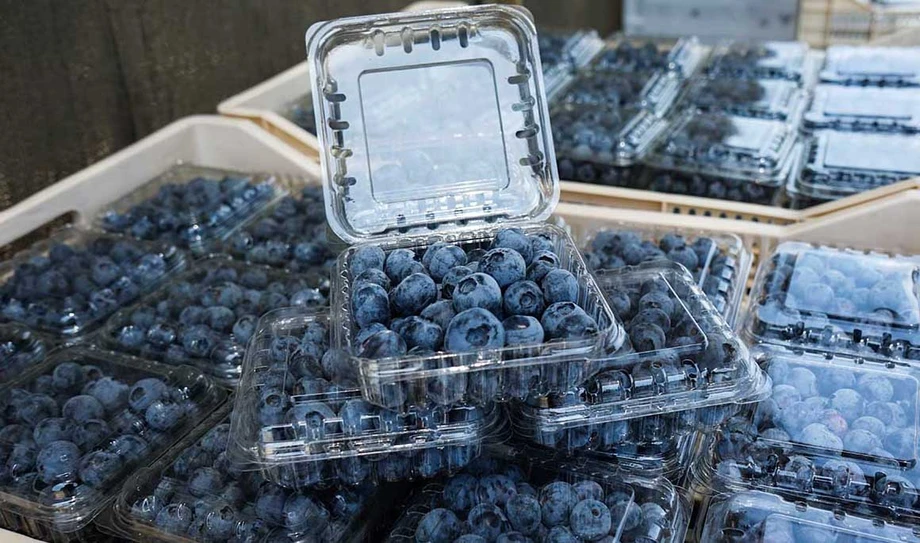
This is the most successful strategy currently visible in the market, clearly represented by the case of blueberries. Data show that blueberries have managed to make the leap from an “occasional” purchase to a structured item in Italian shoppers’ baskets. By building continuity and value, the supply chain has succeeded in gradually turning habit into loyalty. As a result, blueberry purchase frequency has increased steadily, reaching 7.5 times per year in 2025.
Strawberries also benefit from an extremely well-established consumption habit: they have an excellent repeat rate (81.94%) and a frequency rising to 7.27 occasions.
By contrast, for blackberries and currants, the lack of an established habit is the main limitation. Both fruits struggle to bring consumers back to purchase consistently, showing weak repeat rates (45.14% for blackberries, 32.32% for currants).
Taking purchase occasions away from competitors
Stealing consumption occasions from other categories is another effective strategic lever. Blueberries are once again the perfect example: in a context of overall stable consumption in the fruit department, they are taking share from other fruit, reaching 3.7% of total spending in the fruit basket and increasing their share within the berries category itself.
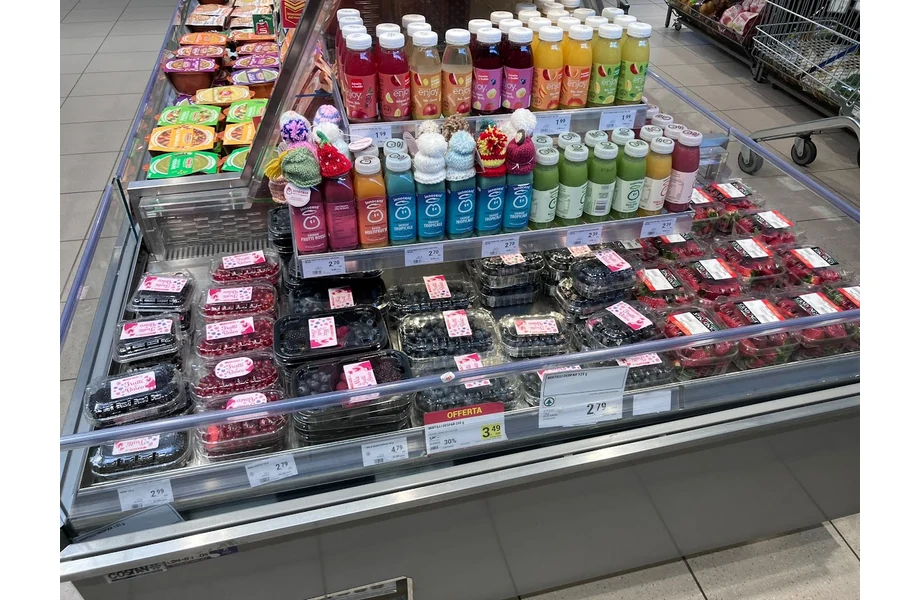
Proposing new usage occasions and innovating
Developing new usage occasions is an urgent necessity for raspberries, blackberries and currants. All three of these fruits share a problematic dynamic in 2025: they are able to attract new buyers, but purchase intensity is deteriorating sharply. Volumes per occasion are collapsing (for all three they are around 0.16 kg per purchase act), as are buyer spending and frequency.
Proposing new usage occasions or addressing new need states could encourage consumers to buy larger packs (as is happening with blueberries, which have risen to 290g per occasion) or to consume these fruits more often.
Beware of the risks of promotions
Theory warns that promotional activities can generate jumps in frequency (moving consumers from the “non-buyers” segment to the “medium buyers” segment), but they often cause only temporary accelerations in purchasing that do not translate into sustainable long-term behaviour.
This warning is crucial for the raspberry, blackberry and currant market: their current growth is defined almost exclusively by an “extensive rebound”, in other words, a widening of the buyer base without depth of consumption.
If these new customers are recruited mainly through promotional levers, there is a strong risk that they will not become loyal, confirming the weakness of the repeat rate in these categories. The challenge is not only to recruit, but to drive repetition and volumes.
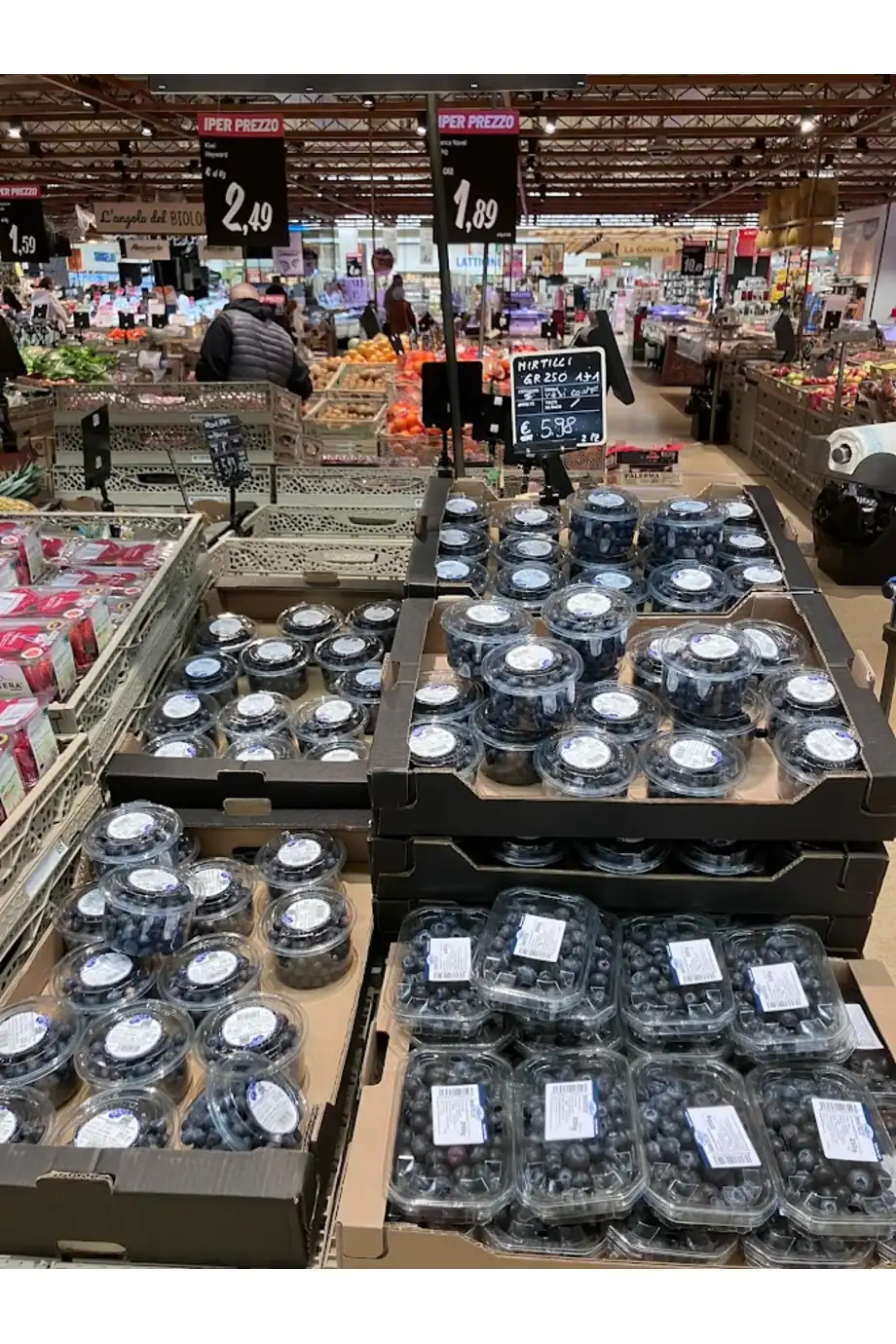
Blueberries: how to turn habit into loyalty
To turn habit into loyalty in the blueberry market, the supply chain must focus on its ability to build continuity, satisfaction and value in each purchase occasion.
Data indicate that, to achieve this goal, it is necessary to support an increasingly “mature” consumer, encouraging them not only to buy more frequently (up to 7.5 times per year in 2025), but also to choose larger and more generous pack formats.
By steering consumers toward larger formats, the average purchase per occasion jumped to 290 grams, making it possible to offset the decline in average price with higher volumes.
This shows that loyalty depends on the consolidation of the value of current buyers, moving beyond the phase in which growth depended exclusively on recruiting new households.
At a broader strategic level, the transformation of a habit into long-term loyalty can be further stimulated by proposing new usage occasions or innovating to satisfy additional need states.
An equally effective lever is to take purchase occasions away from competitors: a dynamic that blueberries are already carrying out successfully, ceasing to be an occasional purchase and becoming a “structured item” in household spending, while taking share from both other fruit and other berry categories.
Why do blackberries and currants have weak loyalty?
Blackberries and currants show weak loyalty (with the 2025 repeat rate falling to 45.14% for blackberries and just 32.32% for currants) because of a market dynamic that is broadening on the surface but weakening in the depth of consumption.
The main reasons explaining this fragility are:
- Growth based only on recruitment: The current expansion of these two fruits is driven almost exclusively by widening the buyer base. They are able to attract new households and increase penetration, but the expansion remains “extensive” and not consolidated.
- Collapse in purchase intensity: Both categories are recording a marked decline in all the indicators that define habit. Consumers are buying these fruits less and less often: annual frequency has fallen to 2.67 occasions for blackberries and 1.68 for currants.
- Increasingly “light” purchase acts: Not only are consumers buying less often, but they are also purchasing smaller quantities per occasion, down for both fruits to just 0.16 kg per purchase act. As a result, each buyer generates lower and lower average value.
- Lack of continuity: The currant market, in particular, struggles to consolidate real continuity in repeat purchasing. Blackberries too, while reaching more baskets, still show fragile purchasing dynamics in quantitative terms and still need to learn how to bring consumers back more consistently.
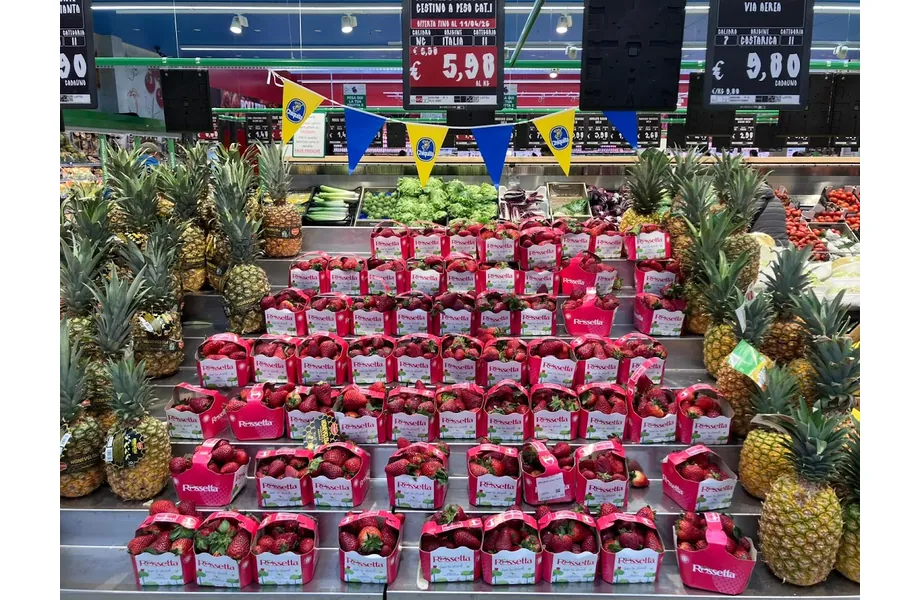
As analysed earlier, marketing theories warn that this kind of trend — namely a widening of buyers moving from “non-buyers” to sporadic purchasing segments — may be the effect of promotional activities.
These dynamics generate temporary accelerations but do not trigger sustainable long-term habits.
To raise loyalty, blackberry and currant supply chains will need to shift their strategic focus: the priority is no longer simply getting new customers to try the product, but working on frequency, repeat purchasing and increasing quantities per occasion.
Which new need states could relaunch blackberries and currants?
The search for and fulfilment of new need states is an absolute strategic priority for relaunching and consolidating the market for these two specific fruits.
Both blackberries and currants, in fact, share a very similar market dynamic in 2025, which can be defined as extensive expansion but weak from a quantitative point of view:
- They are able to attract new buyers: Both fruits have seen an increase in the number of purchasing households and in market penetration.
- Purchase intensity is deteriorating sharply: Consumers are buying less often and in smaller quantities. For blackberries, volume per buyer has fallen to 0.42 kg, volume per occasion to 0.16 kg and frequency to 2.67 annual occasions. For currants, the situation is even more fragile, with volume per buyer down to 0.26 kg, quantity per occasion at 0.16 kg and frequency at just 1.68 annual purchase acts.
- They have weak loyalty: The repeat rate struggles to take off, standing at 45.14% for blackberries and a weak 32.32% for currants.
As a consequence, the real obstacle for the supply chain is no longer simply getting new customers to try the product, but increasing the average quantity purchased per act, strengthening frequency and building greater loyalty.
To trigger sustainable changes in purchase frequency and encourage consumers to buy larger packs (moving away from the current “light” volumes), theoretical strategies suggest acting precisely by proposing new usage occasions, encouraging habit formation or innovating to satisfy additional need states. Another route indicated for growth is to take consumption occasions away from competing products.
The success of blueberries and the performance of strawberries
Both blueberries and strawberries recorded excellent performances in 2025, but the data describe two categories at different market stages: strawberries are the historical, mature leaders, while blueberries are the rapidly rising stars that are structuring their presence in Italian shoppers’ baskets.
Here is a detailed comparison of the main indicators:
Reach and buyer base
- Strawberries: They have massive reach. In 2025 they reached as many as 18.945 million Italian households, with an exceptional penetration of 71.32%. They confirm themselves as the most widely distributed and most structured category among berries.
- Blueberries: They have a smaller buyer base, equal to more than 9.1 million households, but show spectacular growth (+65% over the last five years). They are literally taking market share from other fruit, reaching 3.7% of total spending in the fruit department.
Frequency and consumption habit
The most surprising aspect of 2025 is that blueberry purchase frequency has slightly overtaken that of strawberries:
- Blueberries are purchased 7.5 times a year (a strong increase from 5.3 times in 2020). They are no longer an “occasional” purchase, but a fixed and structured item in household spending.
- Strawberries show a strong recovery, rising to 7.27 annual occasions.
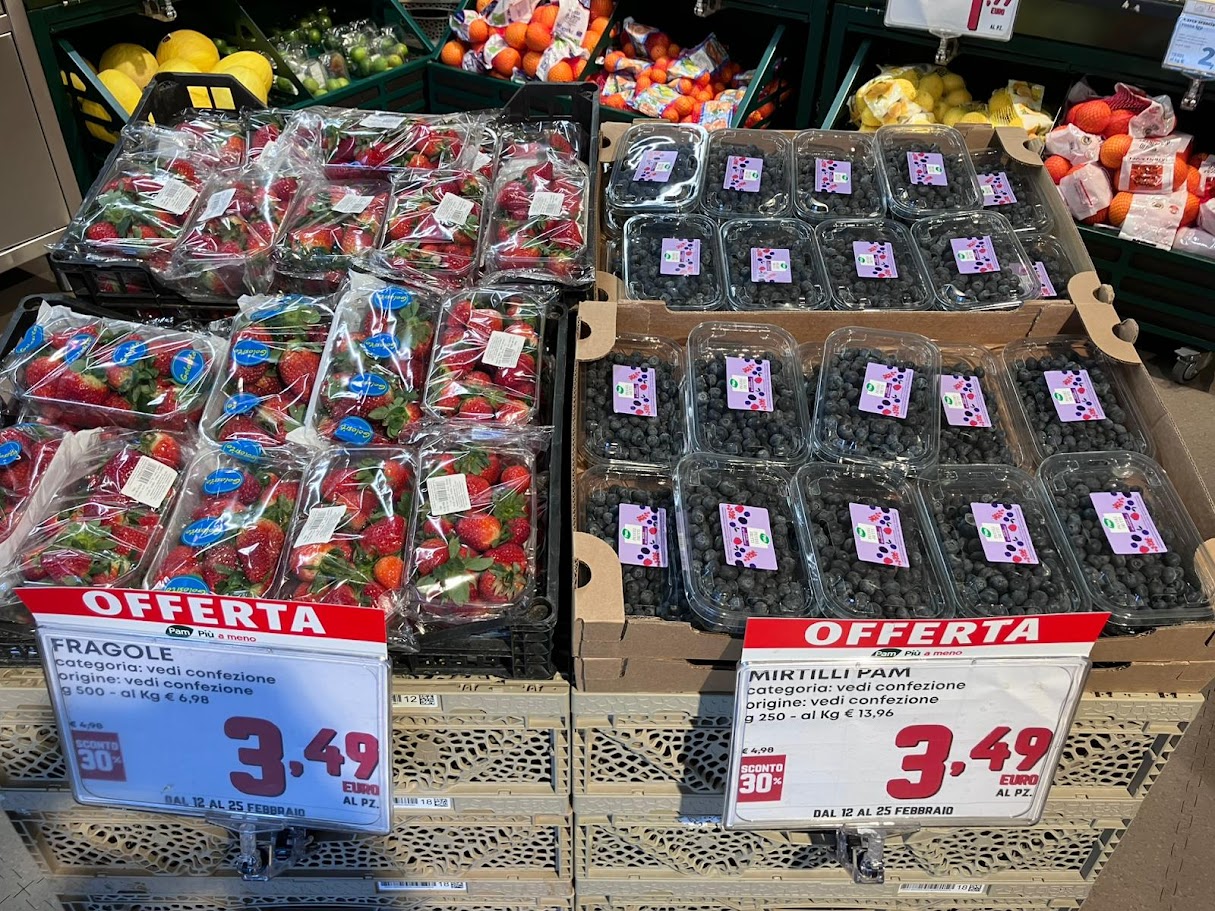
Intensity and quantity per occasion
- Strawberries: Purchased volumes are clearly higher for obvious reasons linked to the nature of the fruit. Annual volume per buyer is recovering to 4.58 kg. Quantity per occasion is high and stable at 0.63 kg.
- Blueberries: 2025 marks a real step change in purchase intensity. Annual volume per household has exceeded 2 kg and quantity purchased per occasion has risen from 260g to 290g. Blueberry consumers are proving to be more “mature” and are choosing progressively larger formats.
Spending, prices and loyalty
- Price resilience: Both categories have seen a slight decline in average price, but they have still managed to increase their total value thanks to higher volumes. Annual spending on strawberries rose to €23.62 per household, while for blueberries it reached €26.74.
- Loyalty: Strawberries have an extremely high ability to bring consumers back to purchase, with a formidable repeat rate of 81.94%, the category’s real strength. Blueberries, for their part, are successfully completing the transformation from “simple habit” to “loyalty”, meeting the needs of a consumer seeking continuity and value.
While strawberries are growing by consolidating an already extensive dominance and reactivating the intensity of a very broad market, blueberries are in the middle of a “qualitative transition”: they are rapidly expanding their customer base and getting households used to eating them more often and in increasingly generous portions.
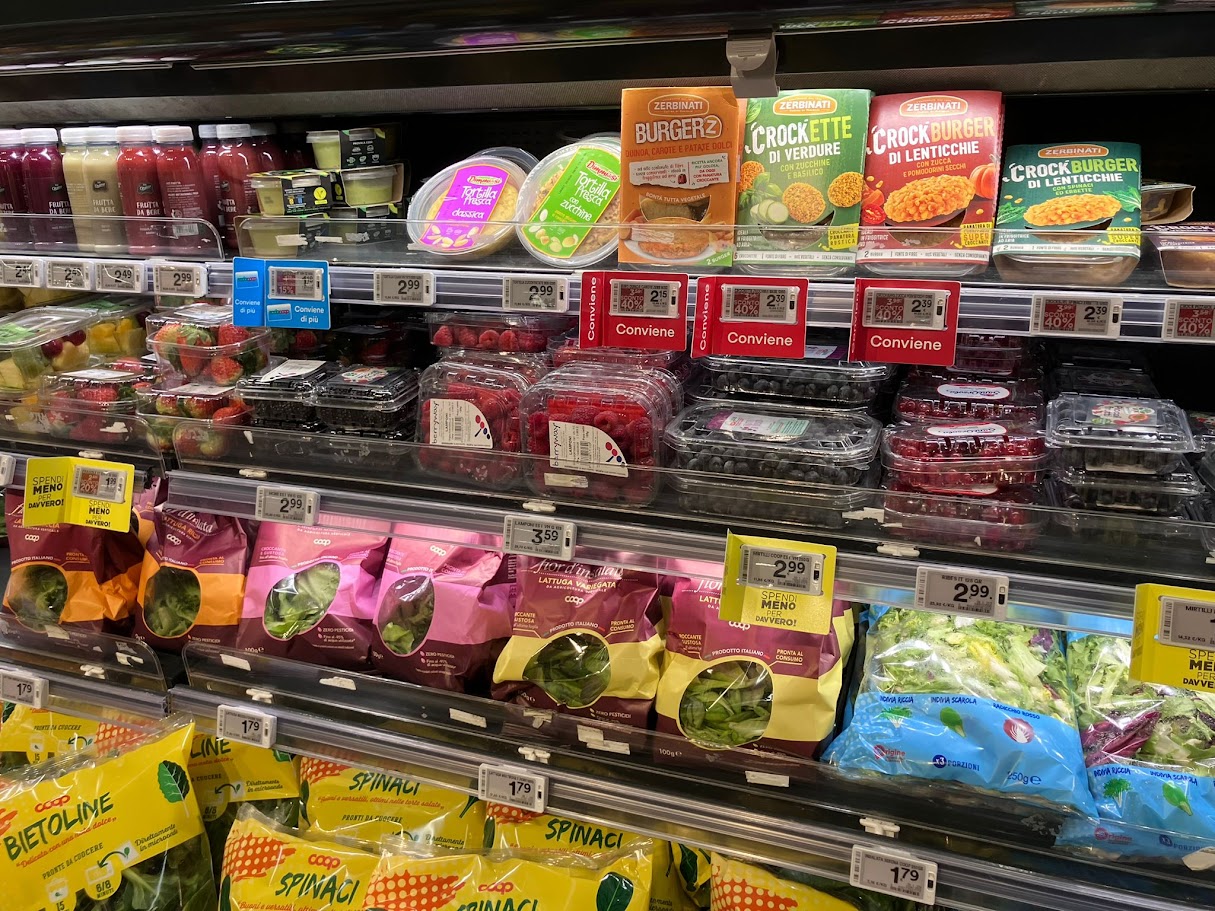
Conclusions
The Italian berries market in 2025 is split into two clear trajectories, with strawberries and blueberries representing the most successful models thanks to structural, loyalty-driven growth. Strawberries confirm their absolute leadership, combining very broad household reach with an excellent repeat purchase rate above 81%.
Blueberries, for their part, represent the perfect example of how to turn a habit into long-term loyalty: not only have they expanded their consumer base, but they have also seen a significant jump in purchase intensity, with increases in both frequency and quantity per occasion, which has risen to 290 grams.
By responding to an increasingly mature consumer and offering more generous formats, blueberries are even taking share from other fruit, demonstrating the effectiveness of the strategy aimed at taking purchase occasions away from competitors.
By contrast, raspberries, blackberries and currants face a crucial challenge linked to weak consumption intensity. Although all three categories are managing to broaden their audience by attracting new buyers, they suffer from a progressive and marked lightening of purchase acts, with declines in volume per buyer, quantity per occasion (down to 0.16 kg) and repeat rates that remain fragile.
As highlighted by marketing theories, growth based only on extensive widening (often driven by promotions) risks generating only temporary and unstable accelerations. To trigger truly sustainable development, the supply chains of these fruits will need to change their strategic focus: the priority will be to propose new usage occasions, stimulate new habits and increase the average quantities purchased, in order to turn occasional purchases into genuine long-term loyalty.