





In the berry category, the blueberry continues to dominate the scene thanks to its reputation as a “superfood”. However, alongside the most well-known varieties, less familiar species are emerging and attracting growing interest for their outstanding nutritional properties. This is the case with South American berries, true concentrates of bioactive compounds that are opening new perspectives for the agri-food and nutraceutical sectors.
Mortiño: the Andean blueberry rich in phenolics
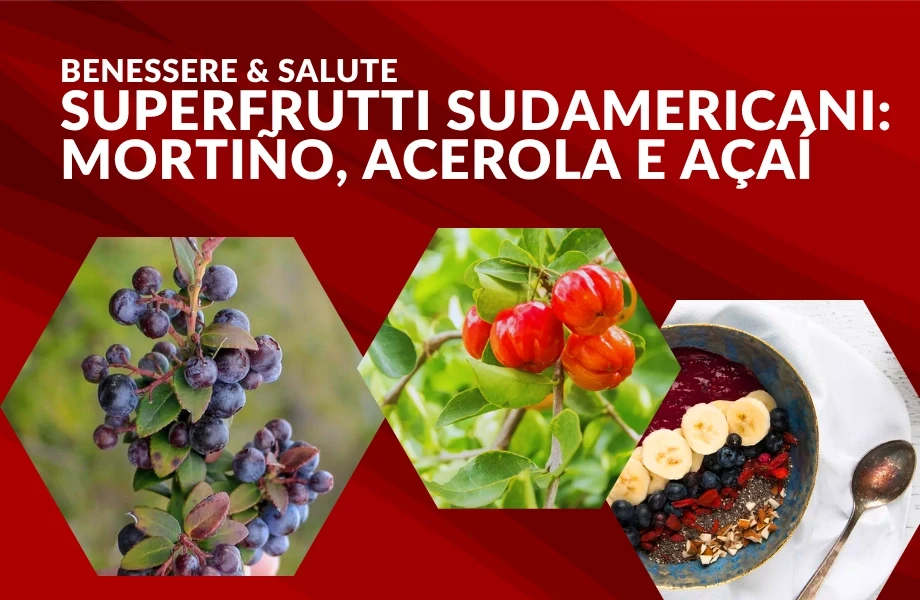
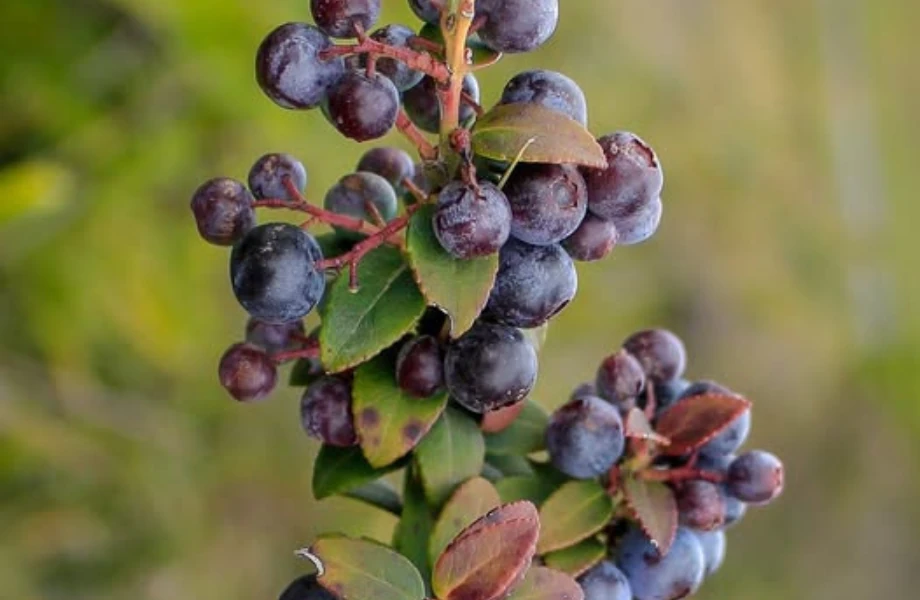
Among the most promising species is Vaccinium floribundum, known as the Andean blueberry or mortiño. Belonging to the same genus as the traditional blueberry, this wild fruit stands out for its high content of phenolic compounds, which play a key role in defense against oxidative stress.
The combination of anthocyanins and vitamin C makes mortiño particularly interesting for the prevention of cardiovascular diseases. It is not just a fruit with an intense flavor, but a high value-added ingredient increasingly observed by both research and industry.
Blackberries and wild strawberries: intensity and nutritional value
Alongside blueberries, other traditional species are also showing new potential, especially in their South American wild variants.
The Rubus glaucus, known as the Andean blackberry, is characterized by its dark red color and greater juiciness compared to cultivated blackberries. From a nutritional perspective, it is rich in ellagitannins, bioactive compounds associated with protective effects on the body.
Equally interesting is Fragaria chiloensis, the Chilean strawberry, considered the progenitor of many modern cultivars. This species continues to be studied for its high polyphenol content, suggesting an active role in cellular protection and in reducing inflammatory processes linked to chronic diseases.
Acerola and Açaí: from niche to global ingredients
In the global wellness market, some fruits once considered exotic have become true “new classics”.
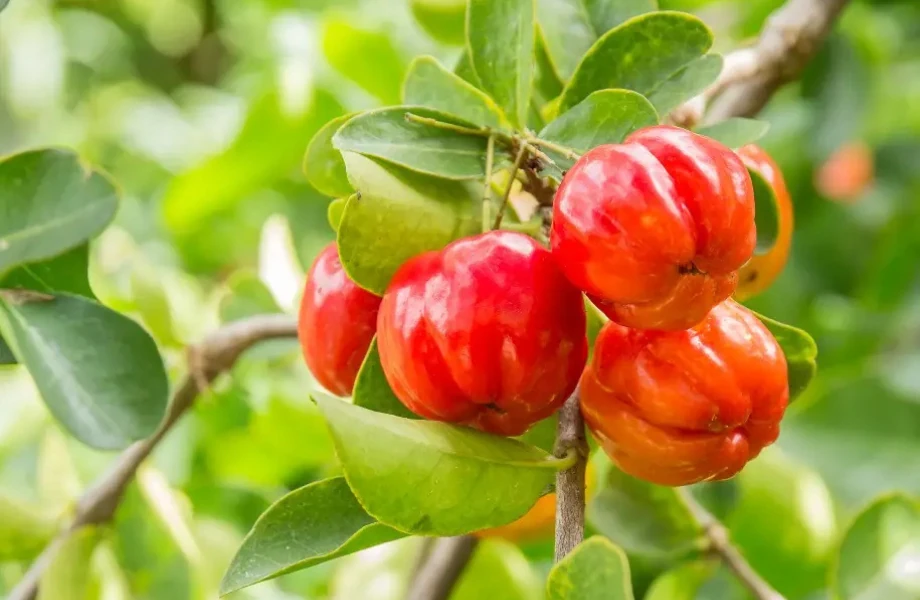
Acerola (Malpighia emarginata) is now one of the most concentrated natural sources of vitamin C, with levels reaching up to 4,500 mg per 100 grams of pulp. This characteristic makes it essential for nutraceutical applications, particularly for immune system support and collagen synthesis.
Açaí (Euterpe oleracea), now a staple in smoothies and healthy bowls, stands out for its content of healthy fats, such as oleic acid, and its richness in anthocyanins. Studies suggest that its extracts may contribute to cardiovascular health thanks to vasodilatory and anti-inflammatory effects.
Conclusion
The world of berries is evolving rapidly, expanding beyond the most well-known varieties. From the Andes to global markets, species such as mortiño, Andean blackberry, acerola and açaí represent a new generation of functional berries, capable of combining taste, health and economic opportunities.
For the agri-food sector, these varieties offer interesting development prospects, while for consumers they represent a conscious choice oriented toward well-being and prevention. A trend set to grow, supported by scientific research and the global demand for high-nutritional-value foods.
Source: Schreckinger ME, Lotton J, Lila MA, de Mejia EG. Berries from South America: a comprehensive review on chemistry, health potential, and commercialization. J Med Food. 2010 Apr;13(2):233-46. doi: 10.1089/jmf.2009.0233. PMID: 20170356.
🫐 Well-being & Health with Berries 🍓This article is part of the editorial series Wellness & Health with Berries, which brings scientific research closer to everyday life, promoting berries as allies for well-being. The series offers clear, up-to-date, and evidence-based content designed to inform consumers and support all operators in the berry supply chain. |