









After nine years at the helm of British Berry Growers (BBG), chairman Nick Marston will step down from his role during the course of the year.
However, the focus of the news is not so much the leadership transition as the results achieved by a sector that today represents over 95% of the British berries sold in the United Kingdom and has significantly strengthened its economic and institutional role.
Marston will oversee the selection process of his successor, ensuring continuity at a strategic stage for the organization.
A sector that delivers value
In recent years, the UK berry sector has consolidated its economic weight.
According to an analysis carried out by EY, the industry has surpassed £600 million (approximately €702 million) in GVA (Gross Value Added), supporting more than 16,000 jobs nationwide.
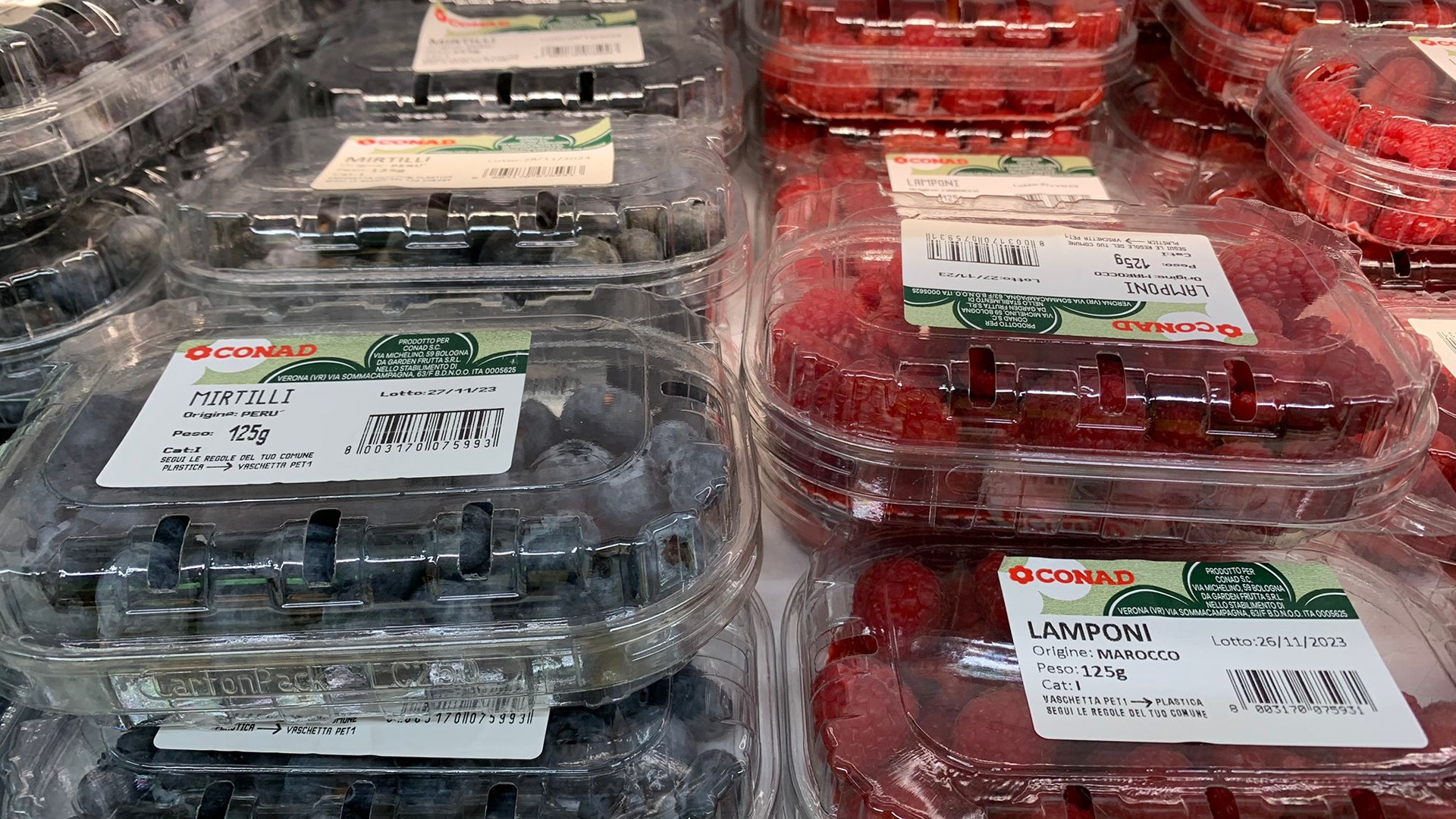
These figures confirm the role of berries – blueberries, raspberries, blackberries and strawberries – as one of the most dynamic segments of the UK fresh produce sector, combining consumption growth, varietal innovation and investment throughout the supply chain.
During this period, BBG strengthened its dialogue with government and retailers, increasing producer representation in a context marked by growing regulatory complexity, cost pressures and new priorities in labor and sustainability.
From “summer” to berries
One of the most significant milestones was the 2022 rebranding: the association moved from British Summer Fruits to British Berry Growers, a change that marked a strategic evolution.
The new name better reflects the breadth of the offering and the progressive deseasonalization of the sector, increasingly oriented toward extended production throughout the year and a structural presence on retail shelves.
This repositioning strengthened the organization’s identity at a time when the sector aims to consolidate its leadership in UK fresh produce.
New governance for a new phase
British Berry Growers has already launched the search for a new chairman, with the support of the specialist firm Eden Search.
The next chair will have an expanded mandate, aligned with the opportunities and challenges ahead: production growth, investment, innovation and political priorities.
The UK berry sector is therefore entering a new phase on solid foundations: increasing economic value, a structured representative organization and a supply chain that continues to demonstrate resilience and adaptability.
The leadership transition fits within this framework of continuity and development, with the goal of guiding British berries toward a new season of growth.
Source: www.fruitandvine.co.uk
Image source: Freepik