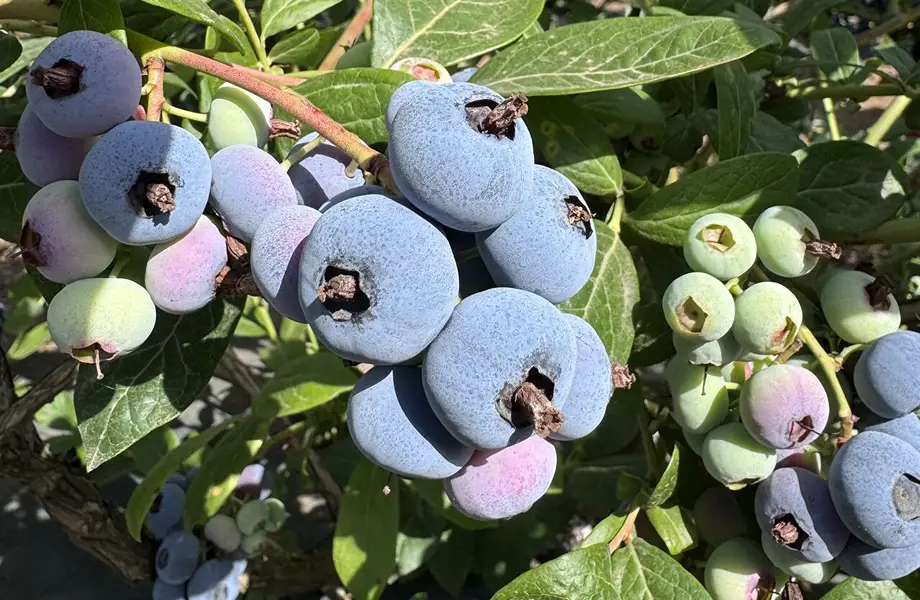






The close of the 2025–2026 season leaves a conclusion that is hard to ignore: in berries, and particularly in blueberries, competitiveness no longer depends solely on producing more or reaching more distant markets, but on delivering the product in better condition.
Throughout the campaign, industry discussion once again focused on the same symptoms that continue to affect perceived quality at destination: dehydration, overripeness, loss of firmness, bloom collapse, inconsistency in condition, and reduced shelf life. What matters is not only that these issues persist, but that they now occur in a much more demanding context: less predictable logistics windows, increased retail pressure, more sensitive costs, and climate and geopolitical variability forcing a reassessment of assumptions once considered stable.
At the same time, the 2025–2026 season has provided important lessons. Experience gained in quality assessment, postharvest management, and technological trials across Latin America, the United States, and EMEA clearly shows that problems at destination rarely have a single cause. In most cases, what is observed upon arrival is the final result of a chain of interconnected decisions: harvesting, pulp temperature, waiting times, packaging, cooling, varietal choice, humidity management, packaging, transport, and commercial risk evaluation. Genetics matters, but it is not enough: these are living organisms, and the variables to manage remain numerous.
The real opportunity for the 2026–2027 season
The real opportunity for the 2026–2027 season lies in stopping the treatment of arrival defects as isolated events and starting to recognize them for what they are: systemic postharvest issues.
2025–2026 season: margins for error are increasingly narrow. The recently concluded campaign was characterized by a complex combination of factors: volume pressure in some origin areas, high commercial demands, stressed logistics, and, in many cases, fruit arriving at the limit of optimal conditions.
In blueberries, the issue was not only late arrivals or soft fruit, but often fruit arriving physiologically “tired”: apparently still marketable thanks to varietal traits, but with an insufficient postharvest reserve to withstand distribution, shelf life, or repacking. This resulted in several phenomena:
- Dehydration, with loss of turgor and shriveled appearance
- Overripeness, often linked to non-uniform ripening or excessive thermal exposure
- Loss of firmness, critical for the consumer experience
- Greater sensitivity to transport time
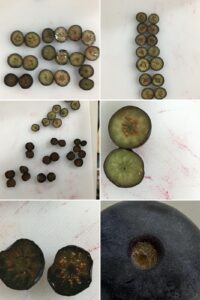
Inconsistency between lots and varieties
Inconsistency between lots and varieties, leading to challenges in commercial management
These signals should not be interpreted only as postharvest issues, but as indicators of a still too wide gap between the fruit’s physiological potential and the operational reality of the supply chain.
When the product arrives but does not retain value. One of the most common mistakes is evaluating logistical success in binary terms: “the product has arrived.” In berries, however, arrival does not necessarily mean maintaining commercial value.
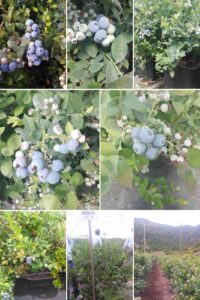
Quality deteriorates progressively
Quality deteriorates progressively along the chain.
Dehydration: an effect, not the cause. Often attributed to long transport times, it is actually the result of multiple factors: initial fruit condition, time between harvest and pre-cooling, thermal management, packaging, and varietal choice. In many cases, the fruit already starts out structurally vulnerable.
Overripeness: harvesting for the window or for resistance? There is a growing tension between commercial needs and the fruit’s ability to withstand the journey. In a context of uncertain logistics, this choice becomes strategically crucial.
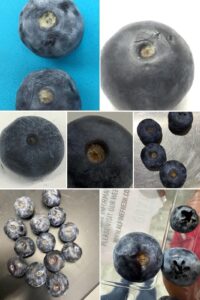
Firmness and integrity as new metrics
Firmness and integrity: the new retail metrics. Distribution is increasingly focused on consistency of experience: resistance to handling, texture retention, and durability over time are becoming key factors.
Postharvest technologies: useful, but not decisive. Trials conducted across EMEA, the USA, and Latin America show that technology can support, but not replace operational discipline.
Four key findings clearly emerge:
- Not all technologies work across all supply chains
- Proper lot assessment is essential for results
- Reducing variability is more important than slightly improving the average
- Data must drive decisions, not perceptions
The key lesson: quality
The key lesson: quality is built before harvest. Quality at destination does not originate in the container, but much earlier. Fruit harvested with uneven ripening, water stress, or excessive heat exposure already starts under disadvantaged conditions.
A cross-functional approach is therefore required, involving the entire supply chain: production, harvesting, packing, logistics, and commercial strategy.
Towards the 2026–2027 season: designing risk. The next season must be less reactive and more strategic. Risks also come from external factors:
- Global logistics instability
- Variable transport costs
- Trade tensions
- Lower market tolerance for inconsistency
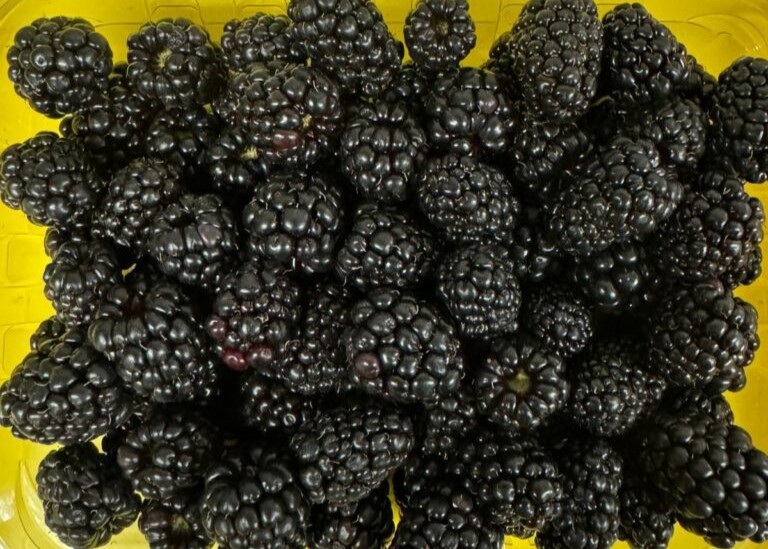
The key question becomes
The key question becomes: which fruit is truly suited for each route?
The role of climate: the coastal El Niño uncertainty. Possible El Niño-related conditions could increase instability in key factors such as temperature, humidity, and ripening dynamics. This directly affects fruit transportability.
Potential effects include:
- Increased dehydration
- Less stable firmness
- Uneven ripening
- Unpredictable response during transport and storage
Season priorities
- Priorities for the 2026–2027 season
- Better lot-based risk segmentation
- Greater control over time and temperature
- Rigorous technological evaluation
- More effective use of data
- Alignment between quality and commercial strategy
- Planning for variable scenarios
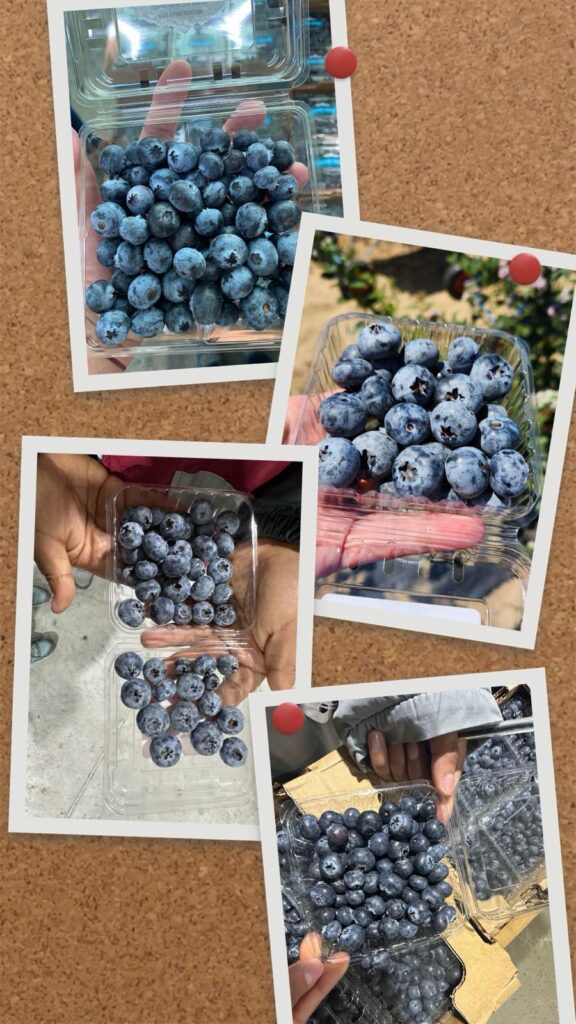
Conclusion: true competitiveness
Conclusion: true competitiveness is consistency. The 2025–2026 season has made this clear: in the berry sector, competitive advantage will not belong to those who produce more, but to those who ensure greater operational consistency in an increasingly uncertain context.
Quality at destination must become a choice designed from the origin. The shift from reactive to strategic postharvest management represents the main challenge for the 2026–2027 season.
Many issues will not be solved with more technology or increased attention, but with better data-driven decisions made in advance. This is precisely where future competitiveness will be determined.
Source text and images: www.myblueproject.com