








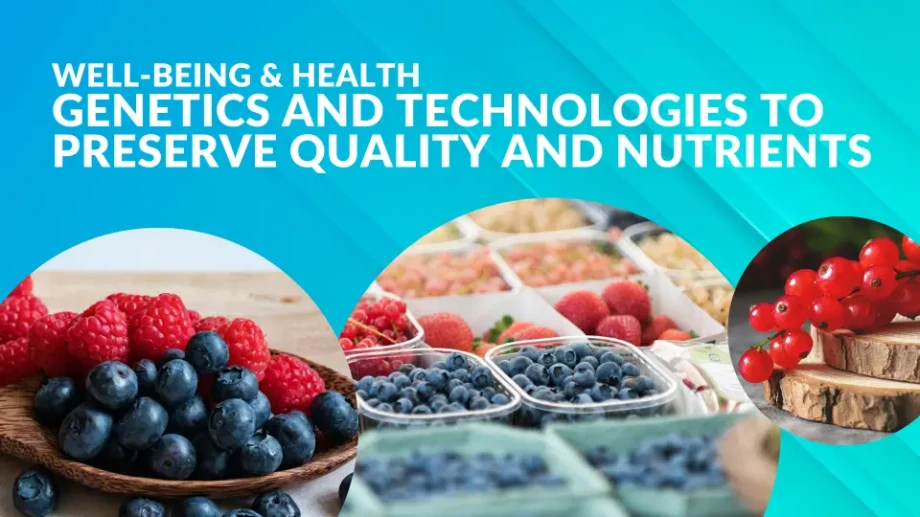
Strawberries, raspberries, blueberries and currants have become a regular presence in European fresh produce departments. Behind this widespread availability, however, lies a supply chain facing increasingly complex production conditions.
Climate instability is altering growing environments, increasing exposure to pests and diseases and intensifying water stress. The challenge does not concern harvested volumes alone: the characteristics that influence consumer choice are also under threat, from sweetness and aroma to fruit texture.
To safeguard the future of the sector, European research is working on two complementary fronts: broadening the genetic base of crops and developing technologies capable of extending product shelf life without compromising their nutritional value.
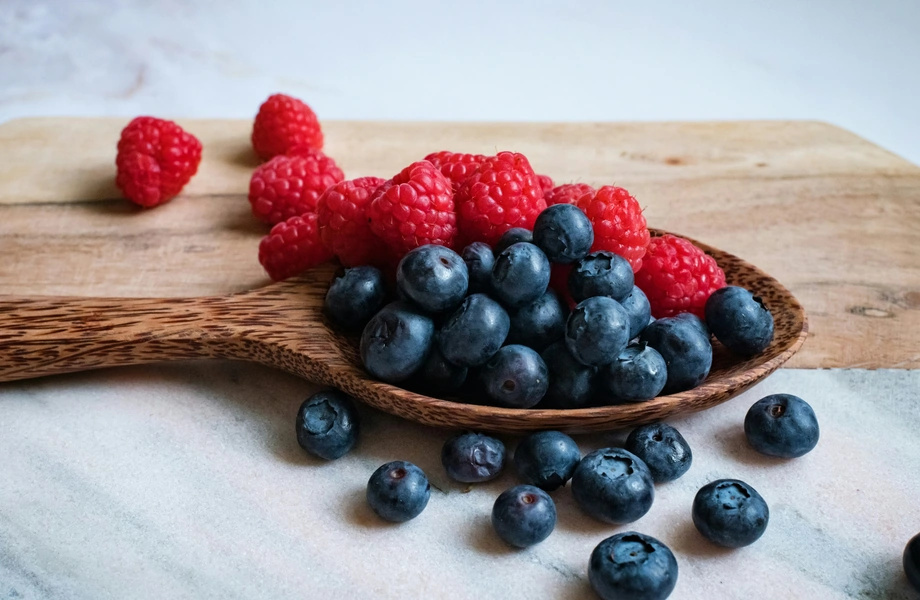
BreedingValue restores genetic diversity
One response comes from the BreedingValue project, coordinated by Professor Bruno Mezzetti of the Marche Polytechnic University. The initiative focuses on expanding the genetic diversity of cultivated berries through the study of germplasm.
This resource includes the genetic material preserved in seeds, wild species and heritage cultivars. It represents a reserve of biodiversity that may contain useful traits for developing plants better suited to changing environmental conditions.
The breeding work pursues two main objectives. The first is to identify genetic traits capable of increasing resistance to drought and diseases. The second is to preserve sensory quality, ensuring that greater resilience does not compromise sweetness, aroma or texture.
According to Dr Tuuli Haikonen, recovering traits from heritage varieties is essential to continue offering high-quality fruit at reasonable prices in a market where demand remains strong.
Genetic research can also make breeding work more efficient, with potential benefits for the costs borne by nurseries and the competitiveness of the entire supply chain.
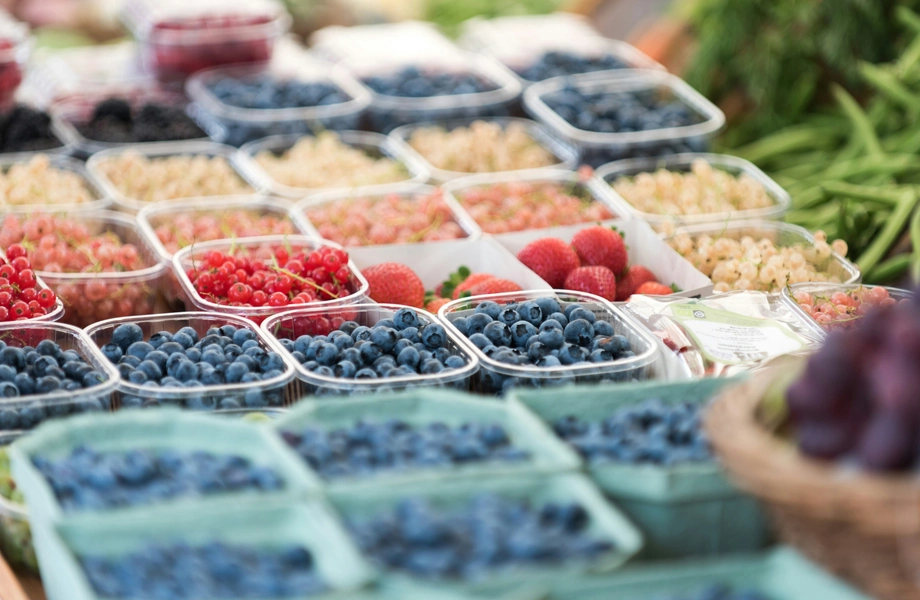
A strategic sector for Europe
The economic importance of berries is reflected in the figures. In 2020, the global market for strawberries alone was worth approximately €14 billion, with Europe accounting for €3.5 billion.
In 2022, the European Union produced a total of 700,000 tonnes of berries. Strawberries accounted for approximately half of the total, followed by raspberries and currants.
Spain remained the leading producer, accounting for more than 25% of EU production, followed by Poland and Germany. This production landscape highlights the importance of the sector, as well as the need to protect crops that are particularly sensitive to the effects of climate change.
FRIETS explores new solutions to reduce waste
Alongside genetics, innovation also concerns the post-harvest stage. Berries are highly perishable products, and their limited shelf life can result in losses throughout the distribution chain.
The FRIETS project, led by agronomist Marianna Lagonikou, is testing dehydration techniques designed to extend the commercial life of products. Another objective is to create healthy snacks without added sugar, salt or preservatives.
The technologies under investigation include microwave vacuum drying and freeze-drying. Both processes operate at low temperatures, helping to limit protein denaturation and enzyme inactivation.
These conditions support the preservation of the bioactive compounds naturally found in fruit, including substances with antioxidant and antimicrobial properties, thereby protecting their nutritional and therapeutic value.
Another solution is osmotic dehydration, which uses glycerol, a natural alcohol, to remove water from the product without damaging its cellular structure.
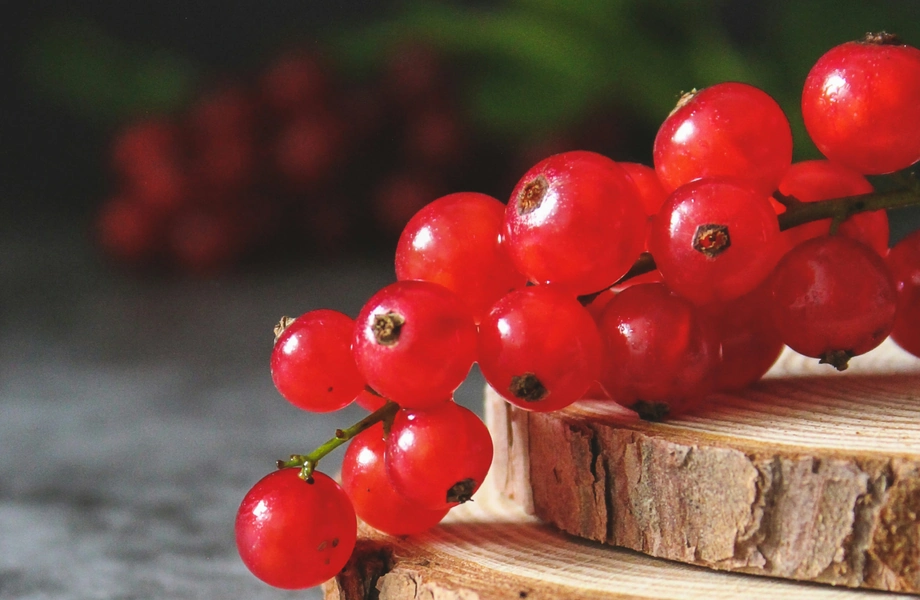
Tailored products for different consumers
Processing technologies are also opening the way to precision nutrition. According to Professor Magdalini Krokida, processed berries can be designed to meet the needs of specific groups of consumers.
For example, foods with a higher protein content could be developed for athletes, while reduced-sugar formulations could be created for people with diabetes. The same approach could address the nutritional needs of older people and children.
Fruit is therefore no longer viewed solely as a raw material to be preserved, but as a basis for functional foods that can be adapted to different lifestyles.
Edible coatings as an alternative to plastic
Sustainability also extends to packaging. Among the solutions being studied are edible coatings made from seaweed, designed to protect fruit without relying on conventional plastic packaging.
These membranes could help reduce the environmental impact of distribution while also improving the consumer experience. Their ability to enhance the flavour of fruit could also make berries more appealing to children.
An increasingly integrated supply chain
The convergence of agricultural biotechnology and food engineering is changing the way berries are bred, grown, preserved and processed.
The outlook is for a supply chain capable of producing more resilient varieties, preserving sensory qualities, reducing waste and developing foods with targeted nutritional characteristics.
In this context, strawberries, raspberries, blueberries and currants are moving beyond their role as seasonal products to assume growing importance within a food model focused on prevention, sustainability and raw material quality.
Source: projects.research-and-innovation.ec.europa.eu
Image source: Unsplash