









In recent years, the Italian food system has been undergoing a deep and structural transformation: the gradual move away from the traditional three-meal model toward a more fragmented distribution of food consumption throughout the day. This is not a passing trend, but a real paradigm shift that is redefining roles, consumption occasions and product choice criteria.
The recent YouGov “Snacking Revolution” research clearly captures this scenario: almost 8 out of 10 Italians have permanently introduced snacking into their daily routine, effectively turning it into a “fourth meal.” This eating moment takes place between work, study, mobility and leisure time and is increasingly loaded with meanings related to wellbeing, functionality and nutritional control.
In this context, berries are not simply “present” in modern snacking: they represent one of its core pillars.
From “snack” to functional moment: the competitive advantage of berries
YouGov data show that fresh fruit and dried fruit are among the most consumed healthy snacks, especially mid-morning and mid-afternoon, the key moments of the working day.
Within this framework, berries concentrate a set of attributes that perfectly match new consumer needs:
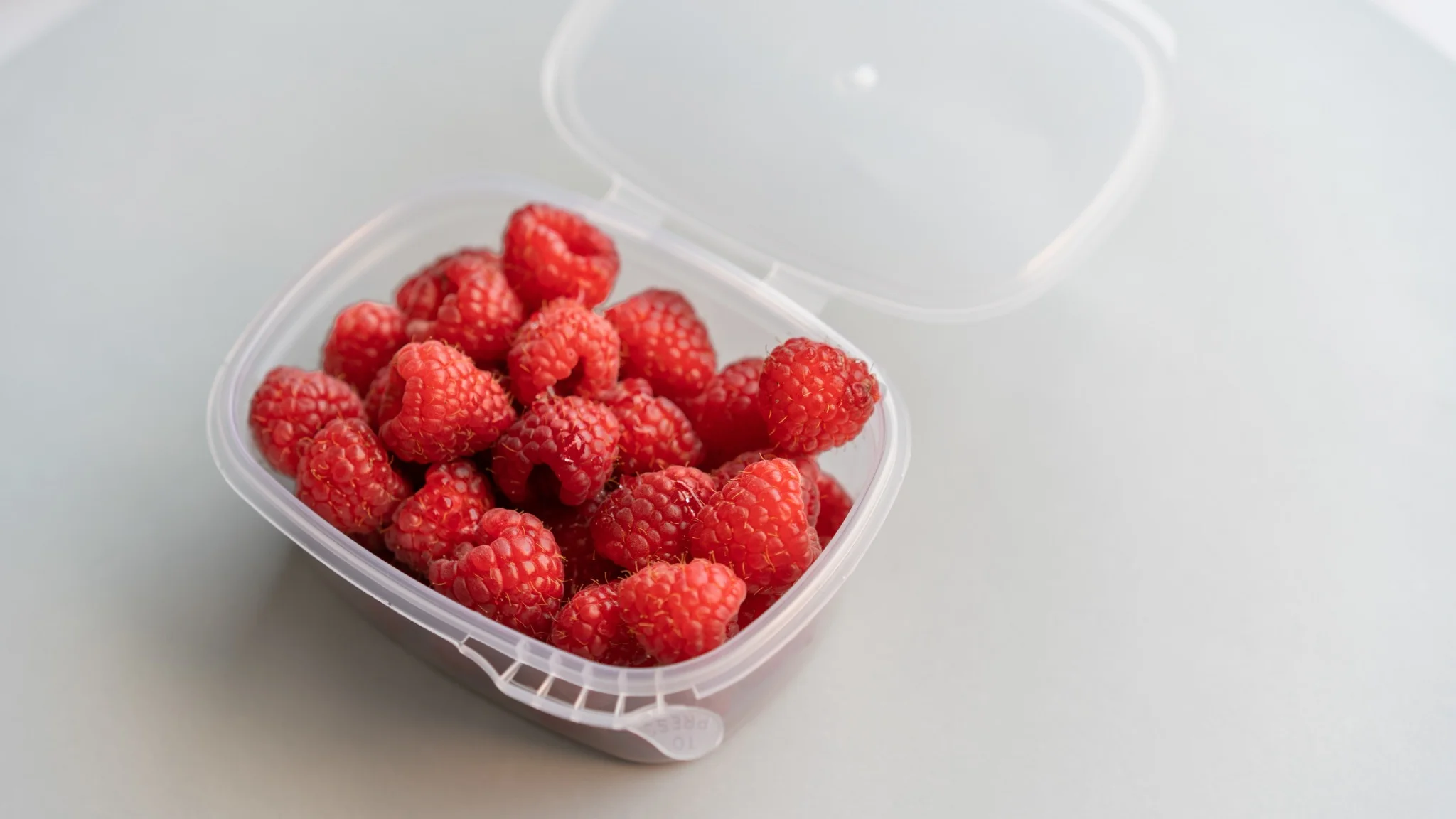
- Natural portioning (125–250 g as a standard consumption format)
- Immediate usability (ready-to-eat, no preparation)
- Strong health perception (antioxidants, vitamins, lightness)
- Compatibility with yogurt, high-protein and plant-based products
- Adaptability to different targets (young consumers, seniors, singles, households without children)
“Snackification” no longer calls for indulgent products meant for occasional treats, but foods that justify frequent consumption. In this sense, blueberries, raspberries, blackberries and currants respond better than many other fresh produce categories.
New targets, new occasions: why demand is expanding
One of the most relevant aspects of the YouGov study concerns the evolution of consumer targets. Strong growth is seen among:
- singles and two-person households
- over-55 consumers
- households without children
These are households with different spending patterns, less tied to traditional meals and more oriented toward flexible, repeatable and customizable solutions.
For the berries sector, this leads to a very clear conclusion: it is no longer sufficient to think only in terms of seasonality or “after-meal” consumption. The product now plays a role as:
- an energy break
- a wellbeing support
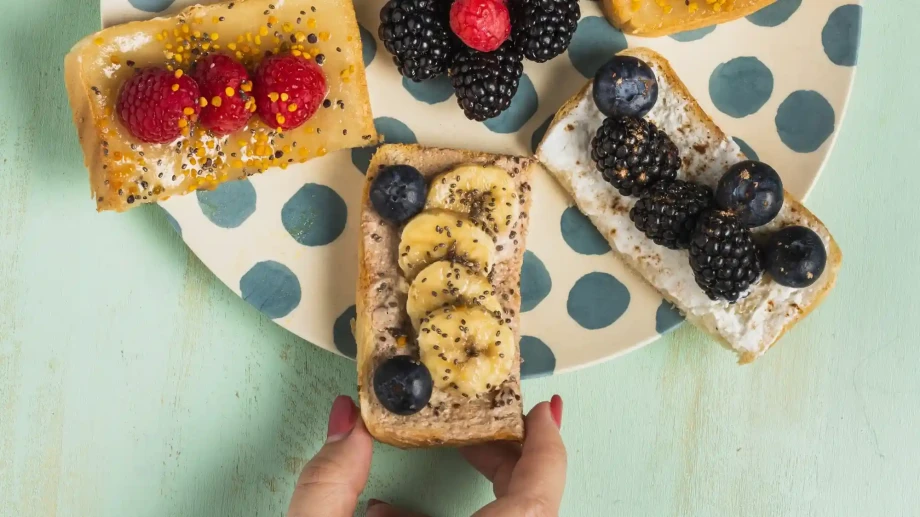
- a functional ingredient (yogurt, bowls, smoothies)
- a “clean” alternative to ultra-processed snacks
Emerging channels: where the snacking game is played
The research highlights a structural growth of Discount, Drugstore and Online channels, which are becoming increasingly relevant for snack purchases.
Added to this is the non-marginal role of vending machines, used by almost 27 million consumers in Italy, with significant penetration levels.
For berries, this opens up new but complex scenarios:
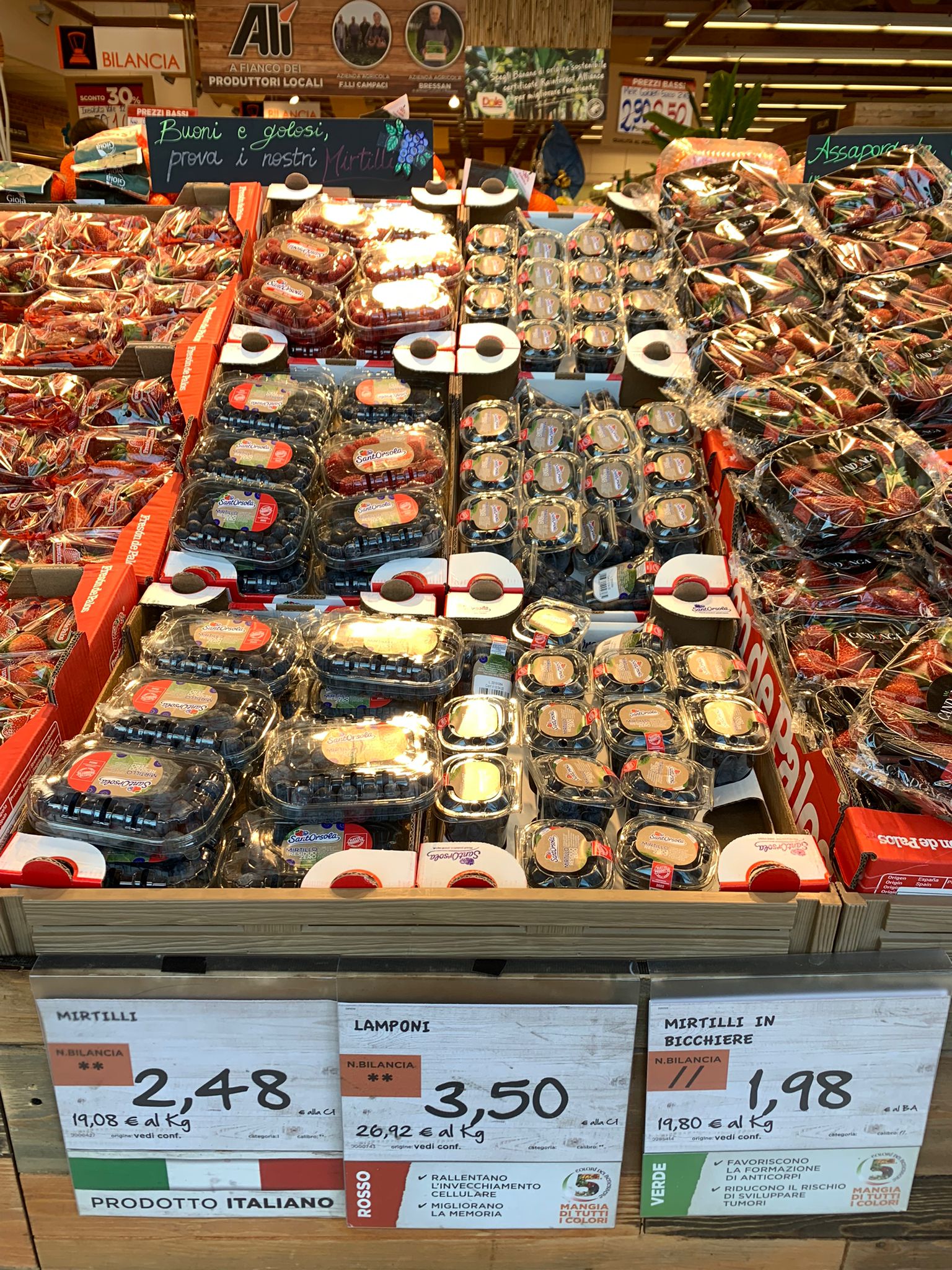
- more resistant and standardized packaging
- consistent shelf-life and quality
- “grab & go” formats
- pricing aligned with impulse purchases
- clear and immediate storytelling
The challenge is not only productive, but system-wide, involving breeders, growers, packers and retailers.
From production to positioning: a strategic challenge for the supply chain
“Snackification” represents a real opportunity only if the berries sector is able to read the change ahead of the final consumer. Being present is not enough: it is necessary to position correctly.
This means working on:
- varieties with greater firmness and uniformity
- reliable quality standards over time
- clear segmentation (standard, premium, functional)
- communication consistent with wellbeing, protein and plant-based trends
The berry is no longer just an agricultural product: it is a consumption format, embedded in a daily routine that represents millions of shopping carts every week.
Conclusion: the fourth meal is already here
The YouGov research leaves no room for interpretation: snacking has become a structural moment in Italian eating habits.
For the berries segment, this represents one of the greatest strategic opportunities of recent years.
Those who manage to adapt production, assortments and storytelling to this new grammar of consumption will be able to capture a growing, cross-cutting and increasingly less seasonal demand. Others risk remaining anchored to a model the consumer has already left behind.