








In the blueberry market, quality is no longer just a distinguishing feature: it is becoming the main factor through which value, positioning and margins are defined. In this context, building the premium segment is not the result of a simple commercial operation, but of a complex process involving the entire supply chain, from breeding through to the retail shelf.
Sekoya premium blueberries: opportunities for growers and consumers
Date and time: April 22, 2026 · 10:20-10:40
Location: Berry Area, Macfrut
Participants: Marius Sponholz (Sekoya), Carlo Lingua (RK Growers), Erminio Colombini (SanLucar)
Moderator: Thomas Drahorad (Italian Berry)
These topics will be at the centre of the meeting scheduled at the Berry Area at Macfrut on April 22, 2026 from 10:20 to 10:40, entitled “Sekoya premium blueberries: opportunities for growers and consumers”. The discussion will feature Marius Sponholz (Sekoya), Carlo Lingua (RK Growers) and Erminio Colombini (SanLucar), moderated by Thomas Drahorad (Italian Berry).
Breeding and marketing move forward together
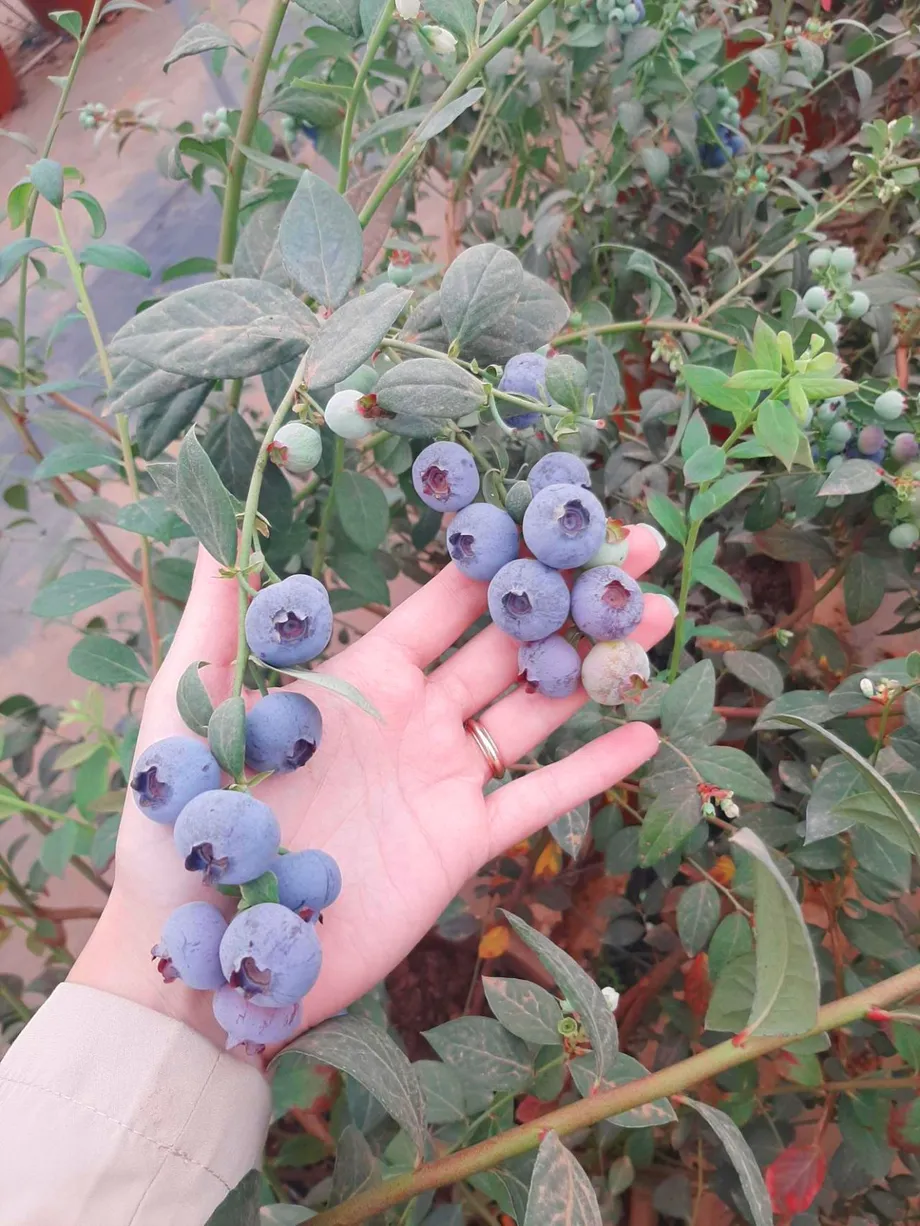
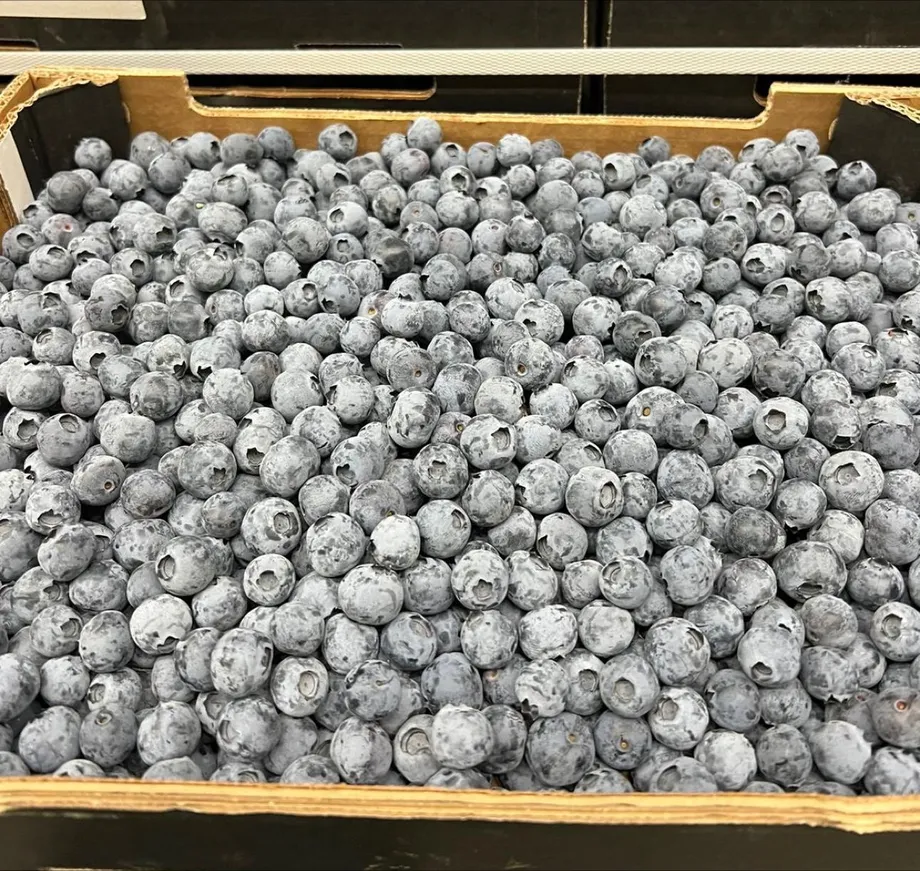
In recent years, varietal improvement has accelerated significantly. Breeders are introducing increasingly high-performing varieties that are better able to meet both the production needs of farms and the expectations of consumers. Larger size, more intense flavour, better texture, greater crunchiness, more attractive colour and well-preserved bloom are just some of the attributes that are now helping to raise the overall quality profile of the category.
At the same time, marketing is working on an equally crucial step: defining what “premium” really means in the case of blueberries. It is not simply a matter of selecting better fruit, but of building a segment that is recognisable, consistent and marketable. In other words, premium is not an abstract quality: it is a set of specific characteristics that must be identified, developed, communicated and ultimately made understandable to the consumer.
How the premium segment is built
The process of creating the premium segment develops along several key lines: defining the product’s distinctive characteristics, varietal development, market segmentation and the construction of a credible and sustainable premium offering. None of these steps can be tackled in isolation.
The premium segment is in fact created through the interaction among the different players in the supply chain: breeders, growers, marketers and retailers. Each brings specific needs and their own view of value. The breeder focuses on genetics and varietal performance; the grower on yield, crop management and economic sustainability; the marketer on differentiation and building a product identity; the retailer on the clarity of the offer, product turnover and end-consumer satisfaction.
A supply chain to align
The direction of this process therefore depends on a complex balance. Building a premium segment means finding a compromise among different interests, but also clarifying who really drives the choices. The relative weight of the different players in the supply chain shapes the priorities: there are markets where the retailer leads the definition of premium, others where the brand plays a decisive role, and still others where the breeder influences the evolution of the category through new varieties and new quality standards.
It is precisely on this ground that the discussion scheduled at the Berry Area takes on particular importance. The meeting dedicated to Sekoya premium blueberries will provide an opportunity to explore the specific contribution that the various supply chain players can make in order to achieve a shared goal: growing a premium segment capable of creating value for both growers and consumers.
The contribution of the different players
For breeders, the challenge is to develop varieties that combine commercial appeal with production reliability. For growers, it means correctly interpreting the genetic potential and ensuring consistent quality standards. For marketers and retailers, the task is to translate these qualities into a clear, differentiated and profitable proposition, capable of justifying a higher positioning and being understood by the consumer.
When the standard rises, premium changes
There is, however, another element that makes the issue even more relevant. By progressively raising the average quality of the category, breeding is raising the bar for the market as a whole. This means that some characteristics currently considered distinctive of premium could tomorrow become the minimum expected standard. The implication is significant: the gap between the standard and premium segments risks narrowing, making a continuous redefinition of differentiation criteria necessary.
For marketers and retailers, this shift raises major strategic questions. How can premium remain visible and credible if the overall average quality of the category continues to improve? Which elements will need to be included in the new definition of the upper segment? It will probably no longer be enough to focus only on flavour, appearance and texture. Increasing importance will also be given to consistency of the eating experience, varietal recognisability, packaging, sustainability and the brand’s ability to convey trust and value.
Case histories as a benchmark
The most successful case histories in the development of the premium segment, whether linked to specific markets, retailers or brands, share several common features: a clearly defined proposition, a supply chain aligned around shared objectives, rigorous quality standards, continuity of supply and communication capable of making the added value visible. Premium works when it is not only claimed, but recognised and confirmed through the purchasing and consumption experience.
A strategic discussion for the future of the category
The meeting on April 22 at the Berry Area therefore fits into a crucial debate on the future of the category. Premium blueberries are not simply a higher price tier, but an open field where genetic innovation, marketing strategies, commercial positioning and consumer expectations all converge. Understanding how to manage this process will be decisive in supporting the category’s growth in the years ahead.