








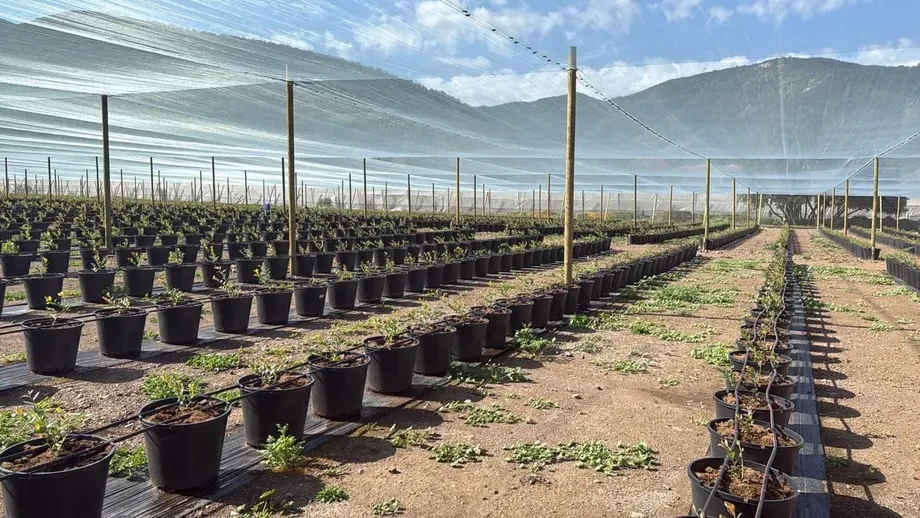
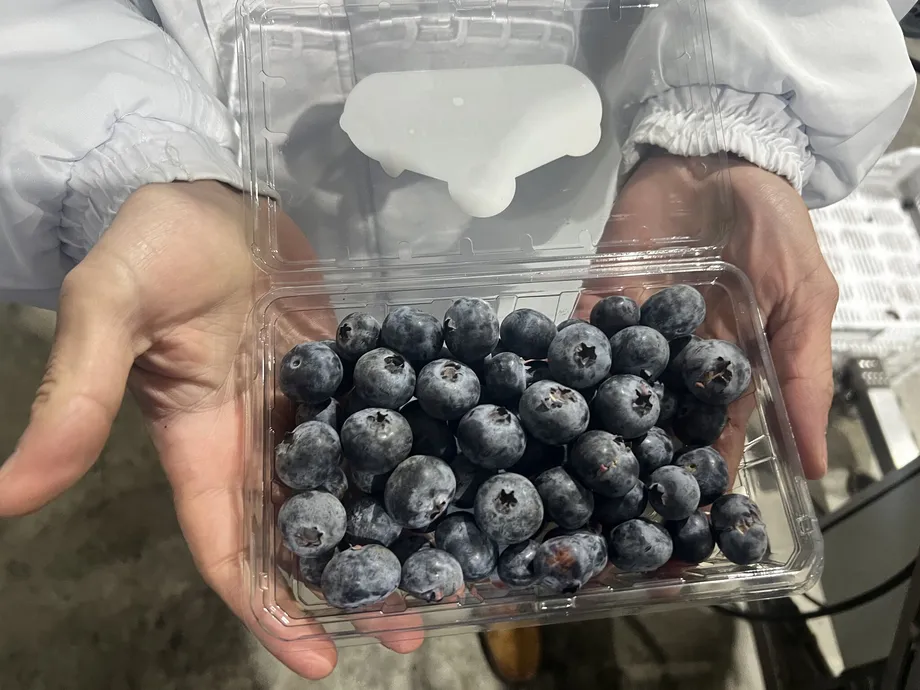
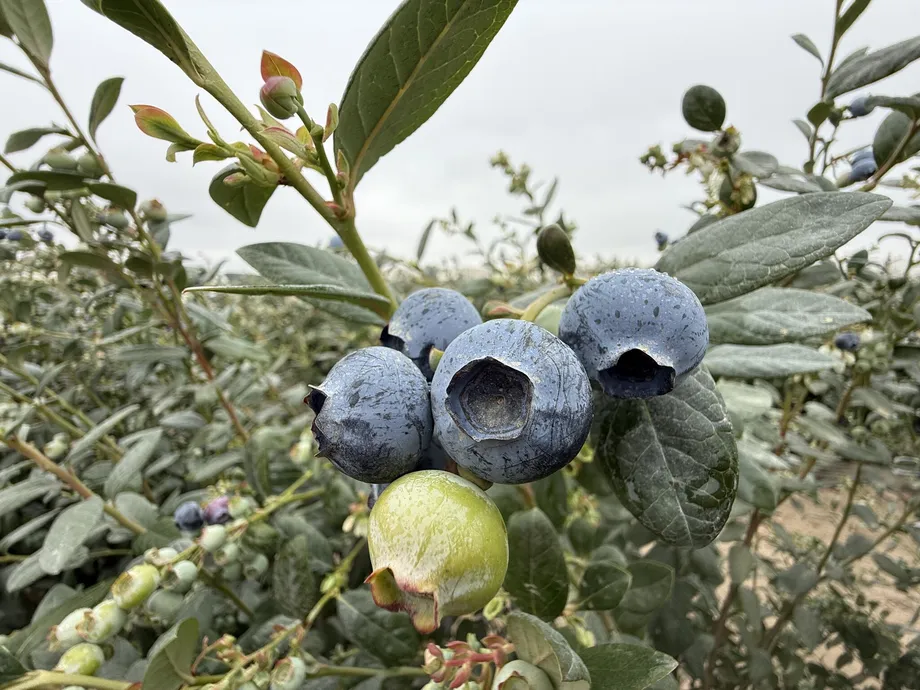
The global blueberry market is becoming increasingly demanding. To compete in high-value markets, growers must deliver fruit that is fresh, firm, flavorful, attractively colored, and with the characteristic bloom intact. But what are the decisive factors in achieving these quality standards?
We discussed this with Sebastián Ochoa, General Manager of CASM Blueberries, Agricultural Engineer and Master in Agricultural Technologies. In this interview, we analyze the most common mistakes, investment strategies, and improvement plans for European growers.
What are the three most common agronomic mistakes currently limiting yield and quality in new blueberry plantings in Mediterranean Europe?
The three main mistakes I frequently observe are poor irrigation and fertilization management, incorrect pruning, and weaknesses in phytosanitary management.
As for nutrition, in modern plantings – especially soilless systems – it must be managed through continuous fertigation. If parameters such as pH or electrical conductivity (EC) are wrong, there is a risk of osmotic stress or nutrient deficiencies.
We need to carefully balance elements such as Phosphorus, which is vital for root expansion, and Calcium, which is essential for cell wall stability and fruit firmness in postharvest.
From a phytosanitary perspective, fungal diseases such as Botrytis cinerea and pests such as Drosophila suzukii (which attacks ripening, sugar-rich fruit) can seriously damage commercial quality and yield.
A continuous and accurate control plan is required.
When you assess a blueberry project in a new growing area, which parameters do you consider decisive in estimating its real profitability, beyond yield alone?
It is not enough to look at volumes. The decisive factors are: harvest timing in combination with the selected varieties, climate, water availability and quality, and finally logistics. Climate has a strong impact: rain during harvest or extremely high temperatures directly affect fruit quality.
As for water, its physicochemical composition is crucial. We must assess total salinity levels, soil infiltration problems, and toxicity caused by specific ions such as chlorides, sodium, and boron, all of which can limit nutrient uptake.
Logistics, finally, leaves no room for error: transport from the field to the packing facility must be carried out with vehicles equipped with good suspension systems to avoid impacts that would damage the fruit.
You often emphasize the link between agronomic management and varietal choice: which combinations of “variety + production system” do you currently consider most promising for the European market?
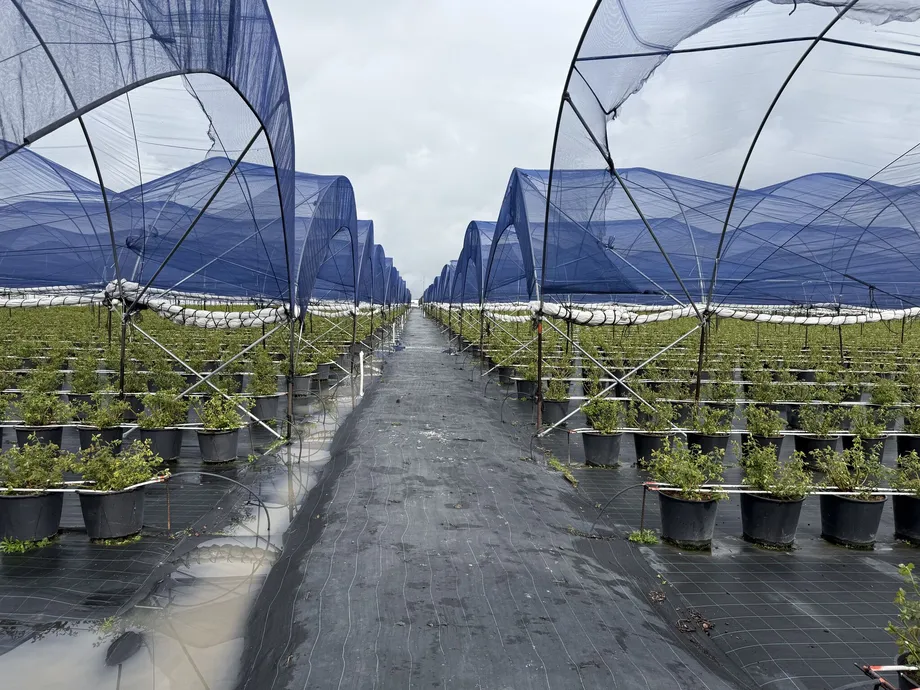
It depends greatly on the agroclimatic zones, chilling requirements (Southern Highbush or Northern Highbush), and distance from the markets. Both varietal groups perform very well both in soil (if it is of good quality) and in pots (soilless).
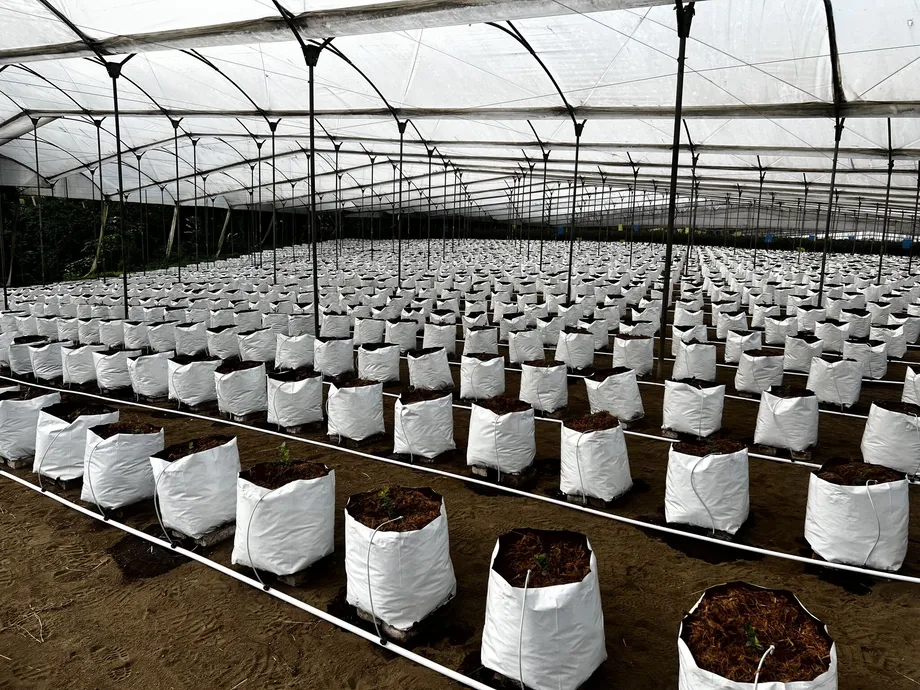
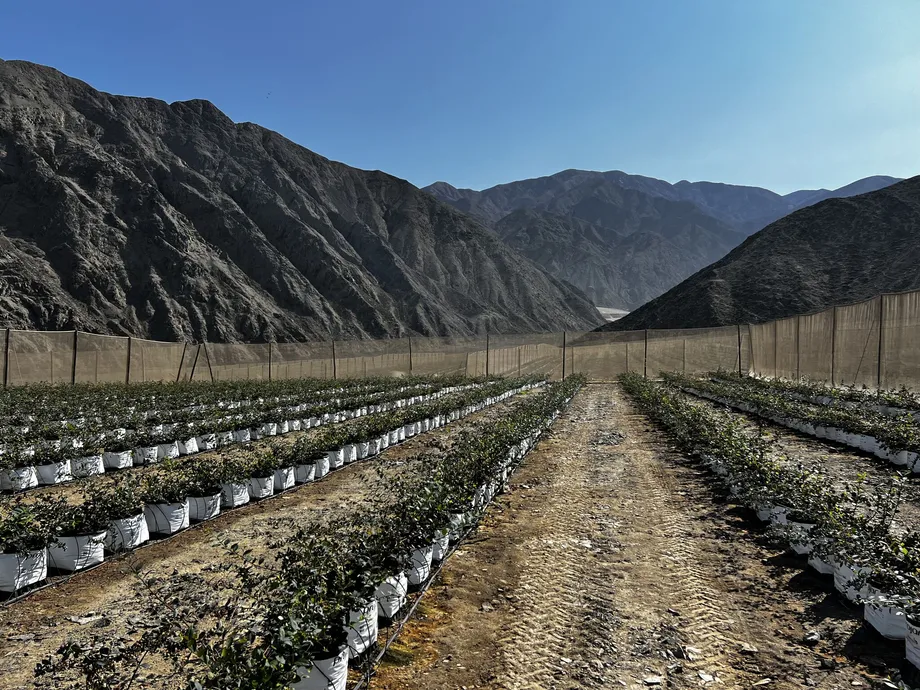
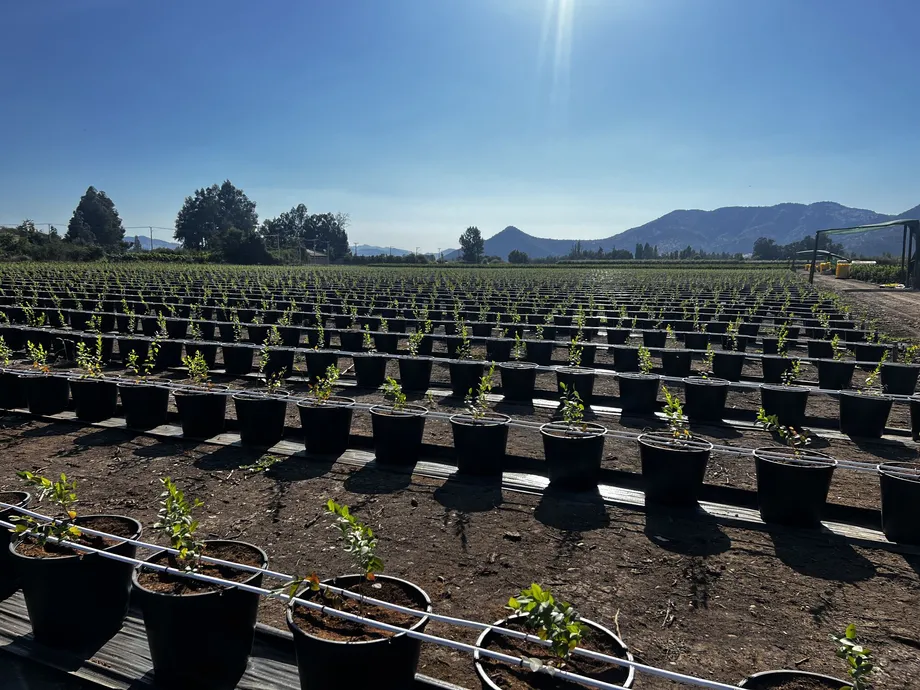
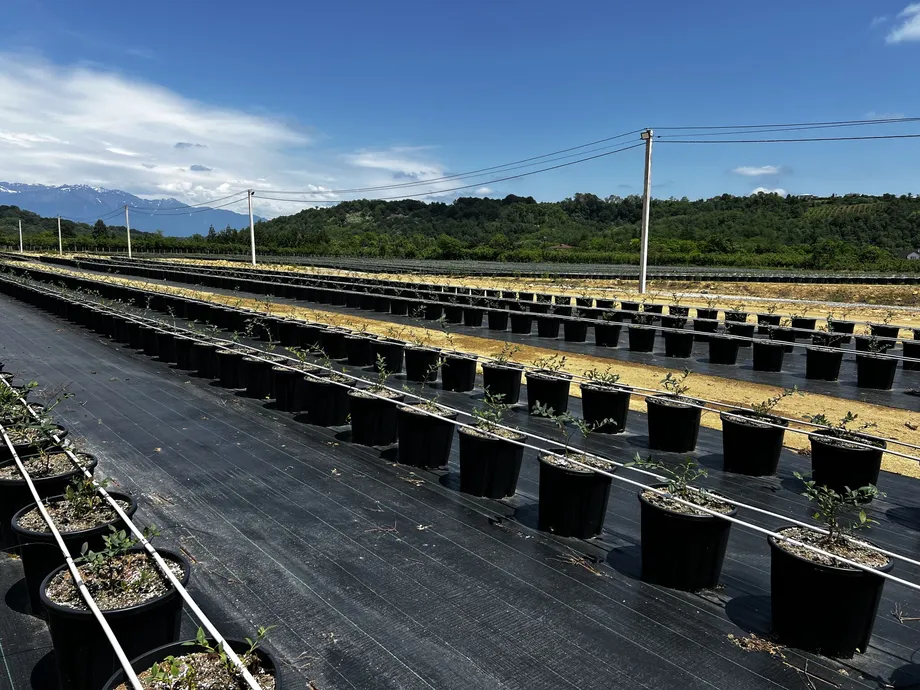
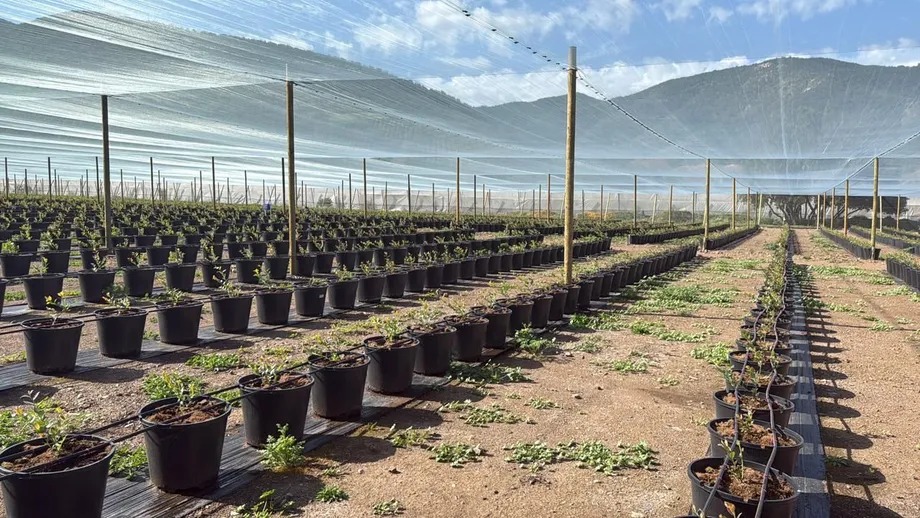
In container systems, substrate choice is crucial: suitable coconut fiber is needed to provide good water retention volume and the oxygenation required for the roots. For the Northern Highbush group, I consider the Sekoya group varieties and Duke to be excellent.
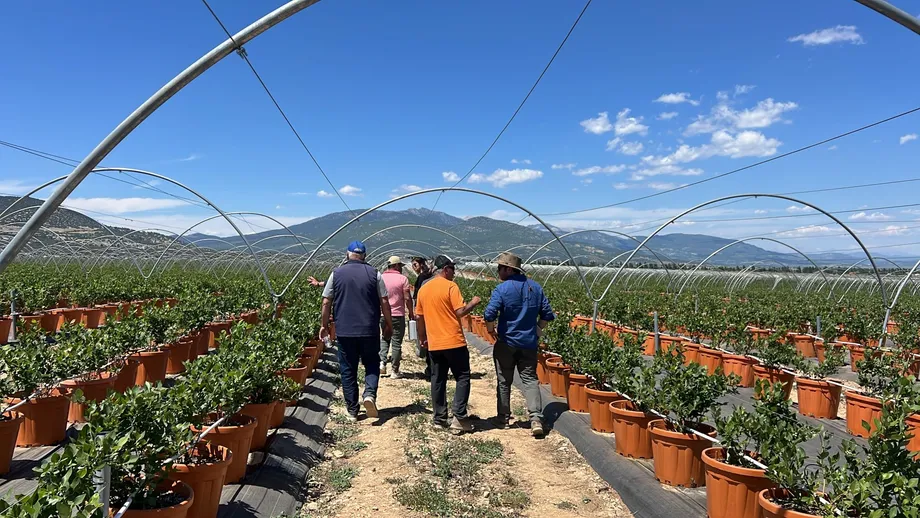
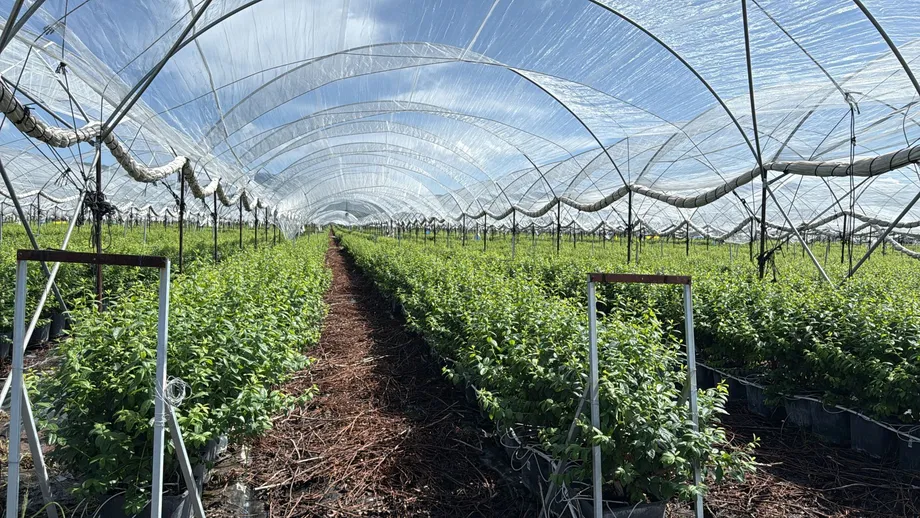
For Southern Highbush, I see the OZblu program, Sekoya Pop, and Planasa (for example the Maldiva variety, excellent for nearby markets) as promising. Depending on the climate and the harvest marketing window, Southern Highbush can also be successfully protected under tunnels.
Download the full presentation (386 pages)
What are the major producing countries (Peru, Mexico, Chile, etc.) teaching European growers today, and which practices cannot be transferred directly to Italy?
Italy has characteristics very similar to Chile: it can effectively grow both Southern and Northern Highbush varieties. China (Yunnan) and Mexico also show similarities in their climatic production systems. Morocco, on the other hand, is more similar to Peru, where only Southern Highbush at “zero chill” is grown.
China is currently learning, not teaching. The practice that cannot be transferred directly under any circumstances is pruning. It is not uncommon to see foreign consultants applying hard pruning in high-chill areas, based on techniques developed for zero-chill climates such as Peru: the result is a complete disaster.
Canopy management and pruning absolutely must be adapted to the local area and plant physiology.
If a European grower asked you today for a 24-month improvement plan, where would you start (planting system, nutrition, irrigation, pruning, harvest, or postharvest), and in what order of priority?
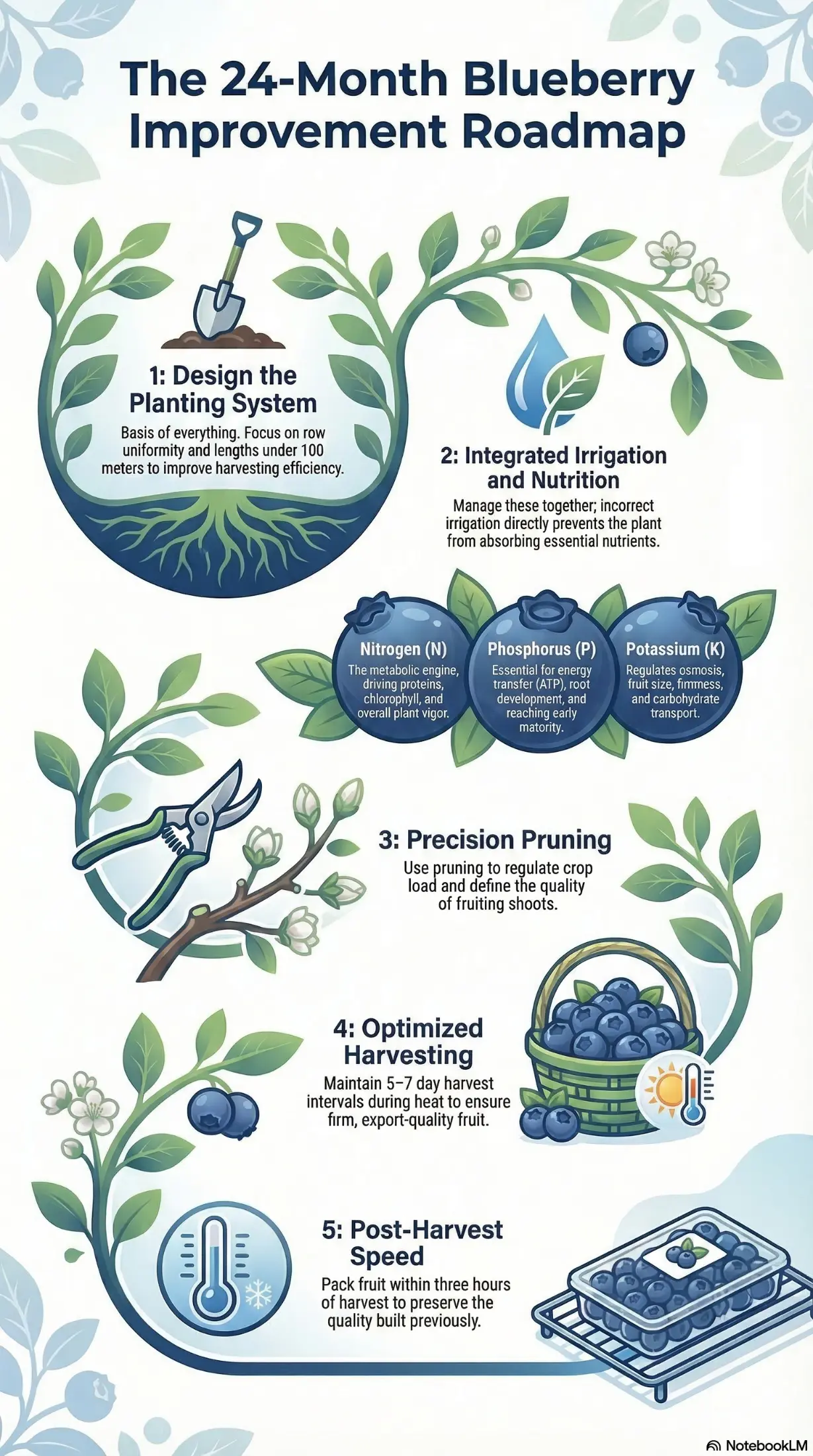
I would follow exactly this order of priority:
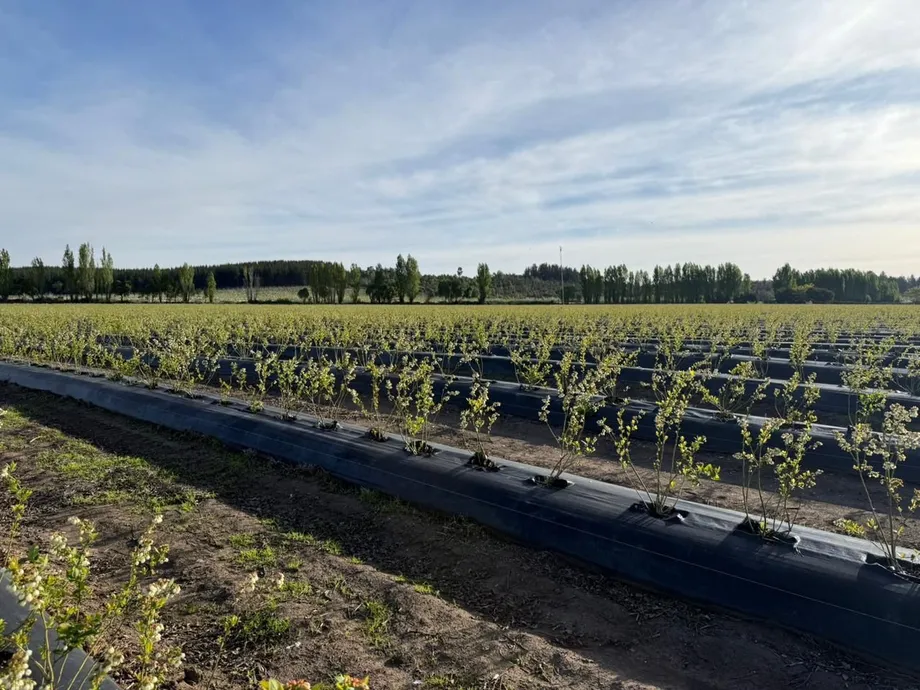
- Planting system: Proper initial design is the foundation of everything. This includes row orientation (ideally north to south for light exposure) and the selection of healthy, meristem-origin plants with more than 80% of their roots inside the container.
- Irrigation/Nutrition combination: These two practices go hand in hand. If I irrigate incorrectly, I directly alter nutrition. There is no benefit in supplying excellent nutrients if water is managed poorly. The use of drip systems for efficiency and the monitoring of evapotranspiration (ET0) and crop coefficients (Kc) are mandatory.
- Pruning: By regulating the crop load through pruning, I can define shoot quality and their position on the plant. This directly affects future fruit quality and its postharvest performance.
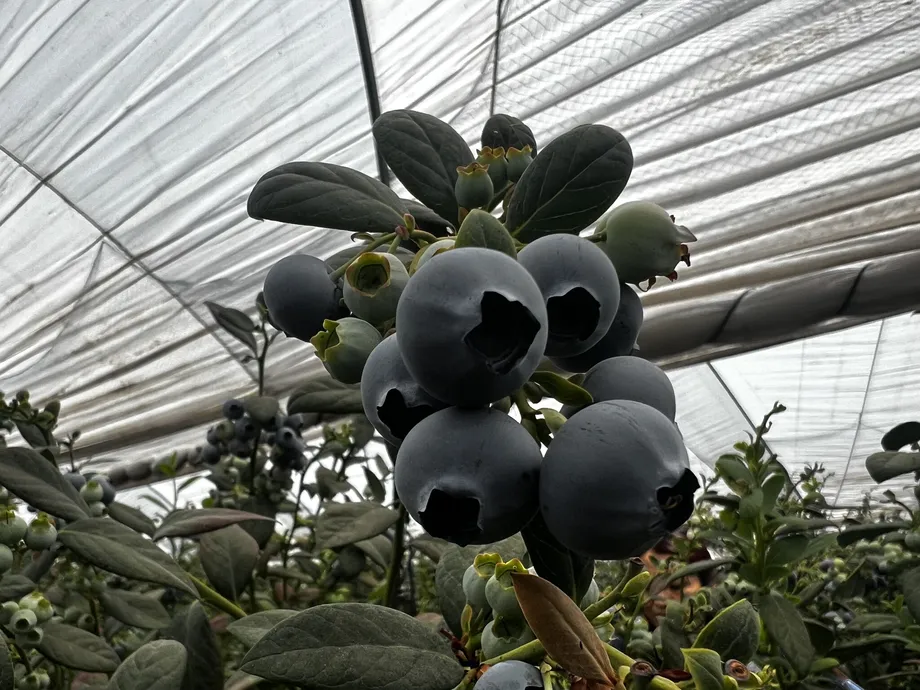
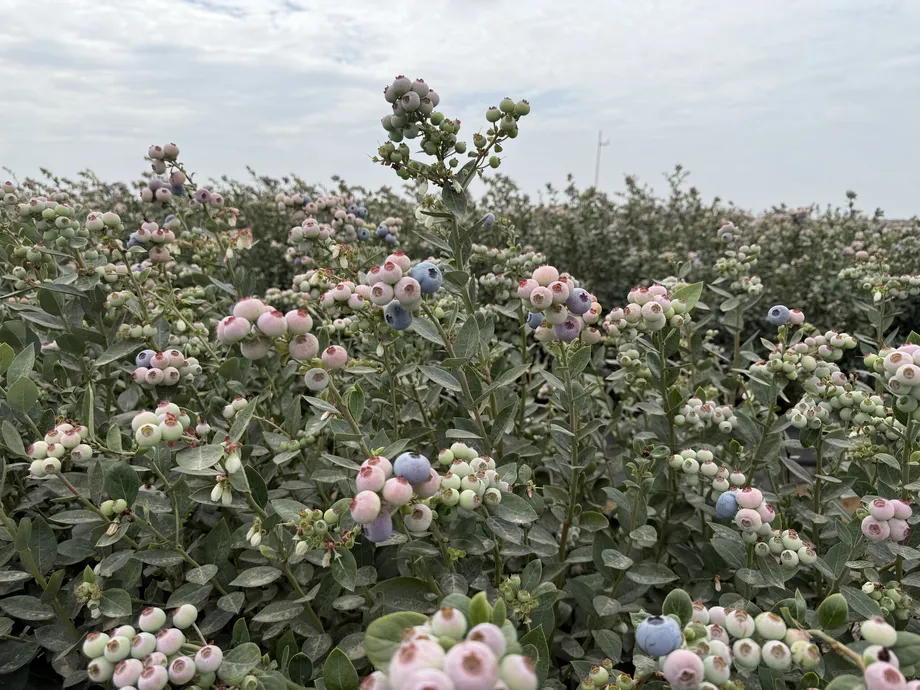
- Harvest: We will only achieve results by harvesting at the optimal stage. Pickers must not throw fruit into the containers and, especially with temperatures above 25–27°C, the picking interval should not exceed 5–7 days.
- Postharvest: Even though it comes last, it is just as important as everything else. If we make mistakes here, we destroy all the work built over the previous months. Maintaining the cold chain is the single most important factor: blueberries must be cooled as quickly as possible, no more than 3 hours after being picked from the plant.
Photos: CASM