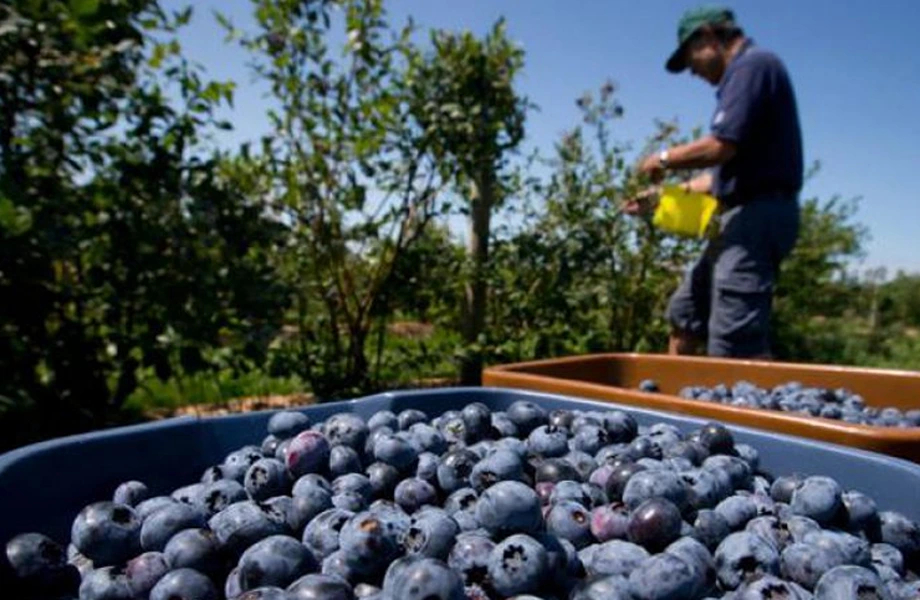









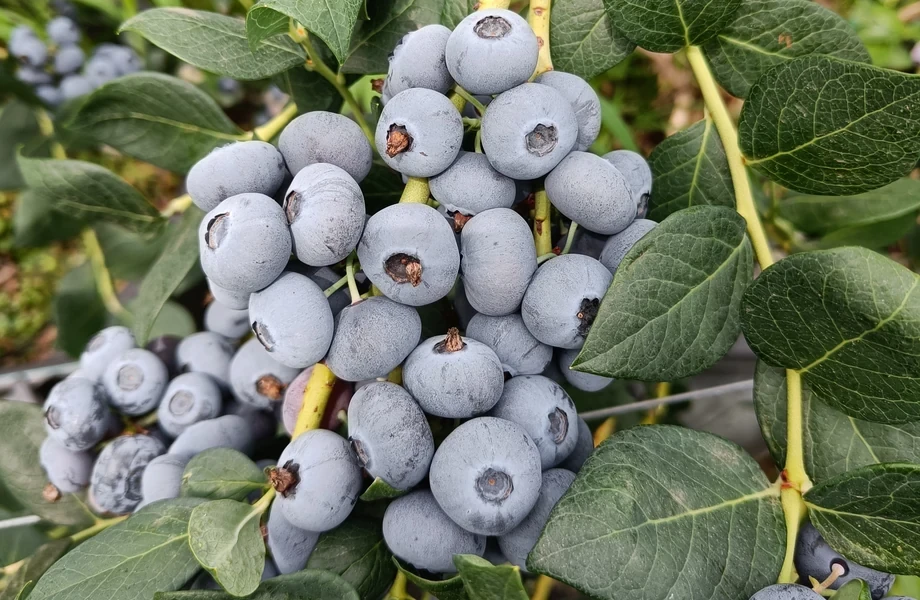
The choice of variety is becoming increasingly central to the future of the blueberry. In a context marked by climate change, new phytosanitary pressures and markets increasingly focused on quality, identifying cultivars capable of ensuring adaptability, yields and suitable commercial characteristics is becoming a priority for the entire supply chain.
This topic will be the focus of the technical day on new blueberry and cherry varieties, scheduled for Tuesday 23 June at 3:00 p.m. at the main headquarters of the Laimburg Research Centre in Vadena, in the province of Bolzano.
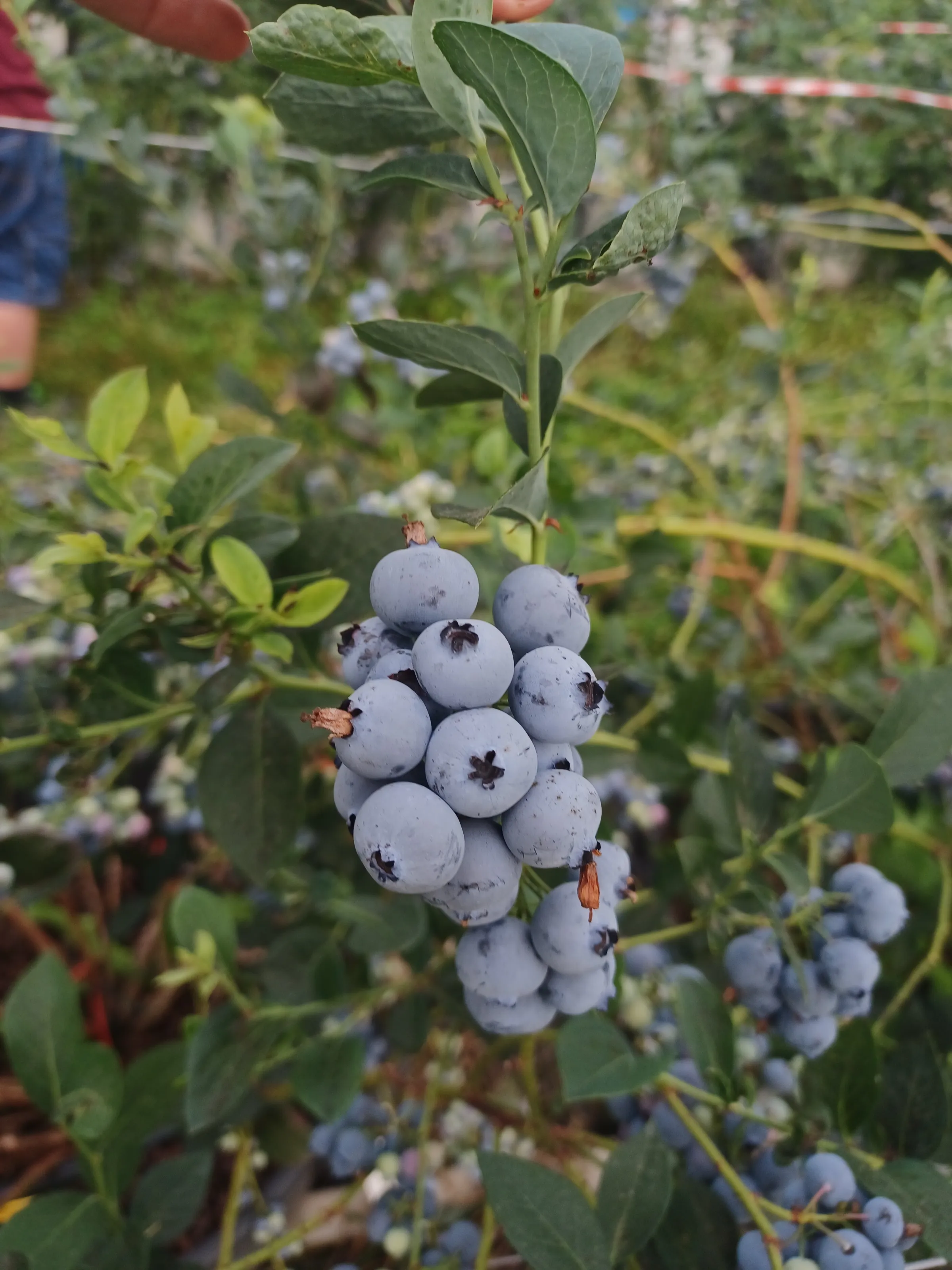
Almost 50 blueberry varieties in the field
The meeting, mainly aimed at technicians, cooperatives and nurseries but open to anyone interested, will include an initial introductory session in the Aula Magna followed by a visit to the experimental fields.
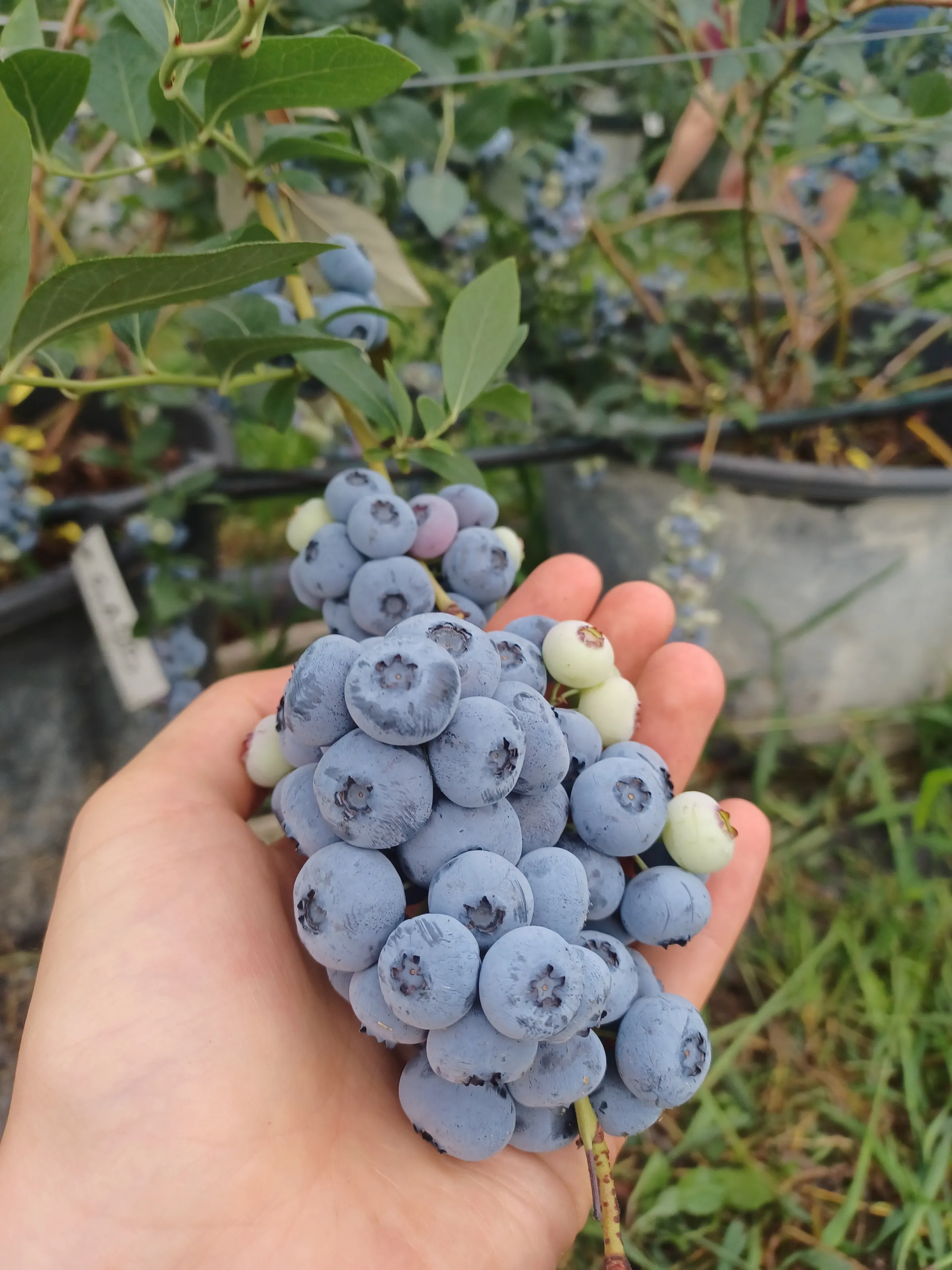
For blueberries, participants will be able to directly observe almost fifty varieties from major international breeding programmes, including Fall Creek, Michigan State University and NC State University.
The trial site offers a particularly useful context for evaluating the response of cultivars to challenging climatic conditions: warm autumns, harsh and dry winters and scorching summers. These characteristics make the planting an open-air laboratory for measuring varietal resilience and the agronomic potential of new selections.
Quality, yields and climate adaptation
The experimental planting, established in 2022 and continuously updated, aims to characterise the varieties in terms of earliness of production, yields and fruit quality.
The technical day will therefore offer a concrete opportunity to connect varietal innovation with the operational needs of farms: from agronomic management to production continuity, through to the ability to respond to the demands of an increasingly selective market.
Focus also on Monilinia and Drosophila suzukii
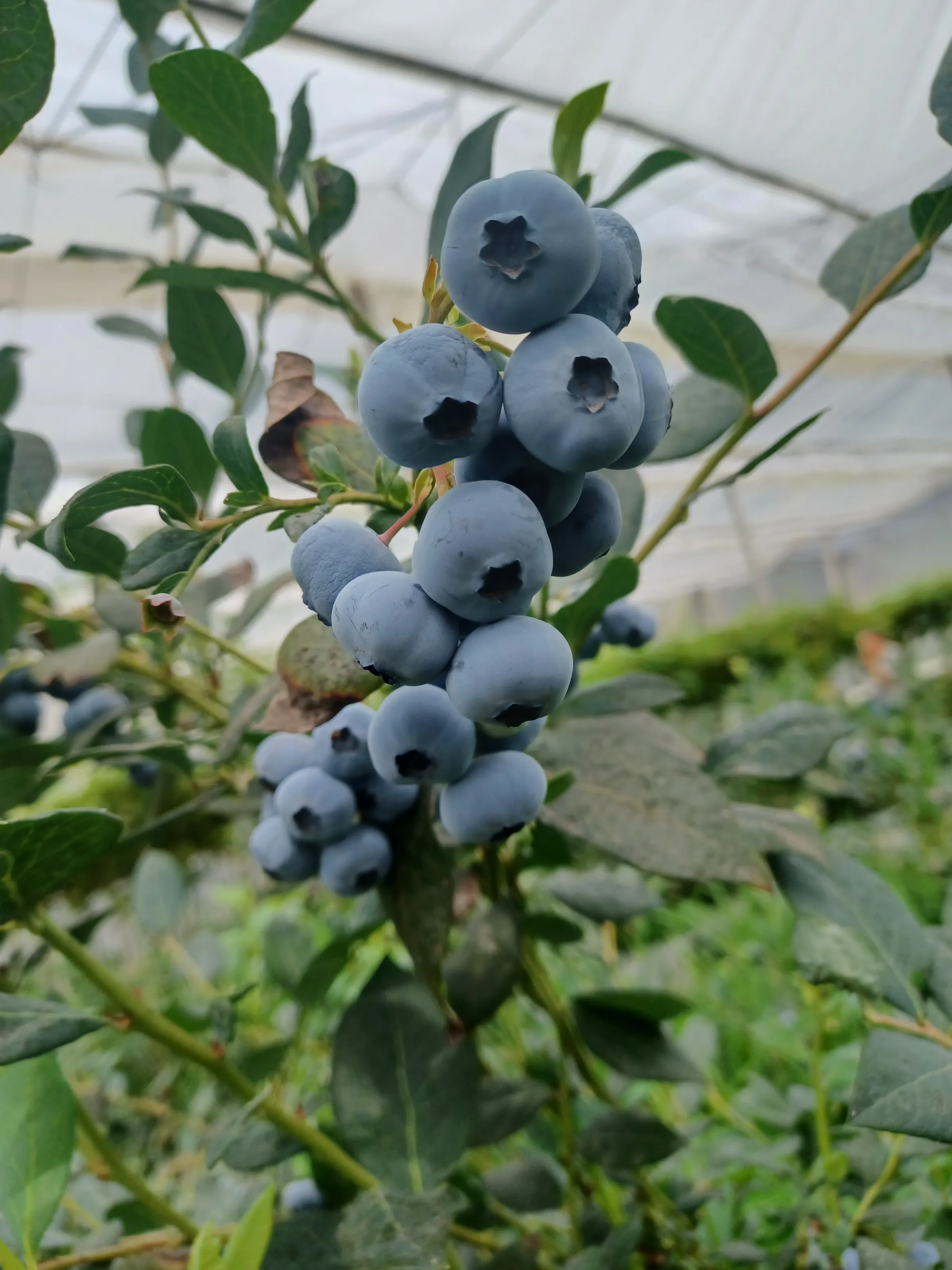
Before the field visit, the meeting will include a technical insight into the new species of Monilinia found in South Tyrol (M. fructigena, M. laxa, M. polystroma and M. fructicola) and into control strategies for Drosophila suzukii, a key insect pest for many fruit crops and for the soft fruit sector.
The presentation will be given by Urban Spitaler of the Laimburg Research Centre.
Programme and registration
Welcome and registration are scheduled for 2:30 p.m. At 3:00 p.m., the welcome greetings and introduction will take place, followed at 3:15 p.m. by the presentation on Monilinia and Drosophila suzukii. At 3:40 p.m., participants will be divided into groups, with visits in Italian or German, and transferred to the experimental fields.
The visit will begin at 3:50 p.m. and will be led by Victor Mari-Almirall, Giacomo Gatti, Irene Perli and Massimo Zago of the Laimburg Research Centre. The event will conclude with refreshments at 6:30 p.m.
The event will also take place in case of bad weather. Presentations will be held in the speakers’ native languages — German, English or Italian — without simultaneous translation.
Registration is mandatory but free of charge, and can be completed through this link.
For the blueberry sector, the event represents an important opportunity for discussion: new varieties are not only a genetic lever, but also a strategic tool for building more resilient, efficient and quality-oriented production systems.