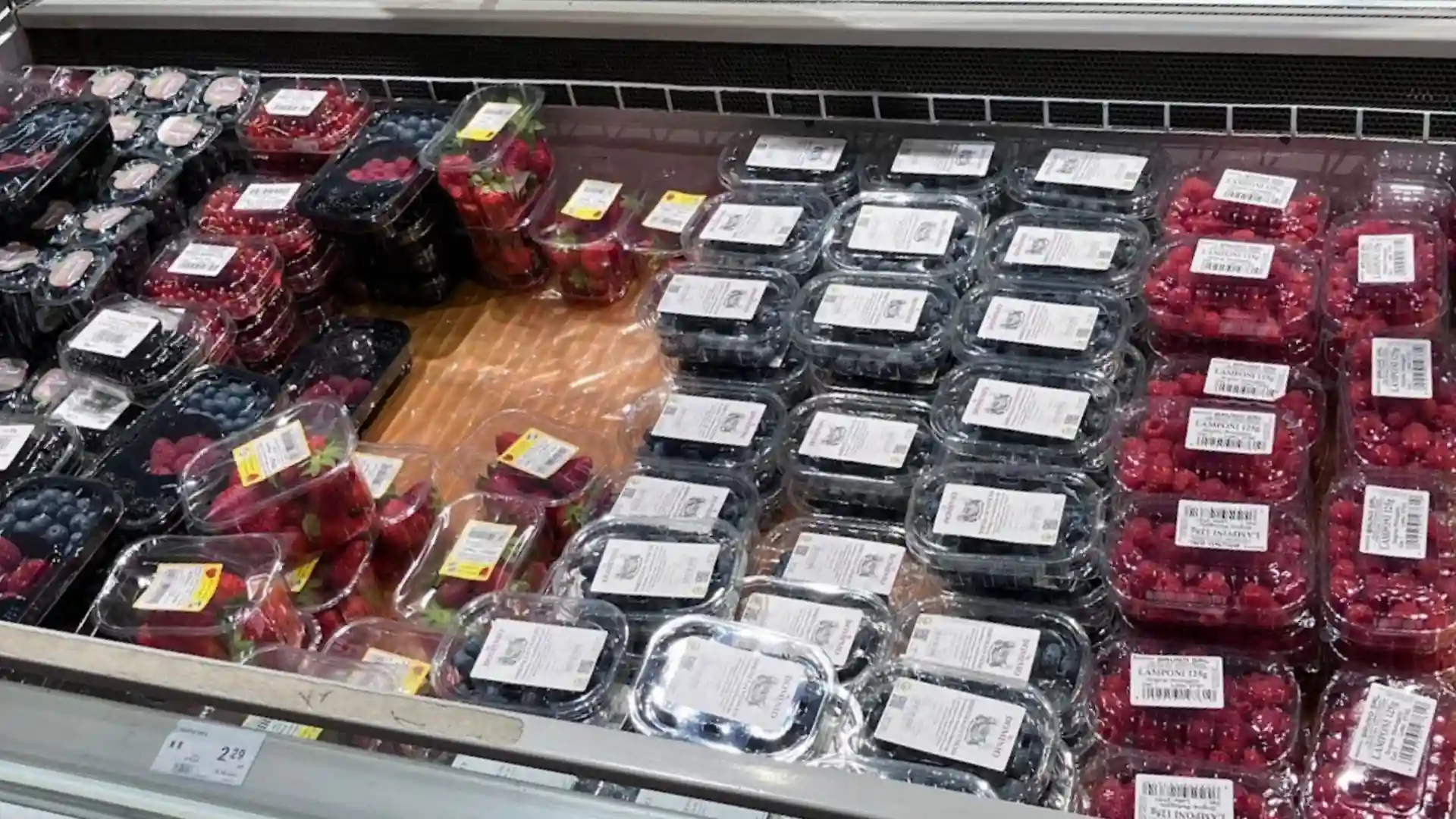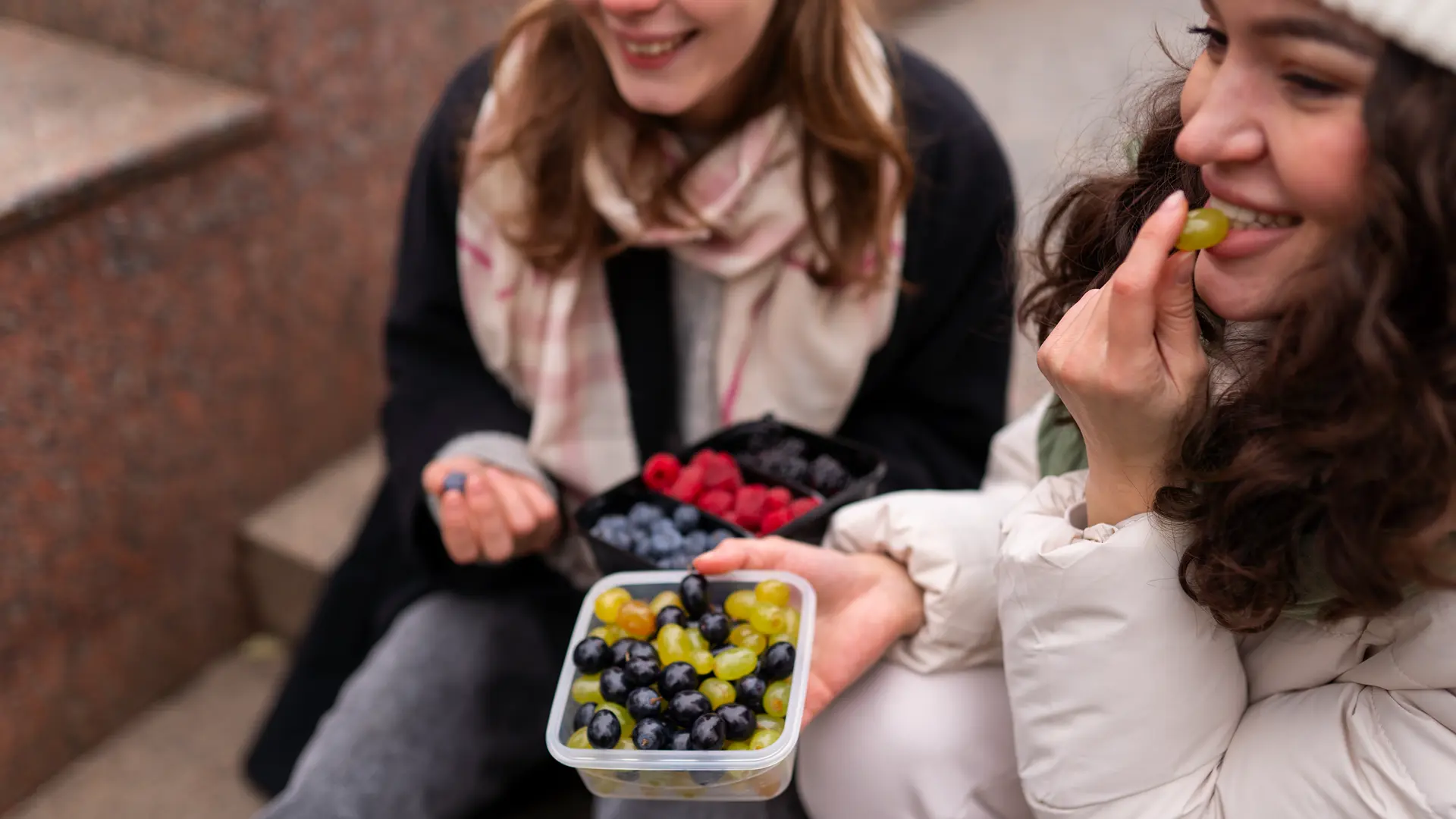








From chromatography to metabolomic analyses, scientific research is reshaping the way we look at berries. Blueberries, raspberries, and currants are no longer considered just healthy foods, but complex matrices in which dozens of phenolic compounds interact with each other. It is precisely this molecular architecture, more than any single nutrient, that explains the growing interest of the scientific community and the agri-food sector in these products.
Blueberry: chemical identity and nutritional value
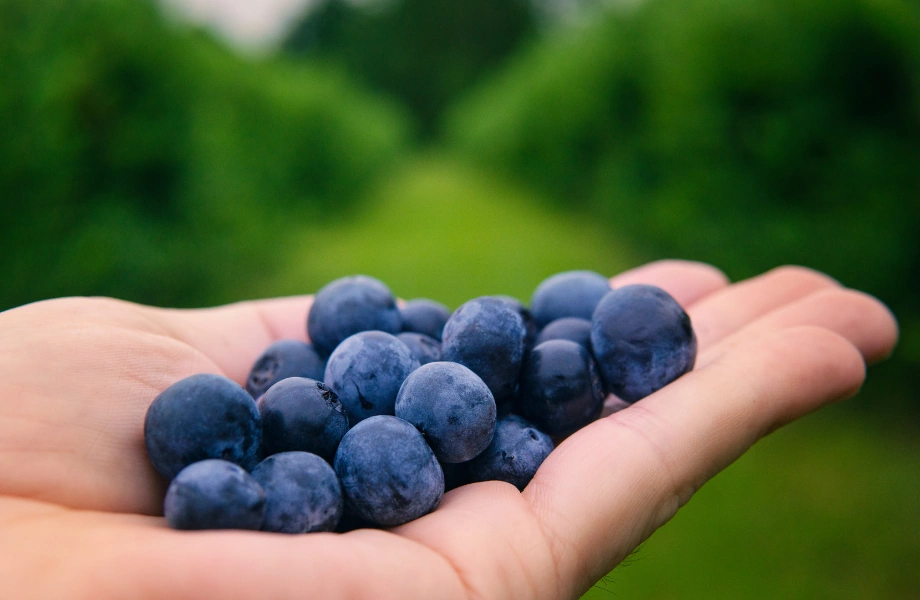
Among the key players in this segment, the blueberry stands out for its remarkable richness in antioxidants. Analyses have identified 18 different phenolic compounds, with a strong presence of anthocyanins, responsible for the typical blue and purple hues. Among these, delphinidin, malvidin and petunidin are particularly notable.
These molecules not only influence color but also represent the core of the fruit’s nutritional value. In blueberries, anthocyanins are bound to sugars such as galactose, glucose, and arabinose, creating a true chemical fingerprint that is also useful for verifying authenticity and quality. These are accompanied by flavonols such as myricetin and quercetin, also present in acetylated forms that affect their stability.
Raspberries and cranberries: distinctive antioxidant profiles
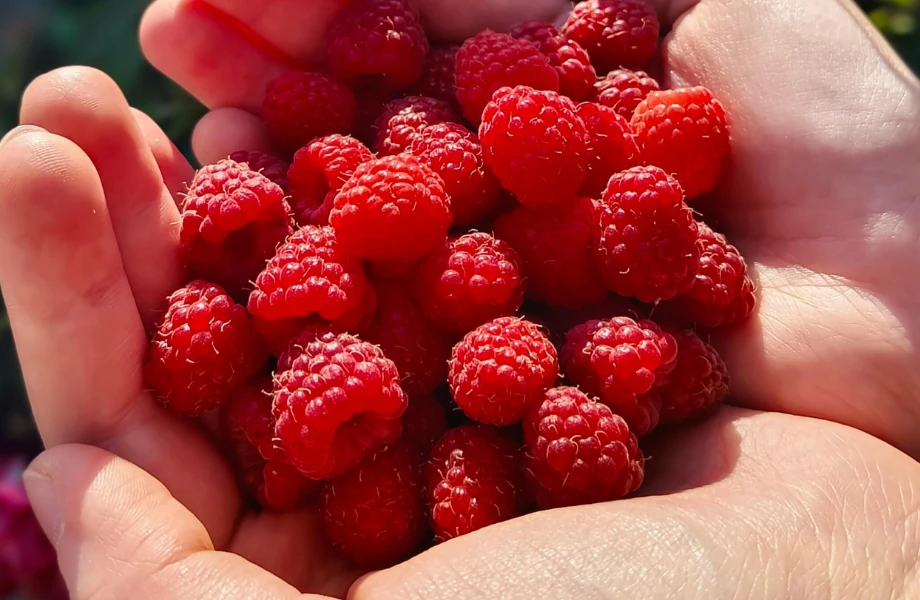
Alongside blueberries, other berries show equally interesting characteristics. The raspberry, for example, is particularly rich in ellagitannins, including lambertianin C and sanguiin H-6, key components of its antioxidant capacity.
The cranberry (American cranberry) stands out for the presence of dimeric procyanidins and peonidin derivatives, together with quercetin. A combination that makes it a product of growing interest in the field of health-oriented nutrition.
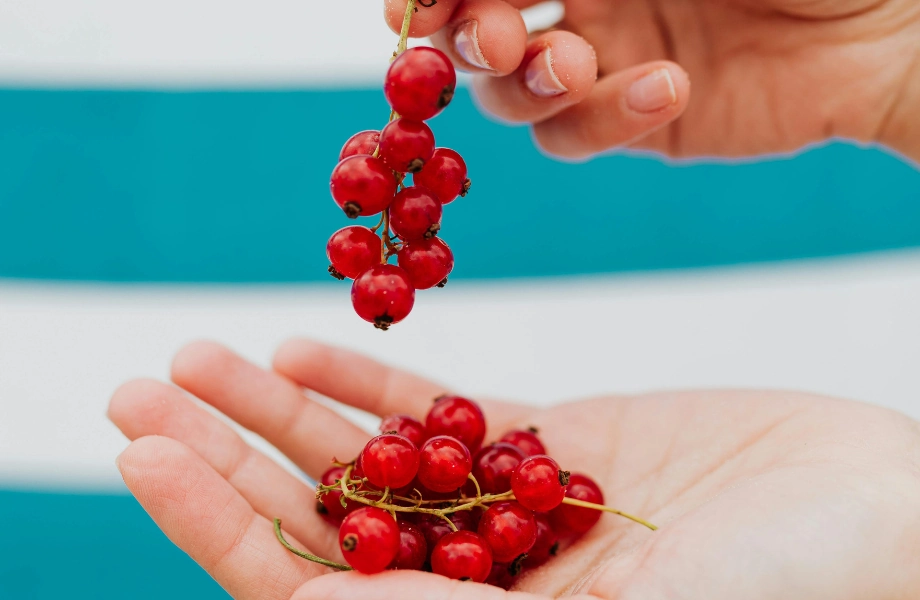
Currants also contribute significantly: black currant is among the richest sources of delphinidin and cyanidin rutinoside, while red currant shows an equally complex profile.
The strength of molecular diversity
One of the most relevant aspects emerging from the studies is the variety of compounds present across different species. There is no single dominant molecule, but rather a set of substances acting in a complementary way:
- Black currant: 18 identified compounds
- Blueberry: 18 identified compounds
- Cranberry: 18 identified compounds
- Raspberry: 15 identified compounds
- Red currant: 13 identified compounds
This diversity suggests that combining different berries in the diet may broaden the spectrum of bioactive compounds intake, including phenolic acids such as caffeic acid, flavonols, and anthocyanins.
Towards more conscious nutrition
Current knowledge allows us to consider berries as strategic components of a modern diet. The ability to identify and quantify specific molecules, such as quercetin derivatives or different forms of cyanidin, reinforces their role in a wellness-oriented nutritional approach.
In a context where prevention and diet quality are increasingly central, blueberries, raspberries, and currants confirm their leading role. Their natural richness in bioactive compounds represents a concrete response to the growing demand for foods that combine nutritional value, innovation, and enjoyment.
Source: JOUR, Identification of Flavonoid and Phenolic Antioxidants in Black Currants, Blueberries, Raspberries, Red Currants, and Cranberries. Borges, Gina, Degeneve, Alexandra, Mullen, William, Crozier, Alan, 2010/04/14, 2010, 2010/04/14, doi: 10.1021/jf902263n
Image source: