













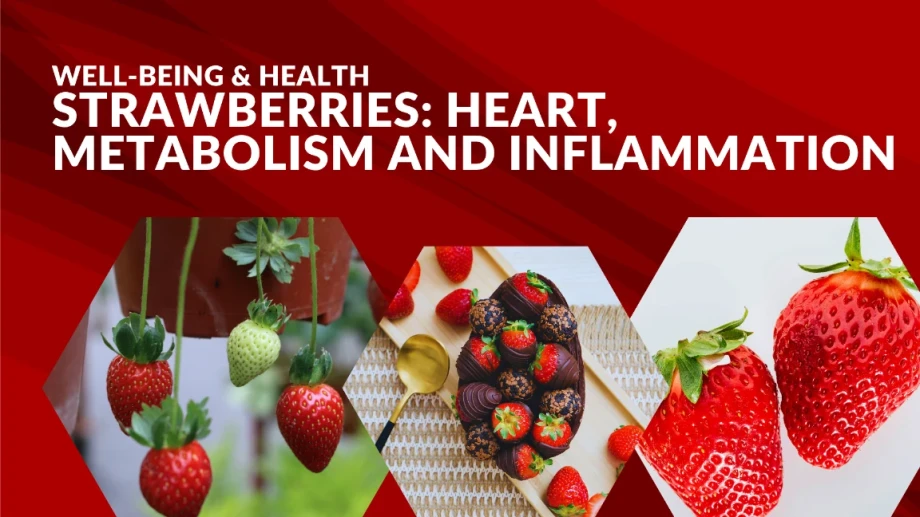
Strawberries and berries today represent one of the most interesting categories in the landscape of functional foods. Increasing scientific evidence confirms their role in supporting metabolic, cardiovascular, and inflammatory health, thanks to a unique nutritional profile highly concentrated in bioactive compounds.
In particular, strawberries stand out for their richness in polyphenols, vitamins, and antioxidants, which act synergistically, contributing to cellular protection and the regulation of various physiological processes.
Their impact goes far beyond simple nutritional intake, fitting into a broader vision of preventive nutrition and daily well-being.
Within a section dedicated to health and wellness, analyzing the value of berries therefore means interpreting these fruits not only as a commodity category, but as true nutritional allies, whose potential also depends on supply chain quality and consumption methods.

Strawberries and bioactive compounds
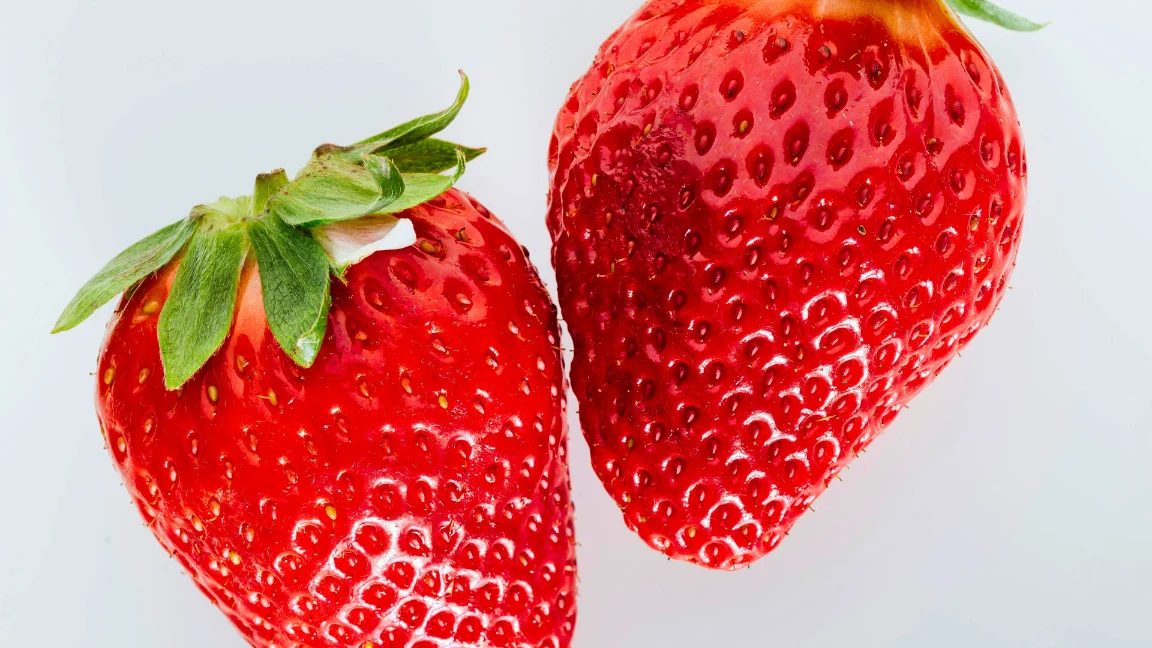
Strawberries are considered one of the main sources of polyphenols in the modern diet, ranking at the top for antioxidant capacity.
Their chemical complexity includes a variety of essential phytocompounds, including ellagic acid, anthocyanins (responsible for their vibrant color), quercetin, and catechins.
This chemical arsenal is complemented by a significant vitamin content, particularly ascorbic acid (Vitamin C) and folic acid.
Research suggests that the effectiveness of strawberries does not depend on a single component, but on the synergistic effect between nutrients and phytochemicals, which work together to protect cells from oxidative damage.
Metabolic and cardiovascular protection
Regular consumption of these berries is supported by epidemiological data showing an inverse association between strawberry intake and the incidence of hypertension.
Additionally, a correlation has been observed with reduced serum levels of C-reactive protein, a key marker of systemic inflammation.
Particularly interesting are the results of "controlled feeding studies", which have shown that strawberries can mitigate the negative effects of a high-fat diet.
Specifically, consuming these fruits helps attenuate postprandial oxidative stress, inflammation, hyperglycemia, and hyperlipidemia, especially in individuals who already present cardiovascular risk factors.
This means that incorporating strawberries into meals can act as a metabolic "shield", slowing sugar absorption and improving fat metabolism in the blood.
The science of wellness: molecular mechanisms of action
To fully understand the value of berries, it is necessary to look at what happens at the molecular level.
Mechanistic studies have identified specific biochemical pathways through which strawberries exert their protective effects:
Vascular Health: Strawberries stimulate the activity of endothelial nitric oxide synthase (eNOS), a crucial enzyme for maintaining vascular elasticity and promoting proper blood circulation.
Inflammation Control: Their components act by reducing the activity of NF-kB, a protein that functions as a "switch" for chronic inflammatory processes in the body.
Glycemic Load Management: Extracts from these fruits have been shown to inhibit enzymes responsible for carbohydrate digestion, contributing to a more gradual release of glucose into the bloodstream.

Supply chain excellence: from cultivation to storage
The health potential of strawberries and other berries is not a static value; it is significantly influenced by every stage of the agri-food supply chain.
Differences between varieties (cultivars), agricultural techniques, and storage methods can significantly alter the concentration of bioactive factors.
For example, scientific research has shown that freezing is one of the best techniques for preserving nutritional properties, ensuring maximum retention of beneficial compounds compared to treatments involving dry heat.
For industry stakeholders, this highlights the importance of processing methods that preserve fruit integrity in order to deliver a truly functional product to consumers.
Conclusion: support for present and future health
In conclusion, scientific evidence confirms that strawberries are much more than a seasonal ingredient: they are a pillar of preventive nutrition.
Although further studies are needed to precisely define the optimal dosage and duration of consumption required to specifically influence biomarkers of chronic diseases, their role is already central today.
Conscious integration of these berries into the daily diet represents an effective response to the needs of modern consumers, increasingly focused on longevity and prevention through food.
Enhancing nutritional quality throughout the supply chain is the key to transforming nature into a strategic resource for collective well-being and the functional health of the future.
Source: Basu, A., Nguyen, A., Betts, N. M., & Lyons, T. J. (2014). Strawberry As a Functional Food: An Evidence-Based Review. Critical Reviews in Food Science and Nutrition, 54(6), 790–806. https://doi.org/10.1080/10408398.2011.608174
Image source: Canva
🫐 Well-being & Health with Berries 🍓This article is part of the editorial series Wellness & Health with Berries, which brings scientific research closer to everyday life, promoting berries as allies for well-being. The series offers clear, up-to-date, and evidence-based content designed to inform consumers and support all operators in the berry supply chain. |