











The Italian blueberry market is experiencing a phase of strong interest, but also growing complexity. According to Mario Steta, President of the International Blueberry Organization (IBO), what is happening in Italy is not an isolated phenomenon, but reflects a broader transformation affecting the entire global blueberry industry.
“What Italy is observing is a reflection of what is beginning to happen around the world,” explains Steta. Blueberries are consolidating their position as a true consumption alternative, not only for consumers, but also for retailers and growers. However, the category’s potential cannot be taken for granted: it must be managed, supported and developed through a coherent strategy.
According to the IBO President, the sector is facing a double opportunity. On the one hand, there is the possibility of expanding the consumer base and increasing the purchase frequency of those who already buy blueberries. On the other, competition from other products and categories is growing. “We are convinced that blueberries have a unique proposition,” says Steta, “but it is important to do things the right way and respond to consumer expectations.”
Consumers demand consistency: taste, shelf life and trust
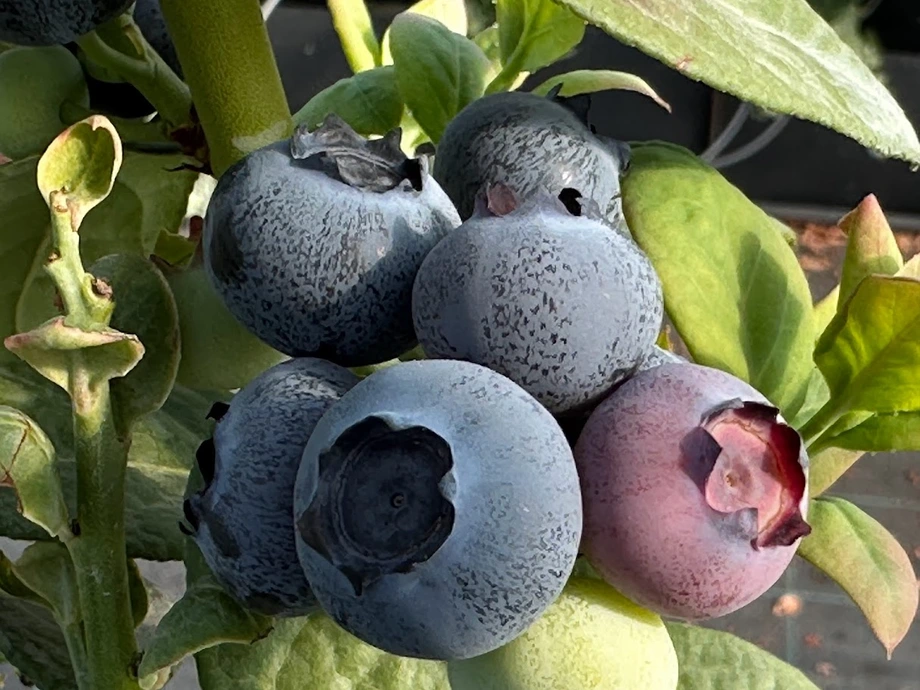
The first issue highlighted by Steta is quality consistency. It is not enough to have a blueberry with good taste, good crunch or premium characteristics if consumers do not find the same experience on a regular basis.
“We need to be consistent,” he stresses. “It does not matter if we have the best taste or the best crunch if we are not consistent in what we deliver.”
Taste remains a central element. According to Steta, blueberries must clearly differentiate themselves from other fresh produce items through a recognizable organoleptic quality. Historical varieties, such as Biloxi, played an important role in the early development phase of the category, especially because of their production potential. But today, according to the IBO President, that model is no longer sufficient.
“We need to forget that logic,” says Steta. The future of blueberries will depend on genetics capable of delivering taste, quality and commercial reliability.
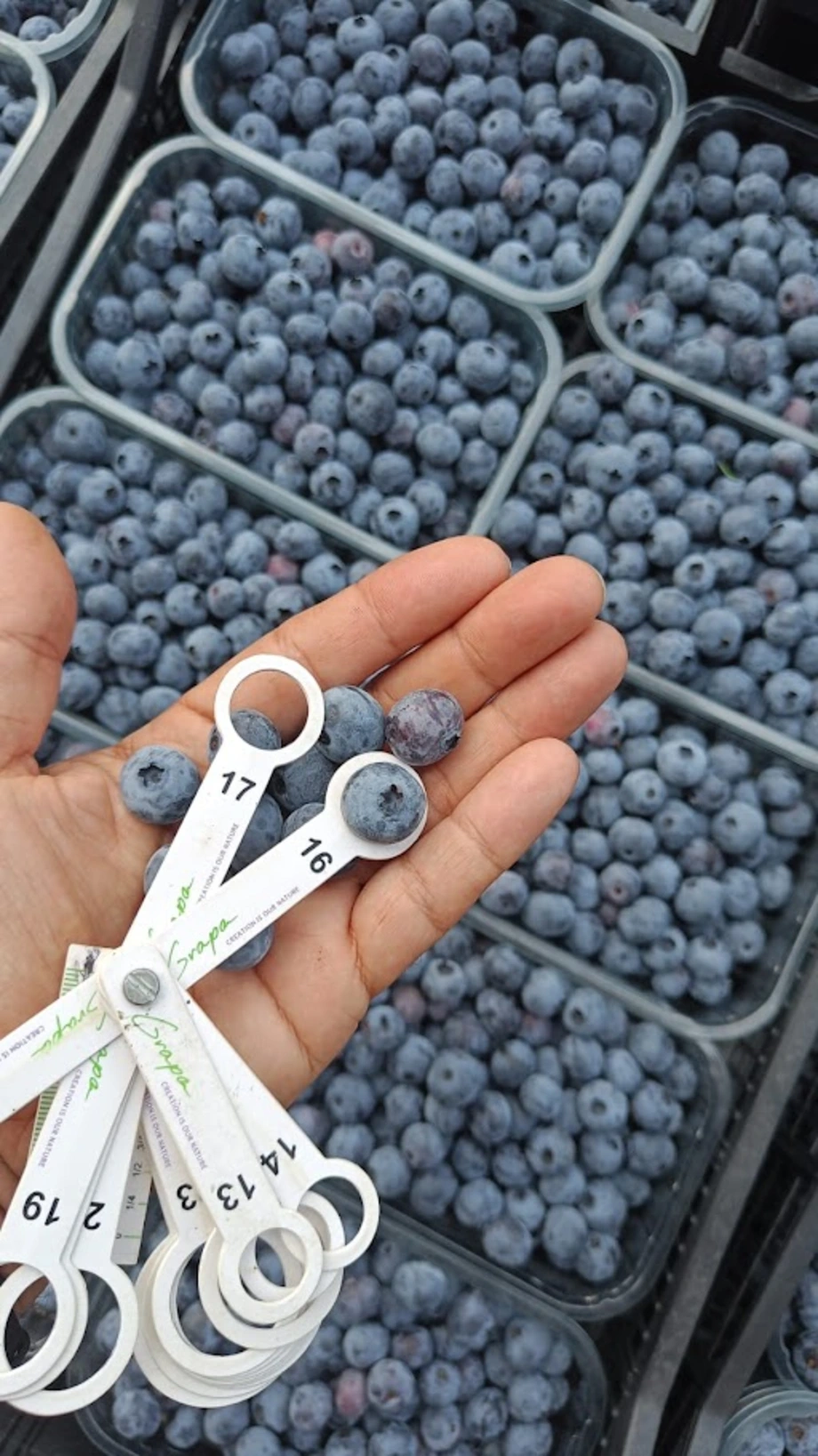
Alongside taste, post-harvest management becomes decisive. A fruit that is good at harvest loses value if it reaches the consumer soft, deteriorated or with insufficient shelf life. For this reason, quality cannot be considered only an agricultural issue: it also involves logistics, distribution, storage and in-store management.
Consumers also expect a product that is easy to buy and consume. Blueberries, Steta recalls, are naturally suited to snacking: they are practical, immediate and require no preparation. The challenge is therefore to communicate this simplicity more effectively and enhance it through coherent channels, formats and consumption occasions.
Finally, expectations are growing around overall reliability: proper production, compliance with environmental and social regulations, legal conformity and transparency. “Consumers need to be able to trust what we represent,” Steta summarizes.
For Italian growers: genetics and cost competitiveness
Looking at Italy, Steta observes a structural fact: the cultivated area for blueberries appears to be growing steadily but only to a limited extent, while imports are increasing. According to the IBO President, this indicates that there is an opportunity that domestic production has not yet fully captured.
“If you are importing more, it means there is clearly an opportunity,” he says. The key question for Italian growers is therefore how to capitalize on this possibility.
The first factor identified is genetics. For Steta, any action that makes it possible to move beyond the logic of traditional varieties is fundamental: to satisfy consumers, meet retailer expectations and improve the grower’s economic potential.
The second element is cost efficiency. Italy, like many other producing countries, has to deal with labour costs, labour availability, regulation and productivity. But these problems are not exclusively Italian: other countries, despite facing similar challenges, have managed to expand their production base and volumes.
For this reason, Steta urges the sector to work on yields, labour efficiency, productivity and technology. The Italian trade fair environment, he observes, shows many interesting technical solutions. The question is how to integrate them into production models capable of generating real competitiveness.
The limit of the individual approach
One of the most relevant passages in the interview concerns supply-chain cooperation. According to Steta, growers cannot expect to face the structural challenges of the sector alone.
“Thinking that, as a grower, you can do everything alone simply does not work,” he says. The growth of an industry instead requires a shared capacity to address issues that go beyond competition between individual companies.
Steta mentions experiences already observed in several countries — including Ukraine, Peru, the United States, Portugal, Morocco and South Africa — where a collective approach has helped strengthen the production base and the sector’s ability to tackle common problems.
For Italy, the message is clear: it is necessary to identify areas where a shared strategy can generate benefits for everyone. Stronger domestic production, according to the IBO President, makes the entire sector more competitive.
Retail: creating value without shifting costs onto the supply chain
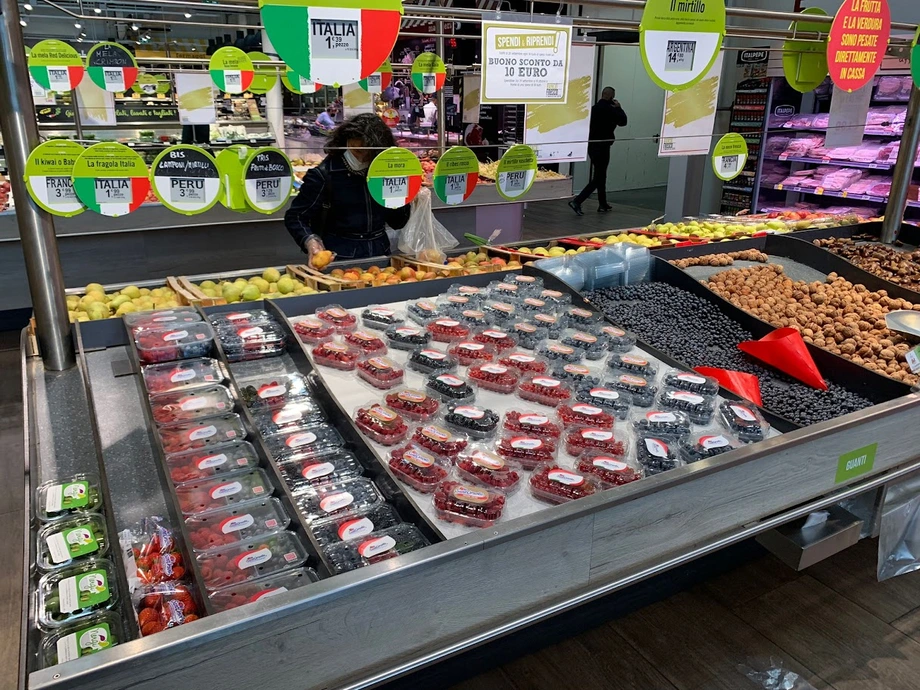
Distribution plays a central role. Steta acknowledges that the Italian retail environment is complex, both because of the number of retailers and the way it operates. But precisely for this reason, it becomes essential to build a logic of common good between growers, suppliers and retailers.
“Retailers should not gain at the expense of growers, nor the other way around, and certainly not at the expense of consumers,” he explains. The challenge is to identify, together with buyers, the elements that generate value for all parties.
The first issue is once again post-harvest management. If the grower delivers properly managed fruit to the distribution centre, but the logistics chain or the store does not ensure adequate refrigeration and handling, the value built in the field is lost.
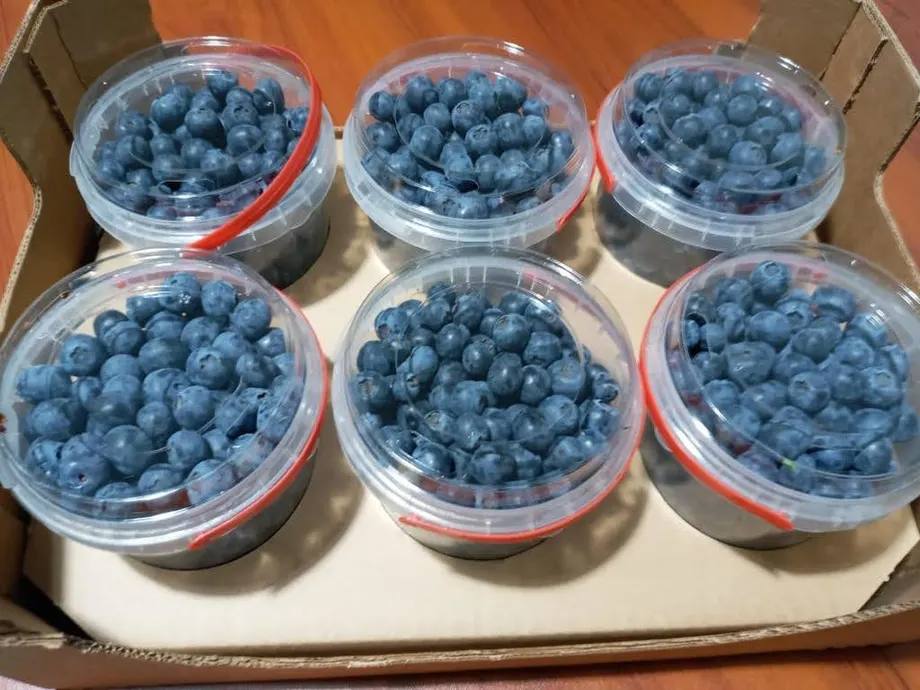
“It does not make much sense for a grower to do everything properly up to the distribution centre if the fruit is then not managed well,” Steta observes.
The second issue is quality consistency: what is promised to the retailer and the consumer must actually be delivered, consistently. The third concerns the attractiveness of the offer: packaging, formats and presentation must help consumers choose and consume the product.
Too many standards and too many formats increase complexity
Steta also points to an often underestimated issue: the excessive fragmentation of standards and formats. He is not referring to quality standards, but to the multiplication of specific environmental, social or operational requirements imposed by different retailers.
According to the IBO President, this fragmentation does not help consumers, does not necessarily improve the product and ultimately adds complexity and costs to the supply chain.
The same applies to packaging. Too many formats can make product management less efficient, increasing operational difficulties along the chain. The challenge is to find a balance between commercial differentiation and industrial simplicity.
Health, attractiveness and willingness to pay
For Steta, blueberries and berries more generally have an important competitive advantage: they are perceived as healthy, practical and attractive products. But this position must be built collectively by the supply chain.
“Blueberries and berries in general are a very healthy option,” he says. The question is how to turn this characteristic into a shared, credible and consistent message for consumers.
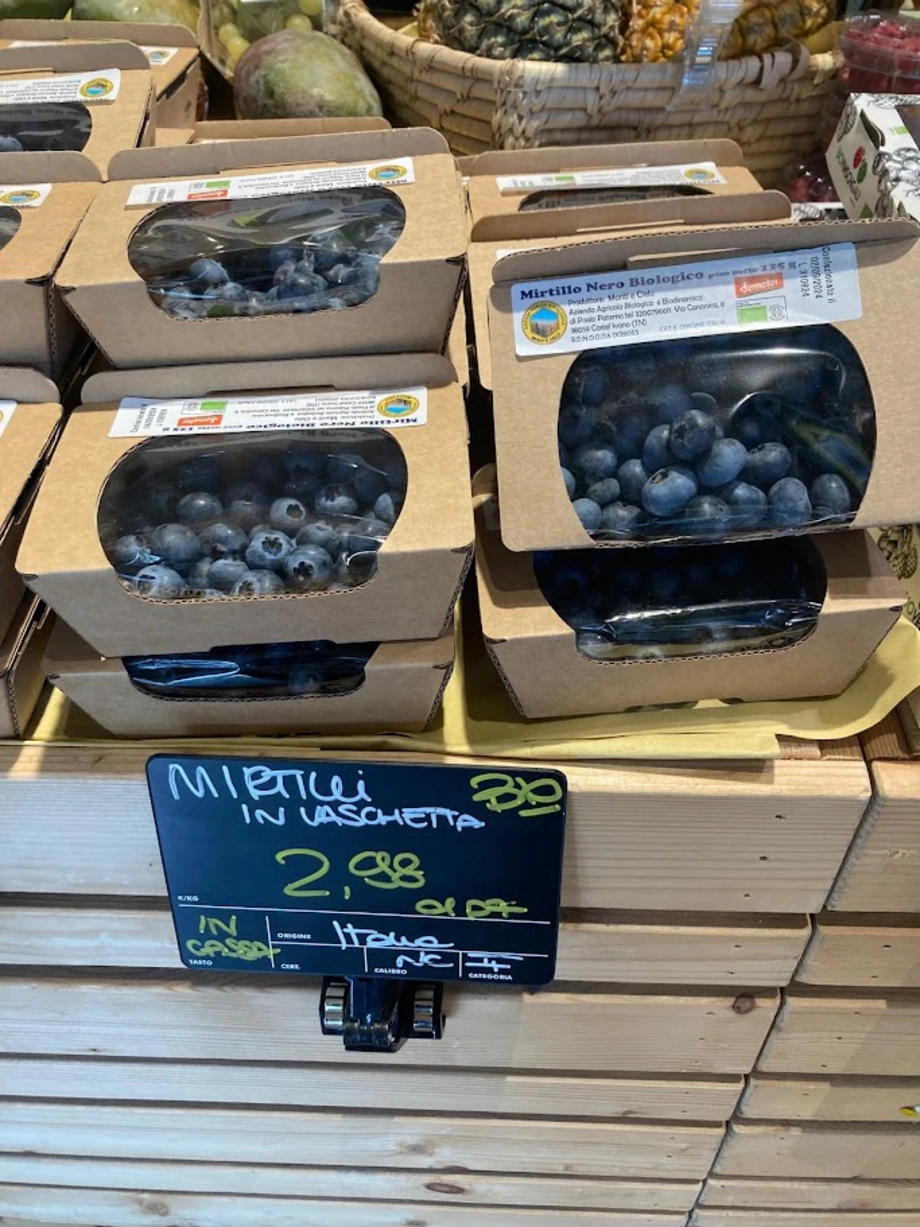
Private labels can also play a role in this direction, provided they help strengthen a real value proposition based on quality, consistency and trust, not just on commercial promises.
Steta’s conclusion is clear: if the category succeeds in offering a product that is attractive, good, consistent and well managed, consumers are willing to recognize its value. For Italy, this means that blueberry growth will not depend only on increasing consumption, but on the ability of the production and distribution system to work together on genetics, efficiency, quality and positioning.