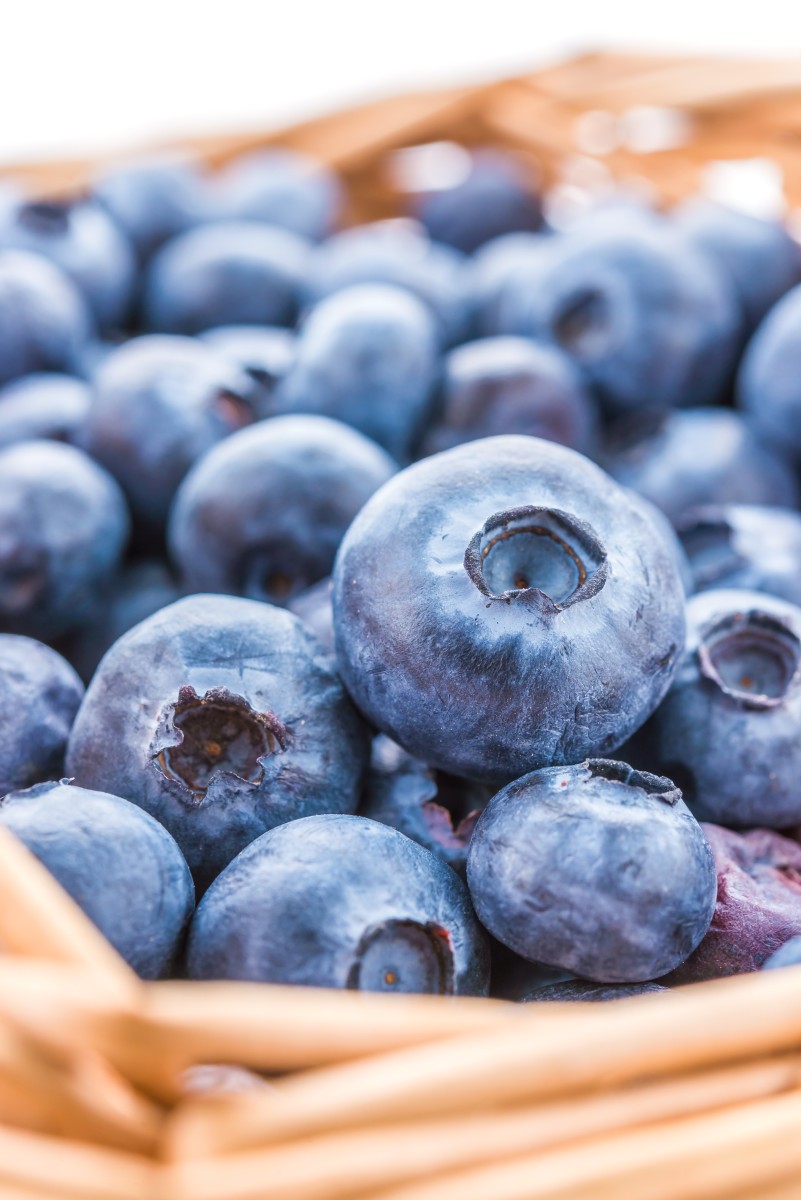










In the month of March, dedicated in the United States to National Nutrition Month, blueberries are once again in the spotlight thanks to their enhanced role in the latest Dietary Guidelines for Americans (DGA). The new guidelines, based on more than a decade of peer-reviewed scientific research, mark a return to a fundamental approach: consuming real, simple, and minimally processed foods.
A cornerstone of a balanced diet
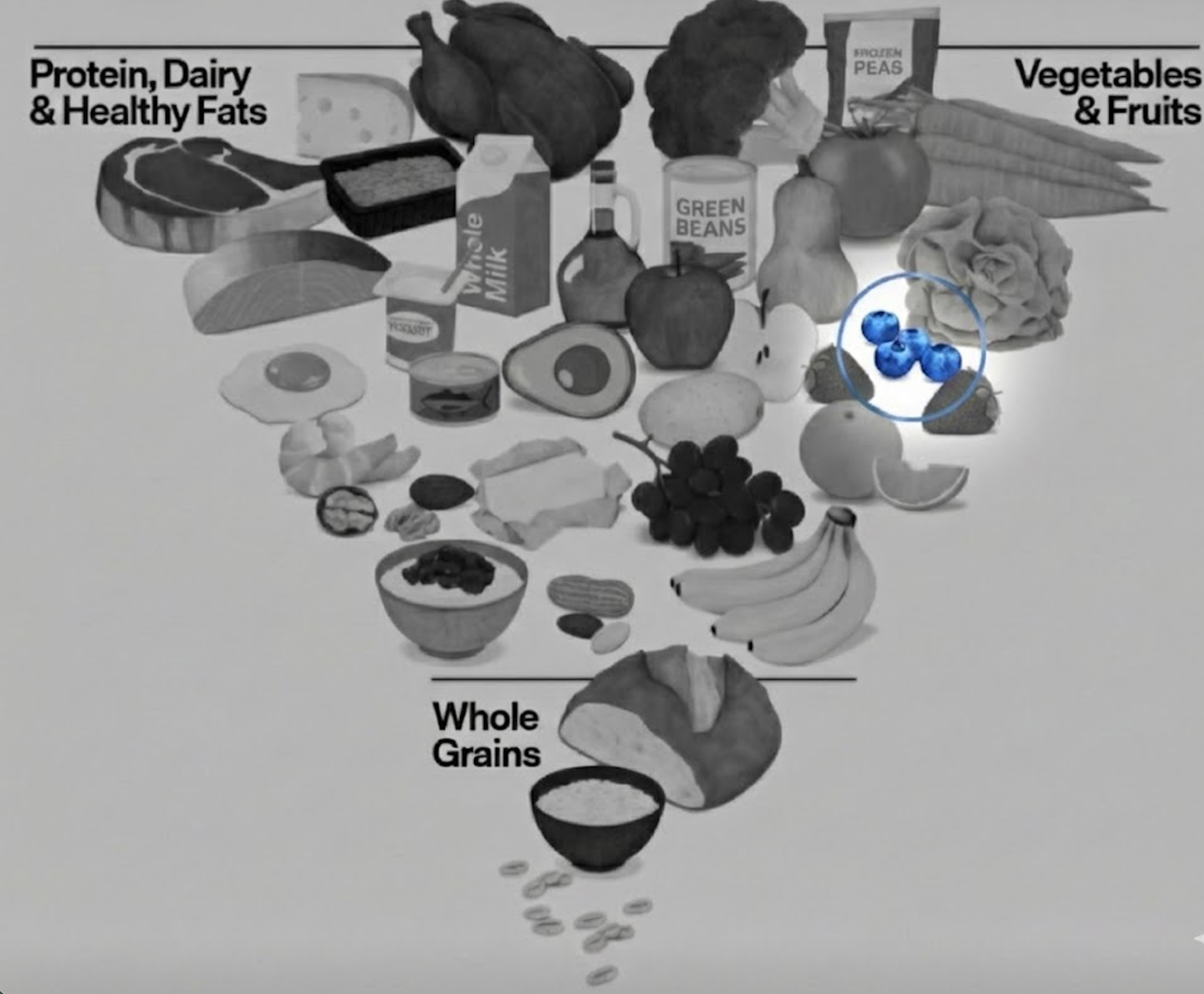
Within this new nutritional paradigm, blueberries stand out as one of the flagship foods of a healthy and nutrient-rich diet. Their versatility – available fresh, frozen, or dried – makes them easy to incorporate into daily habits, in line with federal recommendations.
The DGA emphasize the importance of consuming fruit in its original form. In this context, blueberries represent a model example: a natural, fiber-rich food that supports a gradual shift away from highly processed products.
Nutritional efficiency and daily consumption
The guidelines recommend an intake of two servings of fruit per day within a standard 2,000-calorie diet. Blueberries stand out for their excellent nutrient-to-calorie ratio, offering a practical solution to meet daily nutritional goals without exceeding caloric intake.
Another key element of the new DGA is the recommendation to consume a variety of colorful fruits. The deep blue and purple hues of blueberries are not just visually distinctive: they indicate the presence of anthocyanins, natural compounds widely studied and recognized as key markers of health benefits.
These pigments, supported by extensive scientific evidence, are one of the factors that make blueberries a strategic food in shaping the modern American diet.
Looking ahead
The growing recognition of blueberries in U.S. nutritional policies reflects a broader trend: the increasing value placed on functional, natural foods backed by scientific research. For the berry supply chain, this positioning opens new opportunities, both in domestic consumption and in international markets, where demand for healthy products continues to rise.
Source text and images: ushbc.blueberry.org