









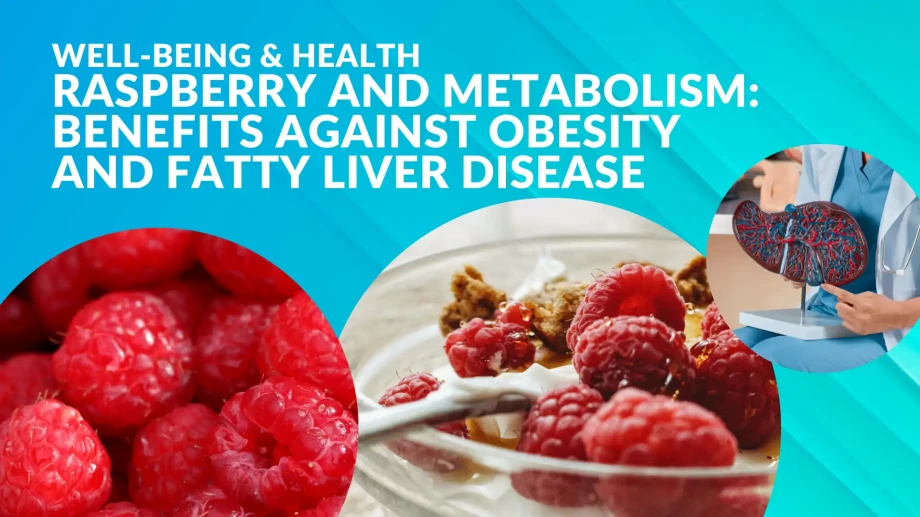
Berries are renowned for their nutritional value and their medicinal uses, passed down through the centuries. Among them, the raspberry (Rubus idaeus) is one of the oldest known fruits.
Similarly to other berries such as strawberries and blueberries, raspberries contain an abundance of sugars, vitamins, minerals, and polyphenols. Research on raspberry components has produced significant results; for example, ellagic acid has been associated with the ability to inhibit tumor induction in the liver, esophagus, and lungs.
The distinctive flavor and fragrance of raspberries derive from the presence of specific aromatic compounds. The main one is Raspberry Ketone (RK), or 4-(4-hydroxyphenyl) butan-2-one. RK has historically been widely used as a flavoring agent in the food industry and as a fragrance in cosmetics.
Recent investigations have focused on its biological effects, revealing a potential strategic role in metabolism.
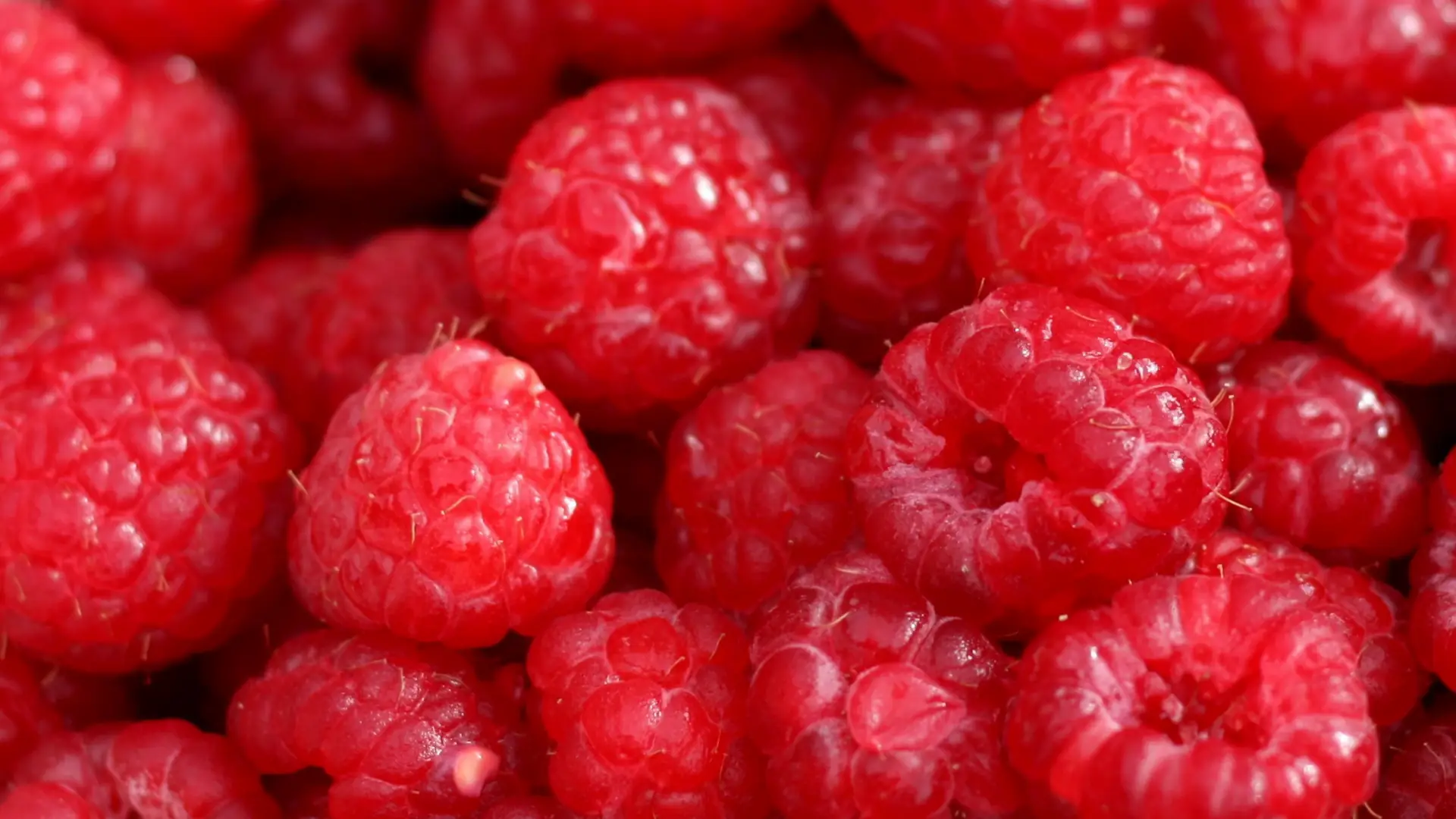
The aromatic key of raspberry
Scientific interest in Raspberry Ketone largely stems from its chemical architecture. The molecular structure of RK is similar to that of two compounds known for their ability to alter lipid metabolism and for their anti-obesity actions: capsaicin and synephrine.
Capsaicin, the pungent compound found in red chili peppers, is known for its ability to reduce adipose tissue weight and serum triacylglycerol content by enhancing energy metabolism. Similarly, synephrine, a compound found in citrus fruits, exerts lipolytic activity, meaning it promotes fat breakdown in adipose cells.
Considering the structural similarities among these three compounds, it has been hypothesized that RK, the main aroma compound of raspberry, could exert a similar influence on lipid metabolism.
Metabolism studies have indicated that approximately 90% of an administered dose of RK is excreted as metabolites through urine within 24 hours.
Berries and metabolism
To clarify the biological implications of RK, research has explored its effects on obesity prevention and lipid metabolism activation. Studies have shown that RK is able to prevent body weight increases induced by a high-fat diet.
In particular, RK has been observed to prevent weight gain in both the liver and visceral adipose tissues, such as epididymal, retroperitoneal, and mesenteric fat. These results were obtained without changes in total energy intake.
Beyond its preventive effect, RK has also been shown to exert a restorative action: it reduces body weight and liver triacylglycerol content even after these values had already increased as a result of a high-fat diet.
These beneficial effects are attributable to RK’s ability to alter lipid metabolism.
Biochemical mechanisms of RK
More specifically, RK enhances lipolysis (the process of fat breakdown) induced by norepinephrine within white adipocytes. This mechanism is associated with the translocation of a key fat-breaking enzyme, hormone-sensitive lipase, which moves from the cytosol (cellular fluid) to lipid droplets in order to activate its function.
Conclusions and applications
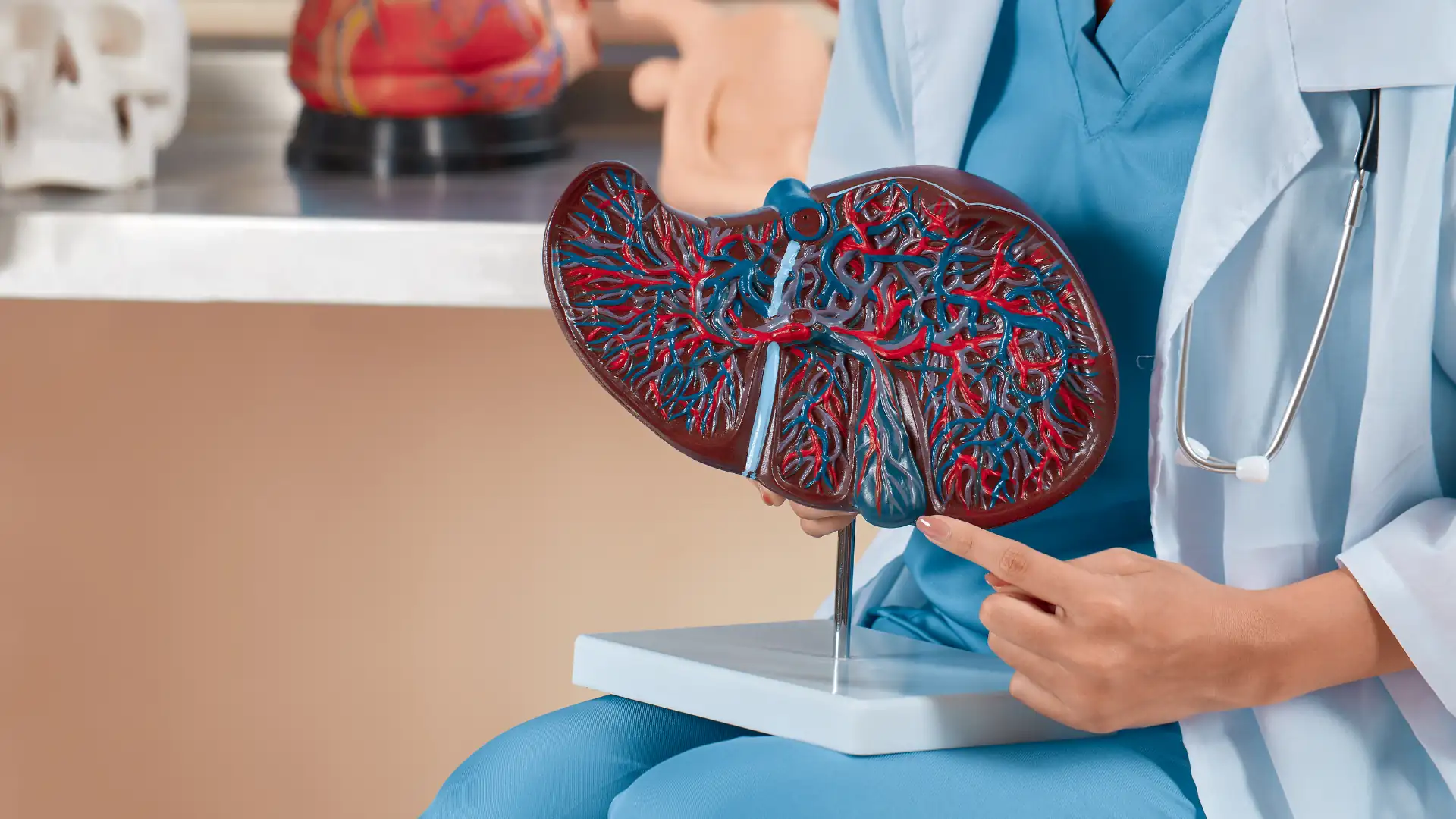
Raspberries and the berry family as a whole prove to be not only palatable foods, but also complex and strategically important sources of bioactive compounds. The properties demonstrated by Raspberry Ketone, in terms of preventing and improving conditions such as obesity and fatty liver through modulation of lipid metabolism, highlight the functional potential of these fruits.
These scientific findings reinforce the value of raspberries and berries as key elements in building a modern, health-conscious diet. Promoting the consumption of foods that, like raspberries, contain molecules with proven metabolic activity offers a natural way to support healthy body weight maintenance and contribute to optimal lipid metabolism function.
Knowledge of these mechanisms also offers agrifood sector professionals the opportunity to enhance the value of berries as pillars of functional and health-oriented nutrition.
Source: Morimoto C, Satoh Y, Hara M, Inoue S, Tsujita T, Okuda H. Anti-obese action of raspberry ketone. Life Sci. 2005 May 27;77(2):194-204. doi: 10.1016/j.lfs.2004.12.029. Epub 2005 Feb 25. PMID: 15862604.
Image source: Canva