





With 30 years of experience in the berry sector, Hans Widmann, CEO of Herbert Widmann GmbH, offers a candid and clear-eyed overview of the global blueberry market.
Amid soaring demand, aggressive discount pricing strategies, and a deepening labor shortage, Widmann lays out the key coordinates for understanding where the industry is heading during the European Blueberry Cultivation Conference, held in Milan on March 4, 2026.
Mr. Widmann, you have been in the sector for three decades. How has the blueberry market evolved from your perspective?
Hans Widmann: I started thirty years ago with our family business and I still remember our first mixed pallet from Sant’Orsola, which included raspberries, blueberries, and blackberries. Twenty years ago it was exhausting and frustrating to sell even a single container of blueberries per week during the winter season. Today we market 50 containers a week and, despite that, we still don’t have enough fruit to satisfy our customers. Demand keeps rising at a fast pace and consumption is steadily increasing.
Premium? Still a niche
In your view, what is the secret behind blueberries’ unstoppable commercial success?
I have to admit that selling blueberries is the easiest thing in the world; I don’t know any better product in the entire fresh produce industry. It’s an exceptional product in every respect: it’s sustainable, it doesn’t need to be prepared, cooked, or peeled. It’s tasty, healthy, and you can eat it as-is.
There is a lot of talk about premium varieties and quality. Is that really what the average consumer is looking for?
I know I will disappoint many when I say this, but the single most important criterion remains price. Top-tier varieties may perhaps cover 10% of the premium clientele, but the majority of consumers don’t have the budget to buy blueberries at €20 or €30. Germany, for example, is an extremely price-elastic market; operators like Aldi are leaders precisely because they make blueberries economically accessible to the masses.
Speaking of Germany, you often see retail prices that seem to defy any logic of profit. How do you explain that?
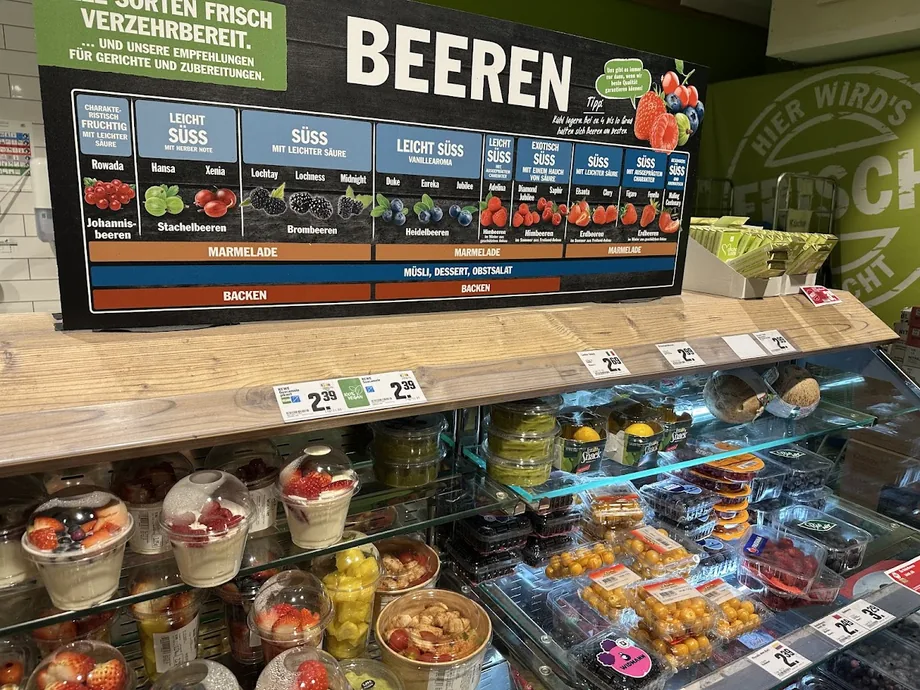
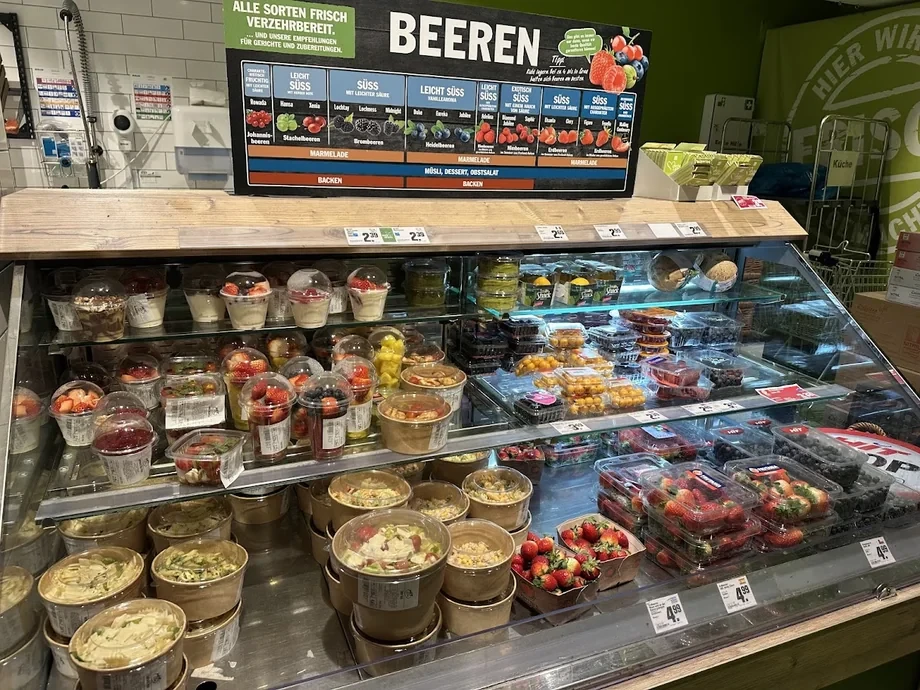
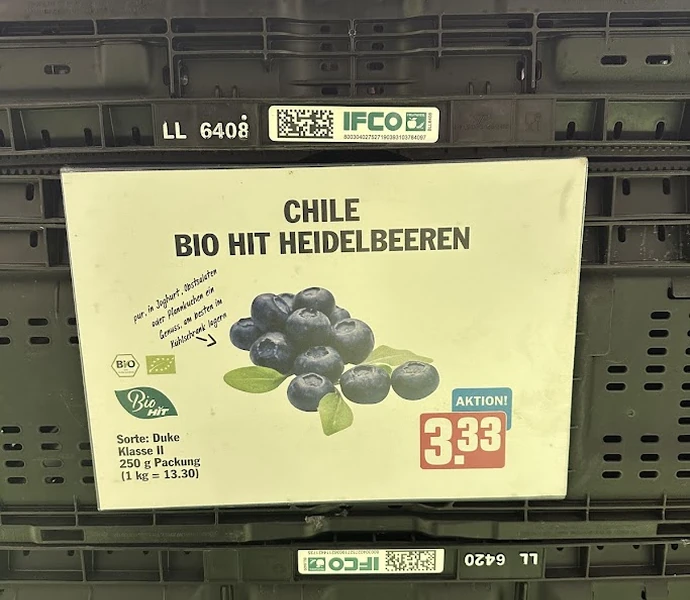
In Germany, supermarkets use blueberries as a "loss leader" to attract customers into stores. They often run promotions by giving up their margin entirely, selling them at the same price as their cost. This doesn’t happen in Italy, France, or Spain, but in the German market blueberries are about to overtake even bananas in turnover, precisely thanks to these aggressive pricing strategies.
500g on promo at €3
What are the “ideal” prices to drive volumes, and how are sales formats changing?
The traditional 125-gram packs, which 30 years ago I thought would last forever, are now disappearing. The current trend is clearly moving toward larger packs: 300g, 500g and more. For discounters, the ideal price to sell big volumes is to stay below €10 per kilo, offering, for example, a 500g punnet at €5, which sometimes drops to €3 during promotions.
When they put the product on promotion at these prices, sales don’t just double—they triple or even multiply further.
On the production side, what are the biggest threats to the European sector?
Growing has become complex: there are countless pests, climate issues, and soil-related adversities. But the most serious problem is another: pickers are disappearing across Europe and labor costs keep rising. On our farm in Romania we are forced to employ workers from Nepal and Sri Lanka.
Soon Romanian workers, who currently cover labor needs in Germany and Italy, will return home, leaving a huge gap across the rest of Europe.
Labor crisis: European production at risk
Is there a solution to this labor crisis?
We need to get to mechanized harvesting. Although everyone is looking for it, as of today there is still no definitive solution. If we don’t get there soon, in Europe we will be forced to stop blueberry production because it will no longer be economically sustainable.
That is exactly why our company is shifting its production focus to Africa: we opened a farm in South Africa, moved into Namibia, and have now launched pilot trial fields in Tanzania.
To conclude, is there also a geographic evolution in consumption? And how much does local origin matter to buyers?
Absolutely. One of the reasons the market keeps growing is that countries historically only producers, such as Poland and Romania, have now become huge consumers of blueberries themselves, further increasing European demand.
As for local origin, for blueberries in general it doesn’t make a big difference, unlike what happens, for example, with strawberries.
There are some regional exceptions, such as Bavaria (in southern Germany), where consumers are willing to pay a higher price for Bavarian product, but already in northern Germany origin no longer carries any weight.