






When physical exertion becomes intense, the body enters a phase of significant metabolic stress. During exercise, the body naturally produces reactive oxygen and nitrogen species, known as RONS: molecules that, in small amounts, help support muscle adaptation, but can become problematic when they accumulate excessively, contributing to oxidative stress and fatigue.
This phenomenon is amplified when activity takes place at altitude or in conditions of reduced oxygen availability. In these contexts, the ability of blood vessels to dilate may decrease, and muscle strength may be impaired.
The role of berries in the antioxidant response
Berries, and blueberries in particular, stand out for their high polyphenol content. Among these, anthocyanins — responsible for the typical blue-purple colour — are considered bioactive compounds of great interest for their potential antioxidant and anti-inflammatory effects.
These substances are also associated with benefits for cardiovascular health, with observed effects on parameters such as blood pressure and arterial stiffness. From a functional nutrition perspective, blueberries therefore confirm their importance as a food of particular relevance for those engaging in physical activity under demanding conditions.
Blueberries and muscle metabolism: what the study shows
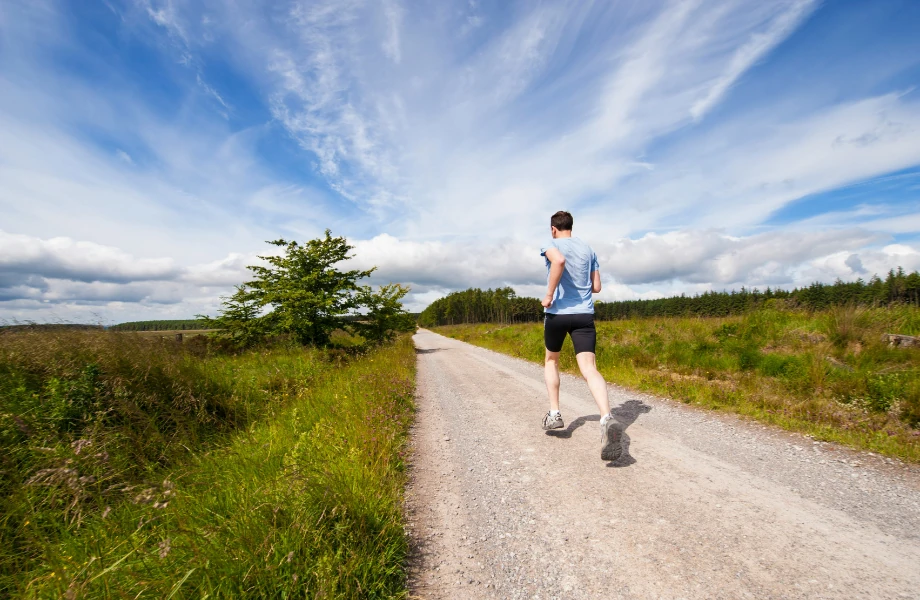
A study conducted on experienced runners assessed the effects of four days of supplementation with blueberry powder, in an amount equivalent to approximately 500 grams of fresh fruit per day. The test involved 30 minutes of running under hypoxic conditions.
The most significant result concerned blood lactate. After exercise, athletes who had consumed blueberries recorded a markedly lower increase in lactate compared with the placebo group: approximately 15% less.
The total distance covered did not show any relevant variation, but the more moderate metabolic response suggests that blueberries may help attenuate the imbalances produced by intense exertion in low-oxygen conditions.
Anthocyanins, endothelium and blood flow
According to the interpretation of the results, the benefit may be linked to the ability of anthocyanins to support endothelial function, meaning the inner lining of blood vessels. A more efficient endothelium can promote better circulation to the muscles and facilitate the removal of metabolic by-products generated during physical activity.
Another relevant aspect concerns individual variability. Athletes who showed greater availability of nitric oxide, a natural vasodilator, in response to supplementation were also those who recorded the most marked reduction in lactate.
Dose and timing: two decisive factors
The study highlights the importance of the intake protocol. The metabolic benefits were observed with a high dose of anthocyanins, equal to approximately 1008 mg per day, with the final dose administered two hours before the test.
This finding reinforces the idea that berries can best express their potential when included in a precise nutritional strategy, balanced and consistent with the type of performance required.
A look at the future of functional nutrition
Four days of blueberry consumption did not directly alter running speed or maximum endurance under hypoxic conditions. However, the reduction in metabolic stress observed in the study indicates a possible role for berries in managing muscle fatigue.
For athletes, nutritionists and supply chain operators, blueberries are confirmed as much more than a simple fruit: they are a nutrient-dense ingredient that combines naturalness, functionality and food innovation. In a market increasingly oriented towards wellbeing and performance, berries can occupy a growing space in dietary strategies dedicated to everyday health and intense physical exertion.
Source: Brandenburg JP, Giles LV. Blueberry supplementation reduces the blood lactate response to running in normobaric hypoxia but has no effect on performance in recreational runners. J Int Soc Sports Nutr. 2021 Mar 30;18(1):26. doi: 10.1186/s12970-021-00423-7. PMID: 33781280; PMCID: PMC8008513.
Images: Unsplash
🫐 Well-being & Health with Berries 🍓This article is part of the editorial series Wellness & Health with Berries, which brings scientific research closer to everyday life, promoting berries as allies for well-being. The series offers clear, up-to-date, and evidence-based content designed to inform consumers and support all operators in the berry supply chain. |