












The berry industry continues to evolve rapidly, driven by innovation, climate pressure and shifting international competition. News from the past two weeks highlights growing attention to premium quality, logistics efficiency and automation, while markets face production volatility and stronger competition from emerging origins. At the same time, the supply chain is investing in post-harvest technologies and commercial strategies to maintain competitiveness and supply continuity.
Markets and consumption
European retail increasingly focused on premium berries
Major European retailers are expanding their premium berries assortments, with strong focus on fruit size, texture and flavor. Retailers report that consumers are willing to pay more for products perceived as superior, particularly within blueberries. This trend is encouraging producers to invest in new varieties and branding strategies, reinforcing berries as a high-value category.
Firm prices continue across European wholesale markets
European berry markets continue to register high prices, especially for raspberries and blueberries. Limited supply in some producing regions and elevated logistics costs are supporting the market. Traders note that demand remains active despite higher prices, particularly for local origin and premium-quality products.
Production and climate
Variable weather conditions affect berry production
Unstable weather conditions recorded in recent weeks are creating difficulties across several berry-growing regions. Heavy rainfall and temperature fluctuations are affecting fruit quality and yields, while some growers report harvest delays. The situation may lead to reduced availability and increased price volatility during the core phase of the commercial season.
Emerging origins continue gaining market share
Several emerging producing countries are increasing their presence in international berry markets thanks to competitive costs and favorable production windows. This development is gradually reshaping global trade balances and increasing competitive pressure on traditional suppliers, who must improve efficiency and quality to defend their market position.
Innovation and post-harvest
Automation becoming central in post-harvest operations
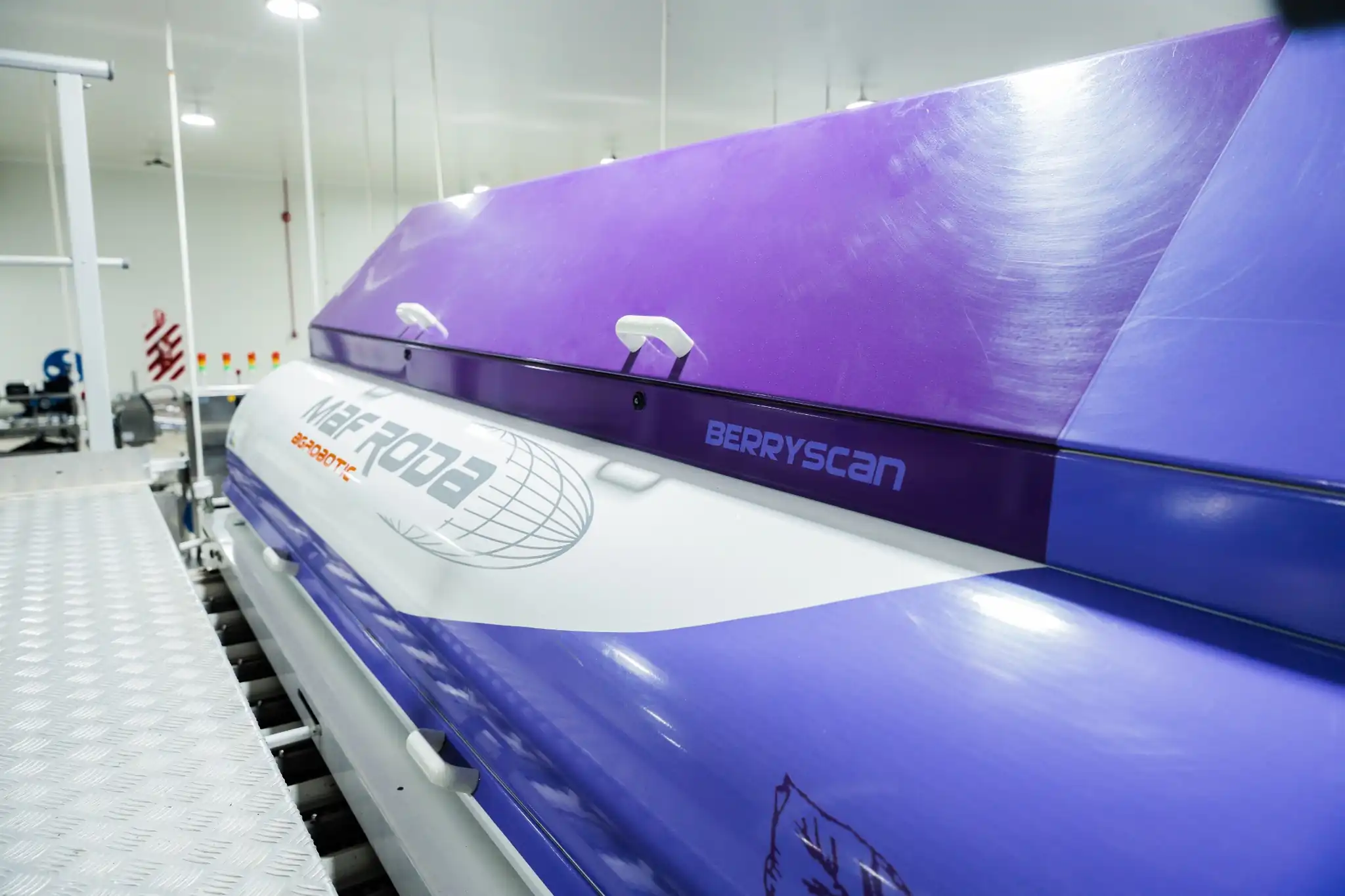
The expansion of global berry production is accelerating the adoption of advanced sorting and packing technologies. Companies are investing in automated systems capable of improving consistency and quality control, while reducing waste and increasing operational efficiency. Automation is increasingly considered a strategic requirement to meet demanding international retail standards.
Genetics and varieties remain strategic priorities
Varietal renewal continues to play a crucial role in the berries sector. Producers are seeking cultivars with better shelf life, higher productivity and premium characteristics to satisfy international retail demand. Genetics is increasingly viewed as a decisive competitive tool for both quality improvement and commercial differentiation.