





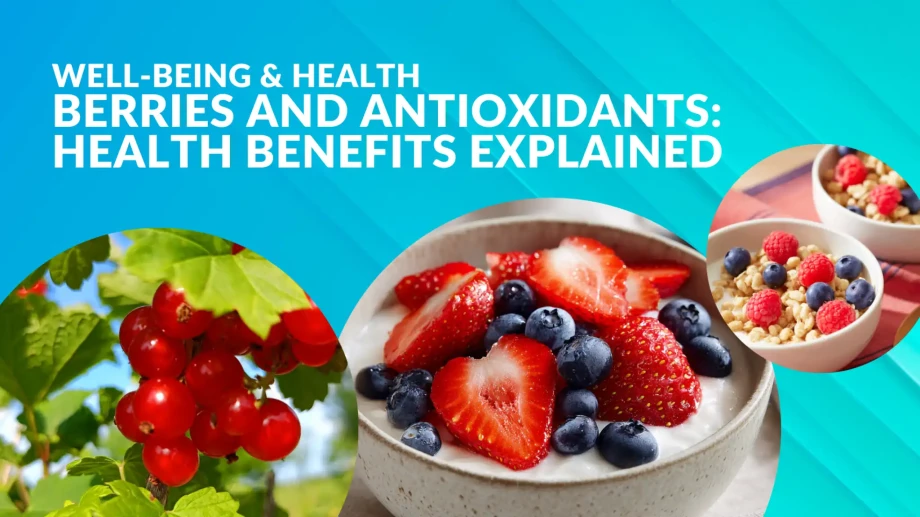
Berries represent much more than a simple versatile ingredient in the kitchen; they are true treasures of bioactive molecules essential for our well-being.
Through the use of advanced analytical technologies, such as mass spectrometry, scientific research has made it possible to accurately map the complex network of antioxidants that characterizes these small gems of nature.
Understanding the composition of these fruits is not merely an academic exercise, but a fundamental step in enhancing products that stand out for their high-level nutritional and functional profile.
The chromatic signature of berries: the role of anthocyanins
The vibrant color that defines berries is primarily due to anthocyanins, natural pigments belonging to the flavonoid family with strong antioxidant properties.
In black currants, for example, analysis has revealed the predominant presence of delphinidin and cyanidin, particularly in the form of delphinidin-3-O-rutinoside and cyanidin-3-O-rutinoside.
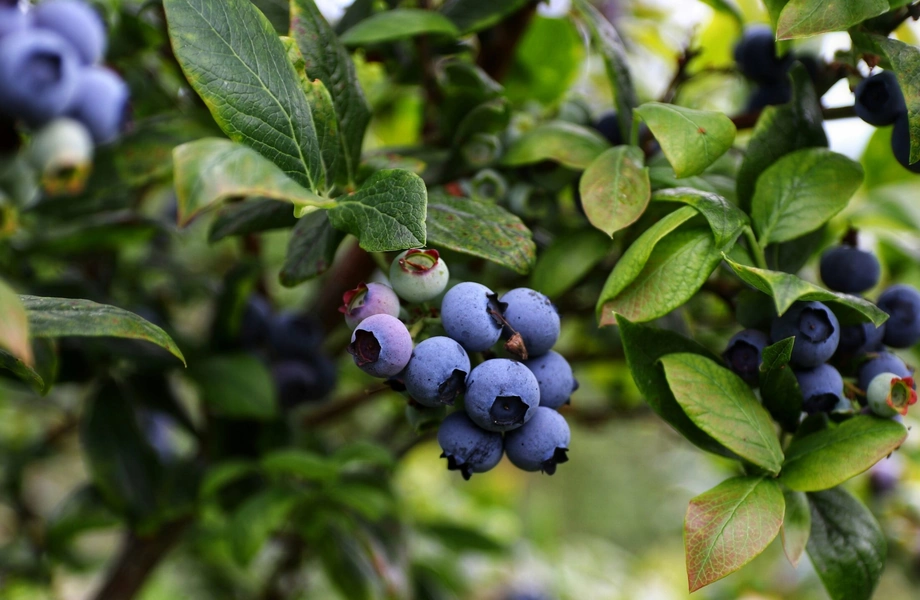
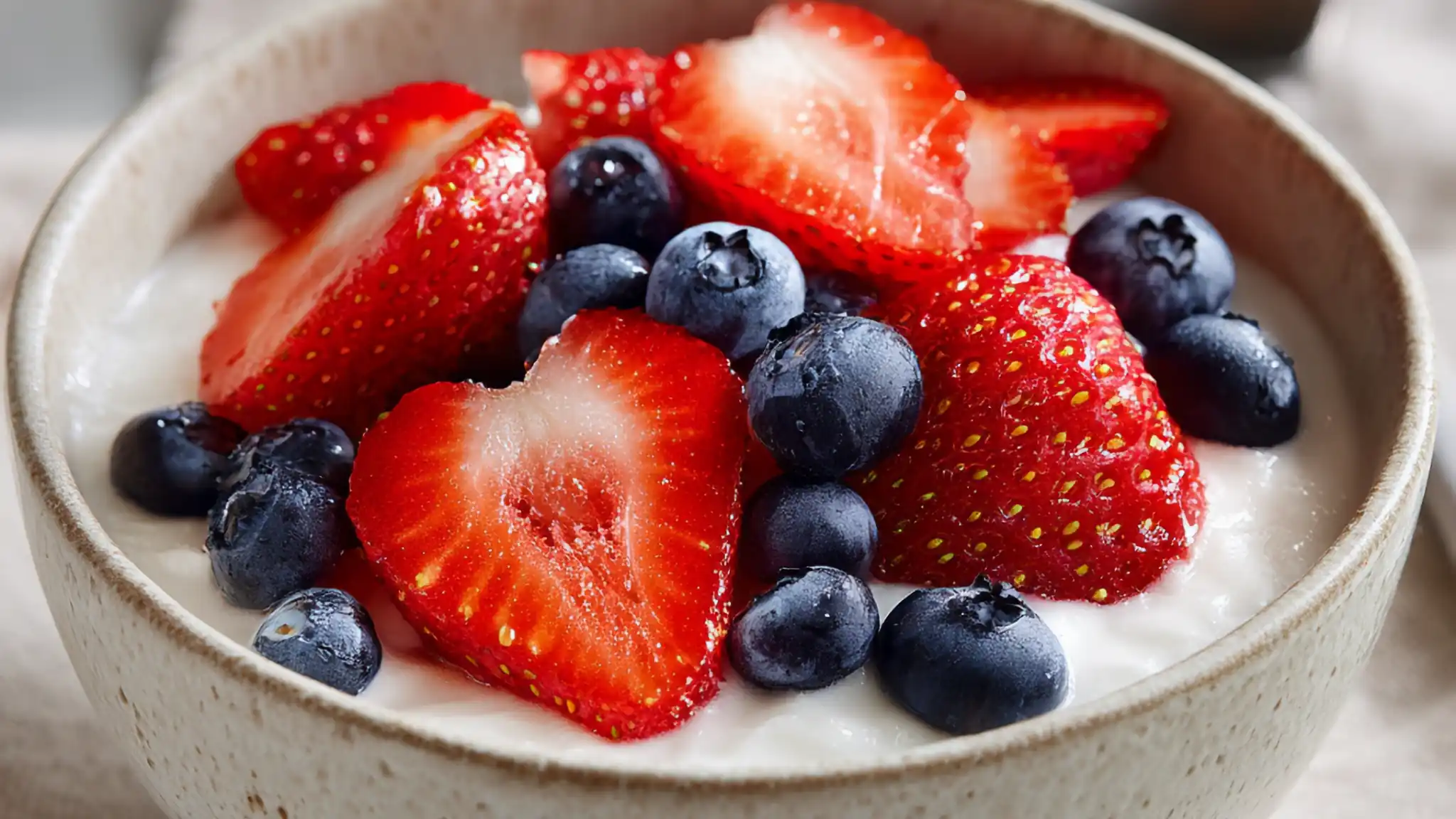
Blueberries also exhibit an extraordinary variety of these compounds, including delphinidin, petunidin, peonidin, and malvidin.
It is interesting to note how the chemical structure of these molecules, which varies according to the bound sugars (such as galactose or glucose), influences the way our body interacts with them.
This molecular diversity helps make berries a fundamental pillar in research on foods that support natural cellular defense processes.
Varietal focus: from black currant to raspberry, a unique molecular diversity
Each variety within the berry category possesses a distinctive biochemical “signature” that determines its specific properties:
- Raspberries: They are characterized by a prevalence of cyanidin-3-O-sophoroside. However, their true uniqueness lies in ellagitannins, such as sanguiin H-6 and lambertianin C, complex compounds that provide a unique protective profile compared to other berries.
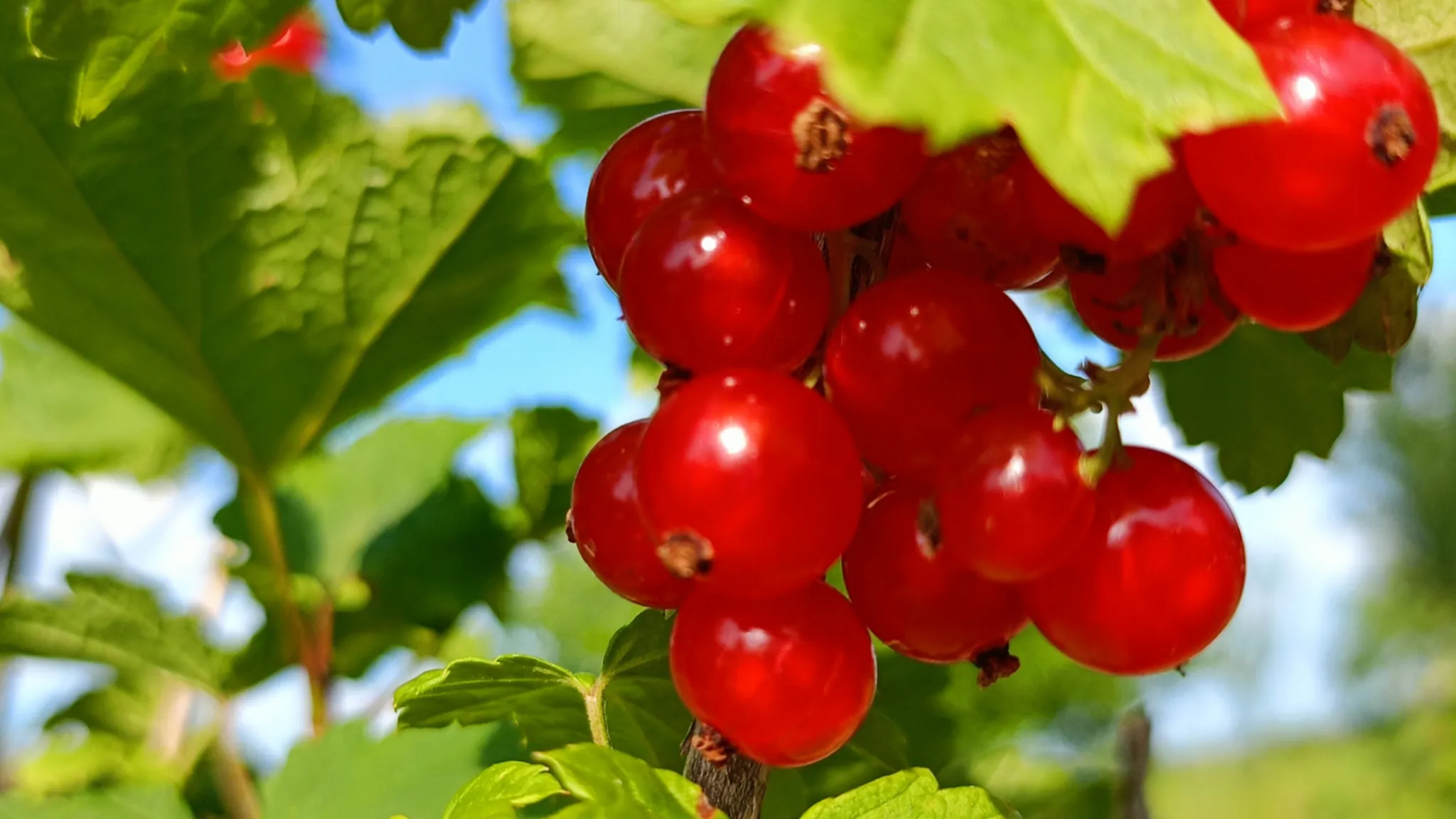
- Red currants: In these fruits, cyanidin-3-O-rutinoside stands out as the main component, accompanied by a significant presence of myricetin and quercetin derivatives.
- Cranberries (red berries): They are distinguished by the presence of procyanidin dimers, molecules known for their specific properties, along with a rich variety of peonidin and quercetin.
This specificity highlights the importance of a diet that includes different types of these small fruits, allowing individuals to benefit from a broad spectrum of protective substances.
Berries and phenolic compounds: the power of quercetin and tannins
Beyond anthocyanins, berries are a valuable source of other phenolic compounds, such as flavonols.
Among these, quercetin holds a prominent position; it is found in high concentrations in almost all analyzed species, from blueberries to cranberries, often bound to sugars that enhance its stability, as in the case of quercetin-3-O-galactoside.
In addition, the presence of phenolic acids, such as caffeic acid in black and red currants, or ellagic acid in raspberries, completes a biochemical profile that makes these foods extremely dense from a nutritional standpoint.
Scientific research confirms that the complexity of these plant matrices exceeds the sum of their individual components, suggesting a synergistic action among the various molecules present in berries.
Conclusions
The detailed analysis of the phytonutrients present in berries highlights their extraordinary richness in terms of molecular biodiversity.
From the prevalence of specific anthocyanins in black currants to the complex structure of ellagitannins in raspberries, each fruit offers a unique contribution to our health.
The ability of modern science to identify and quantify these compounds further confirms the authoritative role of these foods in the contemporary nutritional landscape.
Regularly integrating these natural excellences represents a conscious choice for those seeking a dynamic balance within their dietary regimen.
In an era increasingly oriented toward functional nutrition and prevention, berries stand as central elements in building a lifestyle focused on longevity and overall well-being.
Source: Borges G, Degeneve A, Mullen W, Crozier A. Identification of flavonoid and phenolic antioxidants in black currants, blueberries, raspberries, red currants, and cranberries. J Agric Food Chem. 2010 Apr 14;58(7):3901-9. doi: 10.1021/jf902263n. PMID: 20000747.
Image source: Canva