











New international genetics, dedicated experimental fields, and breeding programs focused on climate resilience: Battistini Vivai brings to the 2026 Pomological Exhibition a selection of varietal innovations designed to meet the needs of growers and markets.
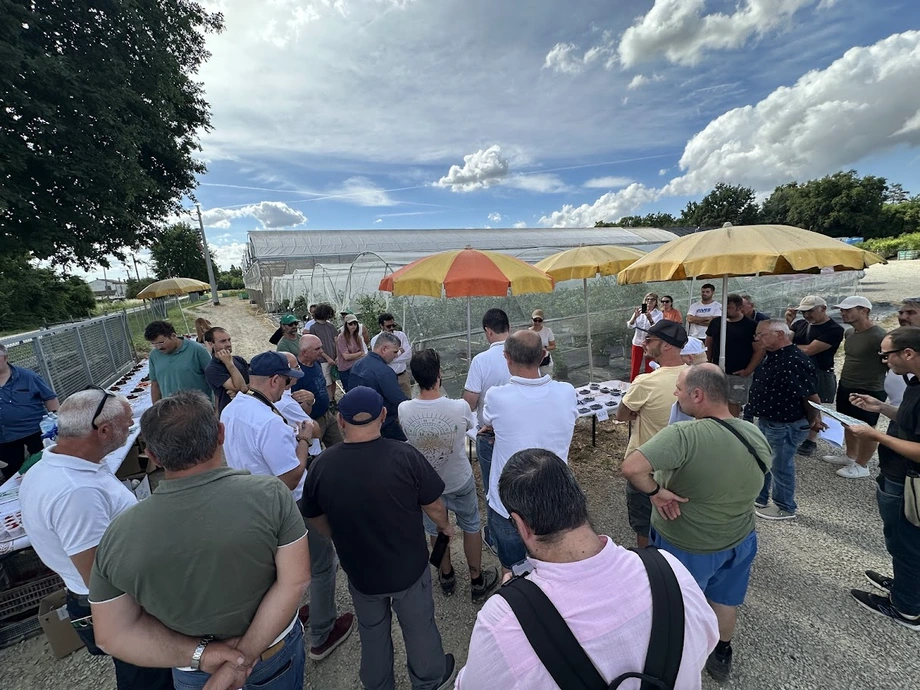
The 2026 Pomological Exhibition confirms its role as a key technical meeting point for the fruit sector, offering professionals the opportunity to take a close look at varietal evolution and assess genetic material intended for future plantings.
In this context, Battistini Vivai presents the main innovations developed or acquired through its selection activity, with a pathway covering several fruit species — from cherry to apricot, from peach to berries — and with one cross-cutting objective: to identify cultivars capable of combining fruit quality, agronomic adaptability, and response to new climatic conditions.
Blueberry: new genetics for low chill and high chill areas
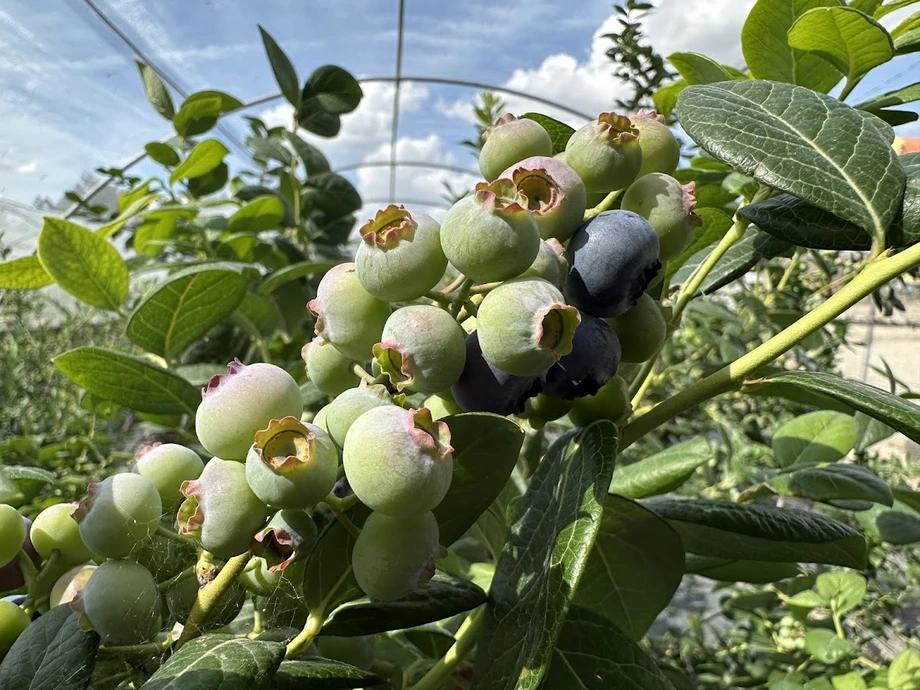
In the berries segment, one of the most significant areas concerns blueberries. Battistini Vivai is presenting new genetics resulting from collaborations with international partners, with the aim of expanding its varietal offer for both low chill and high chill production areas.
The new introductions share several characteristics that are particularly relevant for the fresh market: large size, strong aromatic profile, crunchiness, and good shelf life. These are increasingly central parameters in varietal choices, as they affect both consumer satisfaction and commercial management along the supply chain.
Among the highlighted varieties is Nordica A81, developed by the Chilean breeding program BLUEBERICA and resulting from the collaboration between Commercial Alfa in Chile, Caliplant Group in Spain, and Florep in the United States.
Nordica A81 is a very early-ripening northern-type cultivar, with a harvest window and productivity comparable to Duke. Compared with this benchmark variety, however, it stands out for greater fruit firmness and larger berry size, two aspects that can represent a competitive advantage for production aimed at the fresh market.
| Variety | Chilling requirement | Harvest period | Origin | Brix/cit. ac. % | Average berry size mm | ||
|---|---|---|---|---|---|---|---|
| 2024 | 2025 | 2024 | 2025 | ||||
| STAR | SOUTH | EARLY | USA | 13.1 / 0.4 | 11.63 / 0.65 | 16.6 | 17 |
| MAVERICK | SOUTH - LOW CHILL | EARLY | USA | / | 11.53 / 0.95 | / | 18 |
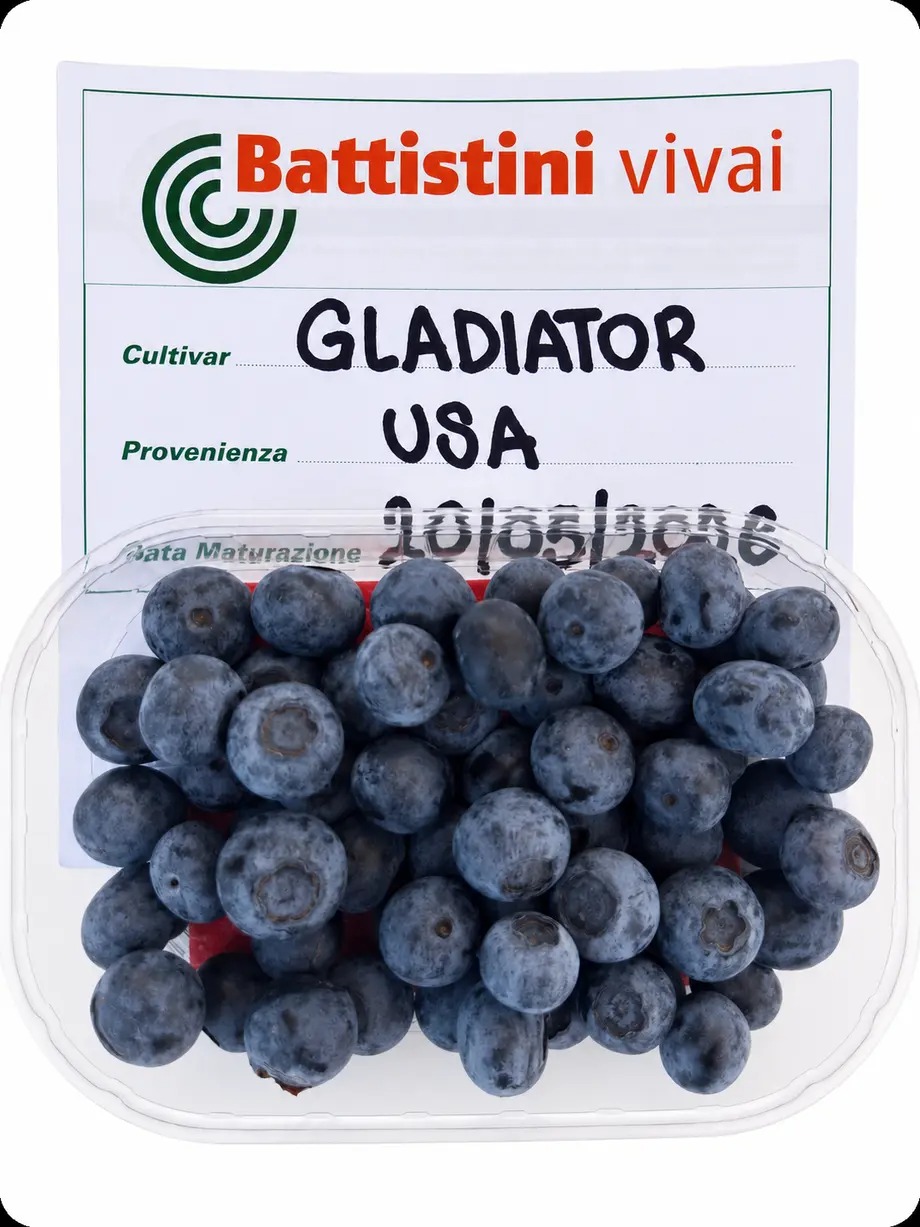
| GLADIATOR | SOUTH - LOW CHILL | EARLY | USA | / | 12.35 / 0.70 | / | 18 |
| SWEET DUCHESS | SOUTH - ZERO CHILL | EARLY | USA | / | 11.17 / 0.48 | / | 17 |
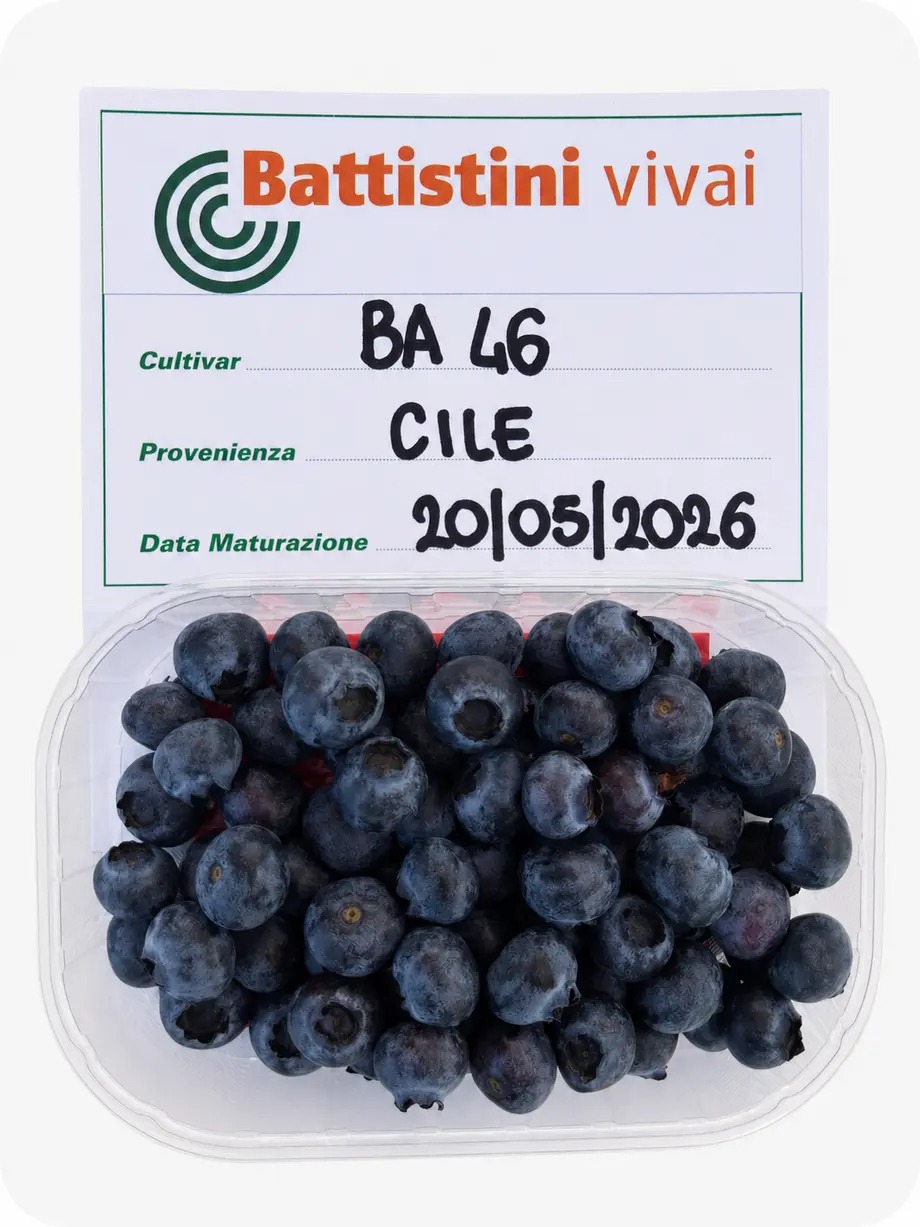
| BA 46 | SOUTH | EARLY | CHILE | 11.6 / 0.6 | 10.07 / 1.18 | 17 | 17 |
| BA 45 | SOUTH | EARLY | CHILE | 11.2 / 0.5 | 11.23 / 1.58 | 16 | 16 |
| NEW HANOVER | SOUTH | EARLY | USA | 12 / 0.7 | 13.60 / 0.80 | 18 | 18 |
| ALIX BLUE | SOUTH | EARLY | USA | 11.9 / 0.9 | 11.33 / 0.83 | 17 | 18 |
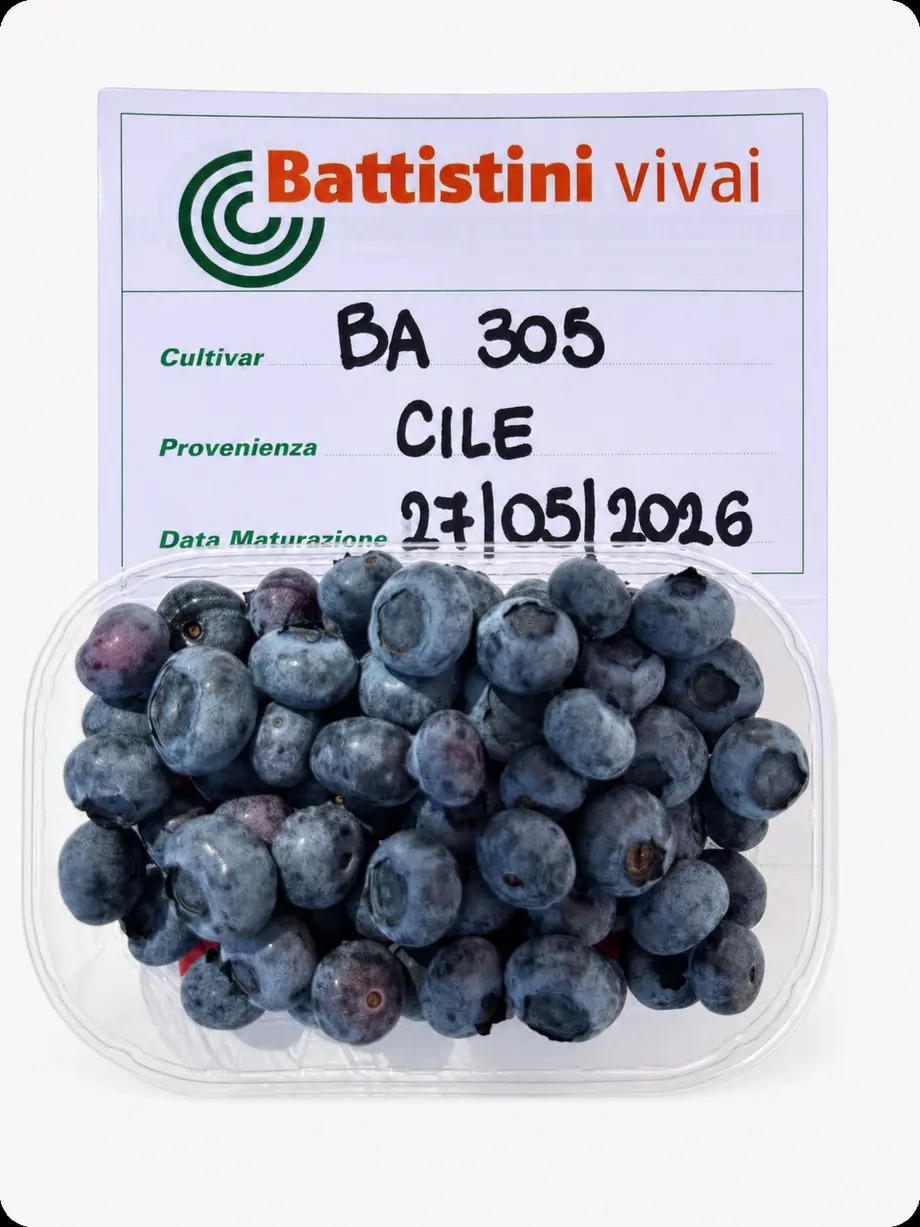
| BA 305 | SOUTH | EARLY | CHILE | 13 / 0.3 | 10.70 / 0.40 | 18 | 19 |
| BA 307 | SOUTH | EARLY | CHILE | 7.7 / 0.7 | 10.30 / 0.56 | 17 | 19 |
| BA 22 | SOUTH | EARLY | CHILE | 10.5 / 0.7 | 10.06 / 0.65 | 16 | 18 |
| DUKE | NORTH | EARLY | USA | 10.3 / 0.4 | 11.30 / 0.66 | 16 | 17 |
| NORDICA A 81 | NORTH | EARLY | CHILE | 11 / 0.7 | 10.23 / 1.72 | 19 | 19 |
| A 11 | NORTH | EARLY | CHILE | 12.8 / 0.7 | 10.93 / 1.67 | 17 | 16 |
| ATHENA | NORTH | EARLY | POLAND | 11.5 / 0.9 | 12.63 / 1.53 | 18 | 18 |
| ORUS 235-3 | NORTH | EARLY | USA | 12.5 / 0.5 | 11.17 / 0.82 | 16 | 17 |
| DEMETER | NORTH | EARLY | POLAND | 10.3 / 0.3 | 10.8 / 0.32 | 18 | 17 |
| ZEUS | NORTH | MID-EARLY | POLAND | 10.3 / 0.4 | 11.25 / 0.59 | 19 | 20 |
| LEGACY | NORTH | MID-SEASON | USA | 13 / 0.5 | 12.1 / 0.35 | 19 | 19 |
| APOLLO | NORTH | LATE | POLAND | 14.2 / 0.4 | 11.53 / 0.59 | 19 | 20 |
| TALISMAN | NORTH | LATE | USA | 10.1 / 0.8 | 12.45 / 0.5 | 17 | 17 |
Low Chill and No Chill varieties
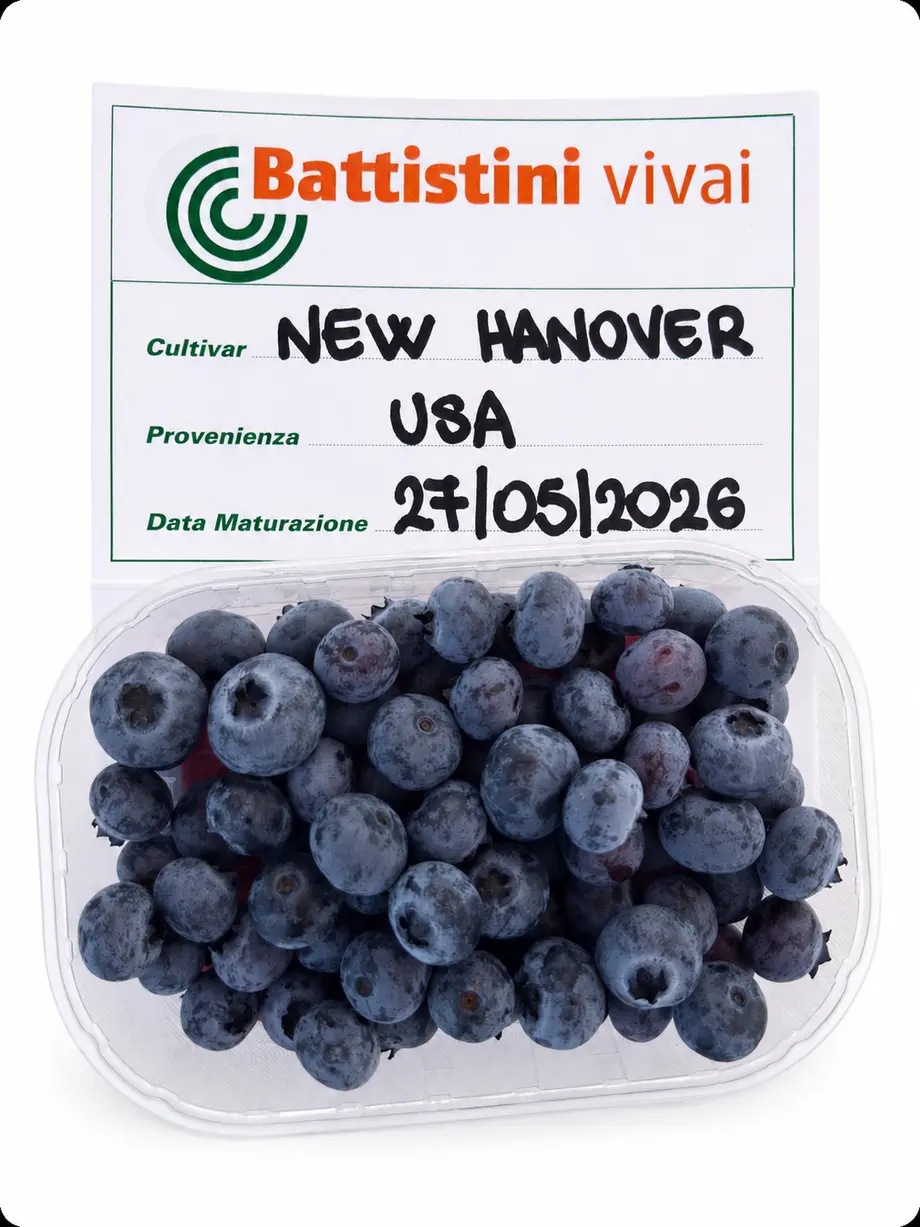
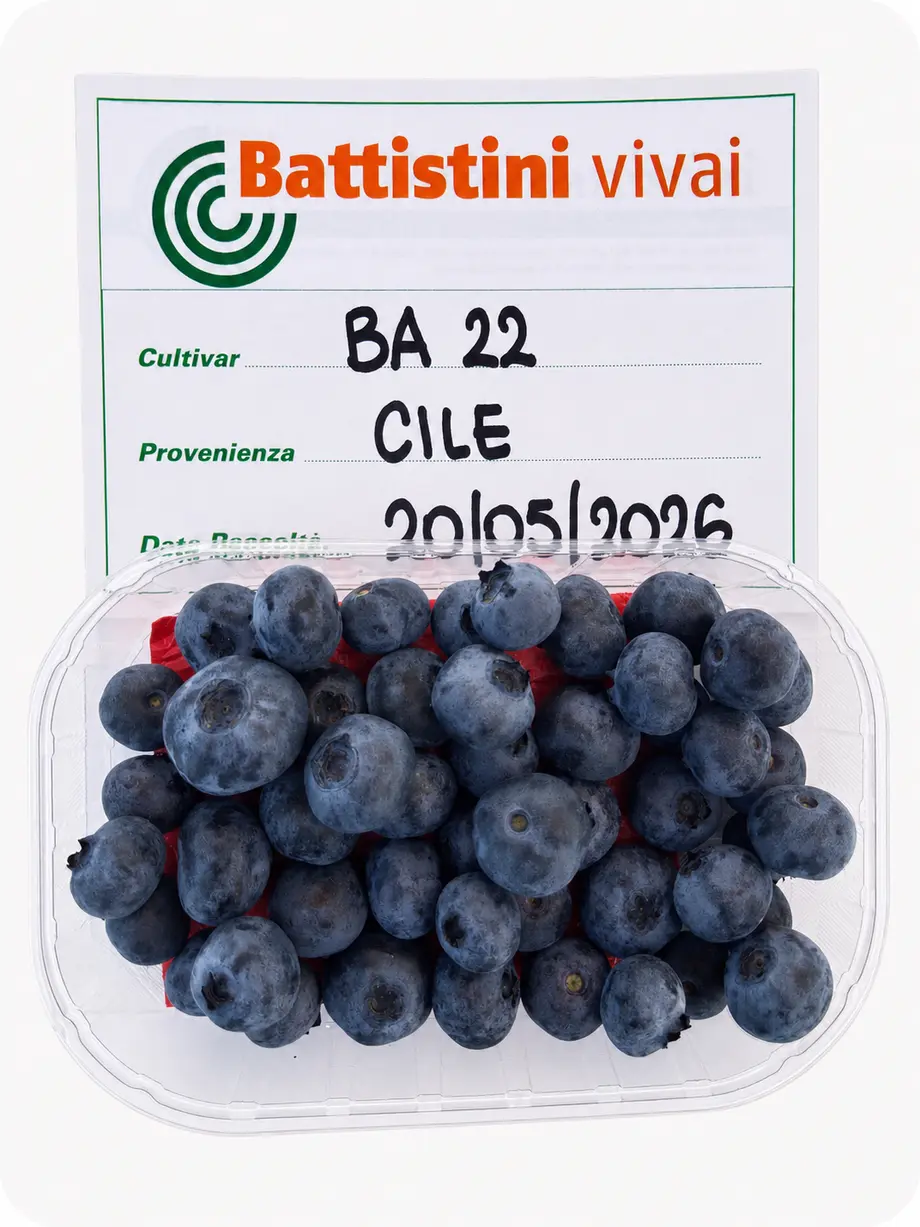
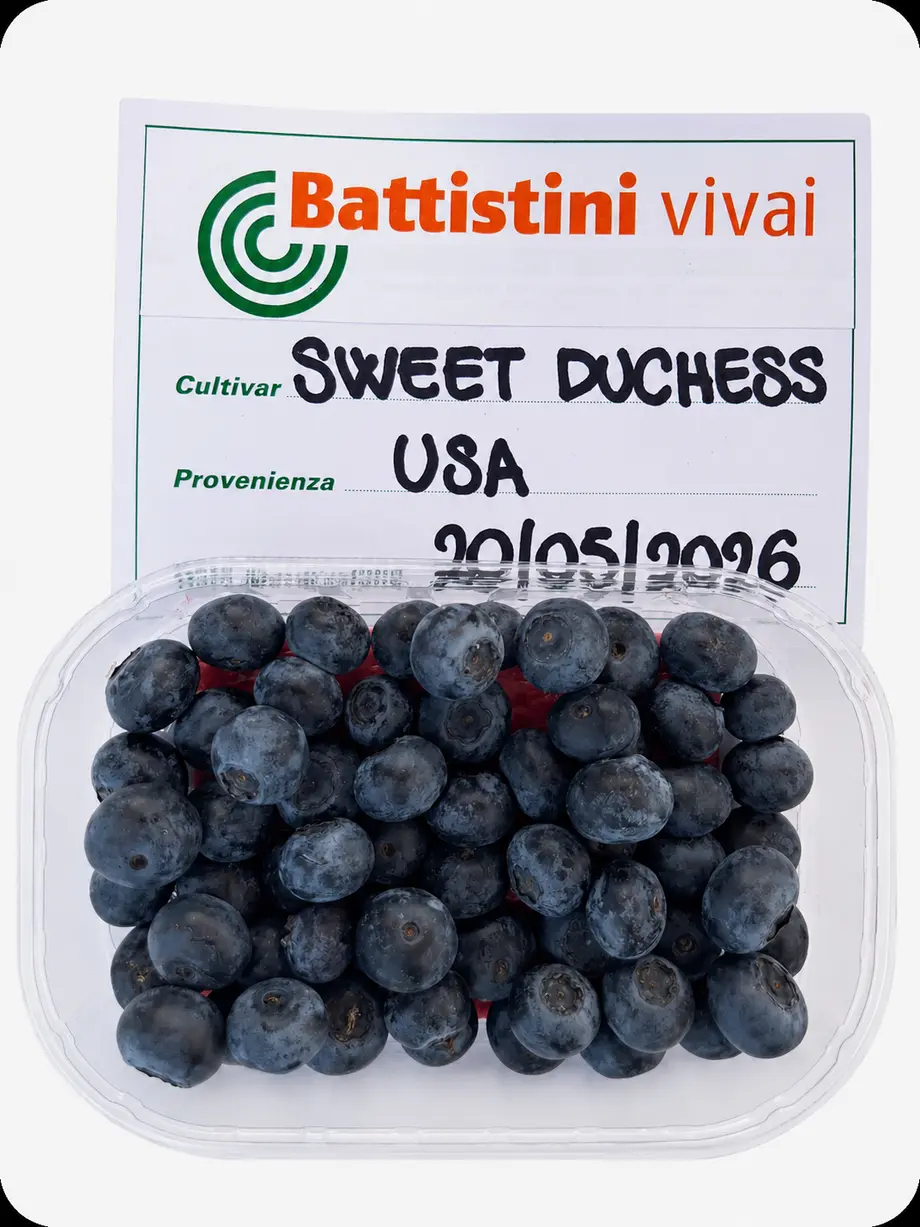
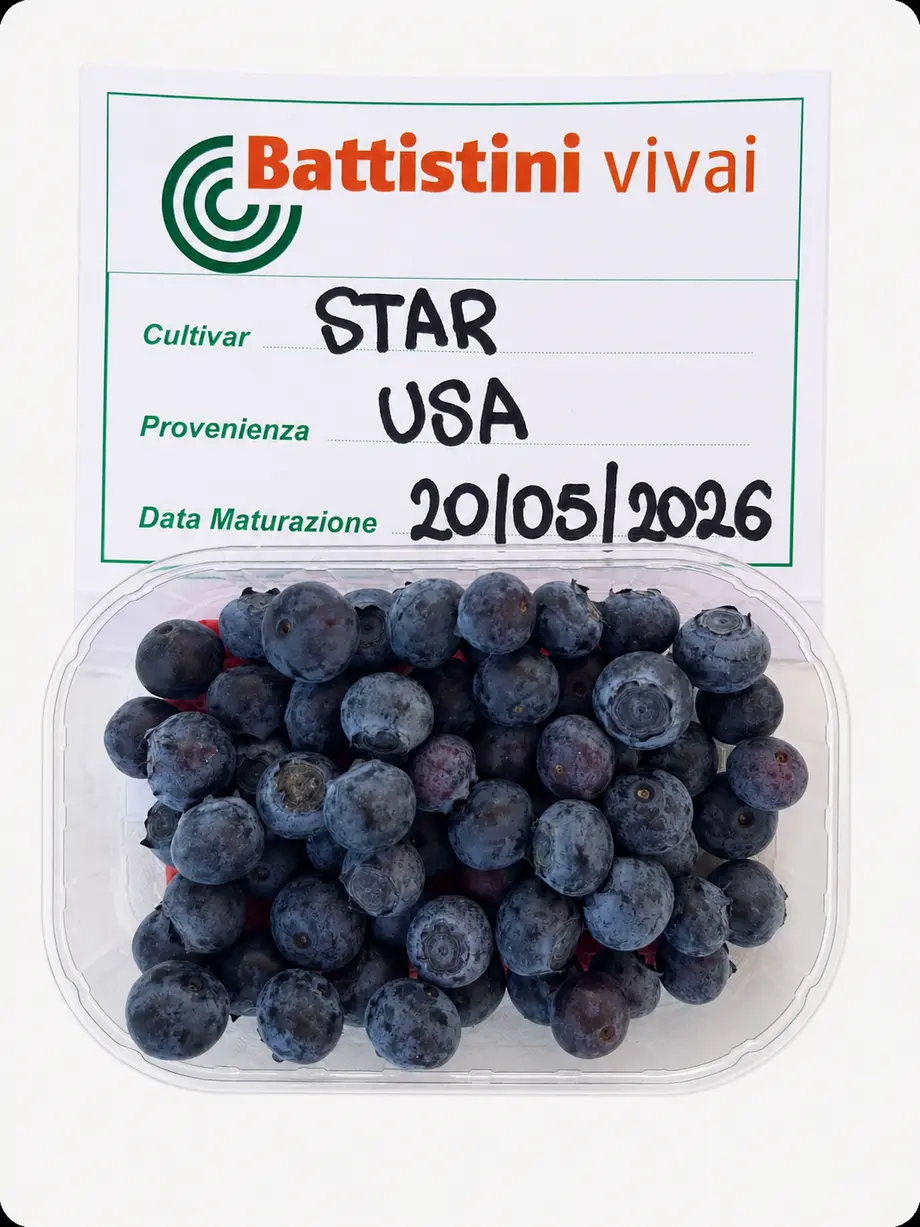
High Chill and Medium Chill varieties
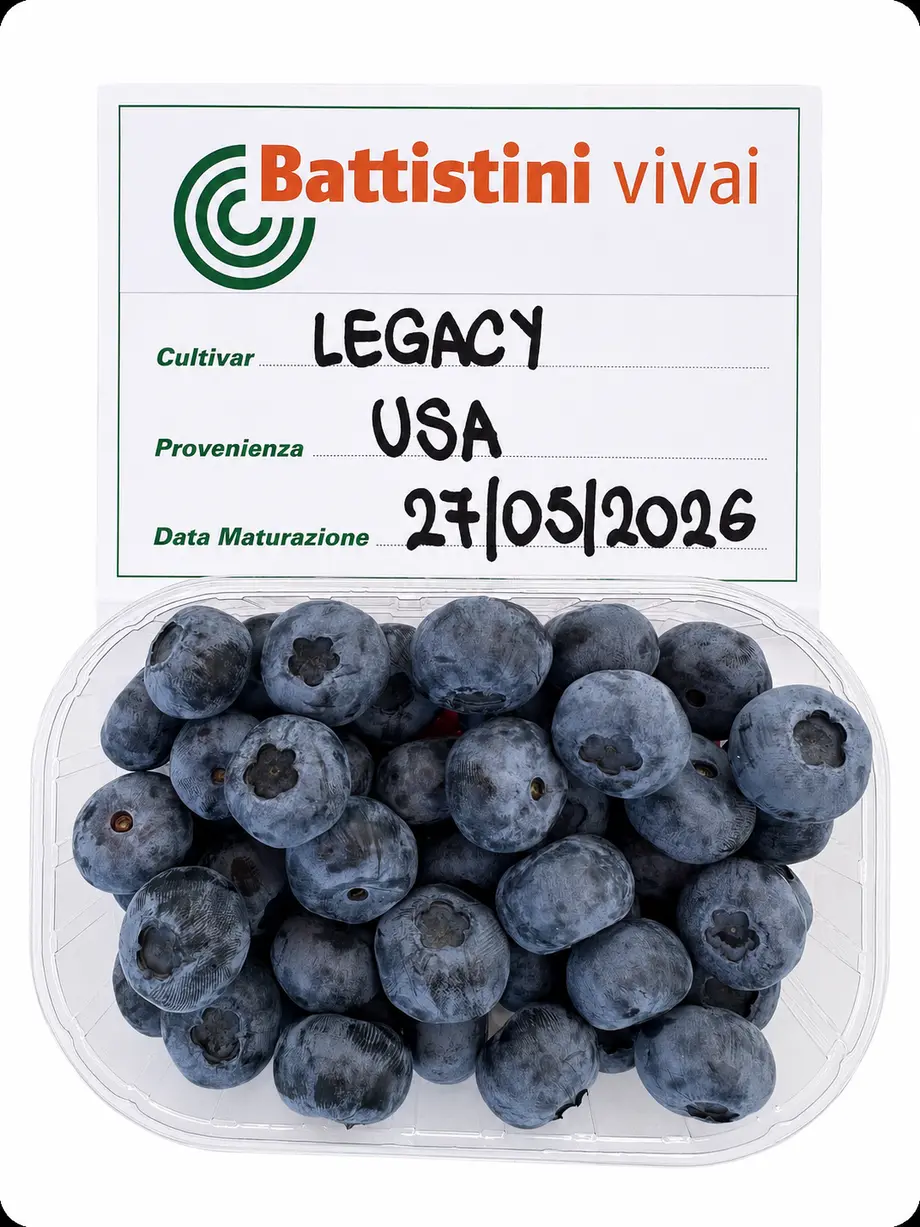
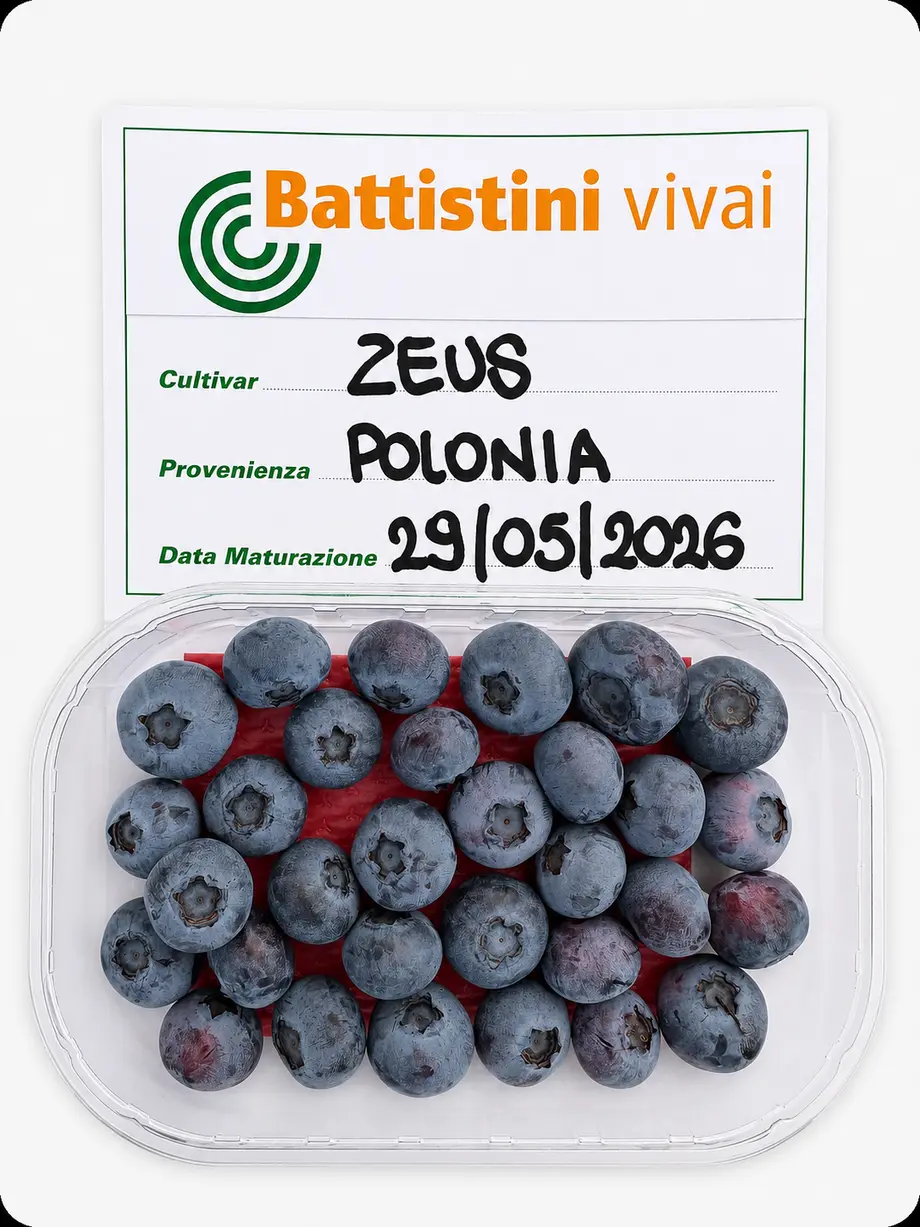
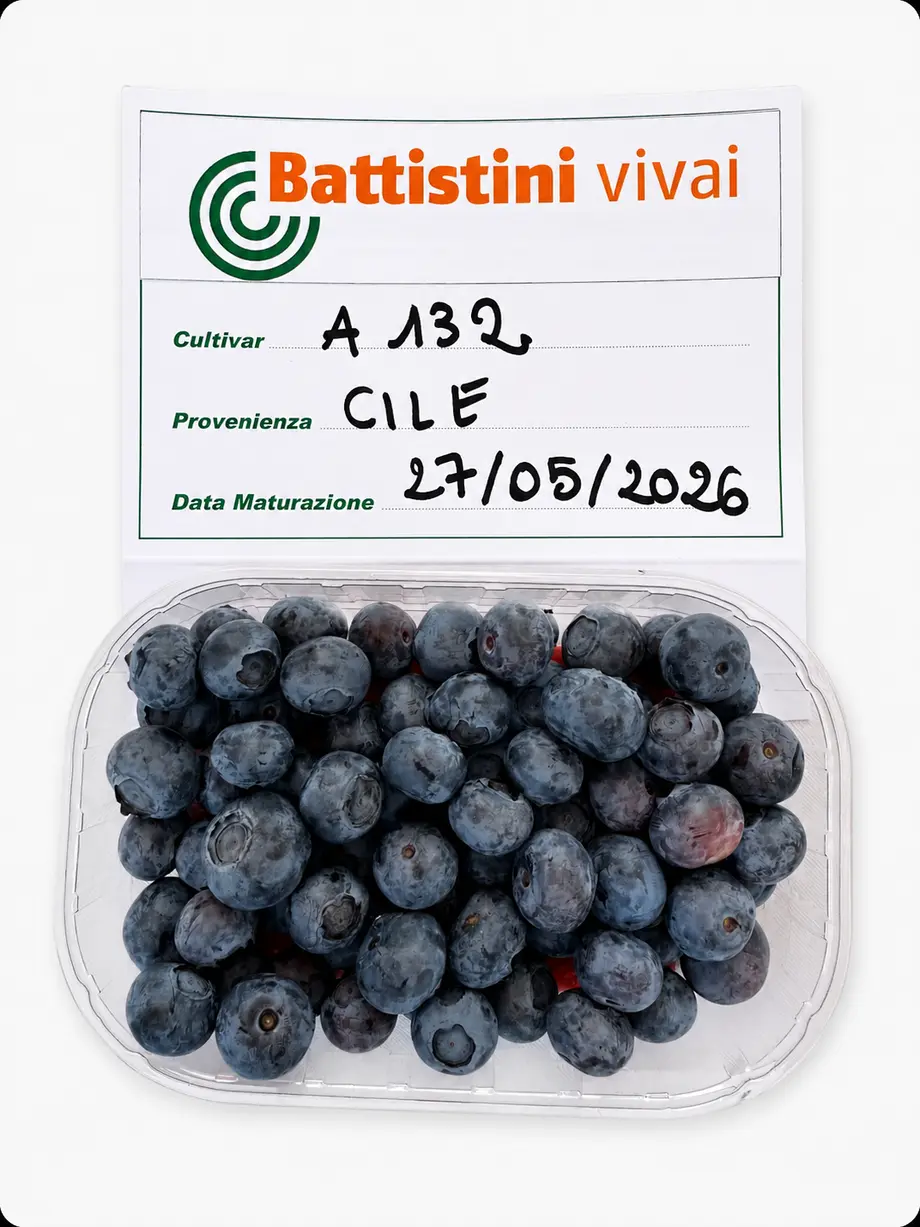
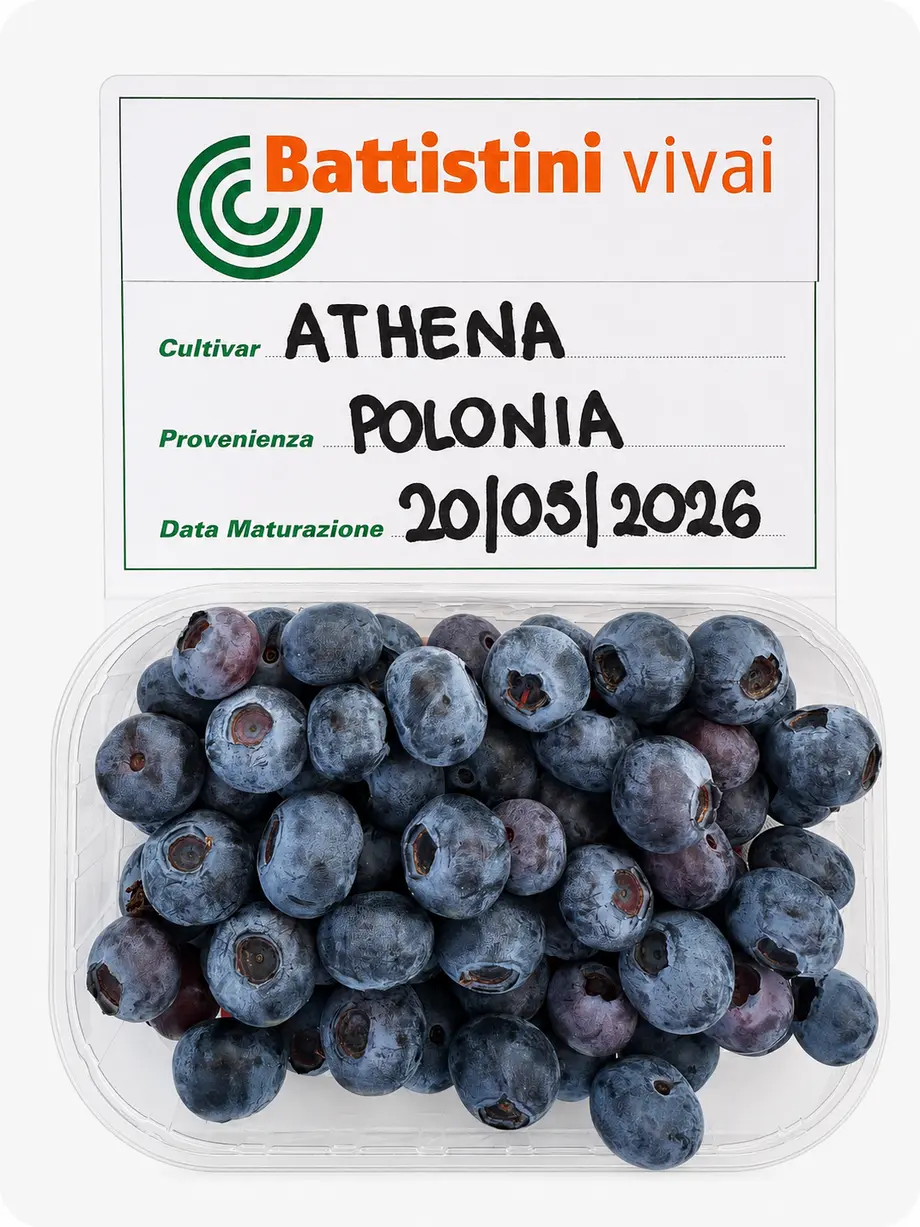
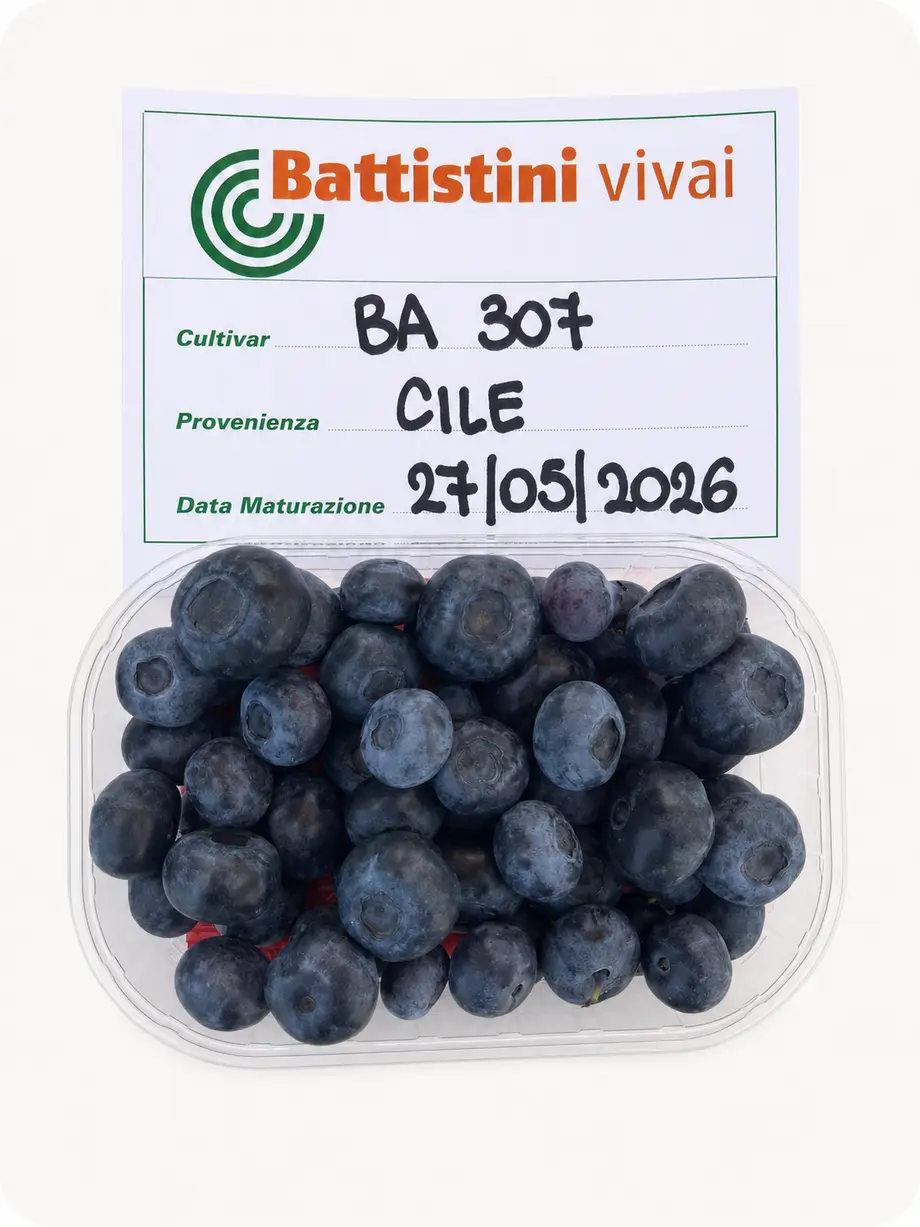
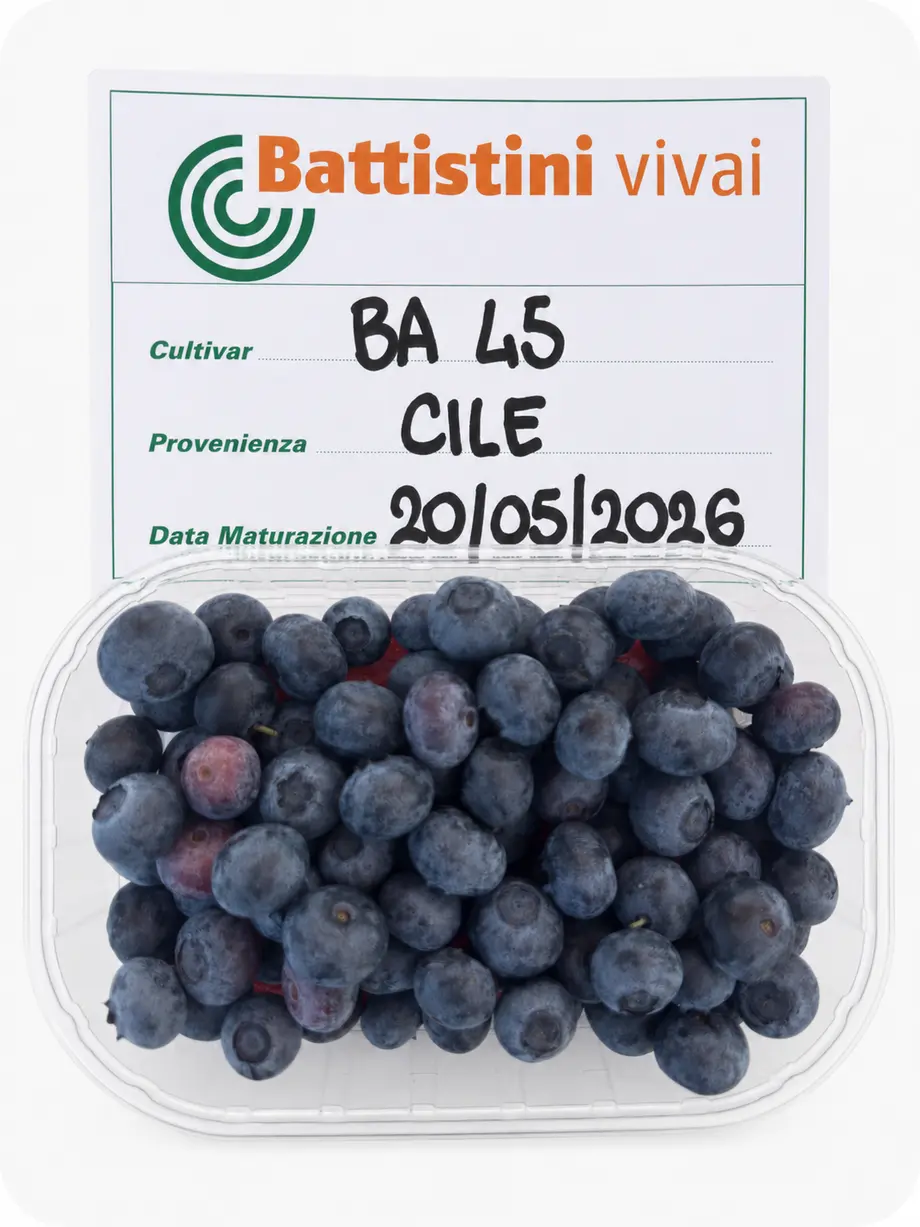
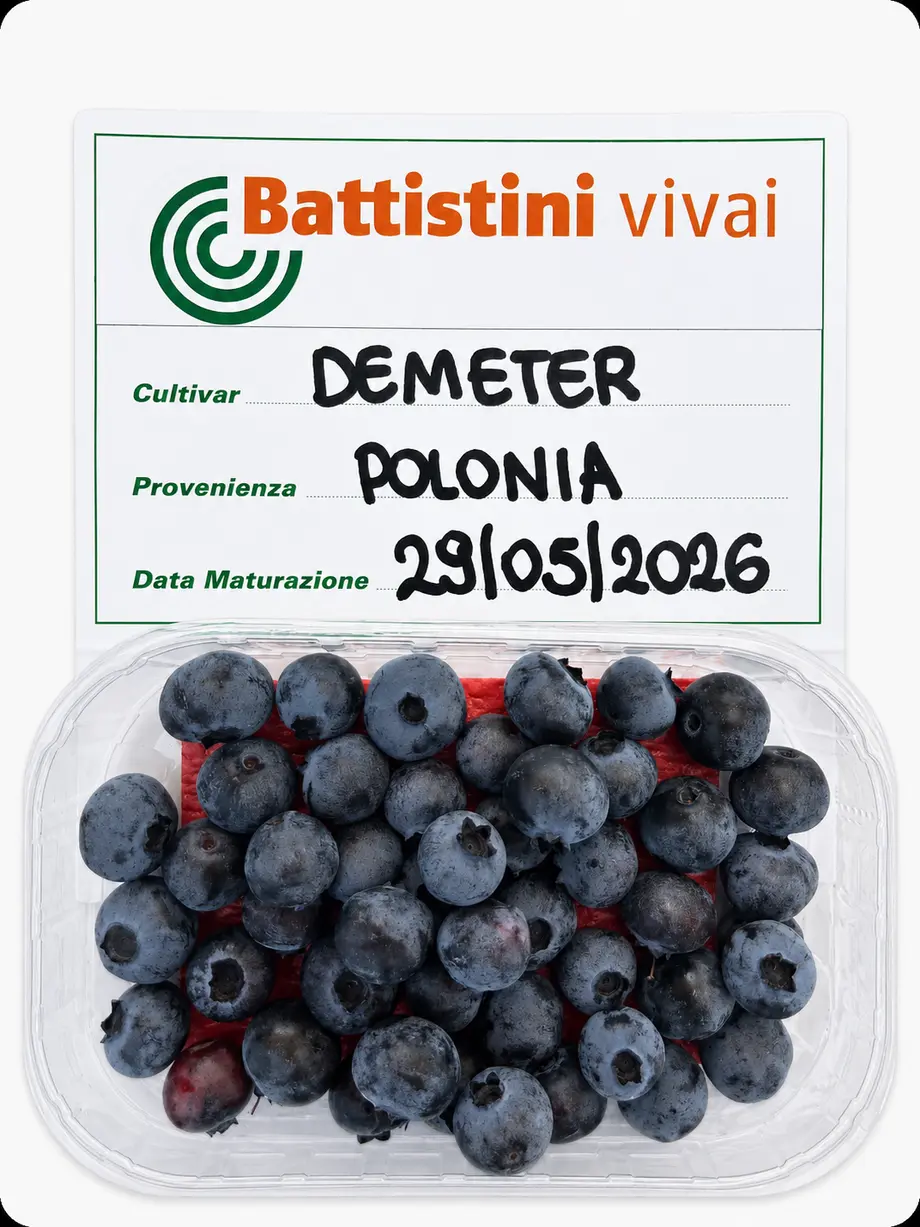
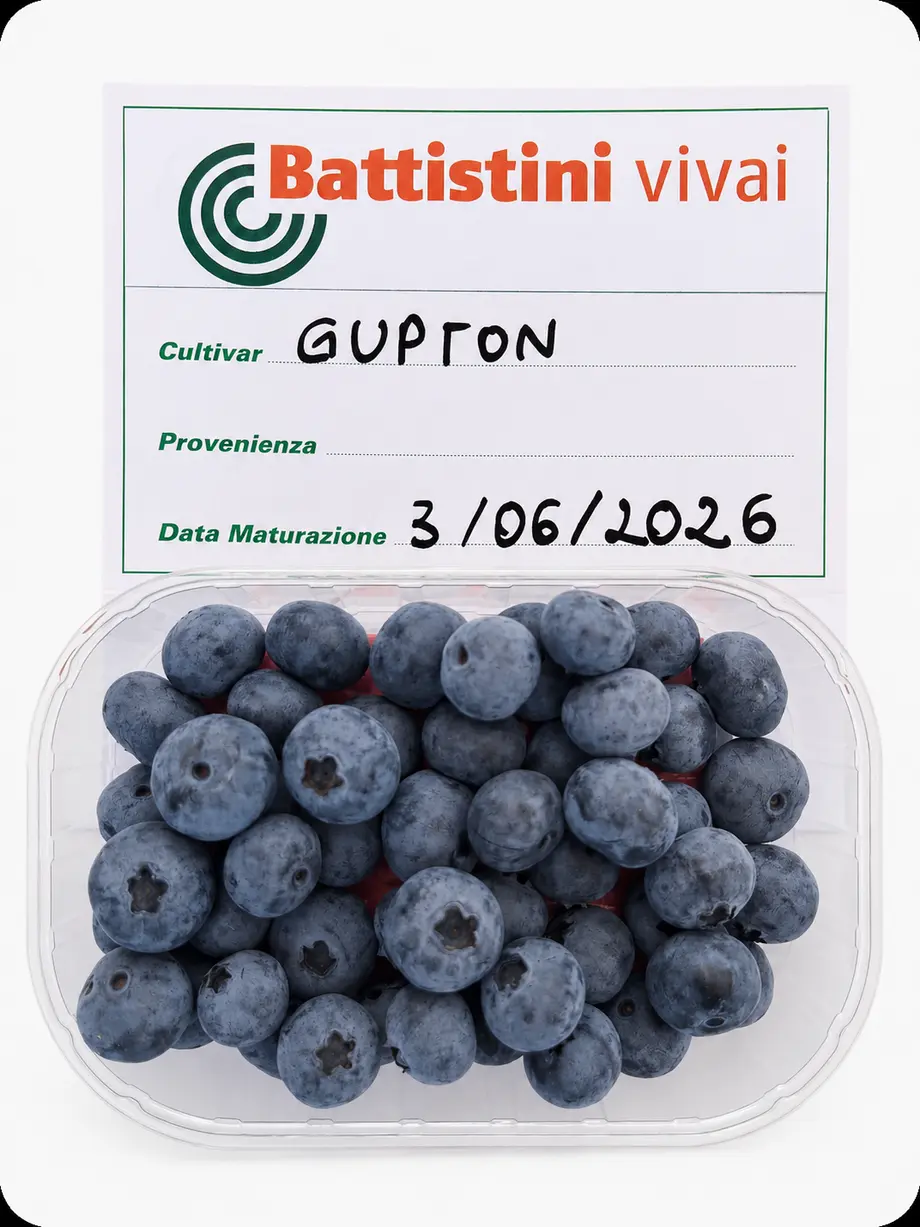
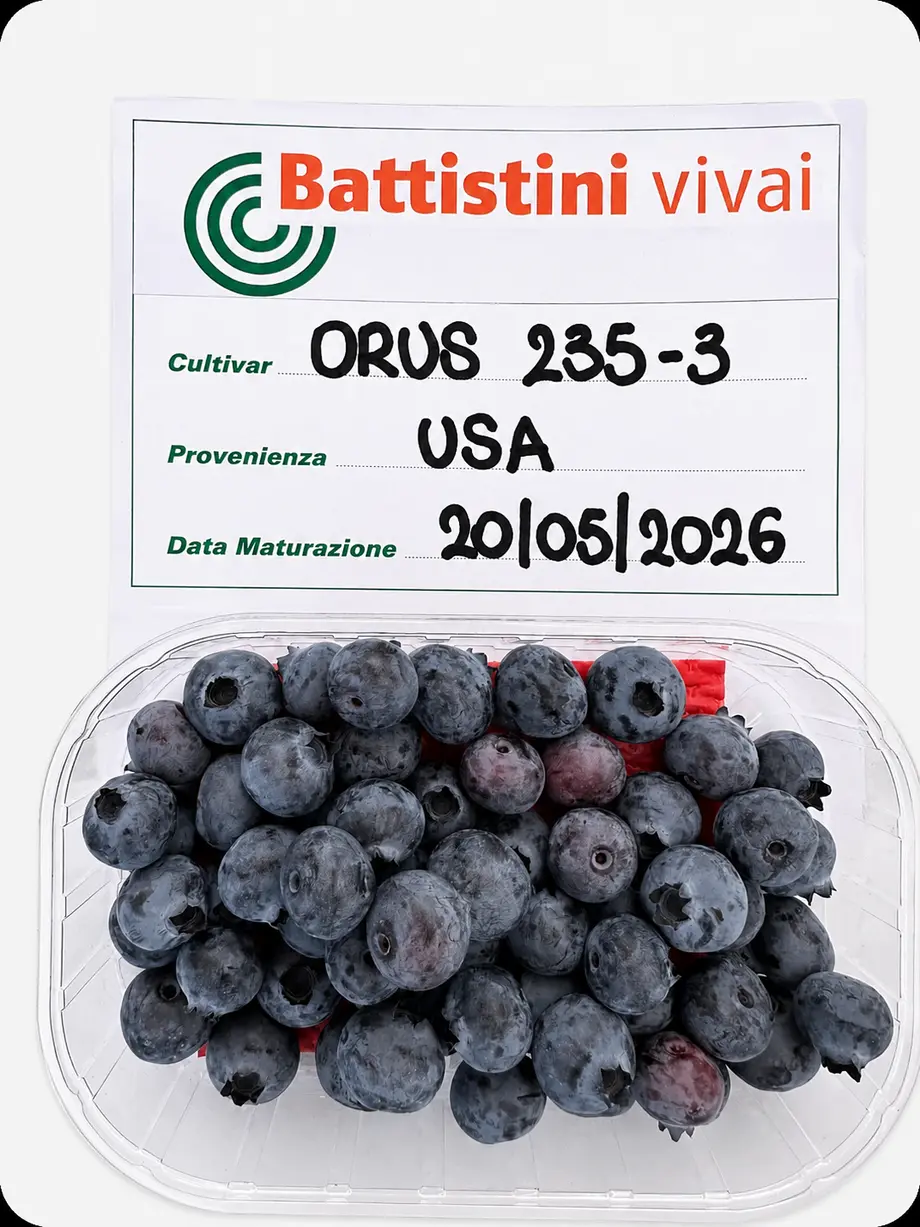
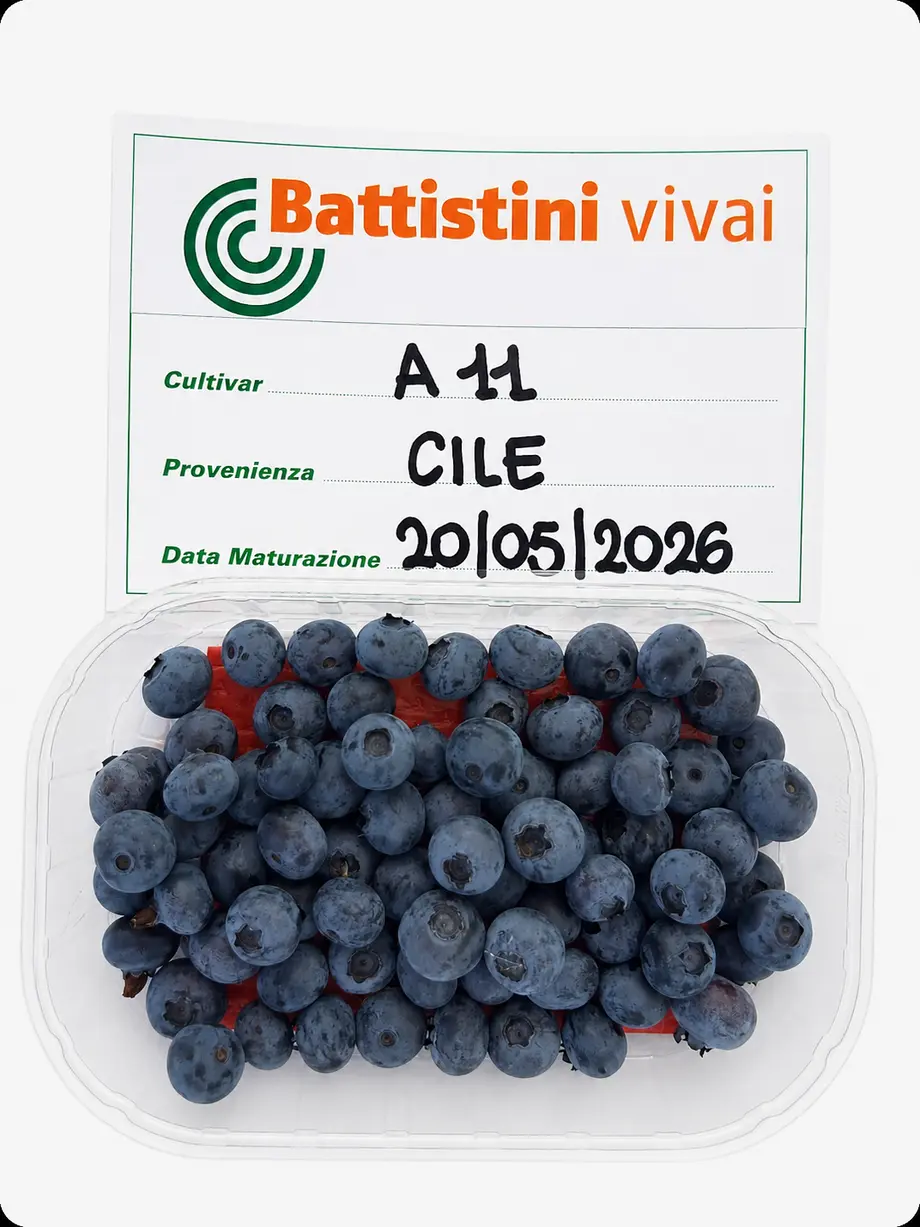
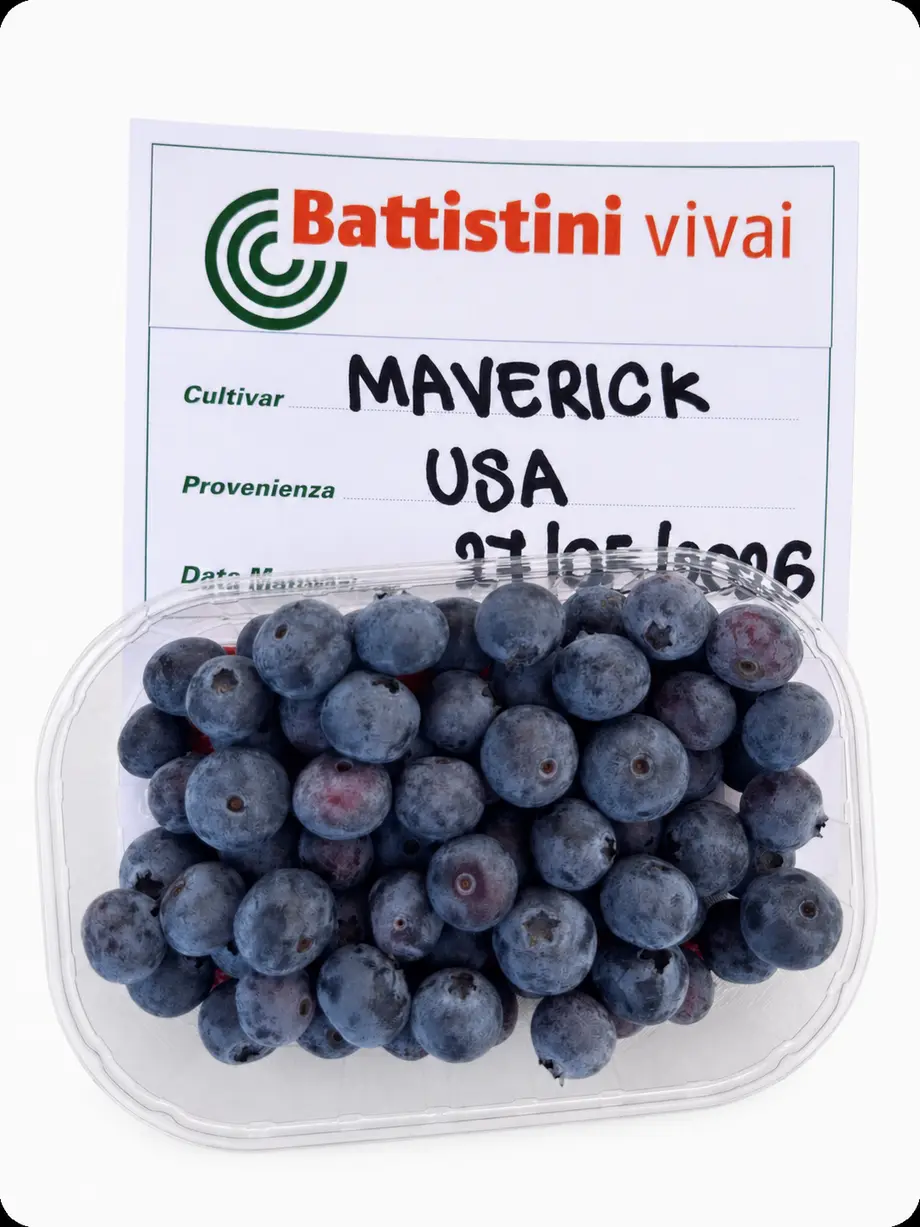
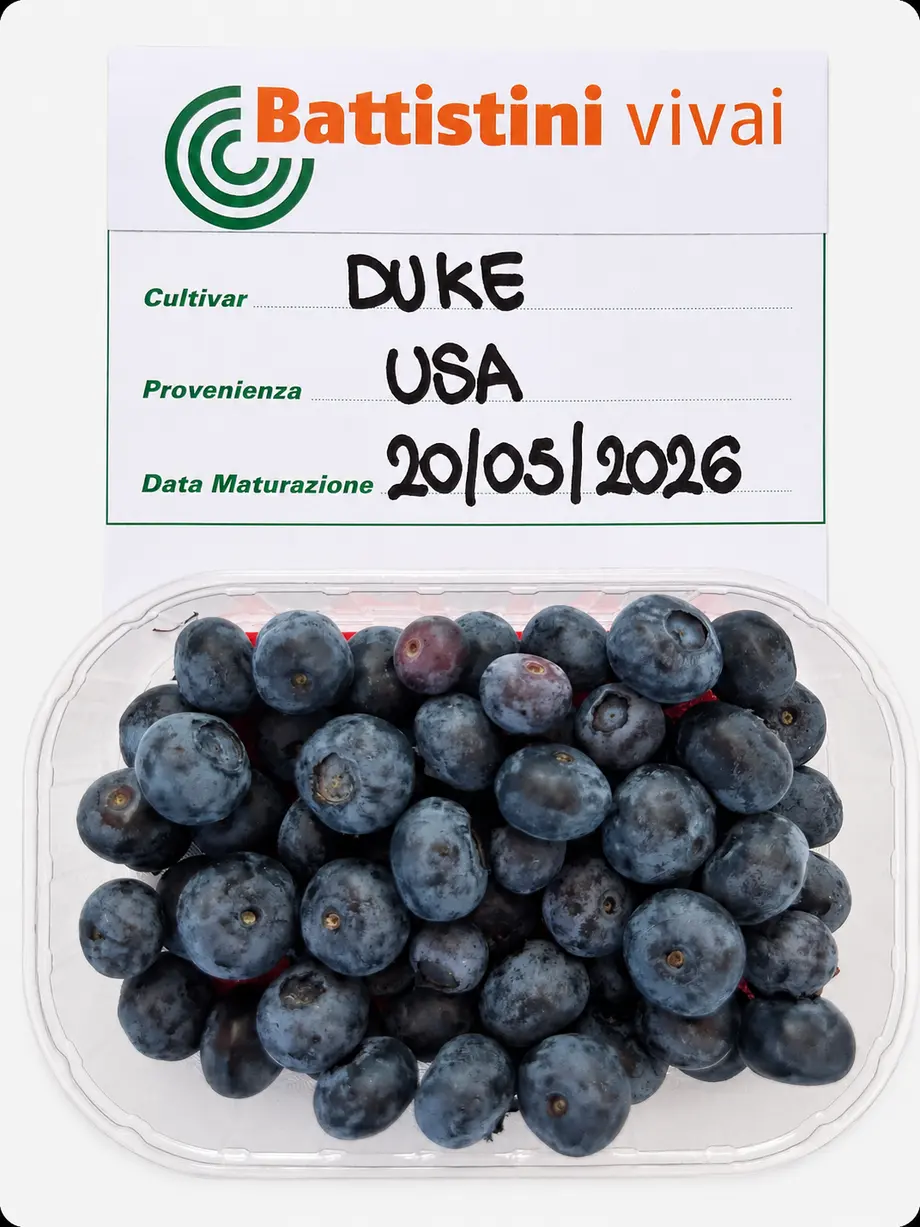
The Bat-berry field as a varietal laboratory
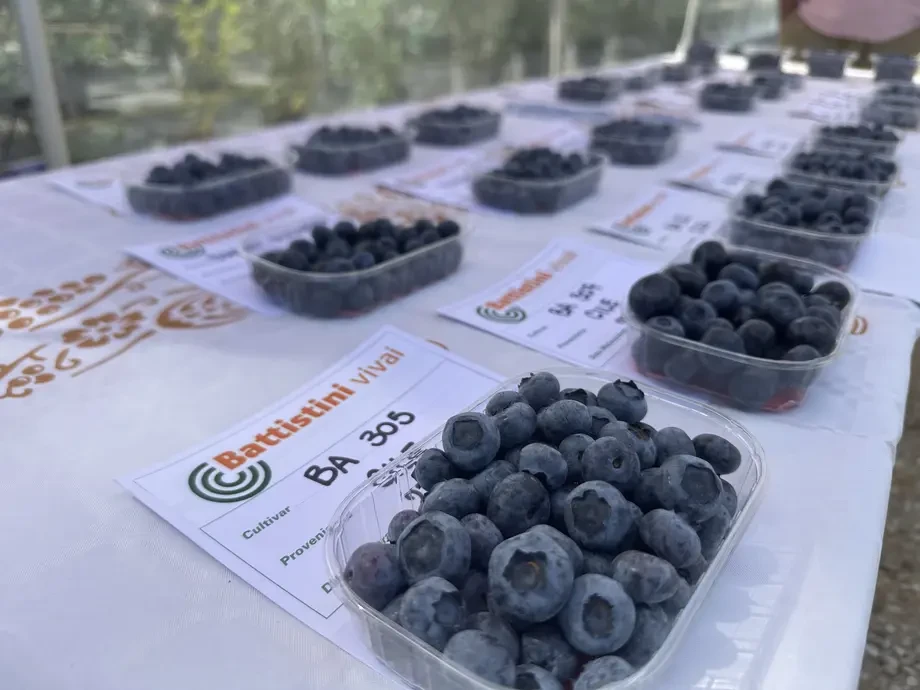
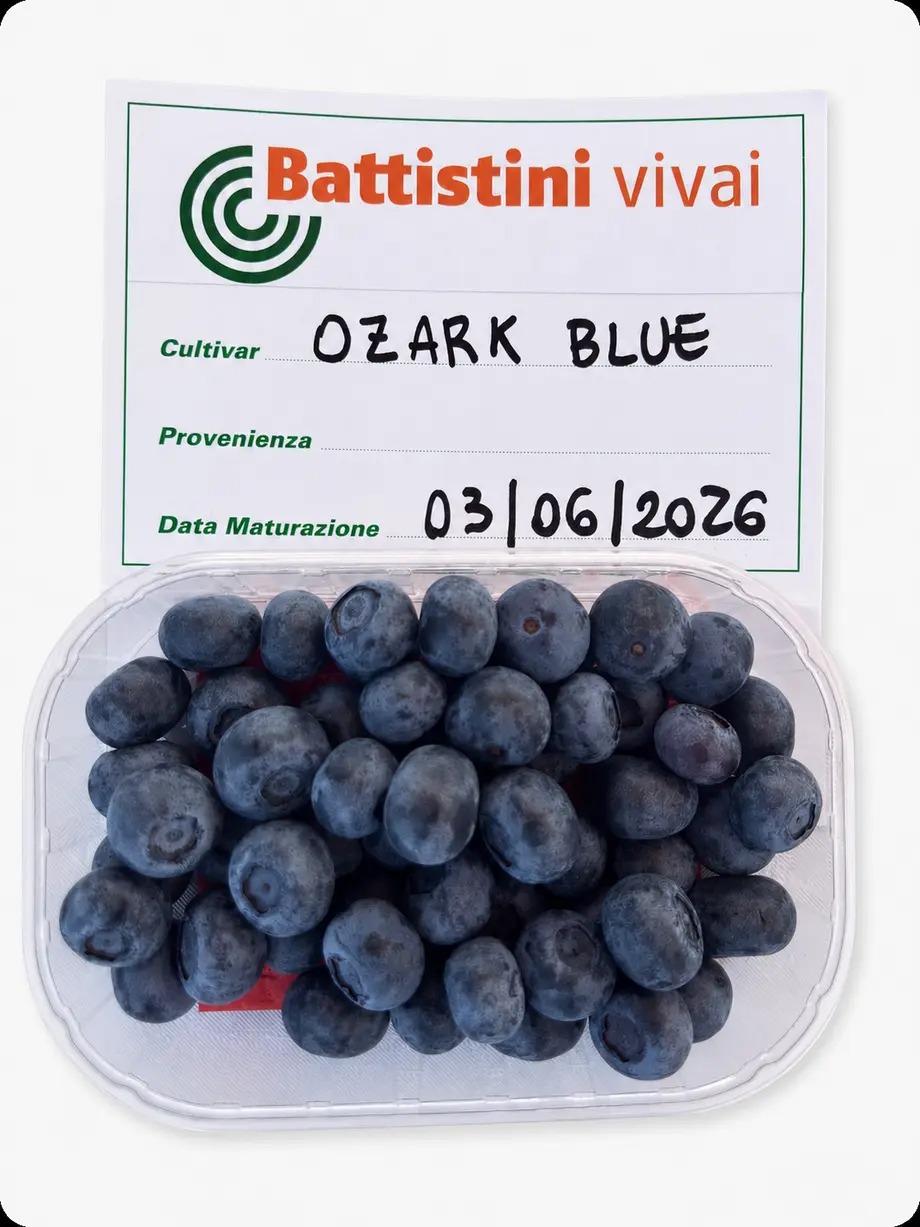
At the Pomological Exhibition, around fifty blueberry genotypes are also being presented, including advanced selections and varieties from several international breeding programs.
The fruits are produced within the Bat-berry field, Battistini Vivai’s experimental field dedicated to the evaluation of new genetics. Cultivation takes place in a soilless system, with light shading applied only during the production phase.
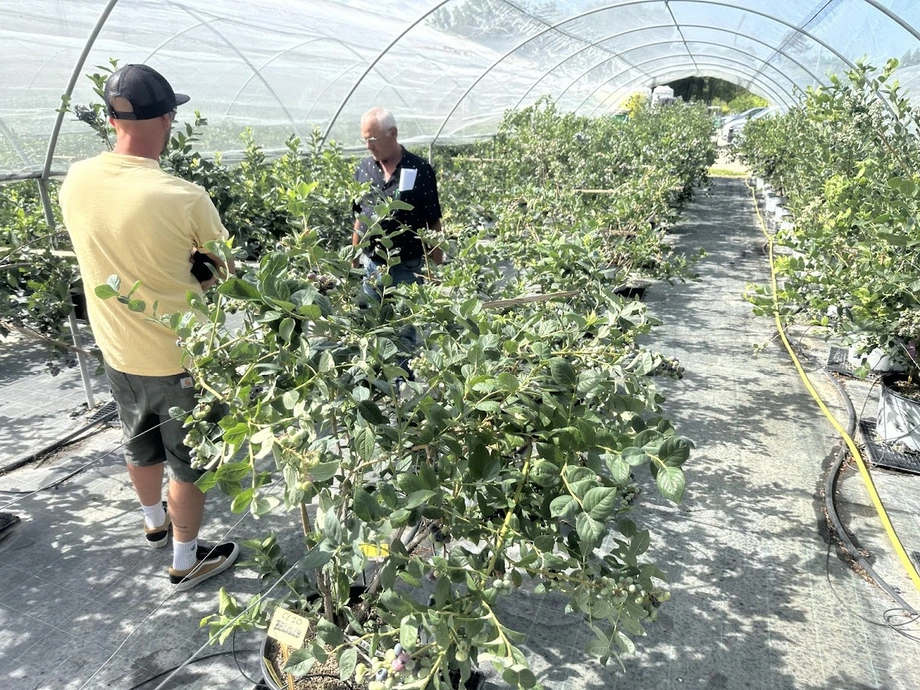
This experimental planting represents a strategic tool for directly observing the agronomic and productive behavior of new selections. The possibility of evaluating field performance allows the company to identify the most suitable material to offer growers, taking into account different climatic conditions and the technical requirements of different production areas.
Raspberry: seven years of research with the University of Ancona
Alongside blueberries, Battistini Vivai is also continuing its breeding program dedicated to raspberries, developed over the past seven years in collaboration with the University of Ancona.
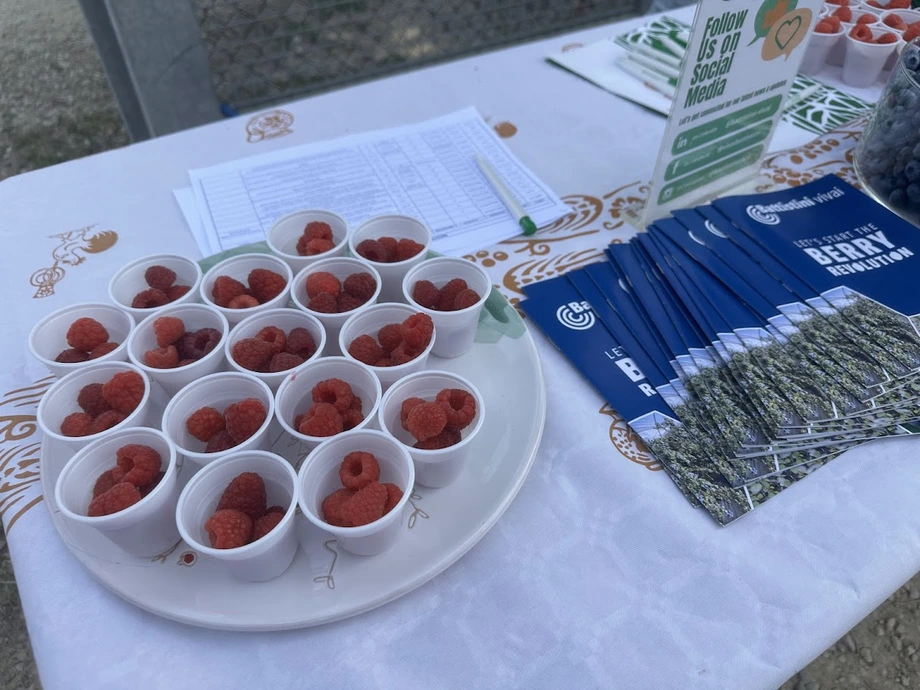
The most advanced selections have shown interesting characteristics from several points of view: firmness, flavor, color, and fruit size. These are all decisive elements for building a varietal proposal capable of meeting the demands of retailers and consumers, as well as the production needs of farms.
A central aspect of the program concerns the evaluation of selections in different environments. Experimental trials have in fact been distributed across different production areas, with the aim of verifying the behavior of new genetics under non-homogeneous pedoclimatic conditions.
Climate resilience enters varietal selection
Climate change is now a structural variable for fruit growing and has a direct impact on varietal choices. For this reason, particular attention has been paid to climate resilience in the raspberry program.
The new selections have also been tested under conditions of water stress, high temperatures, and strong solar radiation. The aim is to develop more adaptable varieties, capable of maintaining good performance even in production contexts exposed to increasing climatic pressure.
The direction indicated by Battistini Vivai is therefore clear: genetics must no longer respond only to traditional parameters of productivity and quality, but must also contribute to the technical sustainability of plantings, production stability, and the ability of farms to face increasingly complex climate scenarios.
With the innovations presented at the 2026 Pomological Exhibition, Battistini Vivai thus strengthens its positioning in the selection and valorization of new cultivars, with a particular focus on berries and on an innovation model based on field observation, international collaboration, and adaptation to the future challenges of production.