









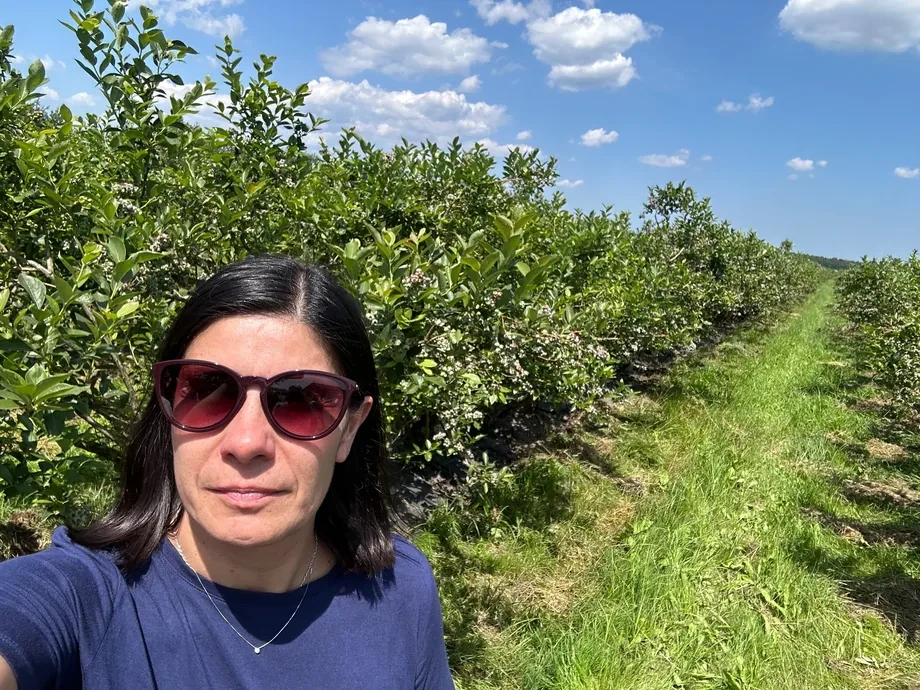
Varietal characterisation by country and production area is becoming essential to achieving production objectives, not only in terms of volume, but also to obtain consistent quality and good post-harvest shelf life. We discuss this with Paula Del Valle, a leading professional in the field of quality and post-harvest handling of berries, with over 20 years of experience.
Paula, how do we really define the ideal harvest time for each variety, and how do we achieve consistency?
To answer that, we must go back a little further. It’s not enough to look only at the harvest day or the re-entry cycles. We need to consider many associated factors that influence the post-harvest behavior of the fruit. It’s not just about harvesting, packing, applying some technology, and shipping.
It’s a process that requires understanding the plant’s behavior under the conditions in which it grows and develops—how it flowers, how it produces, or sometimes, why it does not.
In recent seasons, what have been the main challenges affecting this process?
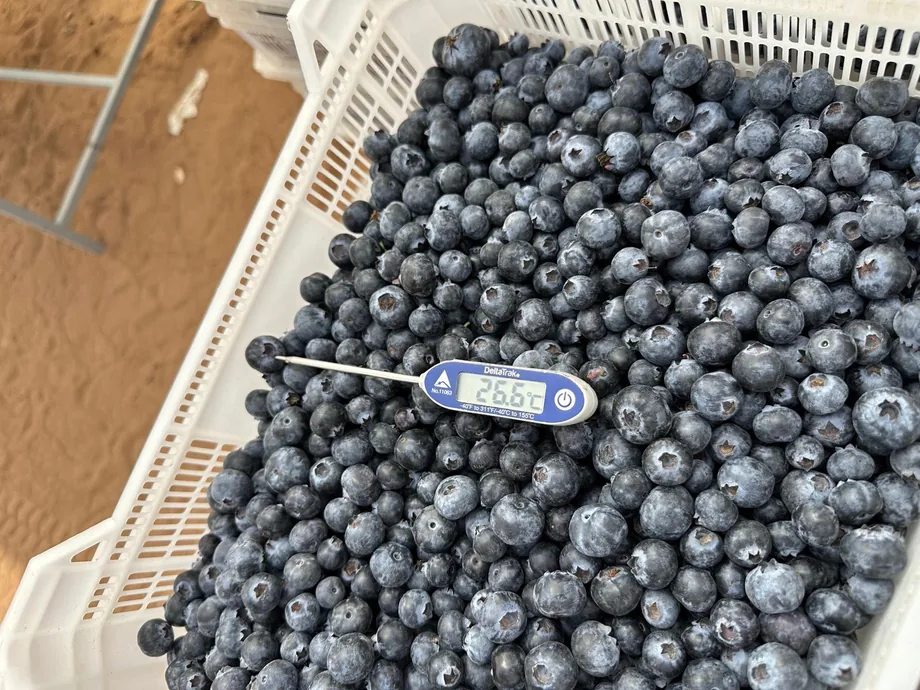
In recent years, we’ve faced increasingly greater challenges. The 2023 season was really a prelude to what was to come: heat waves combined with low temperatures, to the point of delaying production and creating problems in production levels. This wasn’t because we lacked buds, but because in many cases we ended up with smaller fruit as a direct result of climatic influence. The plant responds to the environment it is exposed to.
Your work takes you to many different production regions. How has that shaped your perspective?
Thanks to my travels to different locations, I’ve been fortunate to witness plant and fruit development and to evaluate post-harvest behavior across various genetic programs. Each program has its own advantages.
We’re now working in areas where, 20 years ago, we would never have imagined producing blueberries. I’ve been involved in what is, frankly, a complex process, but with the collaboration of companies I’m grateful to—and others who are passionate about learning how to achieve consistent quality and post-harvest performance—it has become a process strongly built on experience.
Genetic programs provide guidelines, but are they always enough?
Each program offers a roadmap of behavior, key indicators, and expectations—how the plant should produce and should behave. But we often forget that we are dealing with a living organism. It responds to the conditions in which it develops, and when those conditions are challenging, nature responds accordingly.
How has varietal performance changed over time?
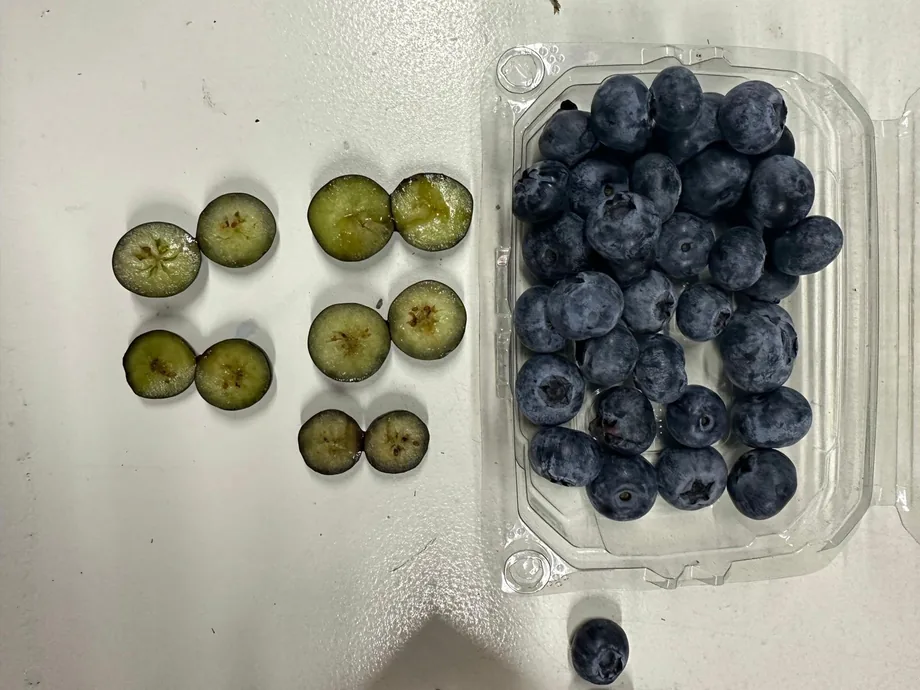
Today we have exceptional varieties that release ethylene, have high respiration rates, and perform well at 0 °C. They continue to breathe and even accumulate more brix. Twenty years ago, we didn’t even think about this. Or perhaps we did, but we hadn’t yet factored in climate instability or the geographical expansion of production.
Have these changes been foreseeable?
The truth is, we don’t always learn. Eighteen to twenty years ago, we were already anticipating that varietal behaviors could change, that susceptibilities to certain diseases might appear—issues we never imagined seeing in blueberries. That’s a key point: we work with living beings, and nature responds.
What are you seeing today at grower level?
I’ve seen a great deal of heterogeneity and real complexity for growers, especially when they face rejection after rejection. We see fruit with very high sugar content, heterogeneous lots, firm but overripe berries, and even strange flavors. These situations are extremely frustrating and costly.
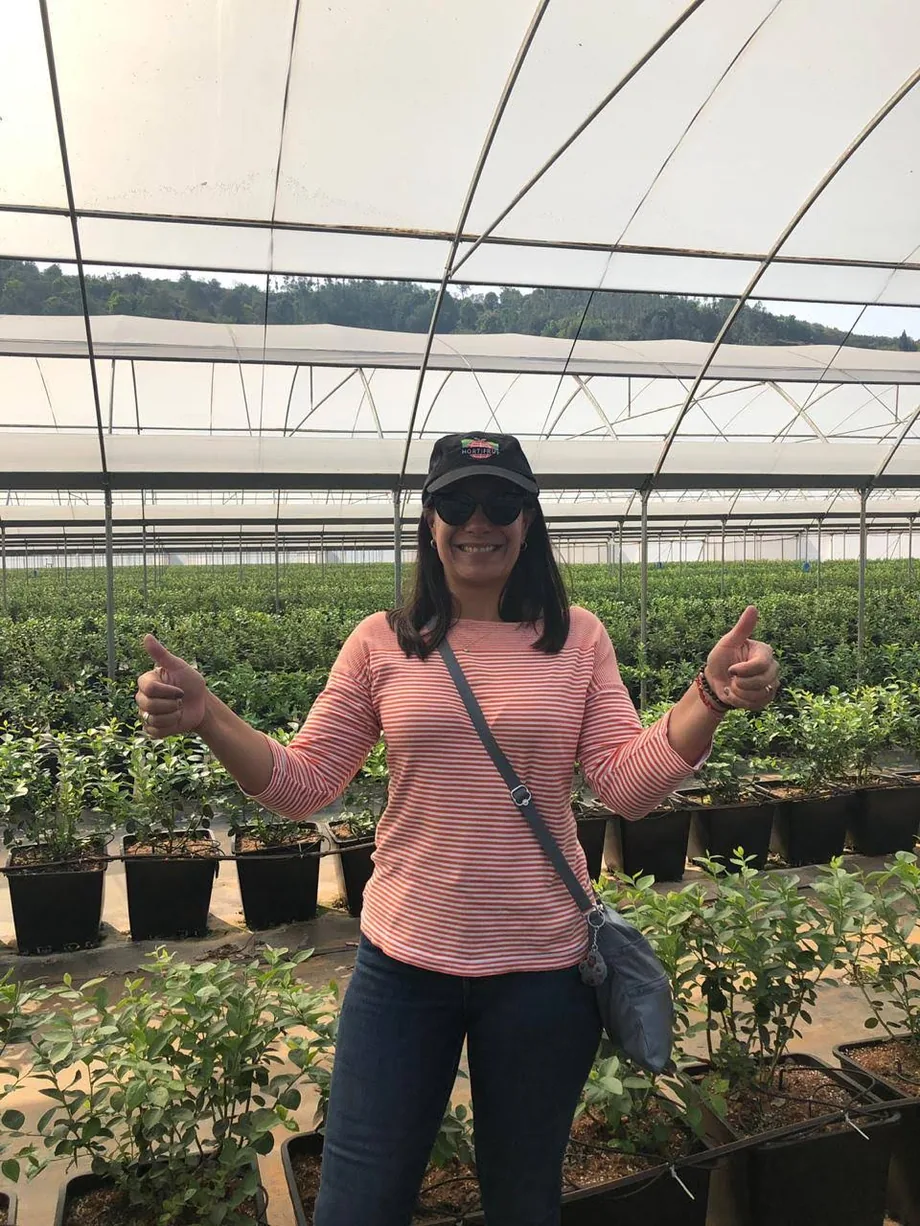
What conclusion do you draw from this?
It leads me to a very clear conclusion: we must work on varietal characterization that goes well beyond chilling requirements, expected yields in year four, firmness, or size.
As an industry, we must take responsibility for this. It’s something I’m deeply passionate about defining and describing. Fortunately, my work takes me to different countries and production regions, allowing me to work with almost all available genetic programs. I’ve been able to review data, guide producers, and encourage them to develop their own varietal characterization processes as a way to anticipate—or at least try to anticipate—the challenges imposed by climate.
Can technology solve these issues?
The challenge is significant. Finding a balance to achieve consistency—without requiring excessive additional effort or support—is essential. Technology can help, but it does not replace good quality fruit that originates in the orchard.
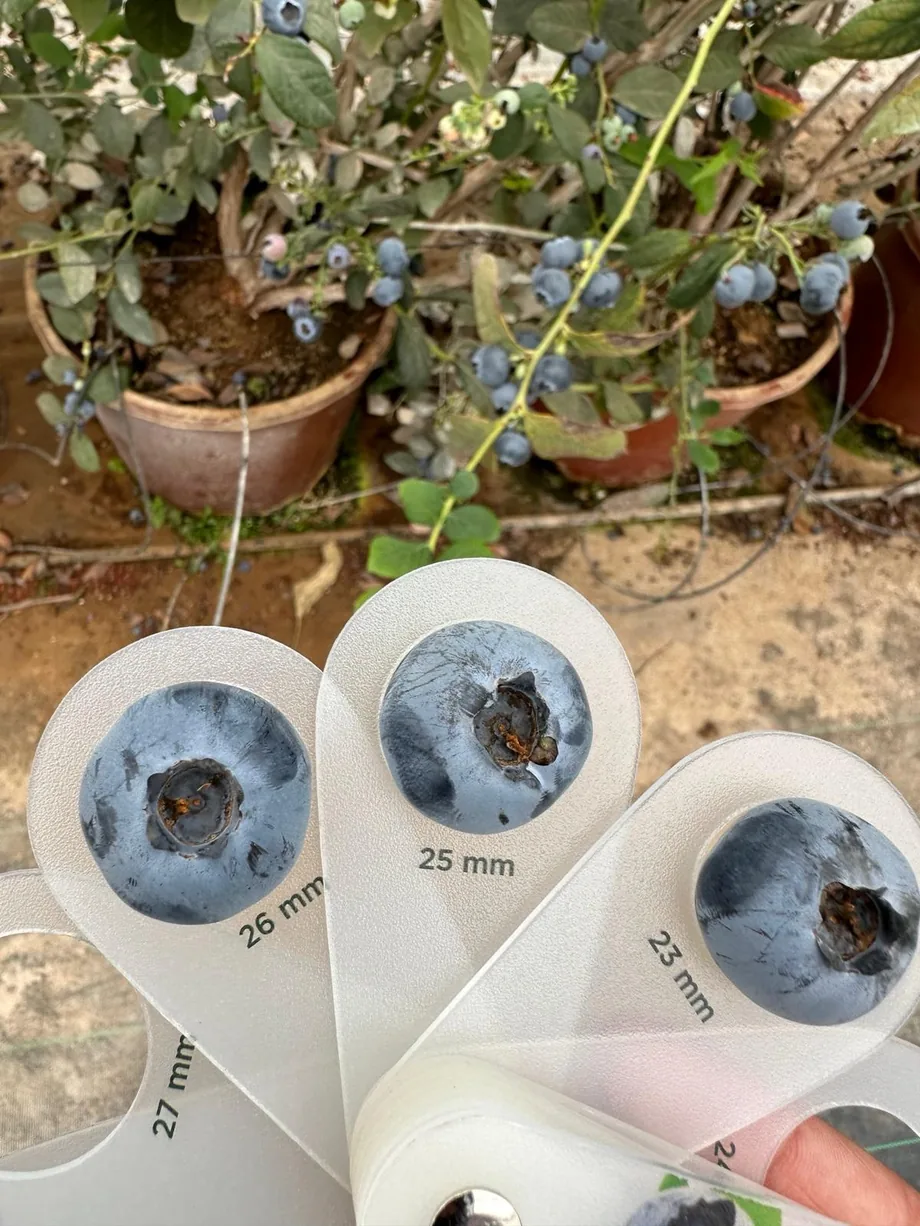
What does “consistency” really mean today for the blueberry industry?
For me, this is the key to progress—not just producing more kilos, but producing weight with quality, and achieving consistent fruit throughout the year and across different regions.
Some multinational companies have worked seriously on this, but the pressure to meet volume targets often pushes varietal characterization aside. Other priorities take over. And then we only remember how important it is when a difficult season arrives—weeks of heat, a short season, smaller fruit, and reduced volumes.
What should the industry be doing differently going forward?
This must be a continuous, ongoing process. It cannot happen only once or twice in a season, or in one year and then be forgotten the next. It needs to be implemented consistently, with genetic suppliers actively involved and collaborating.
As an industry, we must find balance and be consistent with the quality we expect to produce. That’s how we preserve the industry’s identity—rather than producing perfect fruit one year and, the next, fruit with 50% dehydration and undersizing.
Consistency means implementing continuous improvement processes—not only in documentation, but throughout the entire production chain. We must never forget that we work with living organisms. Mother Nature always manifests herself, and when we ignore that, we often end up paying the price.