







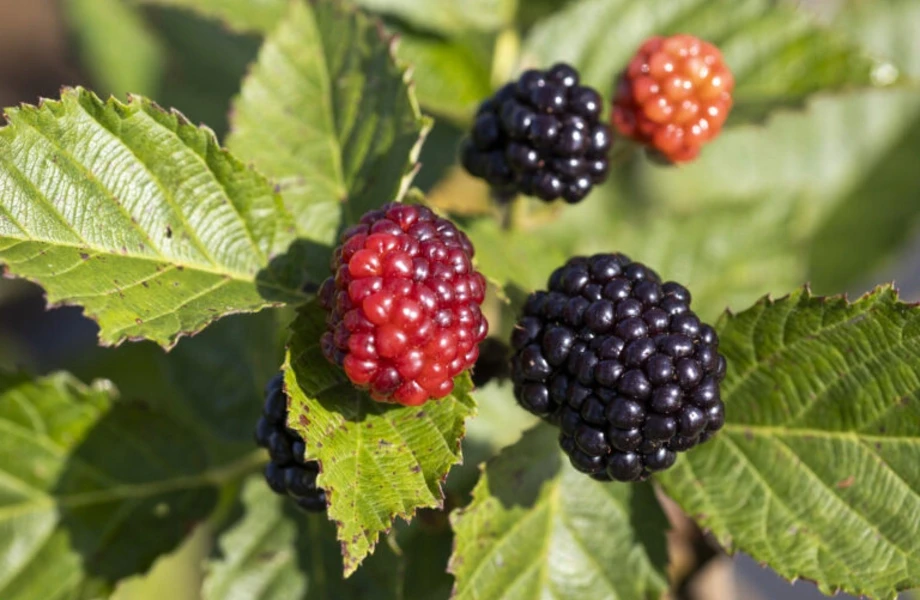
Florida may be close to a new opportunity in the berry sector: blackberries. Thanks to the University of Florida’s breeding programs, a crop once considered difficult to develop on a large scale in the Sunshine State is beginning to show increasingly concrete potential.
Researchers at the Fruit Physiology Lab of the UF North Florida Research and Education Center in Quincy are working on several fronts: new varieties, canopy management, production techniques and postharvest storage. The goal is to overcome the limitations that have held back commercial blackberry production in a subtropical environment for years.
Varieties better suited to Florida’s heat
According to Muhammad Adnan Shahid, Assistant Professor of Horticulture-Stress Physiology of Fruit Crops, commercial blackberry production in Florida is now more realistic than in the past.
The development of low-chill cultivars with greater heat tolerance, together with improved production systems and research tailored to local subtropical conditions, is opening up new prospects for growers.
Another decisive factor is represented by early-ripening varieties, which allow harvesting before the arrival of heavy summer rains. This can reduce field losses and improve the commercial quality of the fruit.
More than 35 cultivars under evaluation in Quincy
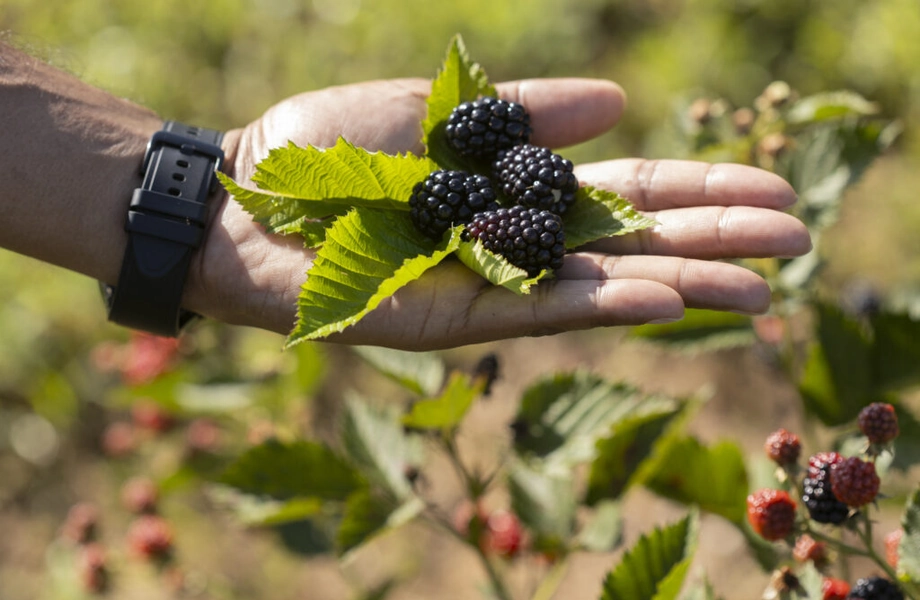
The breeding program coordinated by Shahid is testing more than 35 commercial cultivars and advanced selections at the Quincy research station. Varieties showing promising results in northern Florida include Osage, Ouachita, Natchez and Prime-Ark Freedom, the latter a primocane-fruiting variety.
Primocane plants, also known as fall-bearing or ever-bearing types, produce fruit on first-year canes, generally between late summer and autumn.
The university is proceeding with caution, however: to provide solid recommendations, data collected over multiple years are needed. Shahid expects definitive recommendations for growers to become available within the next two years.
The challenges: heat, humidity and insufficient chill
Despite the progress made, blackberry cultivation in Florida remains complex. High temperatures and humidity can reduce fruit set, shorten the harvest window and compromise fruit firmness and quality.
In the central and southern areas of the state, moreover, limited winter chill accumulation can cause irregular flowering and uneven vegetative growth.
To address these issues, the research team is studying shade systems, edible fruit coatings, biostimulants and defoliants. The aim is to improve plant performance, synchronize phenological stages, increase blackberry quality and reduce the impact of the most challenging environmental conditions.
U-pick and local markets: the first commercial outlet
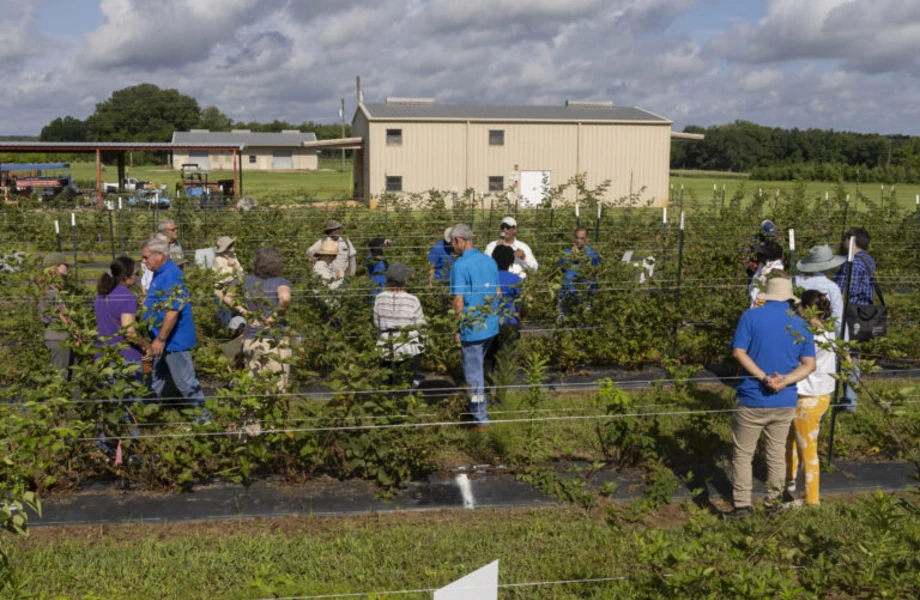
In the short term, the greatest opportunities for Florida growers appear to come from local markets, U-pick operations and direct-to-consumer sales. These channels make it possible to reduce labor and postharvest management costs, bringing the product quickly to the final consumer.
According to Shahid, commercial retail also offers room for development. Some Florida growers are already shipping blackberries to other U.S. states and to Canada, demonstrating that broader market access is possible, provided that production and postharvest operations are carefully managed.
A specialty crop, not a commodity
The outlook is positive, but the future of blackberries in Florida will depend on the ability to continue innovating. Genetics, growing techniques and market positioning will be decisive in transforming this emerging crop into a real economic opportunity.
The sector is also supported by consumer demand for local fruit, the importance of agritourism in Florida and proximity to major urban markets. The Florida Department of Agriculture and Consumer Services has also funded projects dedicated to nutritional management and the development of new varieties.
Blackberries can therefore become a sustainable specialty crop for Florida growers, but without imitating the models of the major cool-climate regions traditionally suited to berries. Success will depend on varieties adapted to the local climate, tailor-made production systems and a clearly defined commercial strategy.
Source: freshfruitportal.com
Image source: Muhammad Adnan Shahid