





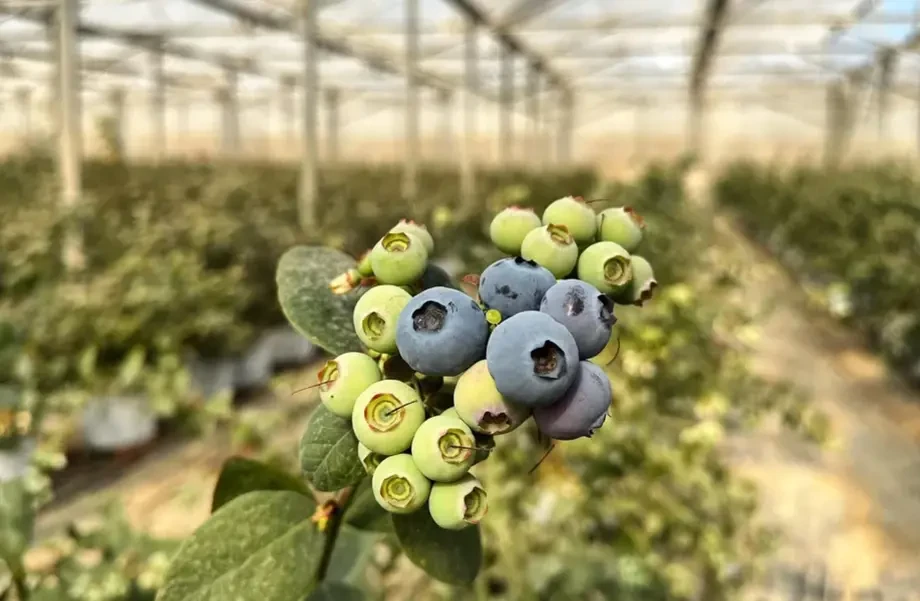
The Egyptian blueberry sector is experiencing a phase of rapid expansion, positioning itself as a significant emerging player on the global stage.
With a substantial increase in cultivated area and the entry of major international operators, Egypt is carving out a strategic role for itself, although not without challenges.
Exponential growth and strategic investments
The growth of the sector is impressive: in 2020, the area dedicated to blueberry cultivation in Egypt was only 40 hectares. By 2024, this figure had risen to 250 hectares, an increase of more than 500% in four years.
Total blueberry production in 2024 reached 700 metric tonnes, entirely destined for the fresh market.
This development was catalysed by the interest of several international companies, which recorded their first commercial harvests in Egypt in 2024.
Among them are a US-based group, part of a rapidly growing global genetics programme, and a South American company using genetics of Australian origin. The presence of almost all the major global blueberry players in Egypt underlines the recognised potential of this region.
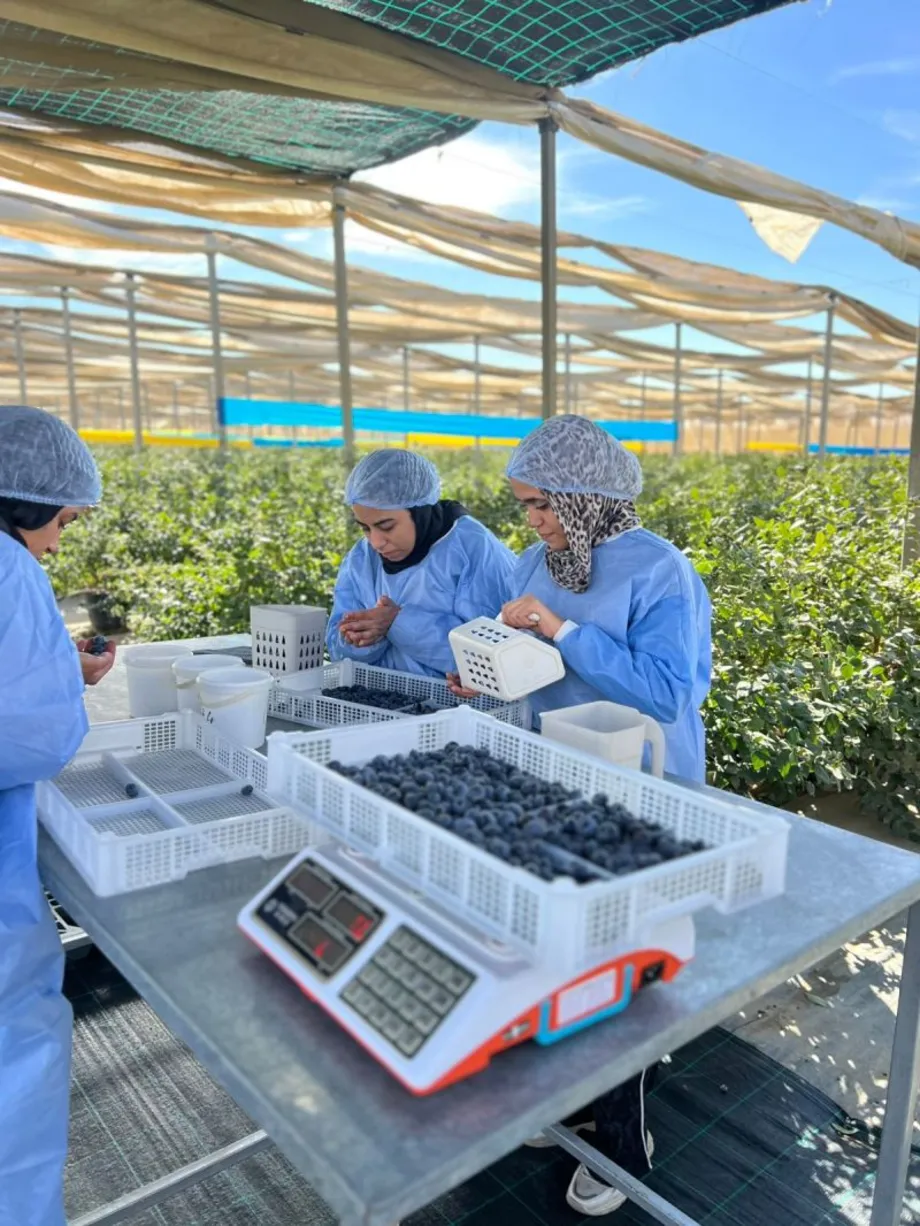 Photo: AgriVenture
Historically, Egyptian projects did not exceed 5-8 hectares, but this trend is changing rapidly, with much larger-scale operations now being launched.
Most farms are strategically located along the Nile River, between Cairo and Alexandria, benefiting from proximity to water resources and infrastructure.
Competitive advantages and market positioning
Egypt enjoys several advantages that make it attractive for blueberry cultivation.
Its proximity to European and Middle Eastern markets, the availability of water, labour and flat land, together with a well-established export-oriented agricultural tradition, place the country in a favourable position.
Once fully developed, the Egyptian harvest season is expected to largely mirror that of Morocco, with the aim of reaching peak production in February.
This timing is crucial for meeting demand from Northern Hemisphere markets during the winter months.
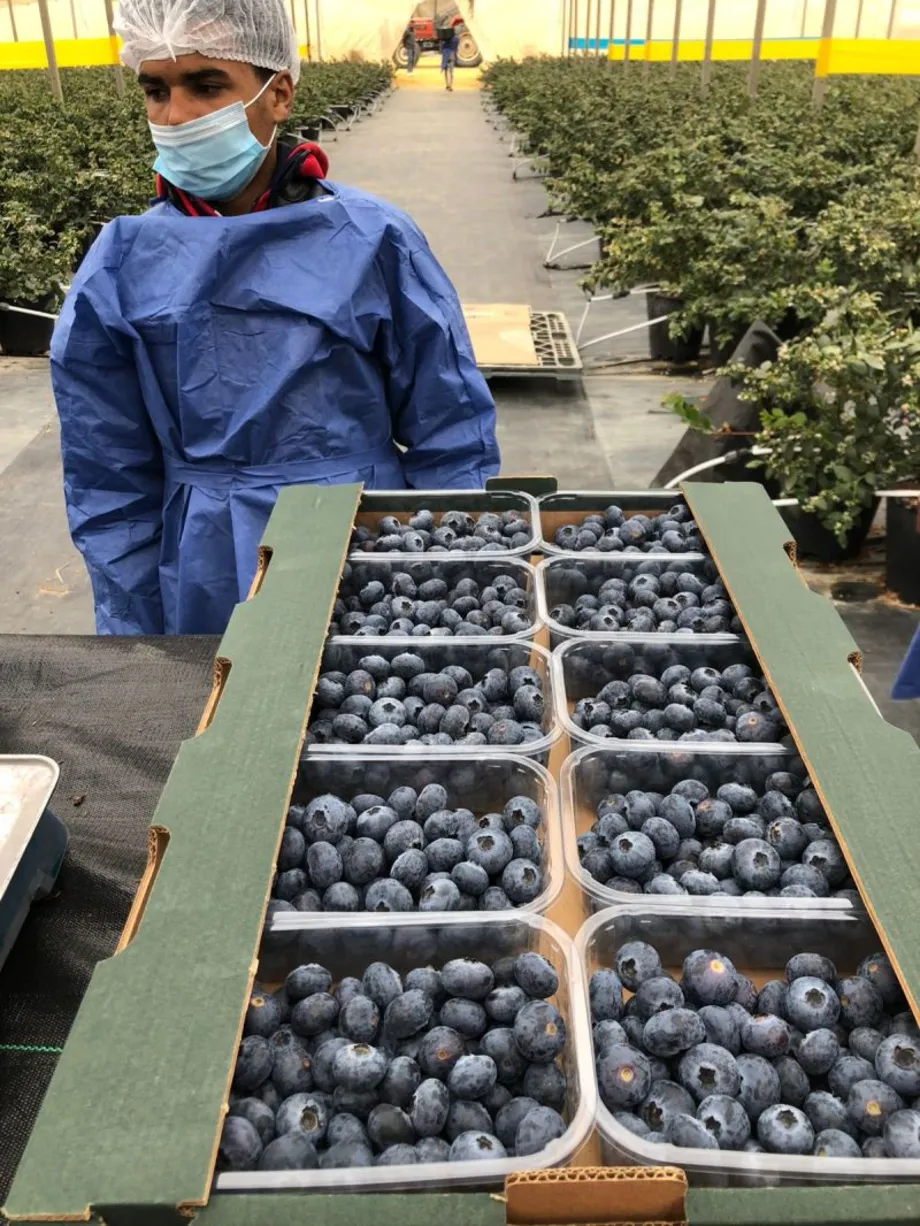 Photo: AgriVenture
Despite sharing a similar latitude with Morocco, the Egyptian sector has the potential to serve different markets, given the significant distance between the two regions.
Interest from Europe is high, and the limited volumes exported so far have been distributed among the United Kingdom, the Netherlands, France and Malaysia, among others.
Challenges and future prospects
Despite the enthusiasm, the Egyptian blueberry sector faces several challenges.
At present, Egypt’s production volume is probably less than 0.5% of Morocco’s, indicating that there is still a long way to go before reaching a comparable scale.
One of the main difficulties lies in finding qualified local talent.
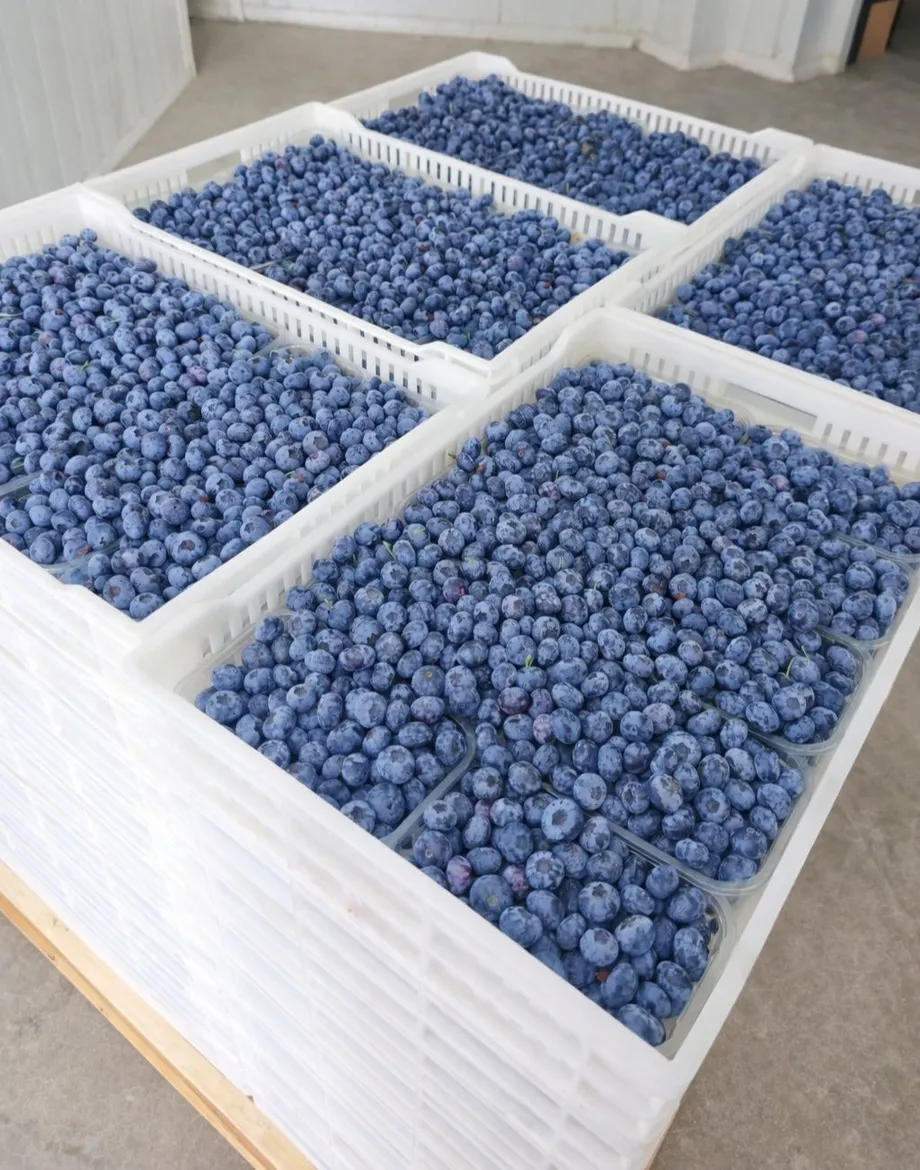 Photo: Berry Egypt
As highlighted by an industry expert, genetics contribute around 30% to the success of a project, while the remaining 70% depends on farm management and post-harvest handling.
This highlights the need to develop skills and know-how at local level.
A promising hub, but still under construction
In summary, Egypt is emerging as a promising hub for blueberry production, thanks to favourable conditions and substantial investments.
However, in order to fully realise its potential, it will be essential to overcome the challenges linked to production scale and skills development, consolidating its position as a reliable, high-quality supplier in the global market.
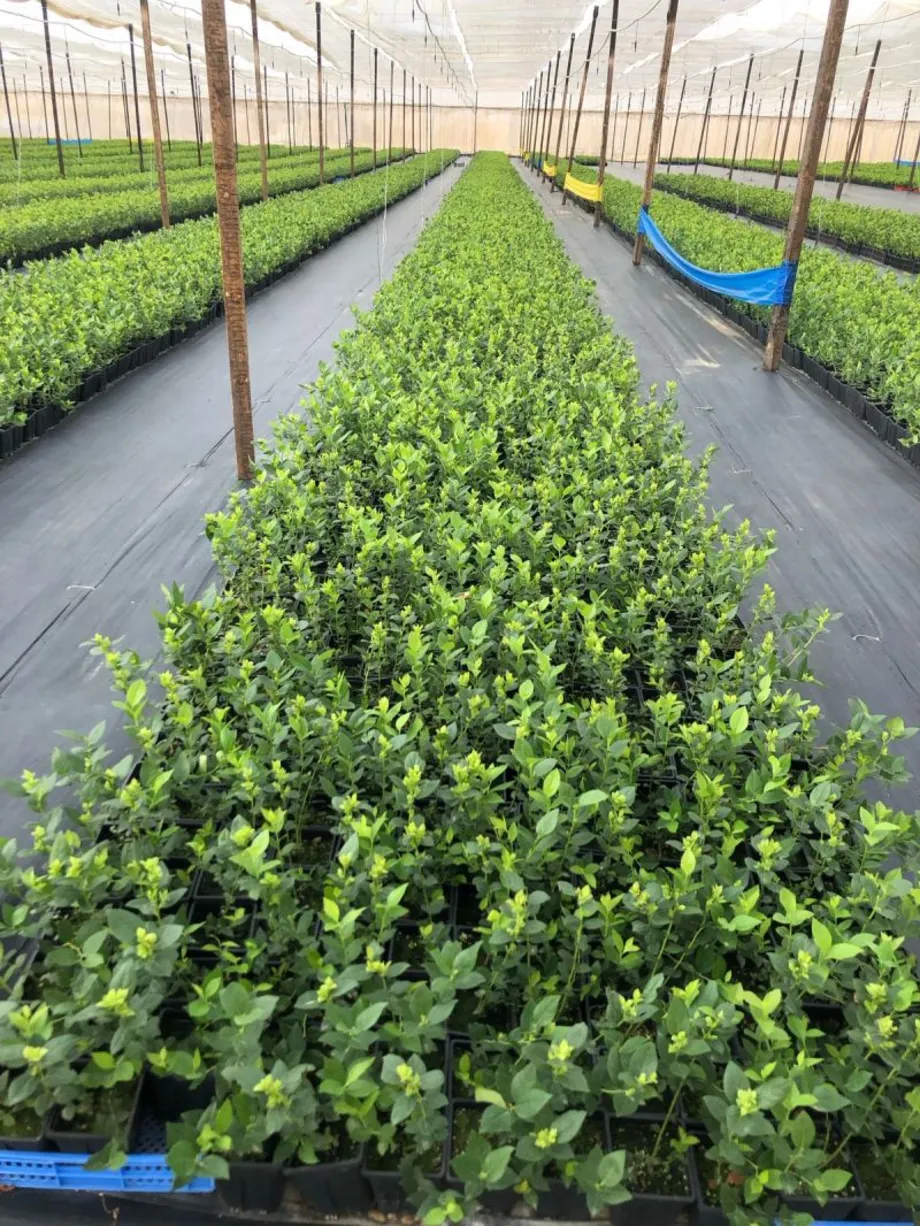 Photo: Agriventure
Source: Italian Berry elaboration based on the 2025 IBO Report