





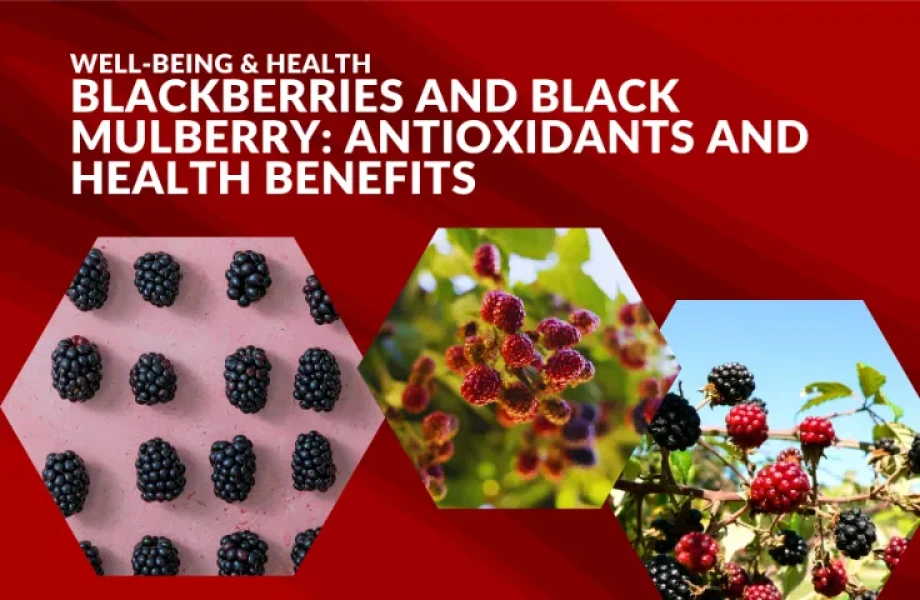
The berry fruit family includes several species, but blackberries of the Rubus genus (such as cultivated Rubus fruticosus and wild Rubus ulmifolius) and black mulberry (Morus nigra) share outstanding nutritional characteristics and medicinal properties.
While cultivated blackberries tend to produce larger fruits, wild varieties often show a higher concentration of soluble solids, indicating a greater density of natural sugars and beneficial compounds.
Black mulberry, although it grows on trees that can reach 13 metres in height, produces fruits similar to blackberries in appearance and composition, while being even more adaptable to different environmental conditions.
A treasure trove of nutrients and fibre
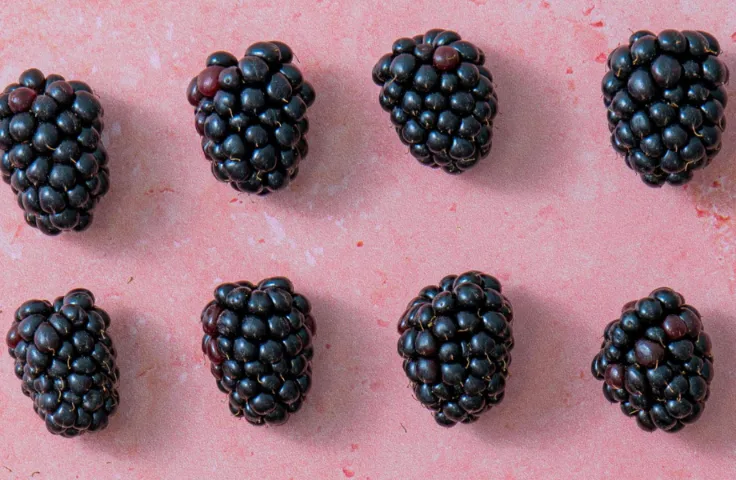
From a nutritional point of view, these small fruits are giants. Blackberries are among the berries with the highest fibre content, around 5.3 g per 100 g, which is essential for regulating the gastrointestinal system and reducing the risk of cardiovascular disease.
In addition to fibre, their micronutrient intake is exceptional:
Vitamins: They are excellent sources of vitamin C, which is essential for immune defences, vitamin K, which is important for bone health, and vitamin E, a powerful antioxidant that protects the skin and cells.
Minerals: They provide potassium, calcium, iron and magnesium, which are necessary for proper metabolic function and tissue health.
Phytocompounds: the guardians of health
The true secret behind the strategic value of these berries lies in phytocompounds, natural substances produced by plants to defend themselves and which, once ingested, offer protection to the human body.
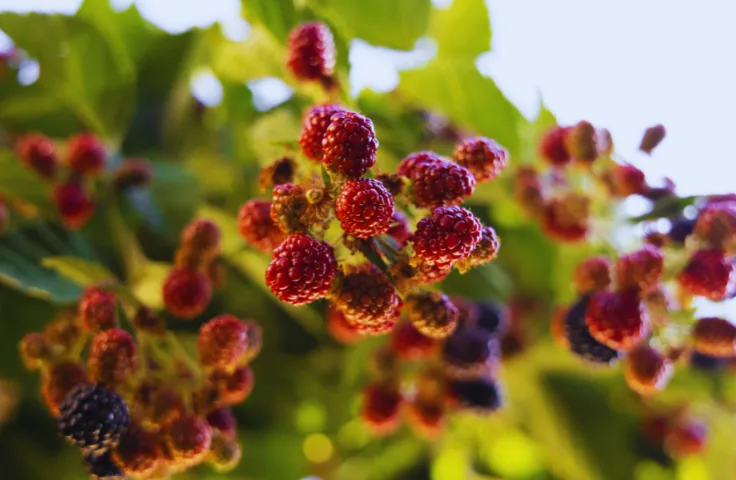
The main protagonists are anthocyanins, the pigments responsible for the dark colour of blackberries and mulberries.
These molecules act as free radical scavengers, counteracting oxidative stress, a process that damages cells and accelerates ageing and the development of diseases.
In addition, the presence of phenolic acids and flavonoids such as quercetin gives these fruits anti-inflammatory, antiviral and even anticancer properties, acting positively on different stages of abnormal cell proliferation.
Prevention and metabolic protection
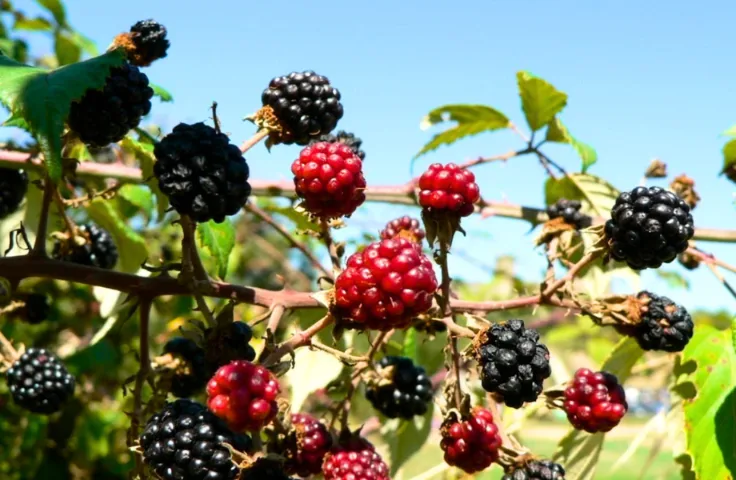
The regular inclusion of blackberries in the diet can have a significant impact on the management of metabolic disorders. For example, the quercetin found in these berries has shown the ability to improve insulin secretion and stabilise blood glucose levels, offering natural support in the fight against diabetes.
At cardiovascular level, phenolic compounds help prevent the oxidation of LDL cholesterol and protect platelet function, reducing the risk of atherosclerotic lesions.
No less important is the neuroprotective effect: anthocyanins are able to cross the blood-brain barrier, helping to protect the brain from age-related neuronal degeneration, as in cases of Alzheimer’s and Parkinson’s disease.
Conclusion: a valuable choice for the future
The quality of these fruits is influenced by numerous factors, from genotype to post-harvest storage, making product selection a crucial element in maximising their benefits.
Blackberries and black mulberries are not only versatile ingredients for the food industry or delicacies for the palate, but also valuable tools for a long-term wellness strategy.
At a time when health is increasingly linked to what we bring to the table, the rediscovery of the purity and nutritional density of berries opens new paths for modern nutrition. Integrating these small but powerful allies means choosing functional nutrition, capable of supporting the complex needs of the contemporary body and promoting authentic, lasting vitality.
Source: Martins, M.S.; Gonçalves, A.C.; Alves, G.; Silva, L.R. Blackberries and Mulberries: Berries with Significant Health-Promoting Properties. Int. J. Mol. Sci. 2023, 24, 12024. https://doi.org/10.3390/ijms241512024
Image source: Canva
🫐 Well-being & Health with Berries 🍓This article is part of the editorial series Wellness & Health with Berries, which brings scientific research closer to everyday life, promoting berries as allies for well-being. The series offers clear, up-to-date, and evidence-based content designed to inform consumers and support all operators in the berry supply chain. |