






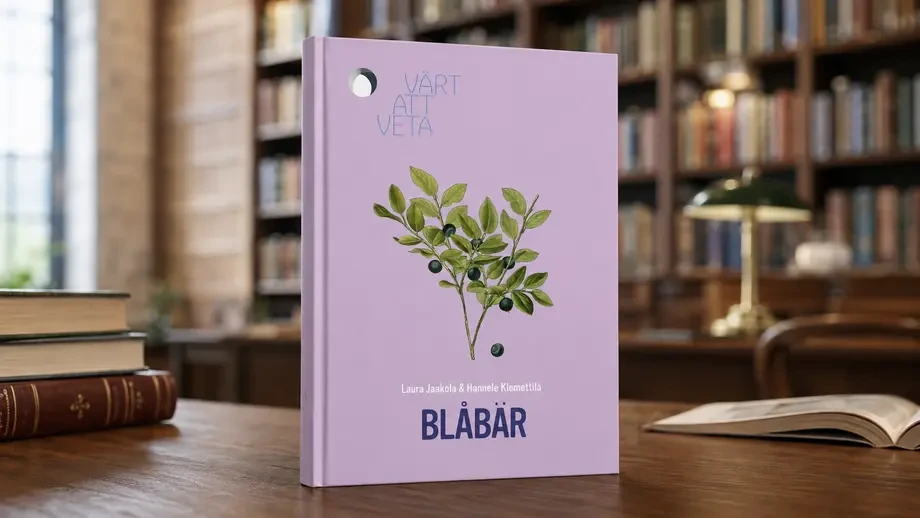
The volume Blåbär, dedicated to the European wild bilberry, offers an interdisciplinary reading that combines plant biology, cultural history, nutrition, industry and market dynamics.
Authors: Laura Jaakola and Hannele Klemettilä
Publisher: Svenska litteratursällskapet i Finland / Appell Förlag
Year: 2026
In the publishing landscape dedicated to berries, the volume Blåbär — literally “bilberry” — stands out for its deeply interdisciplinary approach. Written by Laura Jaakola, professor of plant biology and expert in beneficial compounds in berries, and Hannele Klemettilä, lecturer in cultural history, the book offers a detailed overview of the European wild bilberry (Vaccinium myrtillus L.).
The text is a resource of particular interest for agronomists, processors, researchers and marketers in the sector, as it brings together biology, commercial dynamics, food history, medical research and territorial valorisation. It is therefore not only a botanical essay, but also a useful reading to understand the current and future positioning of wild bilberry within the berry supply chain.
Agronomic focus and industry challenges
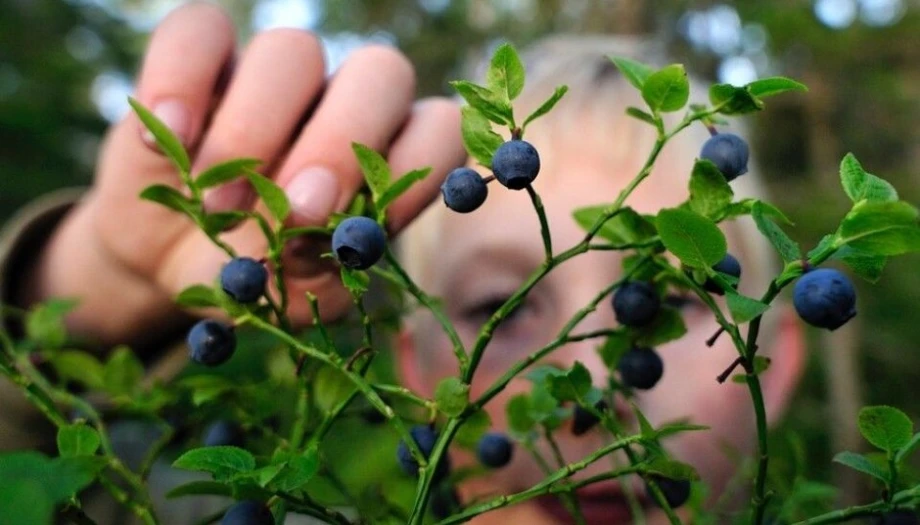
For industry professionals, one of the most relevant aspects of the book is the botanical and commercial distinction between the European wild bilberry and the cultivated American highbush blueberry. This difference is not merely technical, but has direct implications for the market, product communication and valorisation strategies.
The authors highlight an element of strong interest for territorial marketing: a process is underway to include the designation “Nordic bilberry” in the European Union Protected Geographical Indication system. The aim is to build a strong brand based on quality, natural origin and geographical identity, capable of competing more effectively on the global market.
However, the book does not overlook the critical issues facing the supply chain. Nordic forests produce more than one billion kilos of wild berries every year, but only between 5% and 10% is actually harvested and commercially valorised. In addition, the industry depends for around 90% on foreign pickers, with ethical, logistical and organisational implications that the sector cannot ignore.
Of particular interest for the production sector is also the reference to a research project at Aarhus University in Denmark, aimed at developing cultivation methods for wild bilberry and genetic selection programmes. The objective is to obtain varieties that are more resistant to disease and better suited to mechanical harvesting, a potentially strategic step for the future of the category.
The text also addresses the issue of food product authenticity, which is increasingly central for processing and distribution operators. The industry is adopting chemical methods and DNA testing to detect fraud, verify the origin of raw materials and ensure greater transparency along the supply chain.
Climate change and plant diseases
An entire chapter is devoted to the impact of climate change on wild bilberry ecosystems. Global warming is pushing this species towards higher altitudes in southern Europe and the Caucasus, gradually altering the balance of its traditional growing areas.
In the Lapland tundra, bilberry also faces competition from crowberry — referred to in the text as kråkbär — an allelopathic plant that can hinder its development. This aspect shows how climate change acts not only through rising temperatures, but also by modifying competition between plant species.
The book also examines the main fungal plant diseases, including bilberry leaf spot caused by Valdensinia heterodoxa. In particularly wet summers, this disease can cause significant crop losses, with a risk that is likely to increase in future scenarios characterised by higher temperatures and greater humidity.
Nutrition, health and industrial processing
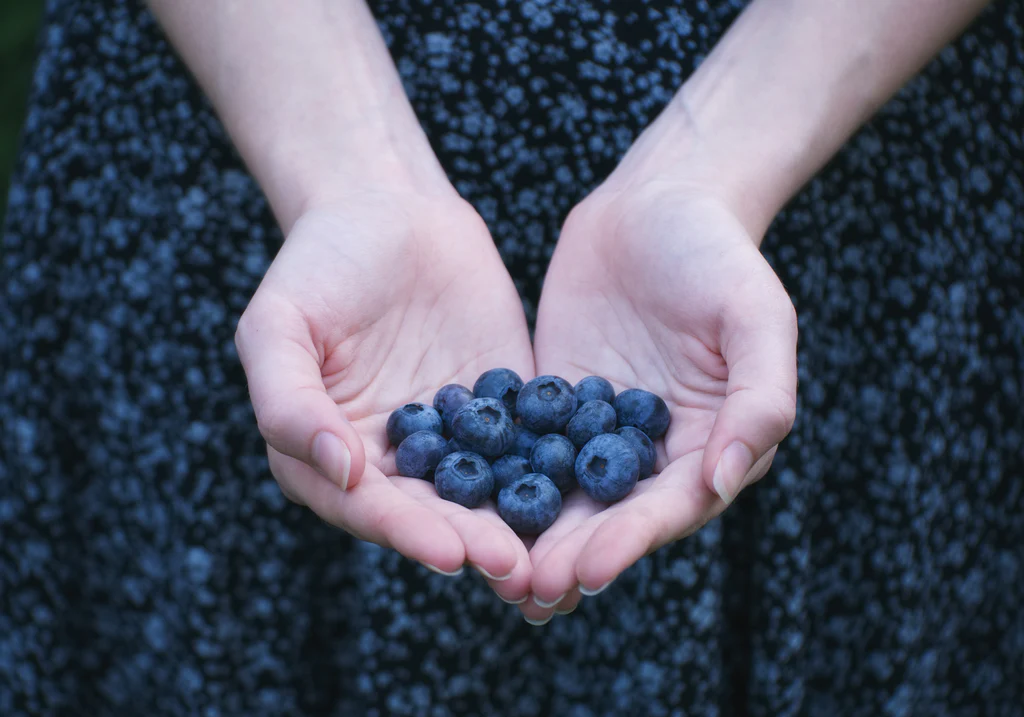
For those working in the fields of extracts, functional ingredients and industrial processing, Blåbär provides an important update on the nutraceutical properties of wild bilberry. The book points out that European bilberry contains anthocyanins in quantities around four times higher than American varieties.
The reason lies in the distribution of pigments: in European wild bilberry, anthocyanins are present not only in the skin, but also in the flesh. This strengthens the product’s positioning as a high-value ingredient for the nutraceutical, food and cosmetics industries.
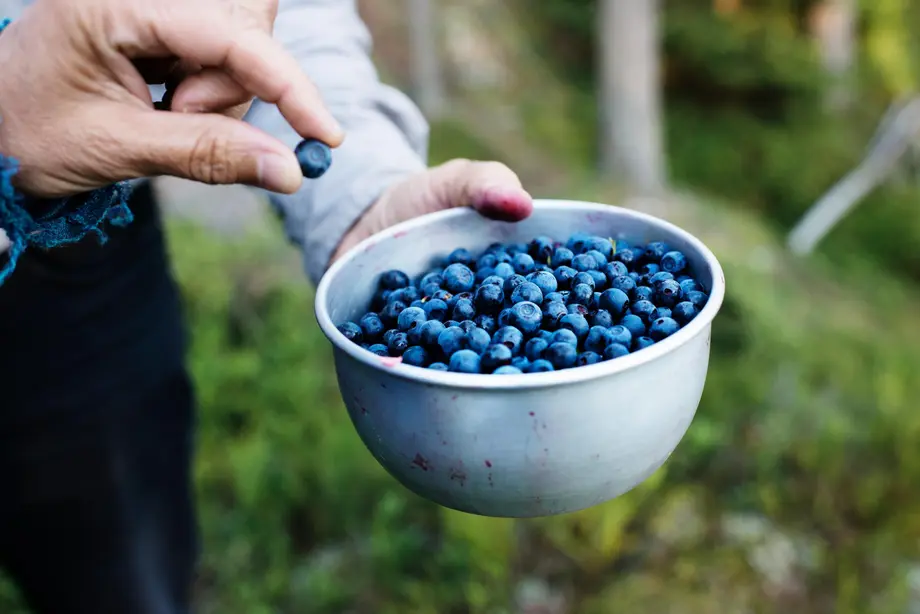
The volume reviews clinical studies confirming the effectiveness of bilberry consumption in reducing inflammation, contributing to balanced blood glucose levels and lowering LDL cholesterol. It also discusses the possible benefits of extracts for eye health, cognitive functions and muscle recovery in athletes.
Particularly relevant for processors is the observation regarding juice production: during this process, many beneficial compounds remain retained in skins and seeds. What was traditionally considered a processing by-product can therefore be revalorised as a high-value raw material for the production of powders, colouring extracts, seed oils and waxy compounds.
A fruit between history, culture and superfood
One of the most original aspects of the book is its exploration of the cultural history of bilberry over the centuries. The fruit is presented as a healing berry, a symbol of fertility in Celtic culture, an element associated with wild nature and, in some Flemish artistic contexts, even with lust.
This historical and symbolic dimension helps to better understand the path that has led wild bilberry to its current status as a superfood, also valorised within the context of New Nordic Cuisine. The book thus shows how the contemporary value of the product depends not only on its nutritional properties, but also on its ability to evoke naturalness, origin, tradition and authenticity.
Conclusion
Blåbär is a botanical handbook, a monograph on bilberry and, above all, a text that makes it possible to interpret the European wild bilberry as an agricultural product, forest resource, functional ingredient, cultural symbol and commercial asset.
For professionals in the berry supply chain, the book offers a broad and useful perspective: it helps to understand the challenges of harvesting, traceability, processing, climate change and territorial valorisation. In this sense, it is a recommended reading for anyone wishing to explore the historical, biological and commercial value of wild bilberry and the possible future directions of an evolving market.
The book is available as a free download in pdf or epub format on the website of Svenska litteratursällskapet i Finland r.f.