












As the United States approaches its 250th anniversary, the text celebrates the ingenuity that has shaped the country, particularly within American agriculture. Farmers have played a vital role in providing nutritious food to generations of families, and blueberries are presented as an ideal starting point for addressing the nation’s health challenges.
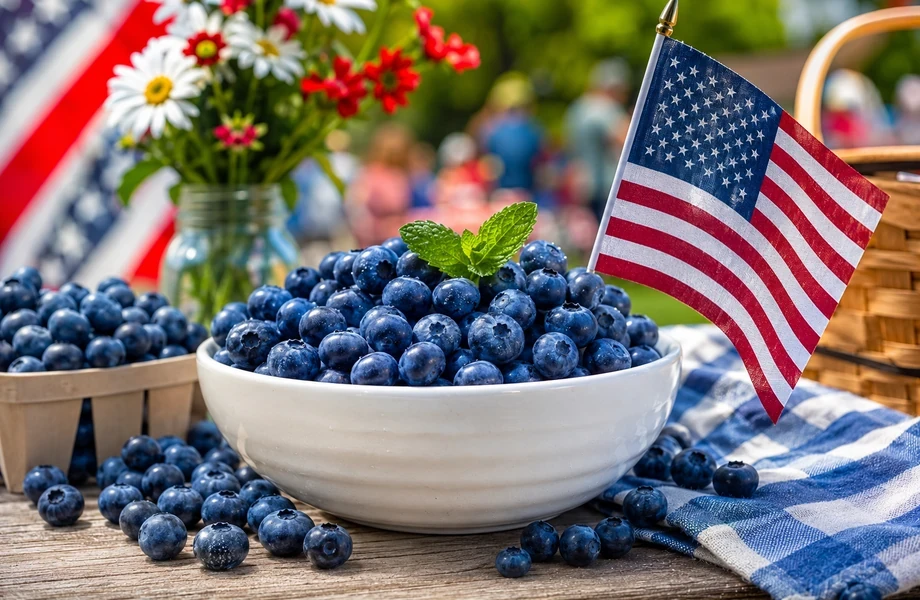
Blueberries are more than a popular summer fruit or a colorful addition to Fourth of July desserts. Native to North America, they are considered one of America’s original fruits and were part of the continent’s food culture long before becoming a familiar product in supermarkets, lunchboxes and kitchens across the country.
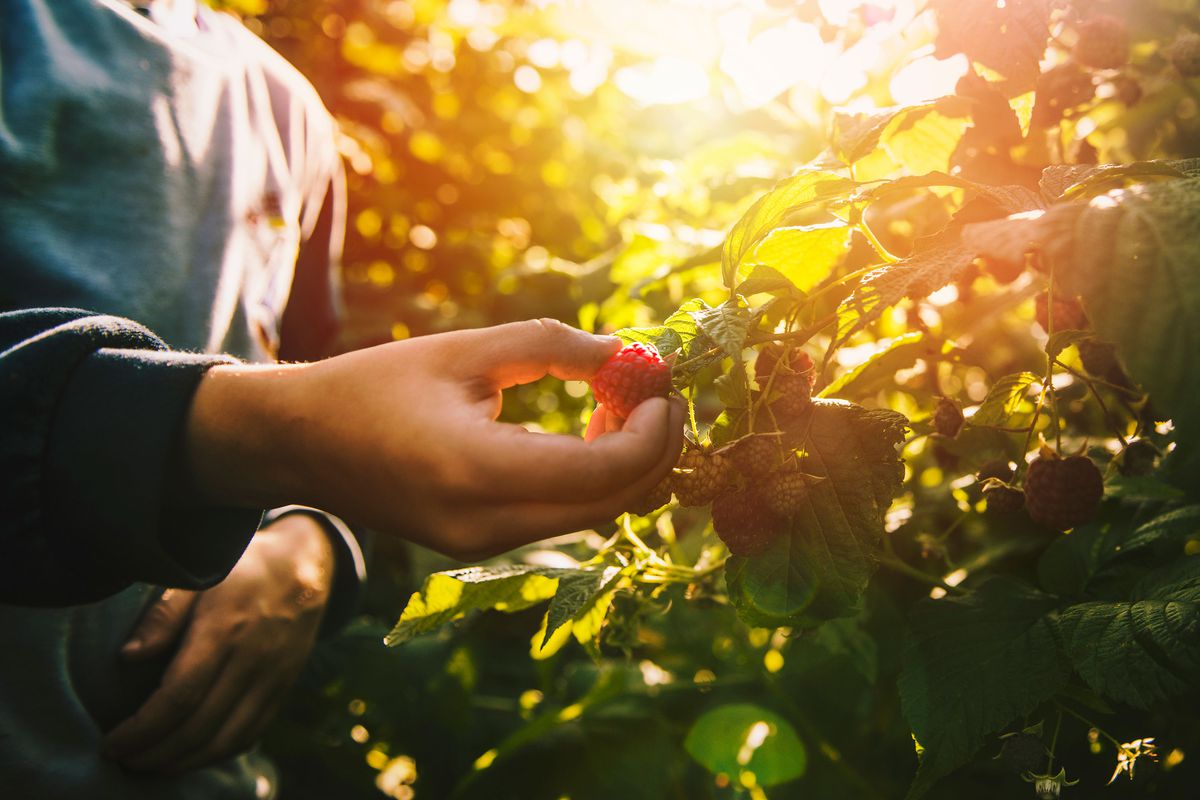
For generations, blueberries were harvested exclusively from the wild. This changed in the early 20th century when New Jersey farmer Elizabeth Coleman White became convinced that wild blueberries could be transformed into a cultivated commercial crop. Despite experts claiming that the fruit was too unpredictable to farm successfully, White continued pursuing her idea.
Cultivated blueberries
She partnered with USDA botanist Frederick Coville, whose research identified the environmental conditions blueberries needed to thrive. Their collaboration led to the development and marketing of the first cultivated blueberry bushes. According to USDA records, the first commercial highbush blueberry crop was harvested in 1916, laying the foundations for a major American agricultural industry.
During the following 110 years, the sector evolved from a small seasonal niche into a year-round staple and one of the fastest-growing fresh produce categories. Today, blueberry production supports family farms, packing houses, processors, suppliers, truckers and local businesses, helping create jobs, generate tax revenue and strengthen rural communities throughout the United States.
Blueberries also respond to families’ demand for food that is healthy, natural, simple and convenient. They can be served at breakfast, eaten as a snack, added to smoothies or stored in the freezer. They provide dietary fiber, vitamin C and anthocyanins, natural compounds that research has associated with potential benefits for cardiovascular health, glucose and insulin response, brain function and gut microbiome activity.
Health and heritage
Although no single food can prevent disease, blueberries are a nutrient-dense and widely available functional food supported by scientific research. They represent a distinctly American story of family farming, innovation and practical problem-solving, while connecting the country’s agricultural heritage with the goal of building a healthier future.
Source: www.washingtonexaminer.com