











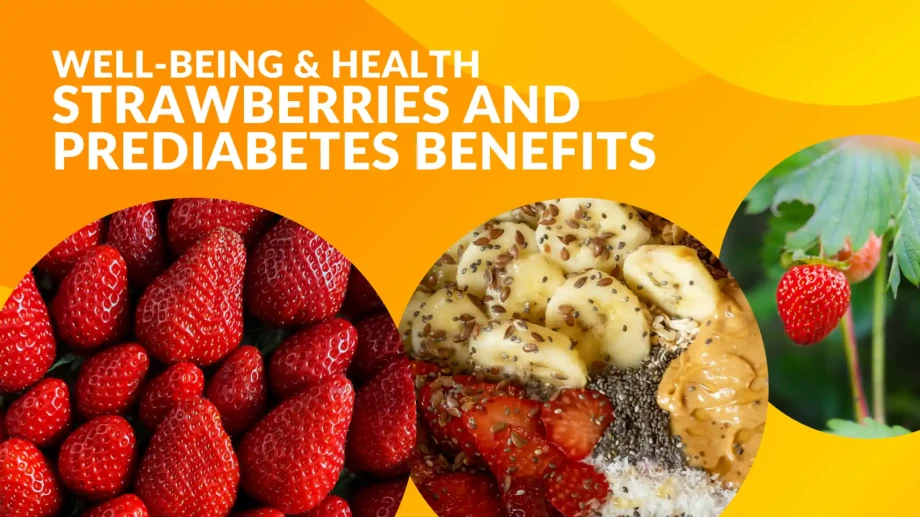
Prediabetes today represents one of the most significant global public health challenges: in the United States alone, it affects over 34% of the adult population.
It is a condition characterized by blood glucose levels above normal, but not yet high enough to qualify as type 2 diabetes. However, the risk of progression to overt disease and the development of cardiovascular complications is real and substantial.
In this context, scientific research is increasingly focusing on functional foods. Among them, strawberries stand out thanks to their rich content of bioactive compounds, capable of providing sustainable and clinically documented nutritional support.

Prediabetes and Insulin Resistance
The progression from prediabetes to type 2 diabetes is closely linked to two key factors: insulin resistance and increased adiposity.
According to the American Diabetes Association, prediabetes is diagnosed when fasting blood glucose ranges between 100 and 125 mg/dL (≈5.6–6.9 mmol/L) or when glycated hemoglobin (HbA1c) levels are between 5.7% and 6.4%.
Traditional strategies such as caloric restriction have proven effective, but they are often difficult to sustain over the long term.
In this perspective, the regular inclusion of polyphenol-rich fruits – such as strawberries – represents a concrete, accessible and consumer-friendly option.
Evidence on Berries
While previous research on other berries, such as blueberries and cranberries, produced heterogeneous results or focused primarily on patients already diagnosed with diabetes, targeted scientific attention on strawberries is helping to fill an important gap in the primary prevention of metabolic risk.
Strawberry Protocol
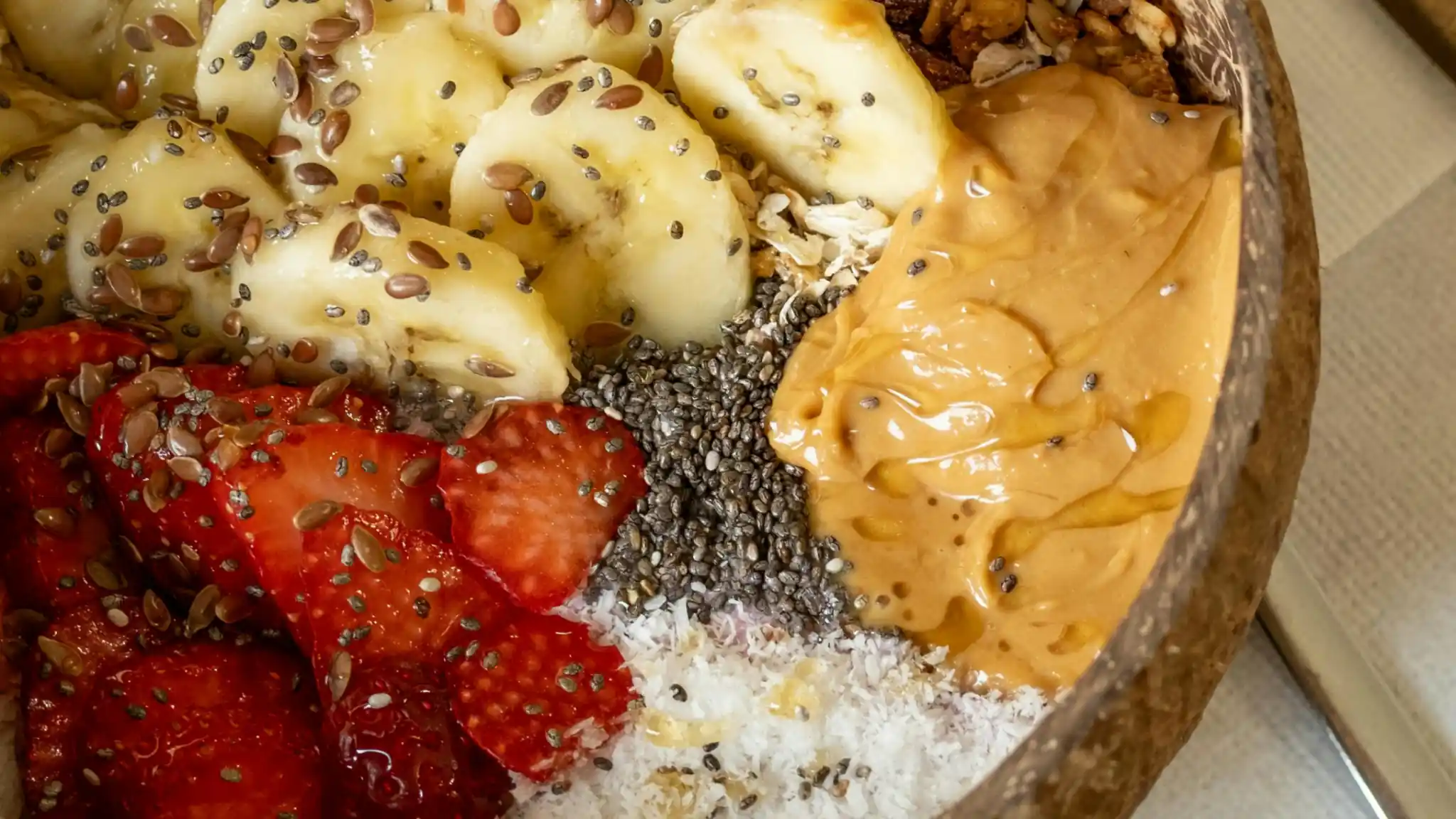
A recent randomized controlled crossover clinical trial evaluated, over a total of 28 weeks (two 12-week intervention periods), the impact of a daily, easily achievable strawberry dose in adults with obesity and prediabetes.
Participants consumed 32 grams of freeze-dried strawberry powder per day, equivalent to approximately 2.5 servings of fresh fruit.
The dosage was determined based on previous dose-response studies that had already demonstrated improvements in fasting insulin levels with a daily intake of two and a half servings.
The methodological robustness of the protocol allowed researchers to isolate the effect of strawberries, controlling for variables such as physical activity and total caloric intake.
Metabolic Outcomes
After 12 weeks of strawberry supplementation, the results were metabolically significant:
- Reduction in insulin resistance: significant decrease in serum insulin and fasting glucose levels.
- Lower HbA1c: improvement in a key parameter for long-term diabetic risk management.
- Weight control: reduction in body weight during the strawberry intake period, confirming its role within a weight-management dietary pattern.
These findings are particularly relevant in a context where obesity and glycemic alterations are closely interconnected risk factors.

Cardiovascular Benefits
The effects of strawberries extend beyond glucose metabolism.
The study also reported a reduction in total serum cholesterol, indicating a positive impact on lipid profile.
Even more compelling is the finding related to systemic inflammation, typically elevated in individuals with obesity and prediabetes.
Regular strawberry consumption led to a significant decrease in inflammatory biomarkers, including:
- High-sensitivity C-reactive protein (hs-CRP)
- Interleukin-6 (IL-6)
Anthocyanins and other polyphenols found in strawberries therefore appear to exert a protective action against metabolic stress that compromises vascular health, contributing to an overall reduction in cardiovascular risk.
Nutritional Prevention
Available clinical evidence reinforces the role of strawberries as a true functional food.
Not merely a low-calorie, nutrient-rich fruit, but a genuine health management tool capable of simultaneously acting on glycemia, lipids and inflammation.
In a global context where prevention through natural and sustainable solutions is increasingly central, the daily integration of berries into the diet opens new perspectives.
Strawberries, in particular, demonstrate how the boundary between nutrition and preventive strategy is becoming increasingly thin: a model in which diet is not just nourishment, but a concrete investment in long-term well-being.
Source: Basu A, Hooyman A, Groven S, DeVillez P, Scofield RH, Ebersole JL, Champion A, Izuora K. Strawberries Improve Insulin Resistance and Related Cardiometabolic Markers in Adults with Prediabetes: A Randomized Controlled Crossover Trial. J Nutr. 2025 Jun;155(6):1828-1838. doi: 10.1016/j.tjnut.2025.04.015. Epub 2025 Apr 16. PMID: 40250566.
Image source: Canva
🫐 Well-being & Health with Berries 🍓This article is part of the editorial series Wellness & Health with Berries, which brings scientific research closer to everyday life, promoting berries as allies for well-being. The series offers clear, up-to-date, and evidence-based content designed to inform consumers and support all operators in the berry supply chain. |