










Sant’Orsola reports a positive outcome for Italy’s 2026 blueberry season: according to the cooperative, deliveries from its member growers increased by 27% compared with 2025. Italian-grown blueberries are available from late February, starting with production in Sicily, through late September, when production in Trentino ends. According to commercial director Nicola Leonardi, the season confirms the importance of varietal choices and production planning across different growing regions.
In this interview with Italian Berry, Leonardi explains why growth in the blueberry category also depends on the ability to provide retailers with consistent quality and a continuous supply. He discusses premium positioning, the role of imports when Italian production cannot meet demand, and the development of the Zero Residue range, which Sant’Orsola says accounted for 15% of its fruit sales from the beginning of 2026 to the end of August.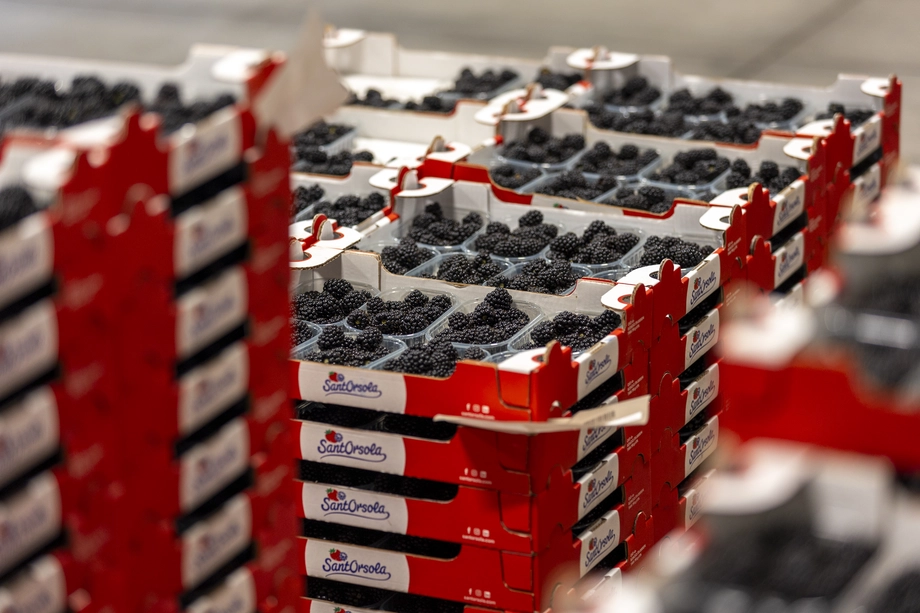
How would you assess Italy’s 2026 blueberry season in terms of volumes, quality, production calendar and commercial performance?
Overall, the outcome of the 2026 Italian season is positive, although it continues to require considerable planning and adaptability. From a commercial perspective, blueberries remain the most important product within the berries category and one with further room for growth in the Italian market.
The season once again highlighted the importance of continuity of production and consistent quality. Having fruit available is not enough: to build consumption, we need to offer consumers blueberries with consistent quality and shelf life, week after week.
The Italian production calendar is also becoming increasingly varied. Working across different growing regions allows us to extend the availability of Italian fruit and better manage any disruptions caused by the weather. Italian blueberries grown and delivered by Sant’Orsola members are available from late February, starting with Sicily, through late September, ending with Trentino.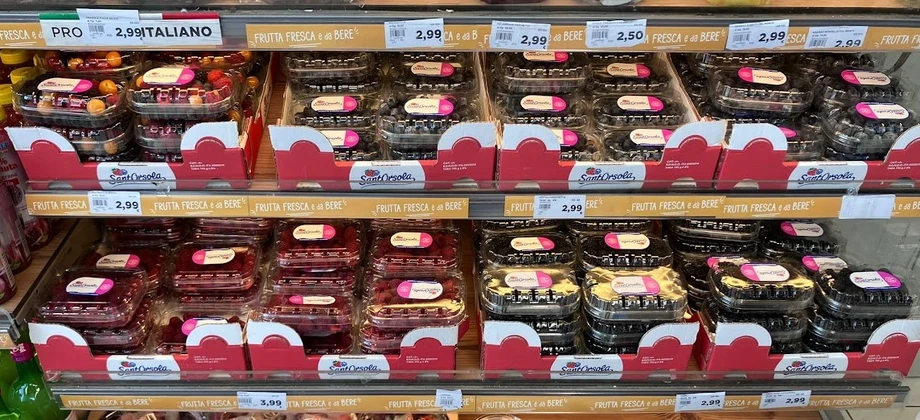
In the 2026 season, the volume of fruit delivered increased by 27% compared with the previous year. Both main growing areas recorded strong improvements in quality and quantity, thanks to the varietal choices made in recent years.
Commercially, we continue to see strong interest from large-scale retailers. Blueberries are now an established category rather than a niche product. This creates opportunities, but it also raises consumers’ expectations of quality.
What differences did you observe between the various Italian growing regions, and which climatic or agronomic factors had the greatest impact on this season’s results?
The regions differ in their growing conditions, production calendars and agronomic characteristics. This diversity is an important asset for the supply chain.
That is why we believe it is increasingly important to focus on planning and on choosing the right growing areas and varieties, instead of addressing the season’s problems only after they arise.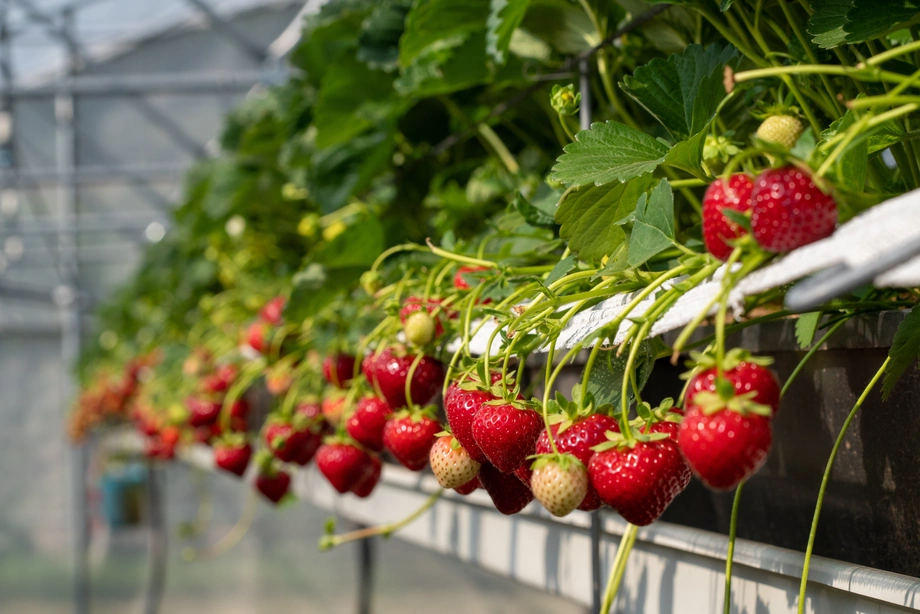
Agronomic research and technical support for members therefore play a central role. For years, Sant’Orsola has worked to update cultivation methods and adapt varieties to different growing conditions, with the aim of improving quality and reducing the risks associated with climate variability. This approach to research and grower training has long been part of the cooperative’s model.
What role do berries, and blueberries in particular, play in your strategy for the Italian market today?
Berries are our identity and therefore the core of our business and commercial strategy. Within the category, blueberries clearly play a central role, both because of the size the market has reached and because of the product’s characteristics.
Blueberries have a strong ability to drive consumption: they are convenient, readily available, easy to eat and generally have a longer shelf life than other berries.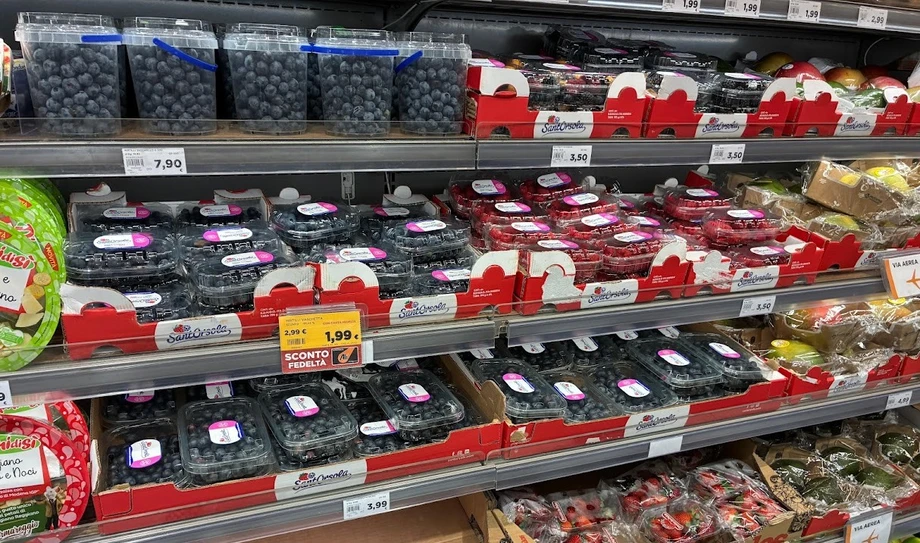
The real goal, however, is not simply to increase sales volumes, but to increase how often people buy them. To achieve this, consumers must be able to find a reliable, recognisable product in stores that meets their expectations.
For Sant’Orsola, that means working simultaneously on production, varieties, quality, packaging, year-round availability and relationships with retailers.
How do you define the premium blueberry segment? Which product characteristics — flavour, firmness, size, shelf life, origin or variety — justify its positioning and price premium?
Premium cannot be defined by a single characteristic. A large blueberry, for example, is not automatically a premium blueberry.
For us, value comes from a combination of factors: flavour, the balance between sweetness and acidity, firmness, crunch, consistency, appearance, shelf life and the ability to retain these characteristics over time. Through several significant projects developed with retailers, we have found that product quality must be maintained for a substantial part of the season so that consumers can recognise it and find it again over time.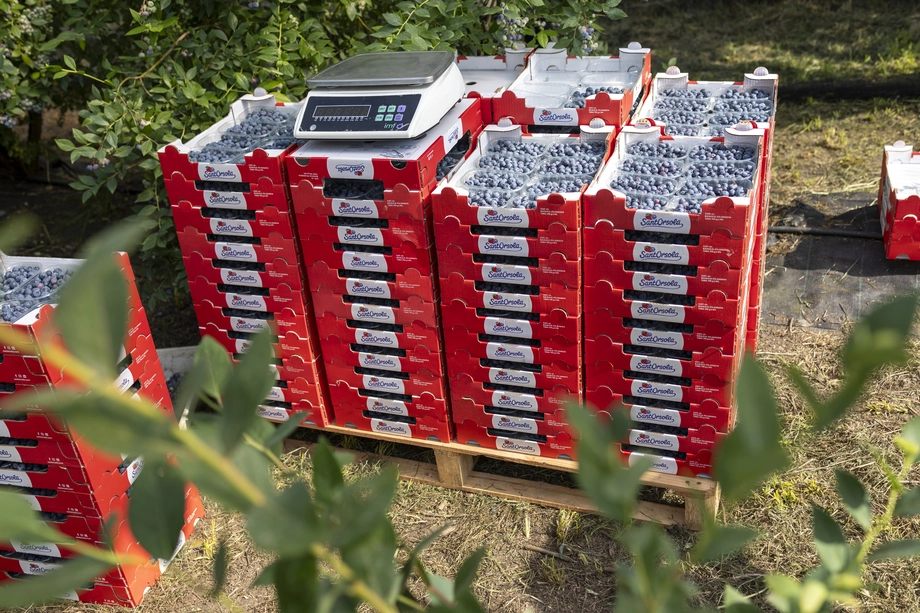
Variety naturally plays a decisive role, but it must be assessed in relation to the growing environment and the intended market. Varietal selection must consider not only yield, but also the quality perceived by consumers and the fruit’s ability to reach the shelf with its characteristics intact.
Origin can also add value, but it cannot be the only selling point. Consumers are more discerning today and, above all, want a satisfying eating experience. Sant’Orsola has observed this shift in recent years: Italian origin certainly has value, but it must be backed by tangible, recognisable quality.
How does your strategy extend across the supply chain, from varietal selection and production planning to packing, distribution and collaboration with large-scale retailers?
Our model starts in the field. Varietal selection and production planning are the first steps in a supply chain designed around market needs from the outset.
Our cooperative structure allows us to work directly with growers and our technical team, sharing knowledge and agronomic guidance while gradually building a common base of expertise.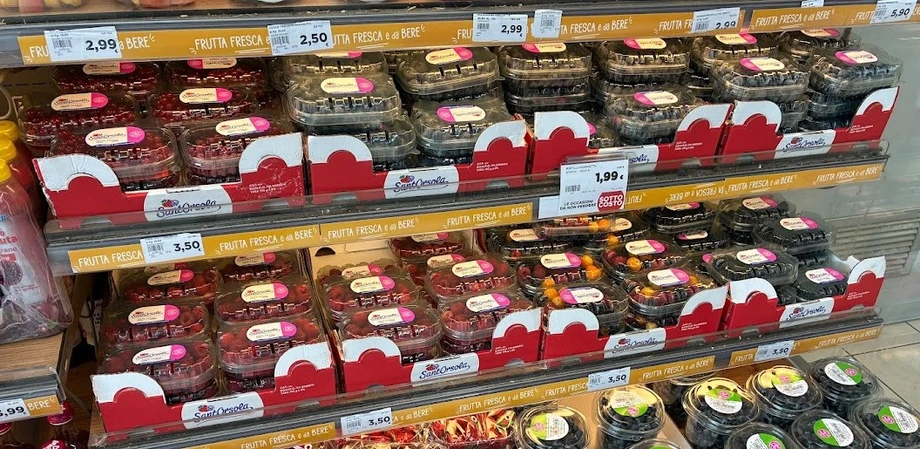
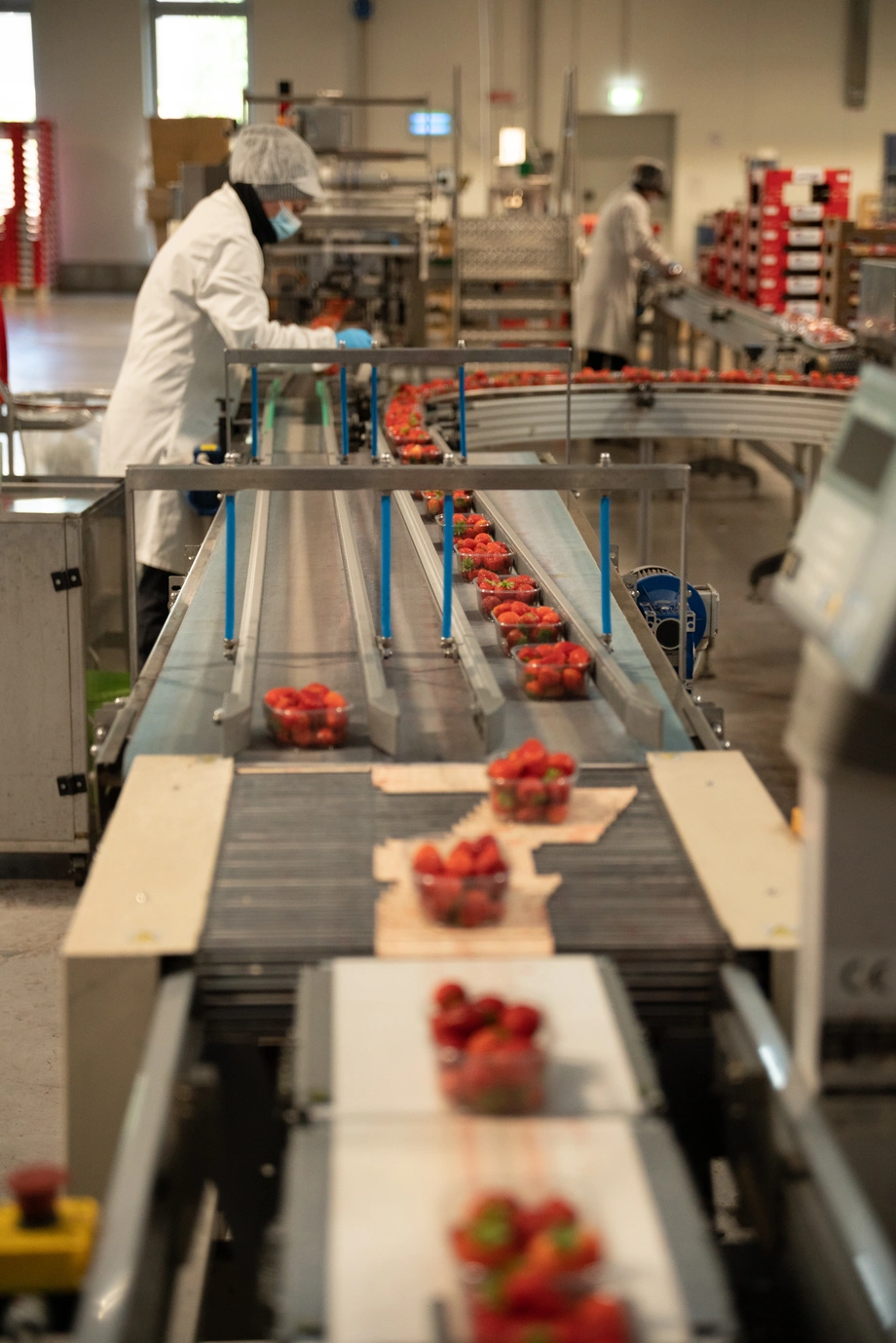
After production, sorting, handling, packing and management of the distribution chain become essential. Packaging is no longer just a container: it must protect the fruit, help preserve it and communicate the product’s positioning to consumers.
Finally, there is our relationship with retailers, which involves ongoing dialogue. It is about working together to build an offer that creates value across the supply chain.
Our experience has taught us that quality and continuity must go hand in hand. This is one of the principles on which Sant’Orsola has built its strategy since its founding in 1979.
How important is domestic production relative to imports in ensuring quality, volumes and a continuous supply to Italian retailers throughout the year?
Domestic production is fundamental, but it cannot be considered separately from the need to ensure continuity throughout the year.
Consumers do not necessarily think in terms of production calendars anymore: they expect to find the product when they want to buy it. This is particularly important for blueberries, because continuous availability helps turn an occasional purchase into a regular habit.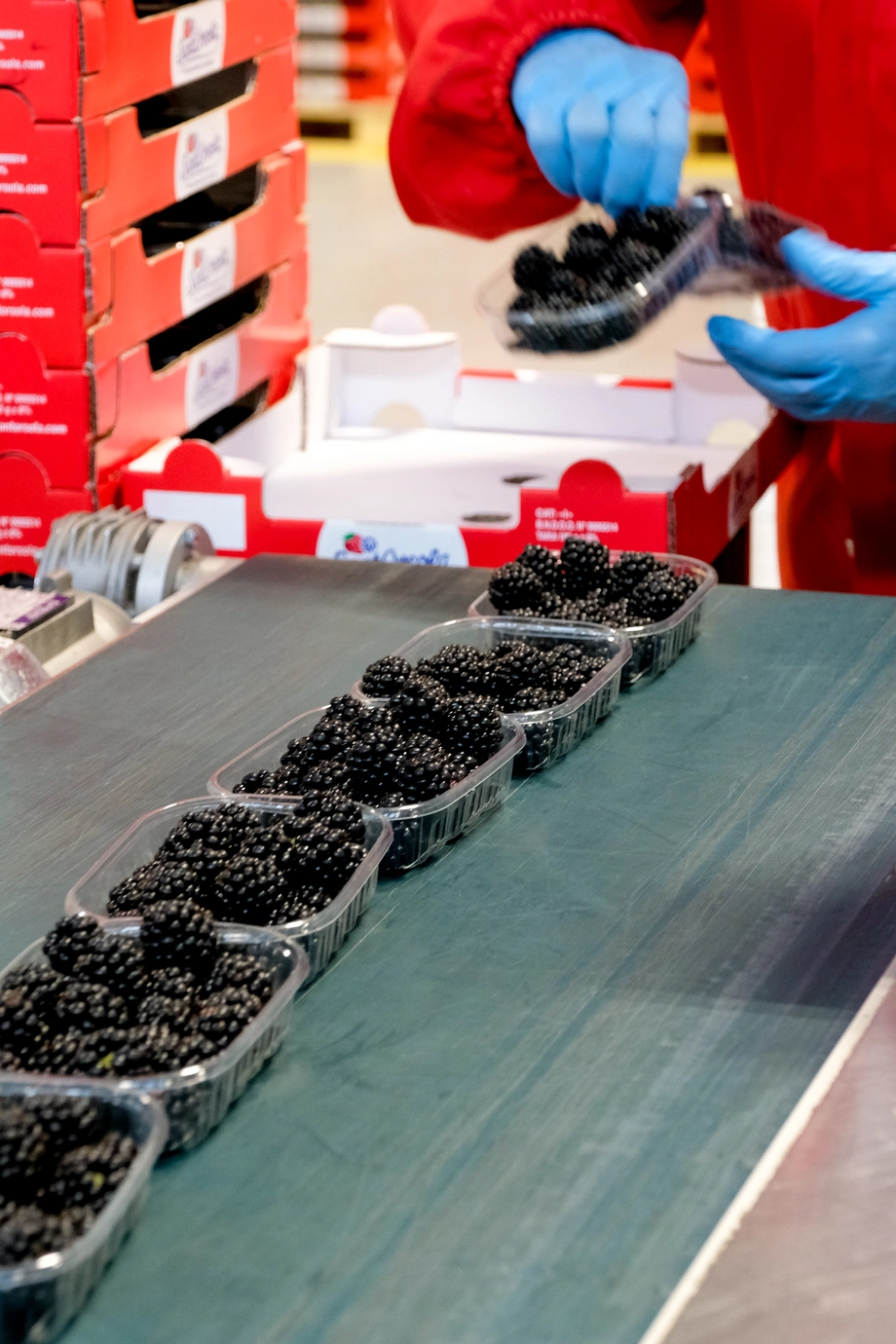
Italian production is therefore at the heart of our offer, but it needs to be supplemented, when necessary, with fruit from other selected growing regions.
For Sant’Orsola, the issue is not to set Italian and imported fruit against each other. It is to build a controlled international supply chain that makes the most of our members’ production while ensuring the market has year-round continuity, quality standards and reliability, especially with regard to food safety.
The growth of the blueberry category in Italy has highlighted this imbalance: at certain times of the year, demand still exceeds domestic production capacity.
What opportunities and challenges do you see for the future of berries in Italy? Where will investment be needed — varietal innovation, a broader assortment, pack sizes, communication or new consumption occasions?
We still see considerable opportunities for growth, because penetration of berries and blueberries in Italy has significant room to increase compared with other European markets, such as Germany and the United Kingdom.
The first opportunity is to keep improving the product. Varietal innovation will be essential, alongside agronomic research, the ability to adapt to climate change and attention to shelf life.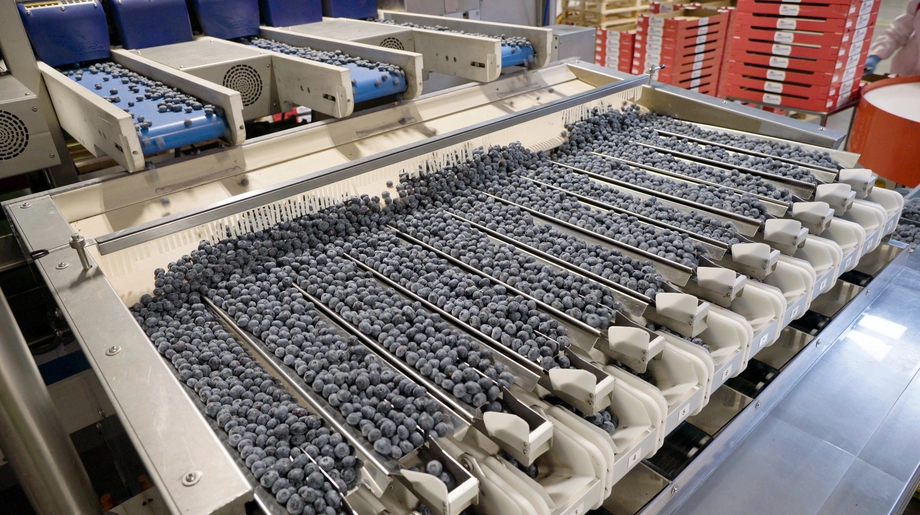
The second concerns the assortment. Consumers are no longer willing to accept an undifferentiated offer. We need to provide products with different characteristics and positions in the market, from everyday products to premium ranges and options offering greater convenience or sustainability.
Packaging will also have an important role, as will communication. We need to explain more clearly why one blueberry differs from another and what value lies behind a particular product.
Our current blueberry range includes packs from 100 g to 500 g. We are also expanding our selection of mixed packs, including two-fruit, three-fruit and assorted mixes, to better meet the consumption habits and preferences of Italian shoppers.
The main challenge will be to prevent category growth from relying solely on price. If berries become a commodity, we risk undermining the value built over the years. The challenge is to increase consumption while ensuring fair returns for everyone in the supply chain.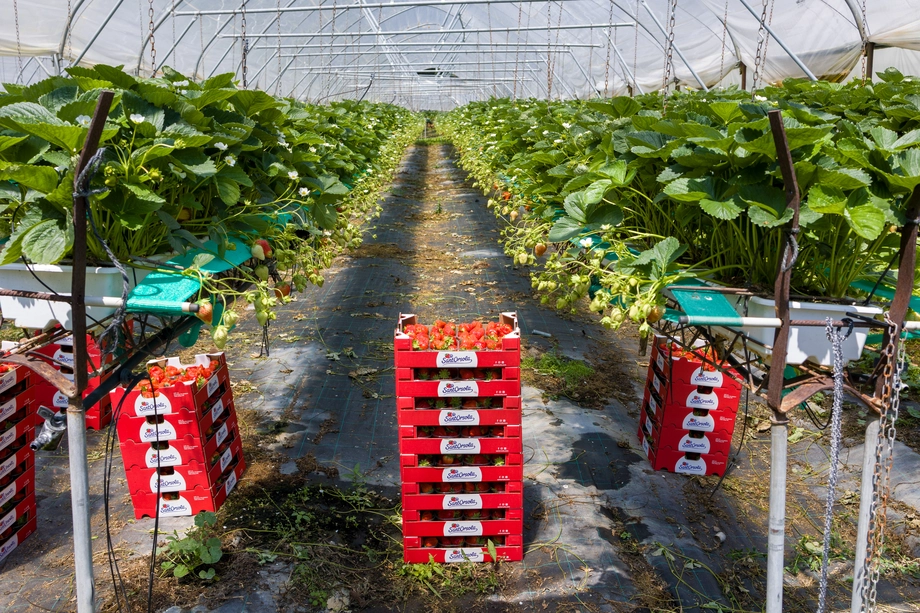
How is the Zero Residue segment developing, which Sant’Orsola was the first to introduce to the Italian market?
For Sant’Orsola, Zero Residue is a strategic project, not simply a commercial range.
We were pioneers in Italy with Zero Residue blueberries and built the project through work involving researchers, technical specialists and member growers. The aim was to address the entire production process through varietal selection, agronomic practices, integrated pest management, monitoring and supply chain controls.
Over time, the project has expanded and today represents one of the most tangible expressions of our approach to increasingly sustainable and controlled production. Its subsequent extension to other products, such as raspberries and blackberries, shows that it was not an isolated initiative but a deliberate strategic direction for the cooperative.
We believe it is important, however, to communicate Zero Residue accurately. It should not be seen merely as a marketing claim: behind it are production protocols, technical support, checks and a traceability system covering the entire supply chain.
As evidence of the project’s positive performance, by the end of August 2026 the Zero Residue range accounted for 15% of all fruit sold since the start of the year. Its share has grown steadily since the project was launched in 2020.
Looking ahead, we therefore see Zero Residue as one way to differentiate our offer, create value for consumers and encourage further improvements in production methods.
Italian Berry - All rights reserved