







Jorge Duarte | Hortitool Consulting Lda
Over the last years, being involved in articles, training sessions and applied technical discussions has opened my eyes to a topic that, for a long time, I did not fully connect with plant physiology.
Brix was always familiar to me as a fruit-quality parameter. In berries, we are used to speaking about Brix in relation to sweetness, maturity, flavour and market acceptance.
But Brix inside the plant is a different conversation.
My first real contact with this idea came during a field visit when I was still a young farm manager, before starting my consulting work around 2011-2012. At that time, I heard Toon Melis referring to Brix, EC and pH imbalances inside the plant, and how these parameters could help us understand what was happening before symptoms became obvious.
That moment stayed with me.
It was one of those technical comments that does not immediately change the way we work, but opens a door.
At the time, I did not follow that line deeply. Like many topics in agronomy, it remained in the background for several years.
Only more recently, after returning to applied research on plant sap analysis in berries, did I recover this subject with a different perspective. Today, I see leaf Brix not as a final answer, but as a possible bridge between field observation, plant metabolism, nutrient balance and stress response.
This is why the discussion is important.
Leaf Brix can help us ask better questions about the plant. But it cannot answer them alone.
More than sugar
Leaf Brix is usually measured with a refractometer, using sap extracted from fresh leaves. The result represents the concentration of soluble solids in that sap.
The important point is that Brix is not only sugar.
It includes sugars, but also minerals, amino acids, organic acids, soluble proteins and secondary metabolites. For this reason, a high Brix value does not automatically mean that the plant is simply producing more sugar or that it is healthier.
It may indicate good photosynthetic activity, strong carbon production and a plant with enough energy to support growth, fruit development and defence mechanisms.
But it may also indicate that the sap is more concentrated because the plant is under stress.
This difference is fundamental in berries.
Blueberries, raspberries, blackberries and strawberries are highly sensitive to irrigation, root oxygen, salinity, EC, radiation, temperature, fruit load and nutrient balance. Any change in these factors can rapidly modify sap concentration and plant metabolism.
The number alone is not enough.
The real question is: what is behind the number?
From trophobiosis to physiological plant reading
The origin of this discussion goes back, in part, to the work of Francis Chaboussou, a French researcher linked to INRA, who developed the theory of trophobiosis.
His central idea was simple but provocative: pests and diseases do not develop only because the insect, mite, fungus, bacterium or virus is present. Their development is also influenced by the physiological and biochemical condition of the plant.
In his book Les Plantes malades des pesticides, first published in 1980, Chaboussou argued that imbalances such as excessive soluble nitrogen, disrupted protein synthesis and the accumulation of simple soluble compounds could make plant tissues more favourable to pests and diseases.
The most useful point for modern agronomy is not to accept trophobiosis as an absolute law.
It is to recognise the physiological intuition behind it: pest pressure should not be read only as an external attack. In many cases, it may also reflect an internal imbalance in the plant or in the production system.
In this context, an excess of simple compounds - such as free amino acids, reducing sugars and soluble nitrogen - may indicate that the plant is not efficiently converting nutrients into more complex structures, such as proteins, cell walls, phenolic compounds or organised reserves.
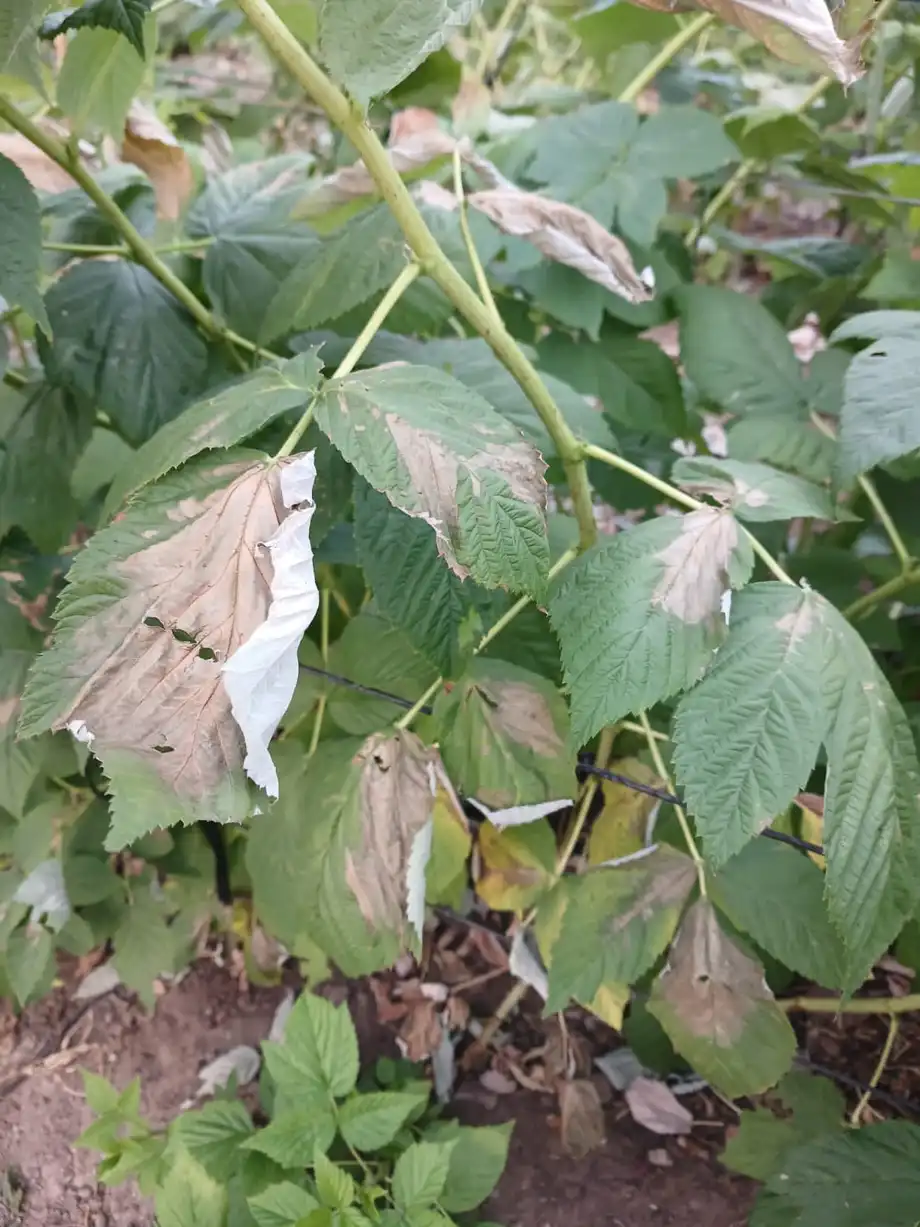
For some herbivores, especially sap-feeding insects, this type of tissue may be nutritionally more accessible.
This is where the work of Dr. Thomas M. Dykstra can be compared with Chaboussou.
Dykstra brought part of this logic into a practical field tool by using leaf Brix as a rapid indicator of plant physiological status and its possible relationship with insect pressure.
The difference is that Chaboussou started from a biochemical interpretation of plant susceptibility, while Dykstra helped popularise an operational tool: the refractometer as a simple way to observe trends inside the plant.
However, this connection must be made with caution.
Brix measures total soluble solids. It does not directly measure plant health, immunity, calcium, structural resistance or metabolic balance.
A high Brix value may reflect good photosynthesis and a balanced source-sink relationship. But it may also result from water stress, salt concentration, growth restriction or the accumulation of solutes due to poor translocation.
Therefore, the correct interpretation should not be: "High Brix means an immune plant."
The more honest interpretation is: "Leaf Brix can help us interpret the physiological status of the plant, but it only becomes valuable when it is connected with sap analysis, field observation, climate, nutrition, growth, phenology and real pest pressure."
Chaboussou opened the door to thinking about plant protection through physiology. Dykstra brought part of that discussion into a practical field measurement. Modern berry agronomy should build the bridge between both: using the concept as a diagnostic hypothesis, not as a dogma.
When Brix reflects plant health
In a balanced plant, leaf Brix can be a useful indicator.
A plant with efficient photosynthesis produces carbohydrates. These carbohydrates support fruit growth, root activity, shoot development, reserve accumulation and secondary metabolism. They are also part of the plant's ability to respond to environmental pressure.
In a well-managed berry crop, higher and stable leaf Brix may indicate:
- active photosynthesis;
- functional leaves;
- active roots;
- good water uptake;
- balanced nutrition;
- correct source-sink relationship;
- carbon availability for defence-related metabolism.
This is particularly important in berry crops, where performance depends on a delicate balance between canopy, fruit load and root function.
In blueberries, for example, a stable Brix trend under good light, correct irrigation and active root growth may indicate that the plant is managing energy efficiently.
In cane berries, it may help understand whether the plant can support fruit production while still building future cane potential.
In this context, Brix can be a useful field indicator. But it should never be used alone.
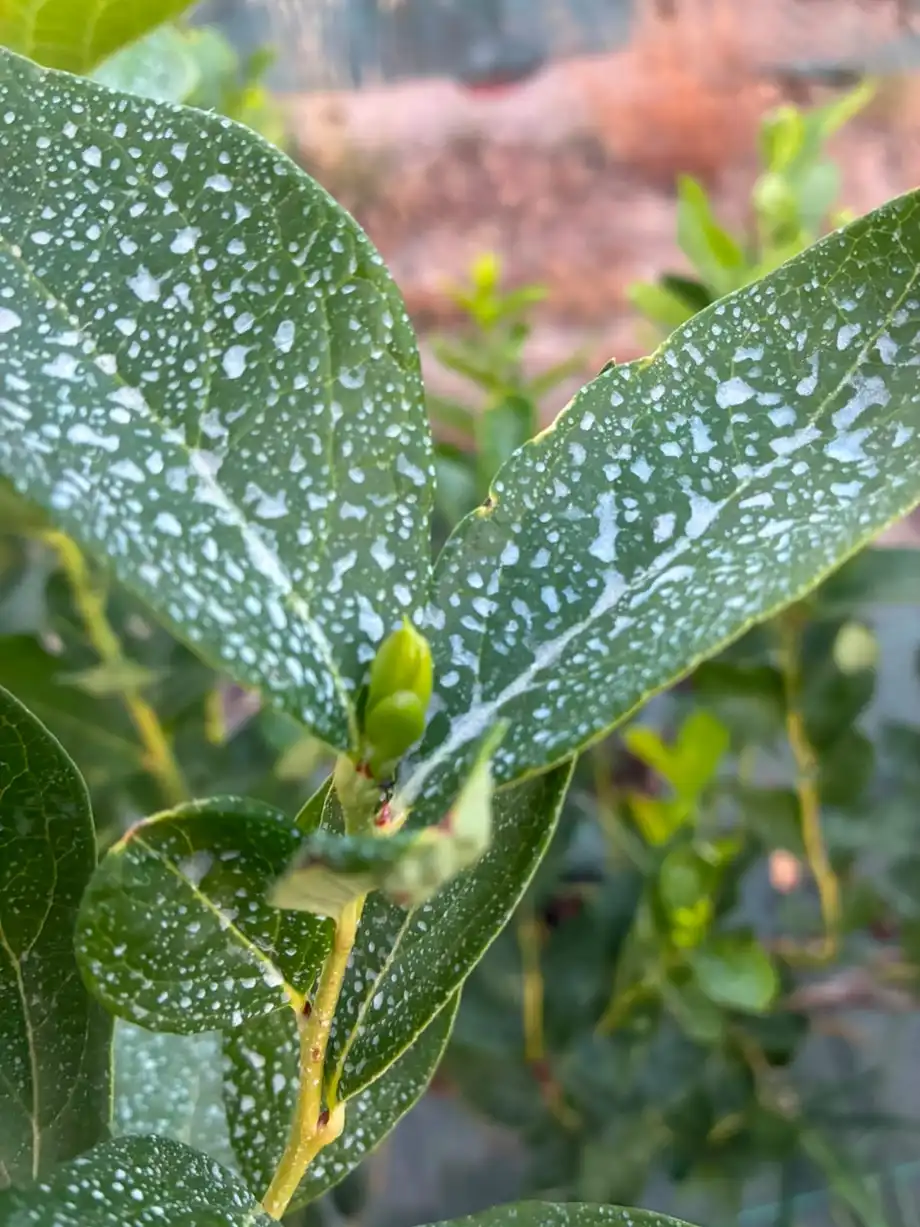
When Brix becomes a stress signal
The other side of Brix is stress.
Plants under stress often accumulate soluble compounds as a survival mechanism. Under drought, salinity, heat, high EC or poor root oxygen, plants may accumulate sugars, amino acids and osmolytes such as proline.
This helps cells maintain turgor and protect tissues. As a result, leaf Brix may increase.
But this does not automatically mean that the plant is healthier. It may simply mean that the sap is more concentrated because the plant is under pressure.
This is especially relevant in blueberries. Blueberry roots are shallow, fine and naturally limited by the absence of root hairs. They are highly sensitive to poor aeration, excess water, salinity and root-zone imbalance.
When roots are limited, the plant can reduce transpiration, close stomata and change its internal osmotic regulation.
Brix may rise - but growth, fruit size, firmness or post-harvest quality may still be compromised.
The same logic applies to raspberries, blackberries and strawberries during heatwaves, irrigation mistakes, excessive fruit load or high vapour pressure deficit.
A high Brix reading during good plant activity may be positive. A high Brix reading during stress may be a warning.
The same number can tell two different stories.
Why plant sap analysis changes the interpretation
This is where plant sap analysis becomes essential.
Brix tells us that soluble solids are present. Sap analysis helps us understand what those solids are and whether the plant is balanced or accumulating nutrients under stress.
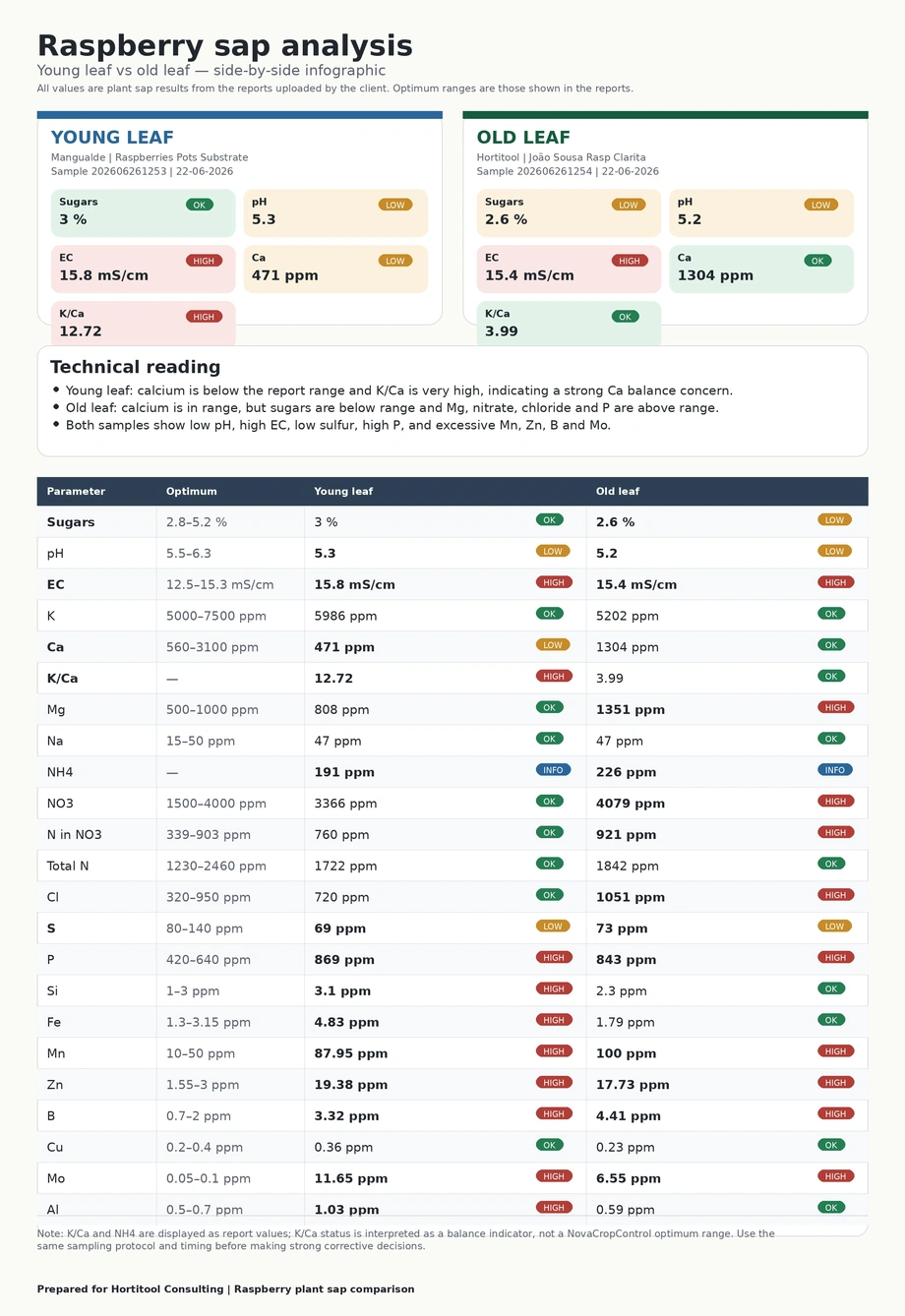
Fig: 1: Example of a result of sap analysis on old leaves and young with some comments
Despite the reading of the report and numbers, these samples plus the Brix measurements must be done withing a very regular basis (weekly or biweekly for sap analysis and daily to weekly for brix, to see trends)
However the interpretation with some trends can be:
High Brix together with balanced nitrate, potassium, calcium, magnesium and micronutrients may suggest good metabolic activity.
High Brix together with high sap EC, excessive potassium, sodium, chloride or nitrate accumulation may indicate osmotic stress, salinity, restricted growth or blocked metabolism.
Low Brix with high nitrate can also be a warning sign. It may suggest that nitrogen is being absorbed but not efficiently converted into amino acids, proteins and growth.
This can happen under low light, weak root activity, low temperature or imbalance in elements involved in nitrogen metabolism.
Potassium must also be read carefully.
During fruit filling, potassium demand naturally increases because of its role in sugar transport, osmotic regulation and fruit development. But excessive potassium, especially when calcium and magnesium are weak, may create nutritional pressure.
Calcium requires even more caution.
A good calcium level in leaf sap does not always mean that calcium is reaching young tissues or fruit. Calcium movement depends strongly on transpiration, root activity and water flow - all critical factors for firmness and shelf life in berries.
Therefore, the real value is not in Brix or sap analysis alone. The value is in connecting both.
Practical interpretation: Brix and sap together
| Field situation | Leaf Brix | Sap analysis pattern | Possible interpretation |
|---|---|---|---|
| Active plant under good light | Stable or high | Balanced NO3, K, Ca, Mg and micronutrients | Positive metabolic activity |
| Water stress | High | Higher sap EC and concentrated nutrients | Osmotic concentration, not necessarily health |
| Salinity or high root-zone EC | High | Increased EC, possible Na/Cl accumulation | Salt or osmotic stress |
| Low light with high nitrogen uptake | Low or unstable | High nitrate | Poor nitrogen assimilation |
| Excessive crop load | Falling | High K demand, possible reduction in reserves | Source-sink pressure |
| Poor root oxygen | Variable or high | Nutrient imbalance, weak Ca/Mg movement | Root limitation and restricted transpiration |
This table is not a recipe. It is a way to think.
Brix gives the signal. Sap analysis gives part of the explanation. The field gives the final context.
Reading Brix through the crop cycle
Leaf Brix must always be interpreted according to crop stage.
During vegetative growth, it can indicate whether the plant is producing enough energy to build shoots, leaves and roots.
During flowering and fruit set, it should be read together with plant strength, calcium, boron, zinc and carbohydrate availability.
During fruit filling, the fruit becomes the dominant sink. If crop load is excessive or leaf area is insufficient, leaf Brix may fall because the plant is exporting more carbohydrates than it can produce.
After harvest or pruning, Brix can help evaluate recovery and reserve rebuilding. This is a key moment in blueberries and cane berries, where the following season often depends on how well the plant recovers after harvest.
During stress periods, Brix should be treated as a warning light. Heat, high EC, poor drainage, root oxygen limitation, water deficit or sudden changes in radiation can all modify Brix values.
In these moments, a higher number should not be celebrated too quickly. It should be investigated.
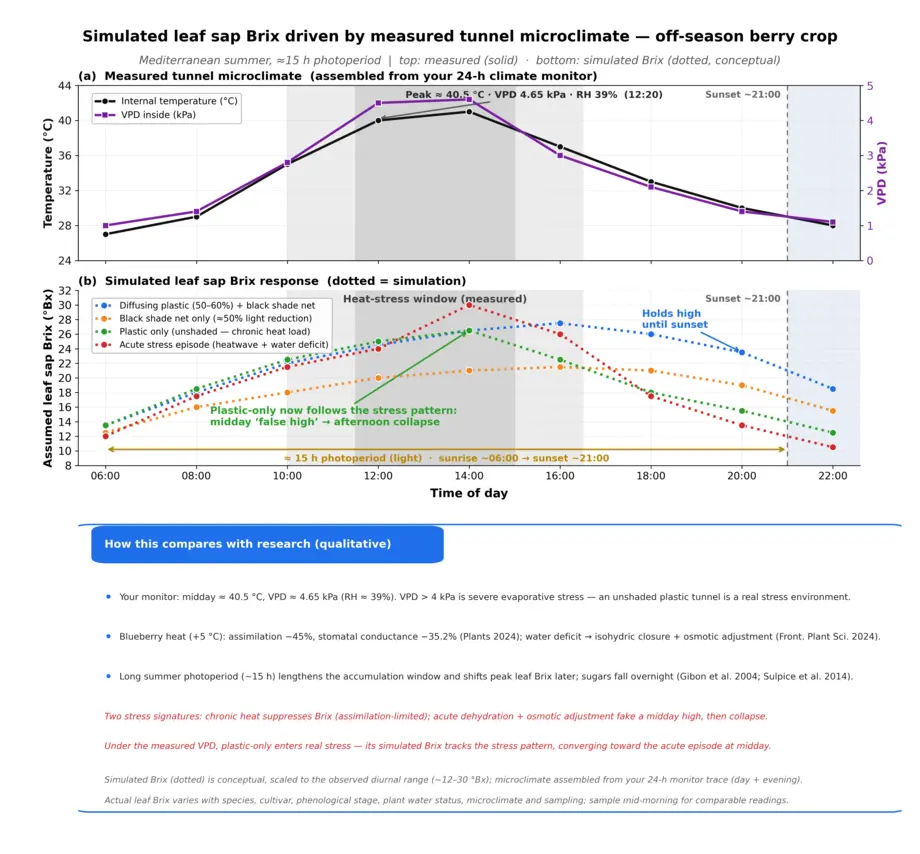 Fig 2: Hypothetical Brix trend trought the day under a summer Mediterranea climate under plastic, with plastic and shade net and only with shade net. This assumptions includes the effect of a potential heat wave effect on the plant brix
From measurement to decision
Leaf Brix is attractive because it is fast, simple and inexpensive. It can be repeated frequently and used to follow trends in the crop.
But the method must be disciplined.
Sampling time, leaf age, canopy position, weather conditions, irrigation status and recent spray applications can all influence the result.
For this reason, random measurements have limited value. Consistent measurements, repeated over time and connected with field observation, are much more useful.
The objective is not to collect numbers. The objective is to understand plant behaviour.
- Is the plant producing energy?
- Is the fruit load too strong?
- Is the root system active?
- Is nitrogen being assimilated or accumulated?
- Is potassium helping fruit filling or creating imbalance?
- Is calcium moving where it is needed?
- Is the plant growing, defending itself or only surviving?
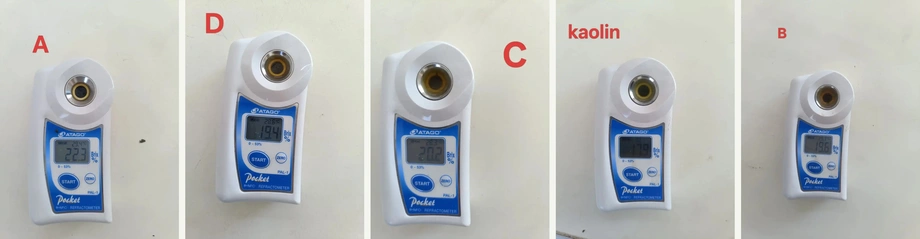 Fig. 4 Brix measurements from a tunnel with shade net at 6 am in the morning
Conclusion
Leaf Brix is not a magic number.
It does not replace plant sap analysis, root observation, irrigation monitoring, climate data or field experience. But when used correctly, it can become a valuable practical indicator.
In berry crops, Brix can reflect plant health when it is linked with active photosynthesis, balanced nutrition and efficient carbon metabolism.
But it can also reflect stress when it is caused by concentration of solutes under drought, salinity, heat, high EC or root limitation.
The future of berry crop management will not depend on one measurement alone. It will depend on connecting measurements.
Leaf Brix, plant sap analysis, drainage EC, substrate moisture, climate, root condition and fruit quality must be read together.
Because the plant is always giving signals.
The challenge is not only to measure them. The challenge is to understand what they mean.
About Hortitool Consulting
Hortitool Consulting Lda is an international agronomic consultancy specialised in small fruits, with technical work across blueberry, raspberry, blackberry and strawberry production systems.
The company supports growers, investors and technical teams in crop management, irrigation strategy, nutrition, plant physiology, post-harvest quality and operational decision-making.
References
Chaboussou, F. (1980). Les plantes malades des pesticides: Bases nouvelles d'une prevention contre maladies et parasites. Debard.
Dykstra Laboratories, Inc. (n.d.). About us. Retrieved July 3, 2026, from https://dykstralabs.com/about-us/
Feng, X., Bai, S., Zhou, L., Song, Y., Jia, S., Guo, Q., & Zhang, C. (2024). Integrated analysis of transcriptome and metabolome provides insights into flavonoid biosynthesis of blueberry leaves in response to drought stress. International Journal of Molecular Sciences, 25(20), 11135. https://doi.org/10.3390/ijms252011135
HortiDaily. (2017, September 22). Ten years of HortiNova crop consultancy. https://www.hortidaily.com/article/6033585/ten-years-of-hortinova-crop-consultancy/
Lu, Q., Miles, C., Tao, H., & DeVetter, L. (2022). Evaluation of real-time nutrient analysis of fertilized raspberry using petiole sap. Frontiers in Plant Science, 13, 918021. https://doi.org/10.3389/fpls.2022.918021
Ma, B., Song, Y., Feng, X., Guo, P., Zhou, L., Jia, S., Guo, Q., & Zhang, C. (2024). Integrated metabolome and transcriptome analyses reveal the mechanisms regulating flavonoid biosynthesis in blueberry leaves under salt stress. Horticulturae, 10(10), 1084. https://doi.org/10.3390/horticulturae10101084
NovaCropControl. (2022). Plant sap analysis. https://www.novacropcontrol.nl/images/referenties/Direct_Driller_17_March_22_Sap_Analysis.pdf
Paull, J. (2008). Trophobiosis theory: A pest starves on a healthy plant. Elementals: Journal of Bio-Dynamics Tasmania, 90, 26-28.
Plant Empowerment. (2026, January 20). Brix and plant health: Measuring resilience beyond what you can see. https://www.plantempowerment.com/knowledge-base/brix-and-plant-health/
Plant Empowerment. (2026, March 5). Measuring plant health: From Brix to plant sap analysis. https://www.plantempowerment.com/knowledge-base/measuring-brix-and-photosynthesis/
Ru, S., Sanz-Saez, A., Leisner, C. P., Rehman, T., & Busby, S. (2024). Review on blueberry drought tolerance from the perspective of cultivar improvement. Frontiers in Plant Science, 15, 1352768. https://doi.org/10.3389/fpls.2024.1352768