











In Japan, strawberries are never simply strawberries. Their arrival with the winter cold quietly marks the beginning of a season awaited with the same anticipation as cherry blossom time.
From December through early spring, strawberries take center stage as the country’s most celebrated fruit — neatly stacked in supermarket displays, highlighted in depachika (department store basements) and reimagined in elaborate seasonal desserts.
Below are some of the strawberry varieties commonly found in supermarkets and fruit shops around Tokyo, each offering a slightly different expression of what a strawberry can be.
Tochiotome and Tochiaika
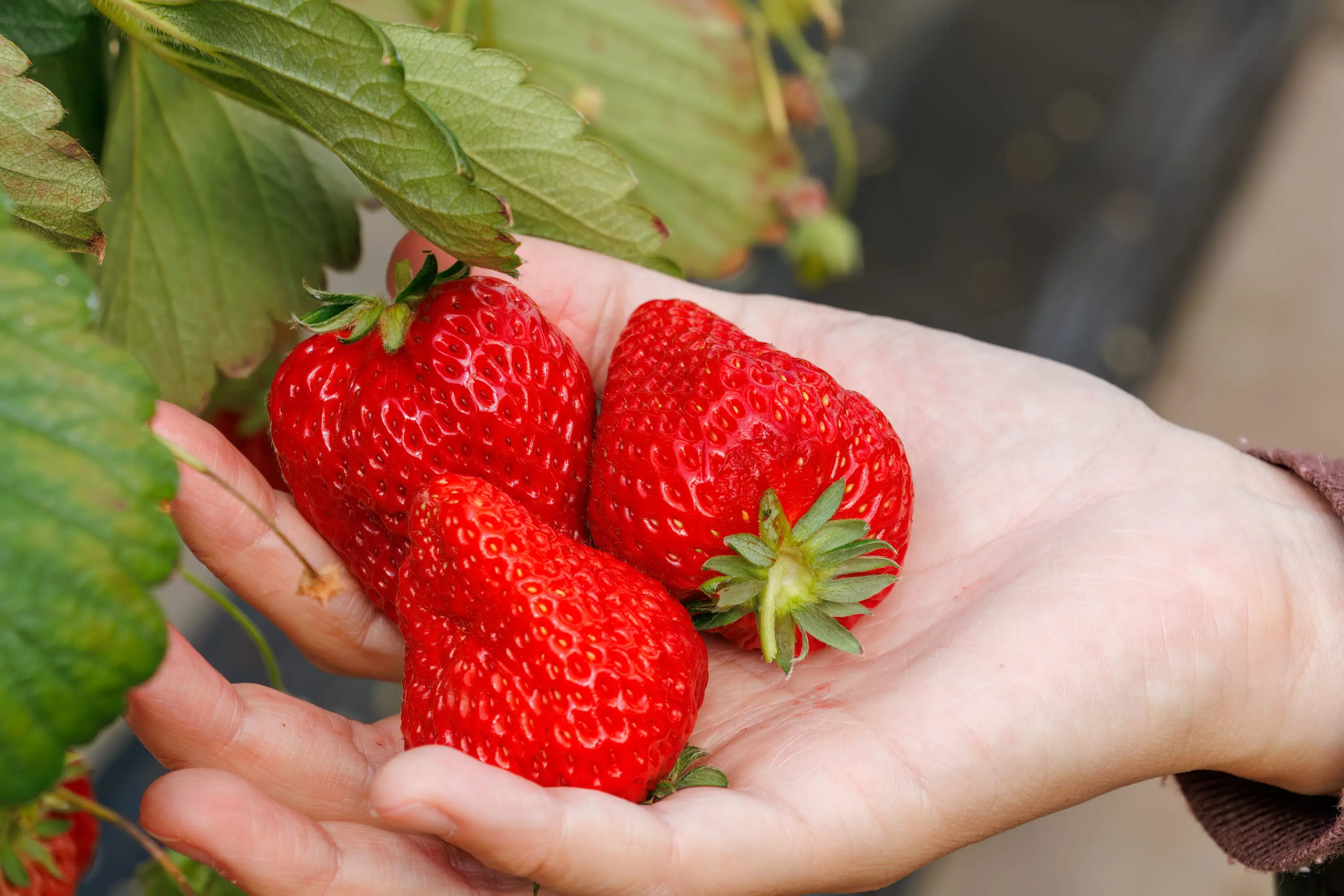
Tochiotome is one of the most widely consumed strawberry varieties in eastern Japan and is often the first type people encounter. Medium-sized, bright red and well balanced between sweetness and acidity, it is known for its reliability and versatility.
It is frequently used in shortcakes, parfaits and convenience store desserts. Much of Tochigi Prefecture’s reputation as Japan’s strawberry capital can be traced back to this cultivar.
Tochiotome holds its shape well, travels better than softer varieties and delivers a familiar, comforting flavor.
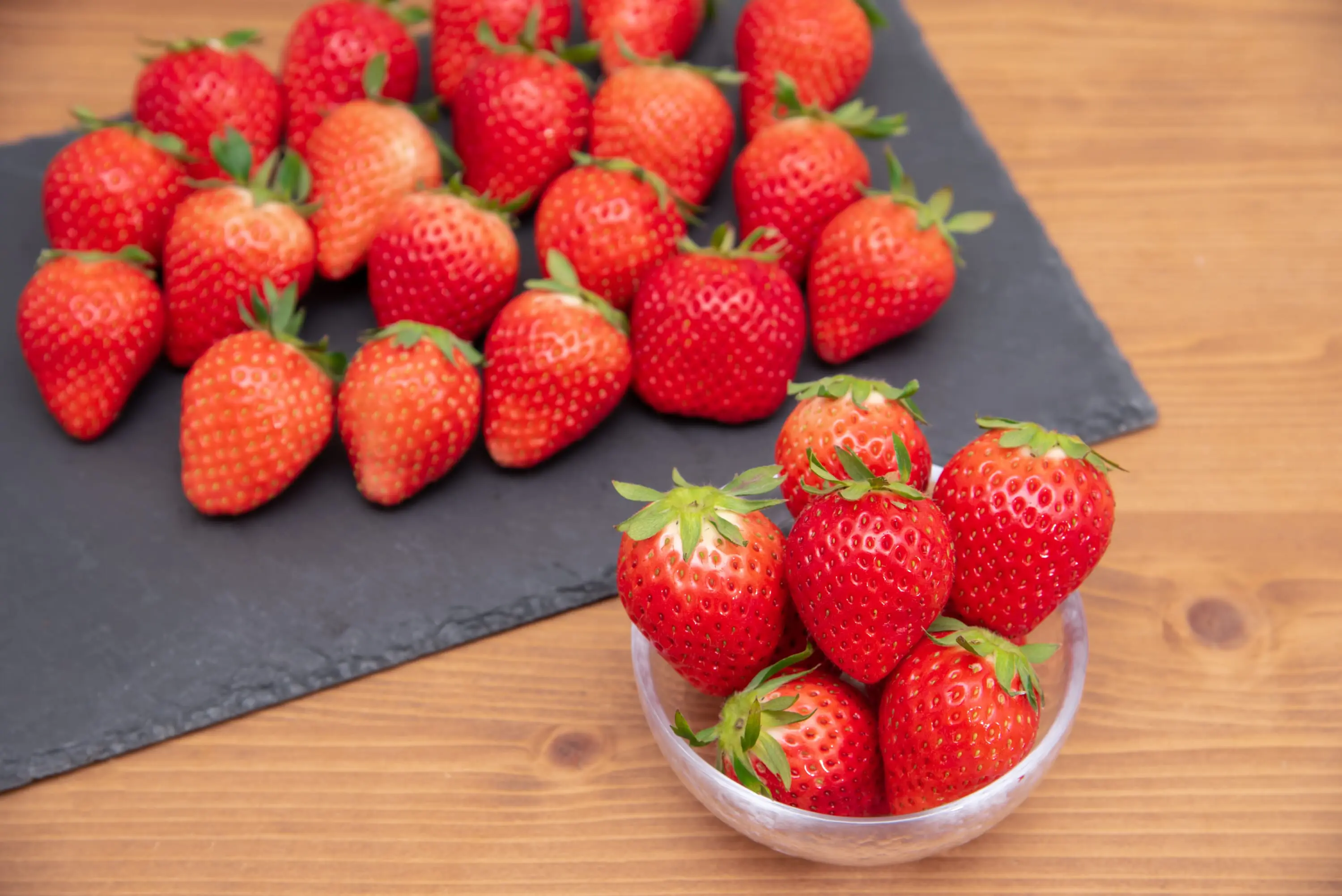
Tochiaika is a newer variety, developed in 2019 as Tochigi’s next-generation flagship strawberry, and it has quickly gained attention.
Sweeter than Tochiotome and lower in acidity, Tochiaika offers a softer, rounder flavor. When sliced, it reveals a heart shape. Visually, the berries are slightly larger, darker red and more tender in texture.
While it is still less widespread than Tochiotome, Tochiaika is increasingly available in supermarkets and specialty fruit shops, particularly during peak season.
For those who favor sweetness over sharpness, this variety is worth seeking out.
Amaou and Sachinoka
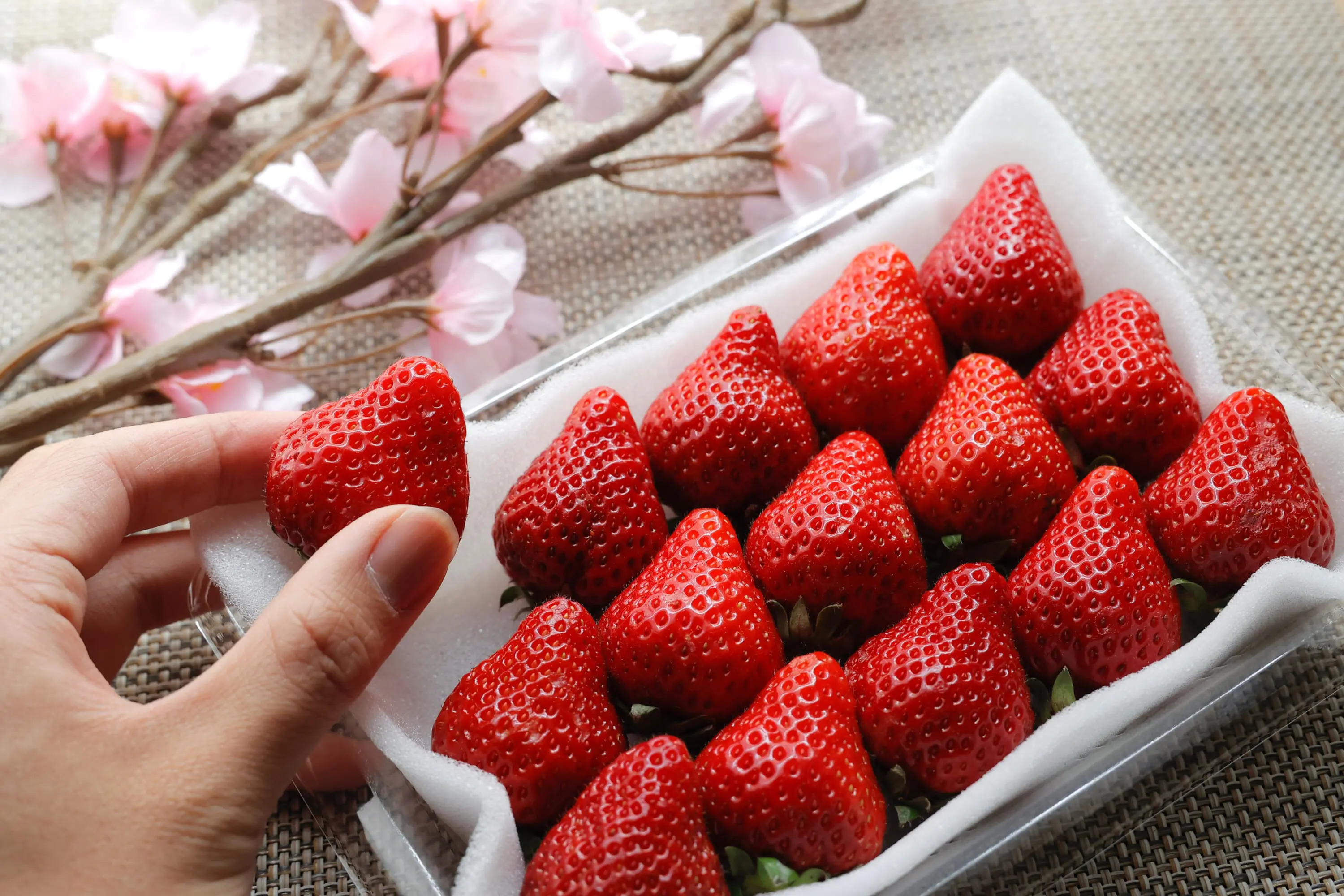
Known as the “king” of strawberries, Amaou berries are famous for their large size, plump shape and intense sweetness.
The variety is officially recognized as the world’s heaviest strawberry, a fitting distinction given its name — “Amaou” is an acronym for akai (red), marui (round), okii (big) and umai (tasty).
With high sugar levels and low acidity, Amaou strawberries are super rich and indulgent. They are often sold individually or in small packs and featured in luxury desserts, gift boxes and seasonal café menus.
Even a single berry can feel like a special treat rather than a casual snack.
A specialty from Nagasaki, Sachinoka strawberries are deep red and prized more for their fragrance than for pure sweetness.
They are aromatic and soft yet still structured, releasing their scent almost immediately when sliced. A noticeable acidity underlies the sweetness, which is precisely why pastry chefs favor them, as they pair well with cream, custard and sponge cake.
Benihoppe, Yayoihime and white strawberries
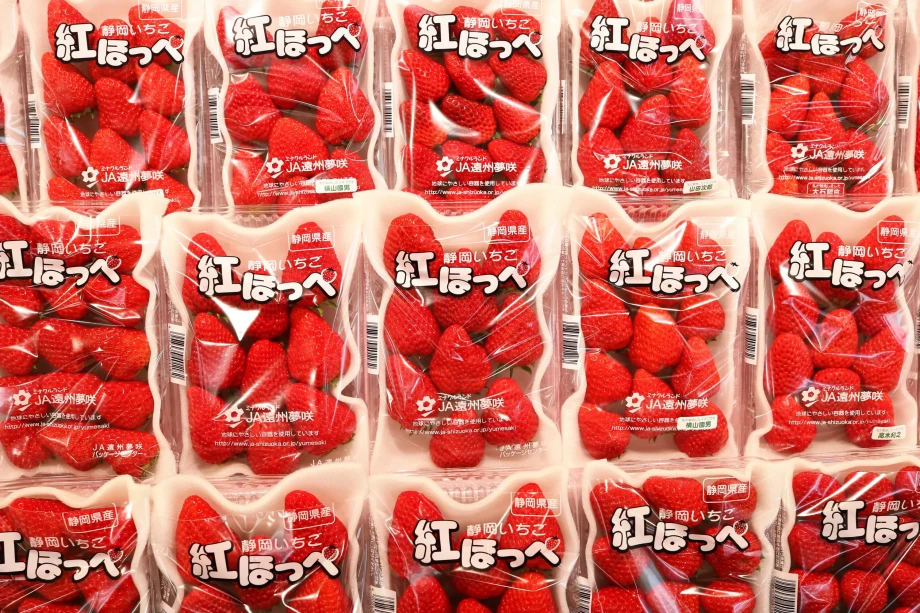
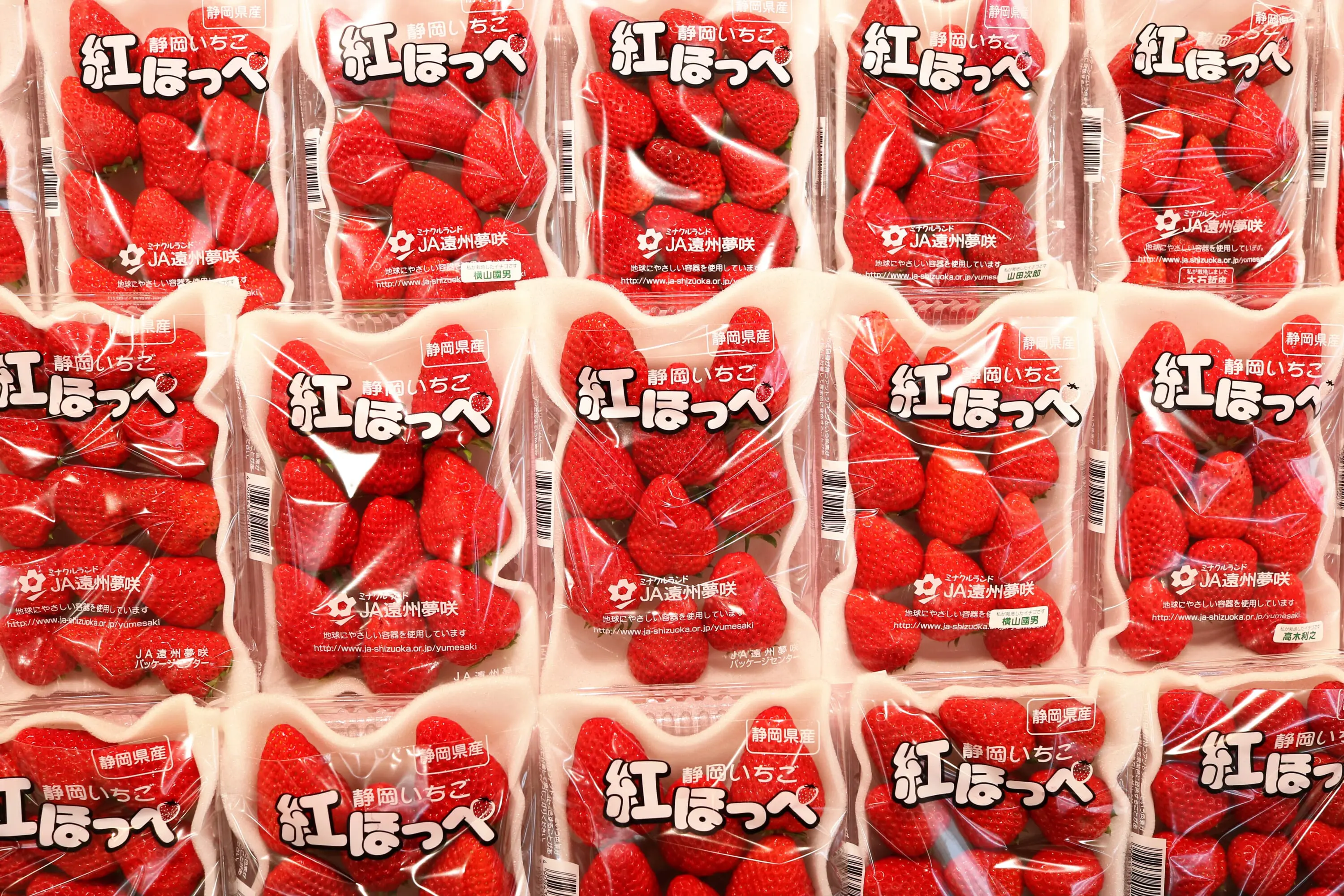
Benihoppe is a favorite among those who prefer a bolder, fruit-forward flavor. More acidic than Amaou, it delivers a deeper and more pronounced taste.
Benihoppe strawberries grown in Shizuoka are widely available in Tokyo during winter and early spring and are generally more affordable than premium gift varieties.
Though known for retaining both flavor and texture well into the later months of the season, Yayoihime strawberries are often overlooked — yet quietly impressive.
Large, pale red and very sweet, they are low in acidity and easy to eat. Their firm, juicy texture allows them to withstand long-distance transport and remain fresh for longer.
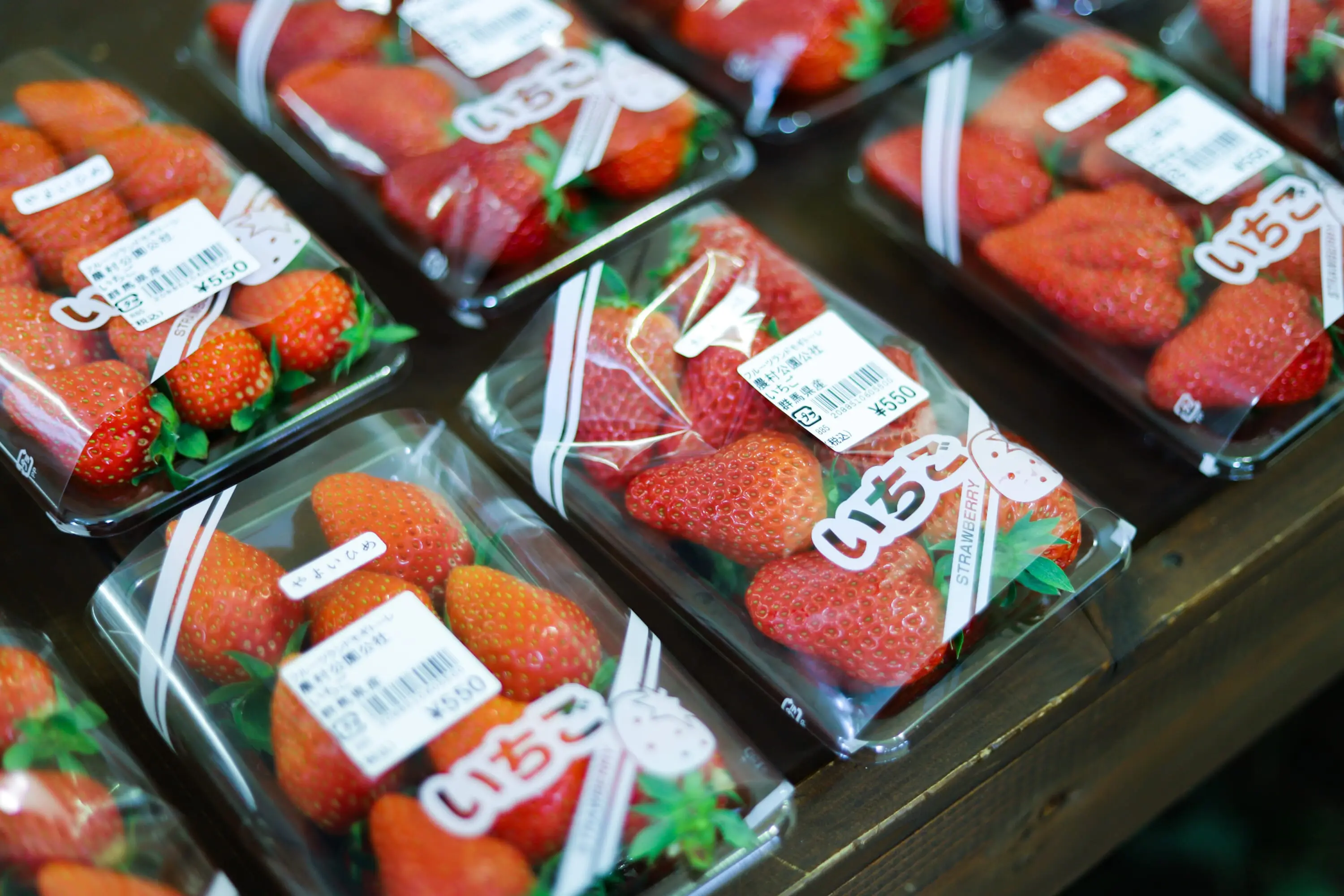
Because they are grown relatively close to Tokyo, Yayoihime strawberries often appear in regional supermarkets and farmers markets, especially later in the season.
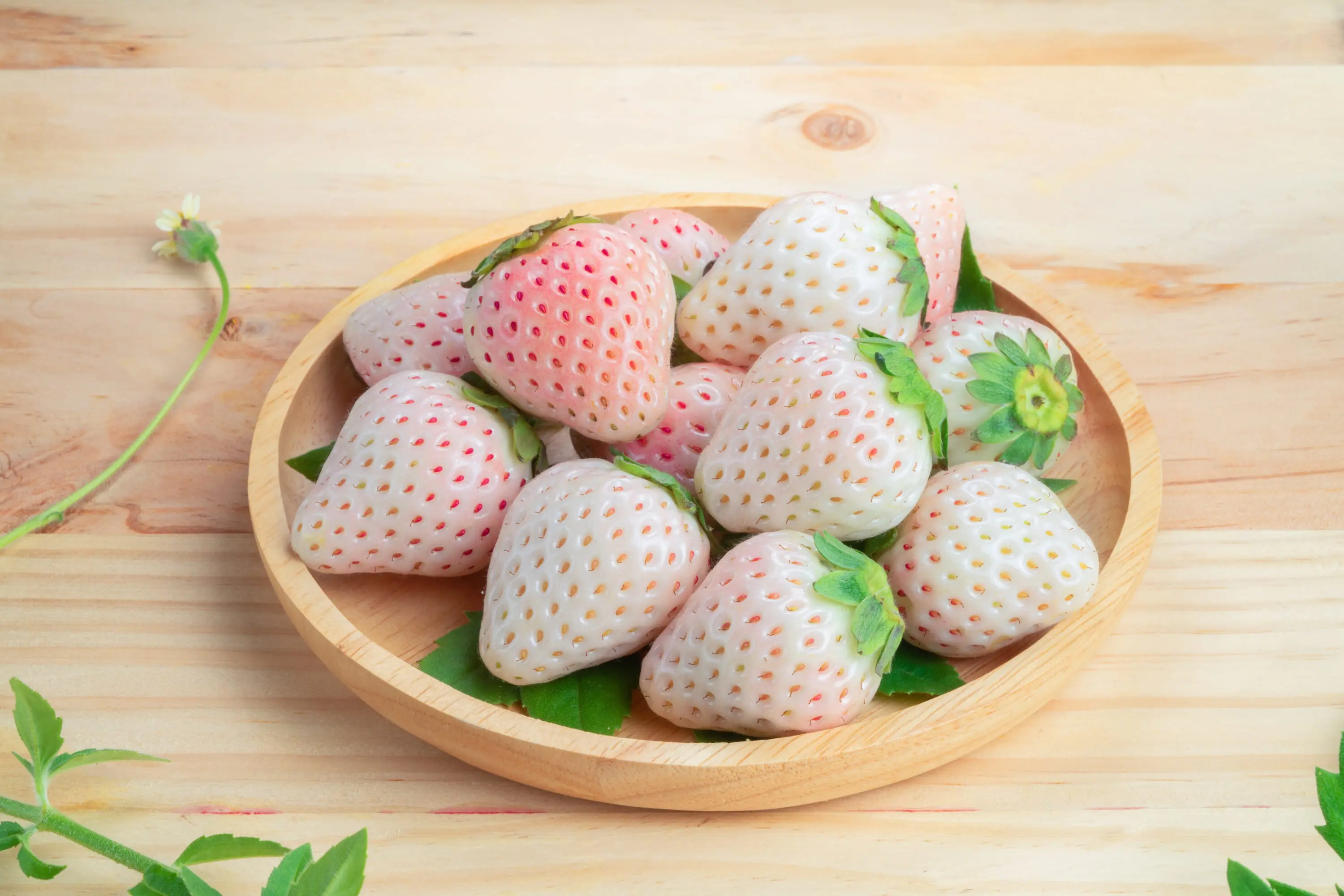
Awayuki, originating in Shibushi city in Kagoshima Prefecture, is one of Japan’s best-known white strawberry varieties. It is distinguished by pale pink skin and lightly blushed flesh that remains softly colored throughout.
Unlike red strawberries, which rely on acidity to create contrast, Awayuki berries are notably mild, with very low acidity and a gentle sweetness.
Their delicate flavor is best enjoyed fresh and at room temperature, when their aroma becomes more pronounced.
Alongside Awayuki, several other white strawberry varieties are found in Japan, including Hatsukoi no Kaori from Yamanashi, Tokun from Hokkaido and Milky Berry from Tochigi.
These varieties are typically sold in small quantities at specialty fruit shops and department stores.
Where to find strawberries
For everyday access, supermarkets are the most convenient option. Chains such as Life, Seijo Ishii and Aeon regularly stock Tochiotome, Benihoppe and seasonal regional varieties.
Prices vary throughout the season, with January to March generally offering the best balance between quality and value.
Depachika, such as those at Isetan, Takashimaya and Mitsukoshi, carry more premium selections, including Amaou and carefully graded local strawberries, often packaged for gifting.
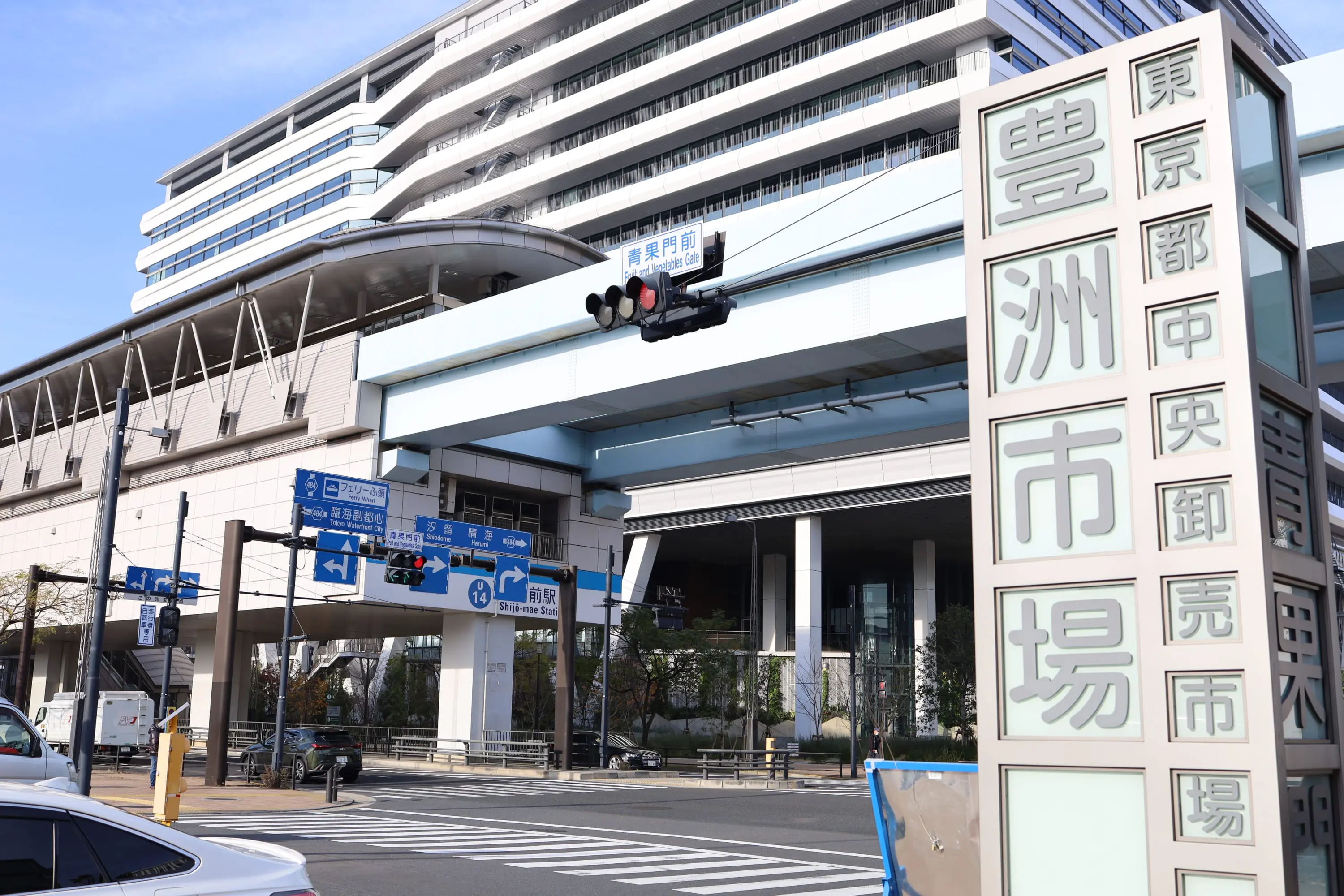
Toyosu Market isn’t only about seafood. It also functions as a major distribution hub for fruit and vegetables. While it primarily serves professionals, some retailers within the complex sell high-end strawberries at competitive prices early in the morning.
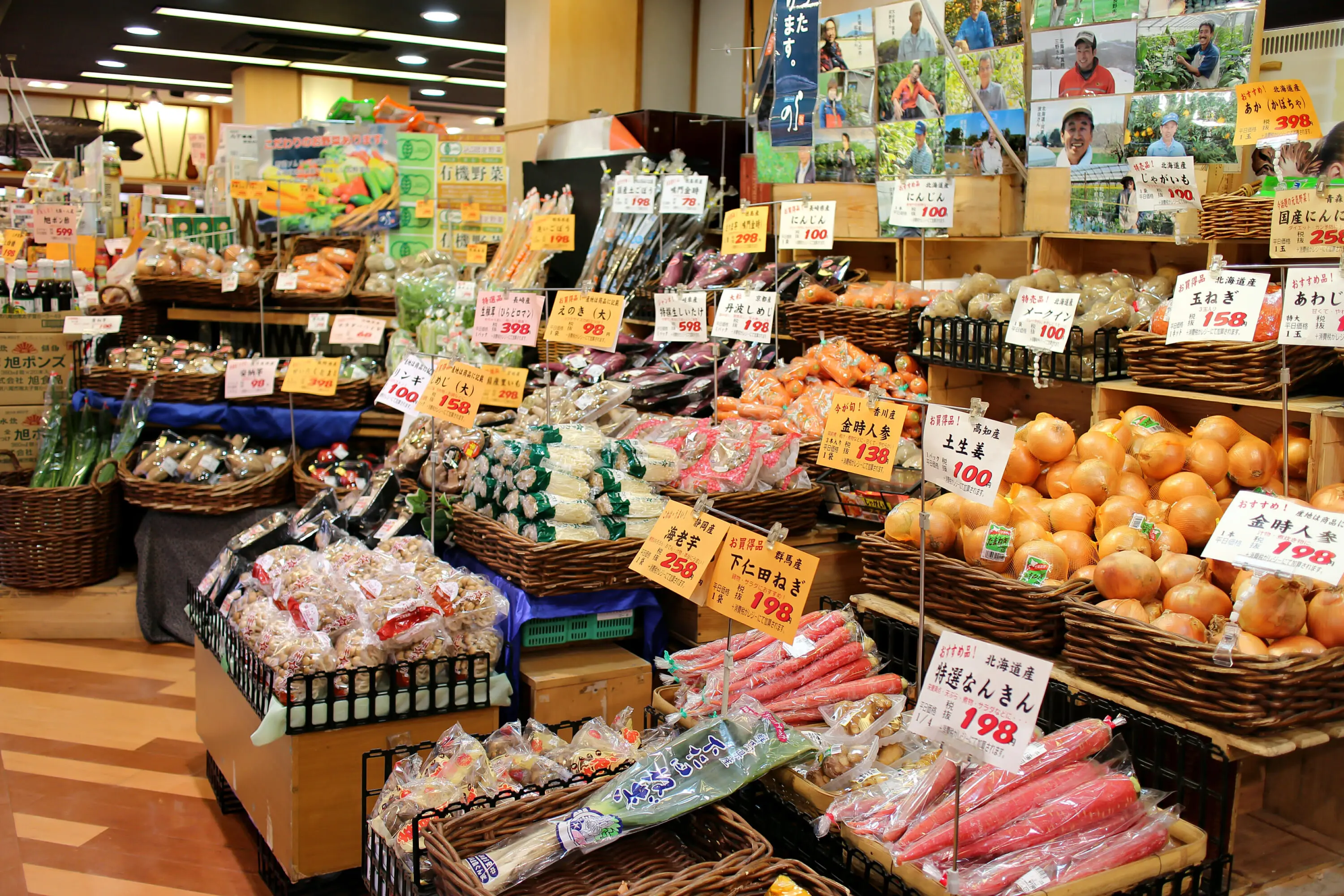
Greengrocers such as Oshimaya, Toyosu Kushiya and Bijinzuma Surugaya are known for selling fresh fruit alongside vegetables and pantry items.
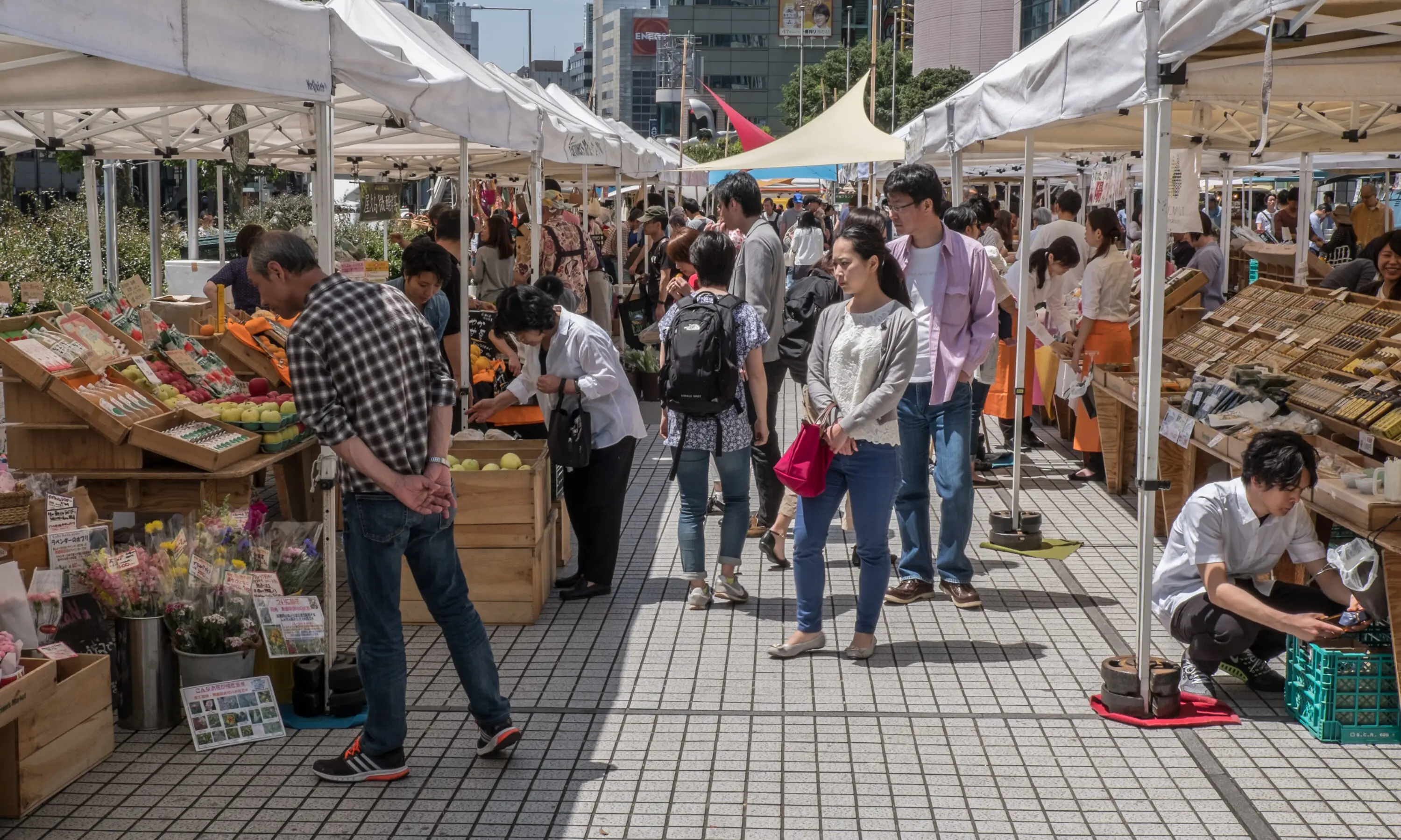
Providing one of the most direct ways to buy strawberries in Tokyo, farmers markets often feature small-scale producers selling fruit harvested just one or two days earlier.
You may also encounter varieties that rarely appear in major supermarket chains.
Markets such as the UNU Farmers Market in Aoyama, Taiyo no Marche in Kachidoki and weekend pop-ups across Tokyo frequently offer seasonal strawberries from nearby prefectures, including Chiba, Saitama and Tochigi.
Prices are often higher than in supermarkets, but freshness is evident, and growers are usually happy to explain the characteristics of each variety and how best to enjoy them.
Strawberry picking and seasonal desserts
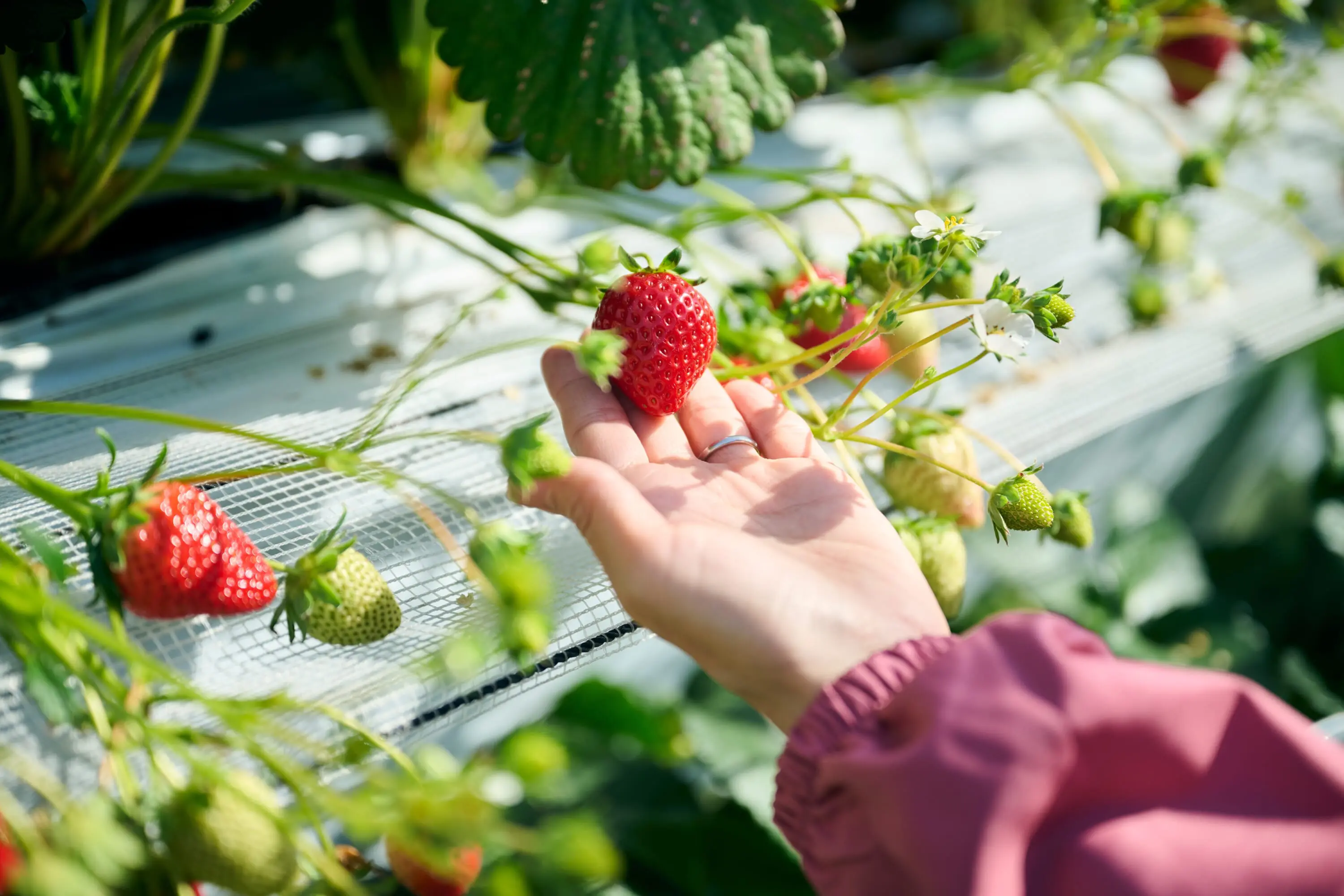
Strawberry picking, or ichigo-gari, is a popular activity for all ages. From January to April, farms in Tochigi, Chiba, Saitama, Yamanashi and Kanagawa open their greenhouses to visitors, often offering time-limited all-you-can-eat experiences.
As many farms allow visitors to sample multiple varieties in one session, a round of strawberry picking is one of the best ways to experience differences in flavor firsthand.
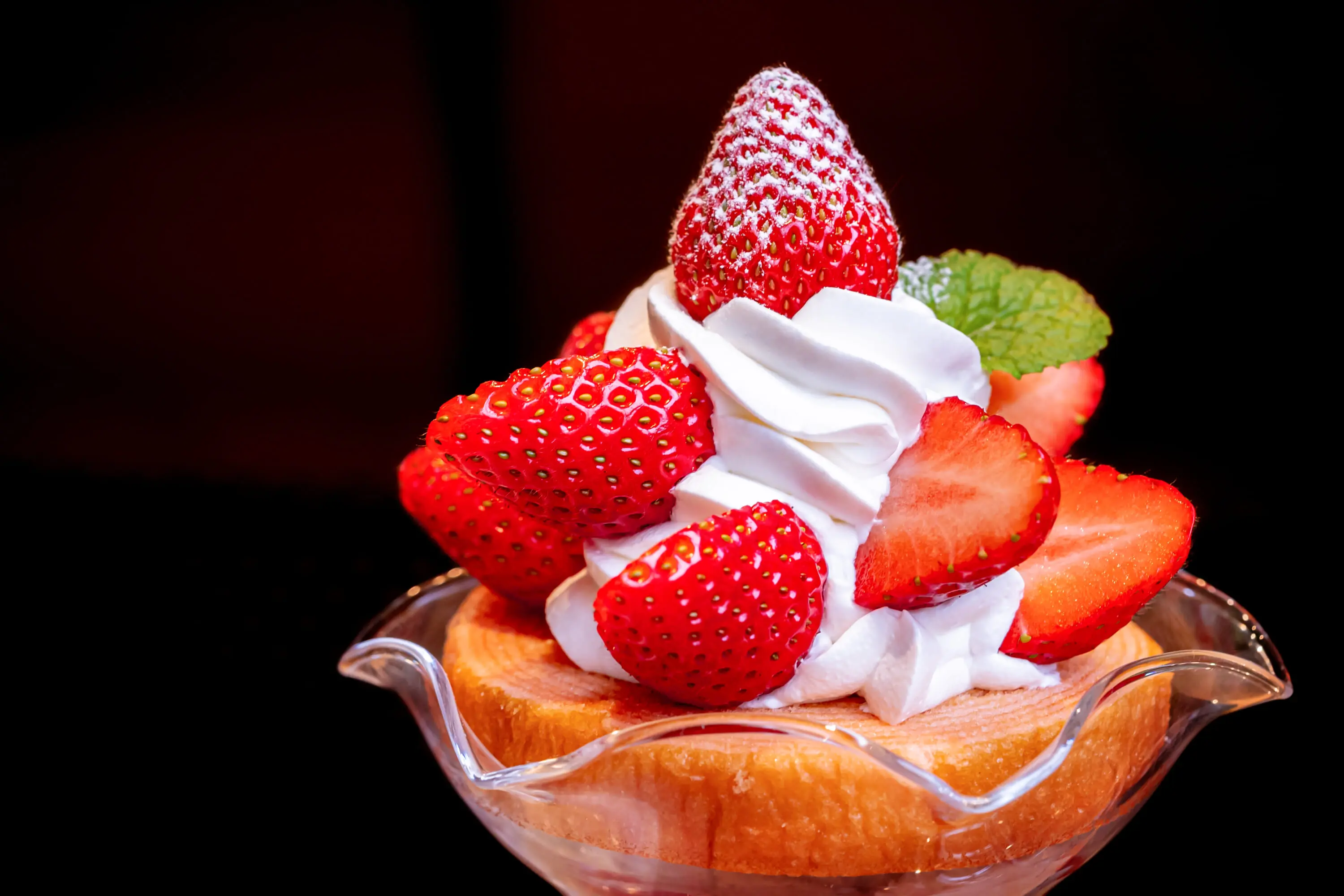
From delicate ichigo daifuku to cream-filled fruit sando, seasonal strawberry desserts are everywhere during winter and spring.
Cafés rotate menus quickly, and parfaits, tarts and shortcakes made with premium cultivars such as Amaou often appear for only a few weeks, making timing essential.
Source text and images: www.tokyoweekender.com