






Exclusive interview with Hans Liekens, Global Head of Marketing & Innovation at Planasa, on varietal challenges, Generation Z and new B2B scenarios across modern retail, Food Service and snacking
In the berry sector, innovation does not mean chasing short-lived trends, but anticipating consumer needs a decade in advance. Breeding programmes require long, rigorous development cycles, in which the agronomic and varietal decisions made today in experimental fields will determine what appears on retail shelves in the years to come.
To explore the category’s development, Italian Berry interviewed Hans Liekens, Global Head of Marketing & Innovation at Planasa, one of the world’s leading companies in strawberry and berry breeding and propagation.
From the paradigm shift driven by Generation Z consumers to the emergence of calyx-free strawberries for snacking, from the untapped potential of the Food Service channel to the vision of the blackberry as “the new blueberry”, Liekens sets out the strategic direction for growers, packers and distributors across the international supply chain.
The breeding timeline: why we need to plan for 2036
Hans, when we talk about varietal breeding in berries, what is the actual timeframe for a group such as Planasa, and what perspective errors do you most often see across the supply chain?
Our business is breeding, and genetic improvement is by nature a long-term process. If we start a new selection programme today, the resulting genetics will be ready for the market in about eight years. This means we cannot develop varieties today based on current needs: we have to plan for 2036.
One of the most common mistakes in our sector is being anchored to the present. If we look back eight years, how did we live? What did we do with our smartphones? The world has changed radically over the past eight years, and it will change just as quickly over the next eight.
I keep reminding our breeders in internal discussions: the varieties we develop today are not for my mother, but for my children. By 2036, my mother will no longer be with us; my children belong to Generation Z, and by 2036 they will have children of their own.
Their lifestyles and purchasing habits are already very different from traditional ones: they do not visit physical supermarkets as previous generations did, they are constantly on the move, they snack and graze throughout the day, and they order groceries online. All our varietal development must align with this reality.
How do technological developments and this new generation’s decision-making habits influence your breeding objectives?
We need to immerse ourselves fully in their world. These are consumers who turn directly to artificial intelligence tools such as ChatGPT to decide what to buy or even to form an opinion about what is good or bad.
That is why we need to develop fruit and vegetable varieties that fit seamlessly into their lifestyles: products suited to on-the-go snacking, e-commerce sales, convenience meals and ready-to-eat products.
When fruit is intended as a quick snack, the technical requirements change: texture and firmness become essential parameters, and the fruit must look flawless. In e-commerce, the quality threshold is even higher.
If a customer buys a punnet of berries in a physical store and finds a defective fruit, they may put it down to having chosen carelessly. But if they order online and receive a damaged pack or one containing deteriorated fruit, the supplier is immediately held responsible and the order is rejected. The quality bar must be raised significantly across the entire supply chain.
The strawberry revolution: from commodity risk to calyx-free snacking
Looking at individual crops, strawberries remain the leading volume in the berry category, but they are often subject to commodity-like pricing and standardisation. How do you see this fruit’s varietal development?
Strawberries are a fascinating product, historically managed as a kind of commodity with a small premium segment alongside it. I firmly believe this category is on the verge of a major transformation. On the one hand, we will see the introduction of significantly better selections that will allow retailers to create a clear, recognisable premium offer for consumers.
On the other hand—and this is the real paradigm shift we are working towards at Planasa—is the development of calyx-free strawberries for snacking. Being able to eat a strawberry as a snack without removing its green leafy top will be a real game changer for the market.
“If we can offer a line of strawberries specifically developed for snacking, with no waste, we can position them on the shelf alongside snack blueberries, baby carrots, gherkins and ready-to-eat cherry tomatoes. That is the goal we are working towards for the entire berry category.”
The absence of the calyx removes a physical and practical barrier to eating strawberries straight away, making them direct competitors to established healthy snacks in the chilled produce section and high-traffic channels.
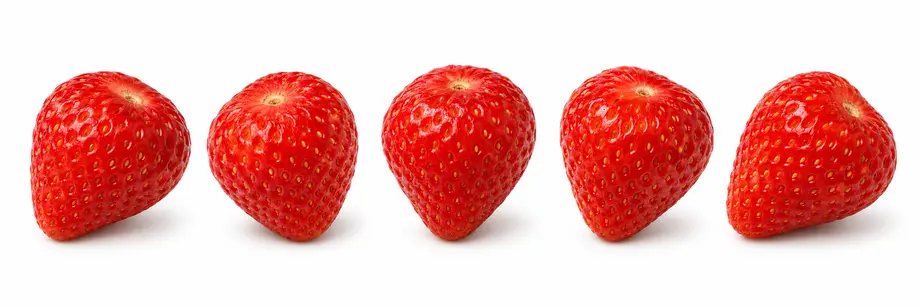 AI-generated image
Eating out and horeca: the major untapped value frontier
Beyond traditional modern retail, which commercial channels are missing the greatest opportunities for berries?
Food Service and Horeca are among our primary targets precisely because the market is missing huge opportunities. Here is a concrete example: anywhere in the world, people may pay as much as 25 euros for a buffet breakfast at a leading international hotel chain, such as Hilton or a similar brand, yet the fruit on offer is often poor and embarrassing in quality.
Every now and then, a few second-grade berries appear. But imagine if the four main berries were served at breakfast in perfect condition: guests would eat them every time and enjoy them immensely.
The same applies to major global food-service chains:
- McDonald’s: if a perfect blueberry were added to the well-known take-away fruit pouches instead of a grape, alongside the apple slices, customer satisfaction would rise immediately and nobody would object.
- Starbucks: alongside a speciality coffee sold for 5 or 7 euros, offering a takeaway cup of high-quality strawberries or blueberries would be a natural pairing with significant added value.
That is precisely our primary responsibility as breeders: to develop varieties with sensory and logistical characteristics that persuade giants such as Starbucks, McDonald’s and major hotel chains to embrace berries.
We need to enable them to meet their customers’ needs and, at the same time, generate solid margins. Consumers will spend more and more time away from home in the coming years and will buy convenient, ready-to-eat food. Finding three blackberries and three blueberries in a ready meal represents an extraordinary business opportunity for our entire supply chain.
The competition between species: blueberries lead, and blackberries have their moment
In the competition between blueberries and the Rubus family (raspberries and blackberries), what global balance is beginning to emerge?
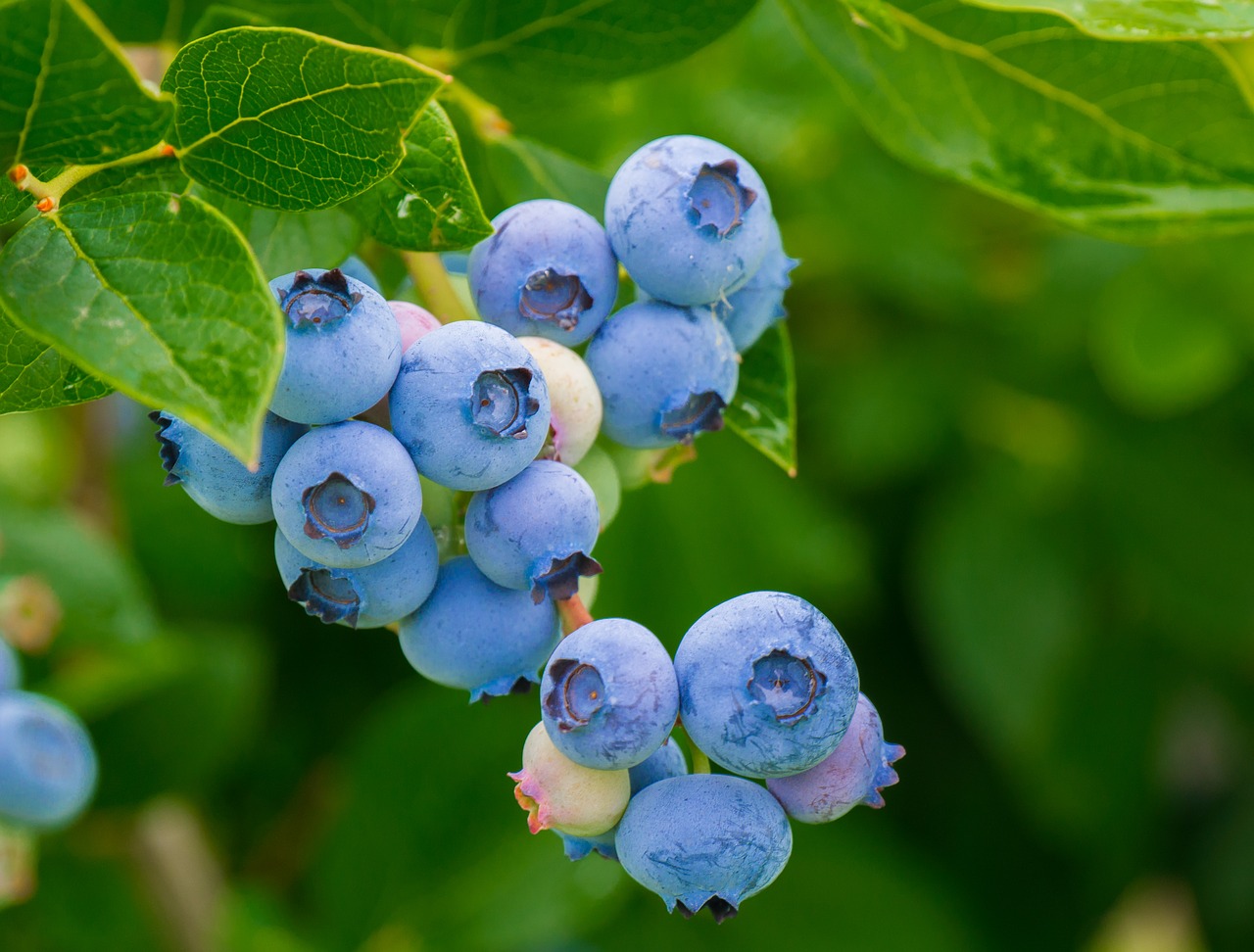
Blueberries will continue to grow at a fast pace, driven above all by their shelf life. From a commercial and distribution perspective, blueberries are the easiest product to handle: they withstand intercontinental transport, have excellent keeping quality and make it possible to ensure year-round availability for 52 weeks with consistent quality.
For Generation Z and modern consumers, consistent quality 365 days a year is a non-negotiable prerequisite: they do not care which hemisphere or country the supply comes from. In their minds, there is no such thing as a “summer Coca-Cola” and a “winter Coca-Cola”, just as there is no “Northern Highbush Twix” and “Southern Highbush Twix”.
There is one brand and one taste experience, which must be the same with every purchase. Blueberries are the crop that meets this need most easily, which is why they will remain the benchmark.
A genuine race is under way behind blueberries, involving other genetic groups and new breeding technologies. The winner of the race for second place will be whoever develops the best combination of shelf life and firmness, the two decisive factors.
Do you think blackberries could step into this leading role?
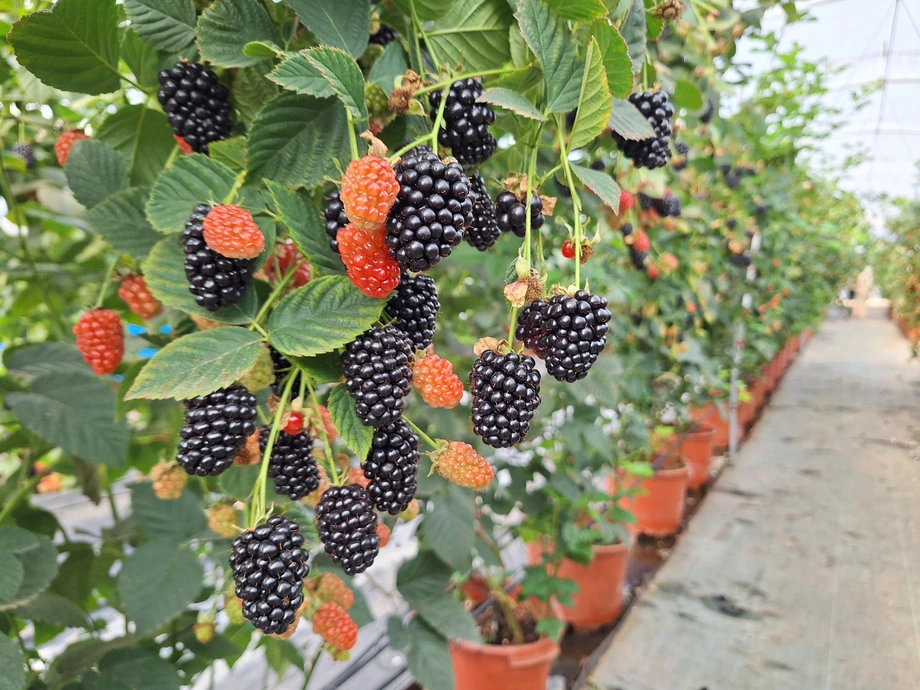
Absolutely. Genetic improvements in keeping quality make blackberries an extremely promising crop. Unfortunately, the average consumer does not currently expect much in the way of aromatic complexity when buying blackberries; more often than not, they encounter disappointing or sour fruit.
The problem with berries is inconsistency in quality: if a customer buys a pack of unpleasant blackberries, they stop buying them for at least six weeks before giving the category another chance. Blackberry varieties with excellent sensory and aromatic qualities already exist in our nurseries, but they are not yet widely available in supermarkets on a large scale.
When we succeed in building a consistent offer based on this genetics, we will see a historic turning point. My strategic conviction can be summed up in one phrase: black will be the new blue. Blackberries have the potential to follow the extraordinary growth path of blueberries.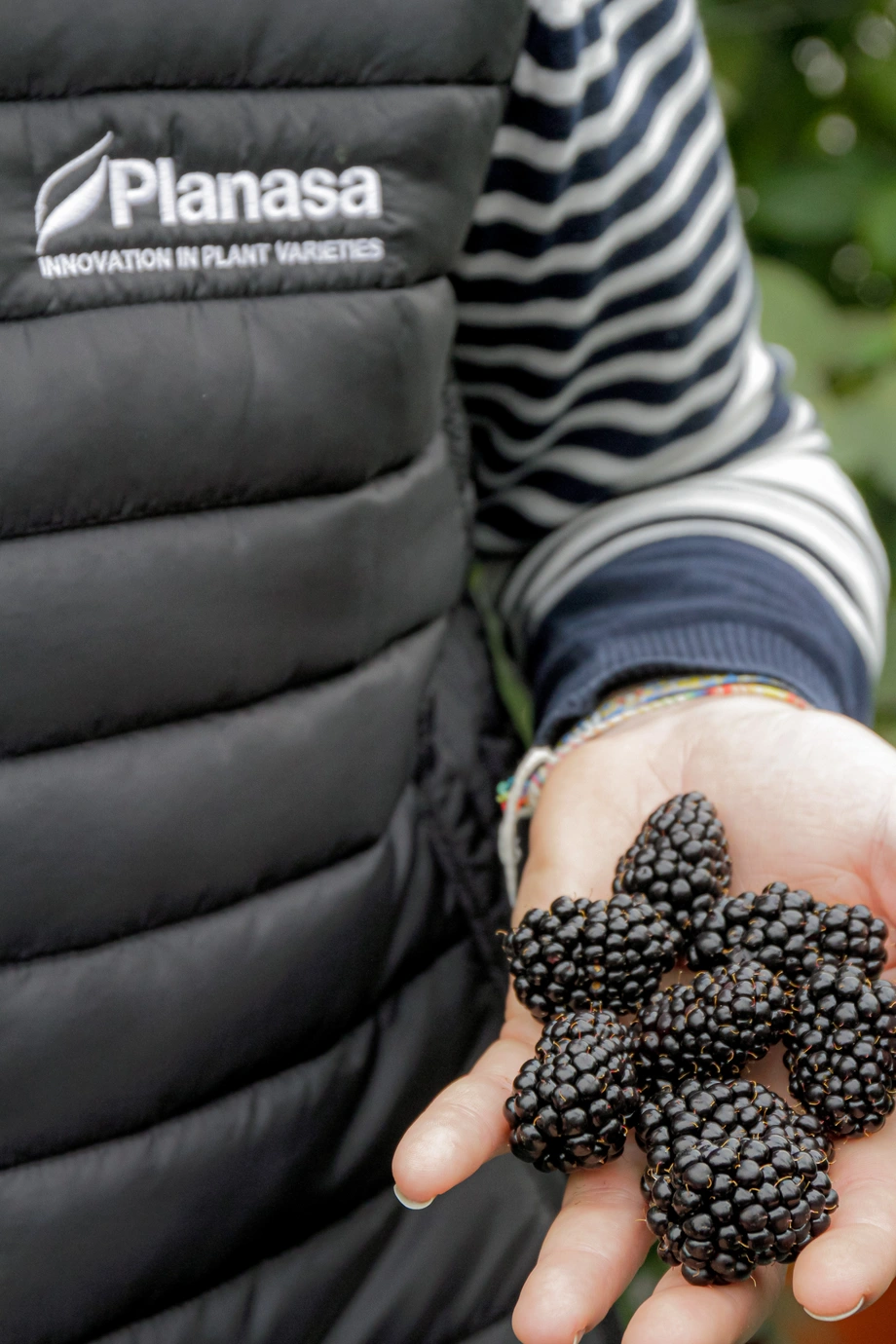
The strategic innovation matrix for berries
To understand the breeding priorities and operational drivers outlined by Hans Liekens, the following table summarises the positioning and development goals for each of the four key species:
| Product | Main genetic driver | Logistical and commercial challenge | Priority target channels |
|---|---|---|---|
| Blueberry | Firmness and extended shelf life | Maintaining consistent quality for 52 weeks a year, regardless of production origin | Modern retail, e-commerce, Food Service to-go (e.g. McDonald’s, Starbucks) |
| Blackberry | A sweet aromatic/flavour profile and longer shelf life | Overcoming inconsistent quality on the shelf to prevent customers from stopping their purchases for six weeks | Premium modern retail, food retail and commercial food service |
| Strawberry | Calyx-free fruit and firm flesh for snacking | Moving from a commodity model to premium products that are convenient to eat straight away | Chilled snack sections, vending machines, hotel breakfasts |
| Raspberry | Colour differentiation (e.g. yellow) and post-harvest durability | Immediate visual recognition and consistency with a distinctive flavour profile | Advanced modern retail, ready meals, high-end Food Service |
The scope of varietal development: no exotic species, but room for new shapes and colours
Many industry players are wondering whether new wild species or minor berries might enter the market. Does Planasa intend to expand its portfolio beyond the four core fruits?
When it comes to the berry category, our answer is clear: no, we are not working on new berry species outside the classic quartet of strawberries, blueberries, raspberries and blackberries. We are keeping a close eye on other types of fruit more generally, but innovation in berries will come through the diversification of colours and shapes within these four established species.
Modern retail is asking us to be precise on this point: whenever a new variety is introduced on the shelf, consumers must be able to see the difference immediately.
“There is no point in breeding a yellow watermelon if consumers cannot tell from the outside that its flesh is different. By contrast, if we offer a yellow raspberry, the novelty is immediately visible; the flavour must then be distinctive and convincing enough to drive repeat purchases and build a strong, lasting commercial segment.”
In the years ahead, varietal innovation will therefore not mean spreading our efforts across minor or exotic species, but reinventing the convenience, colour and taste experience of the four pillars of the global berry market.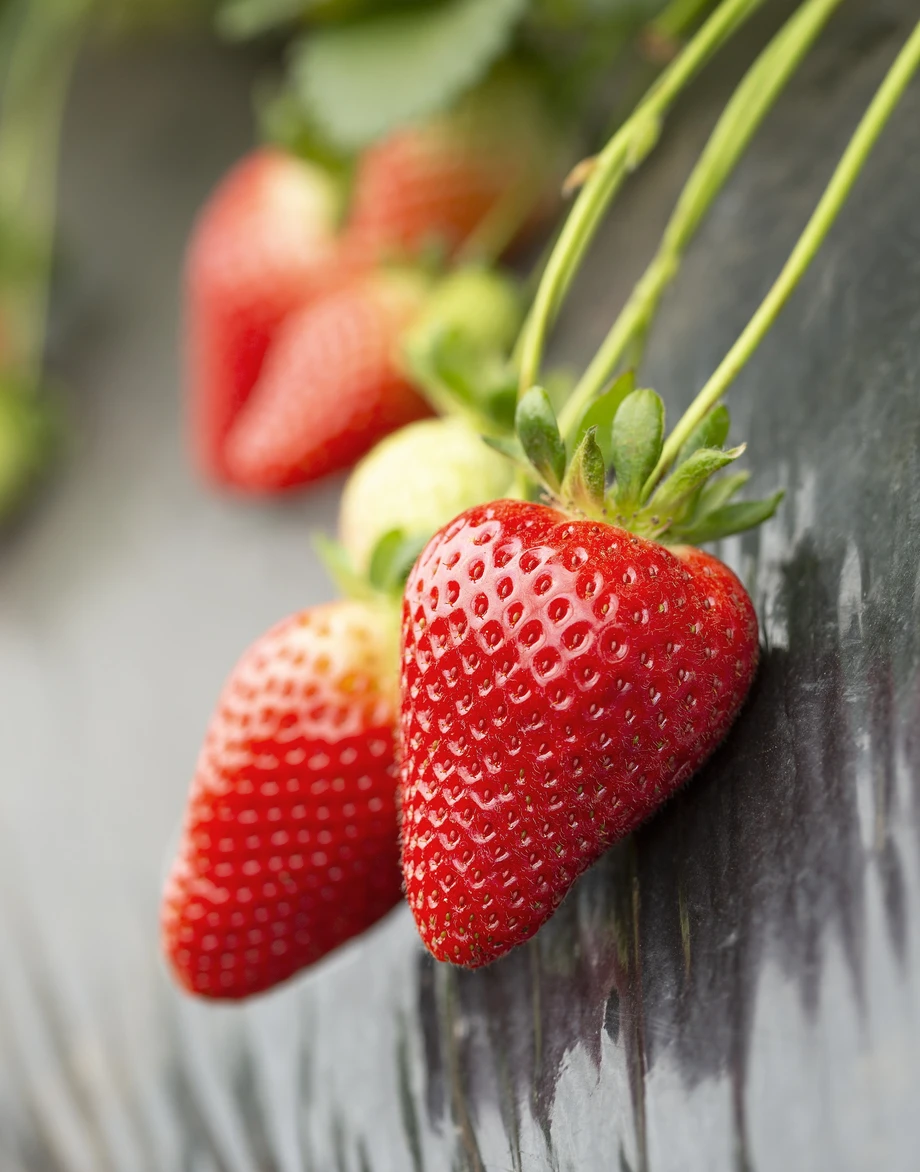
Italian Berry - All rights reserved