






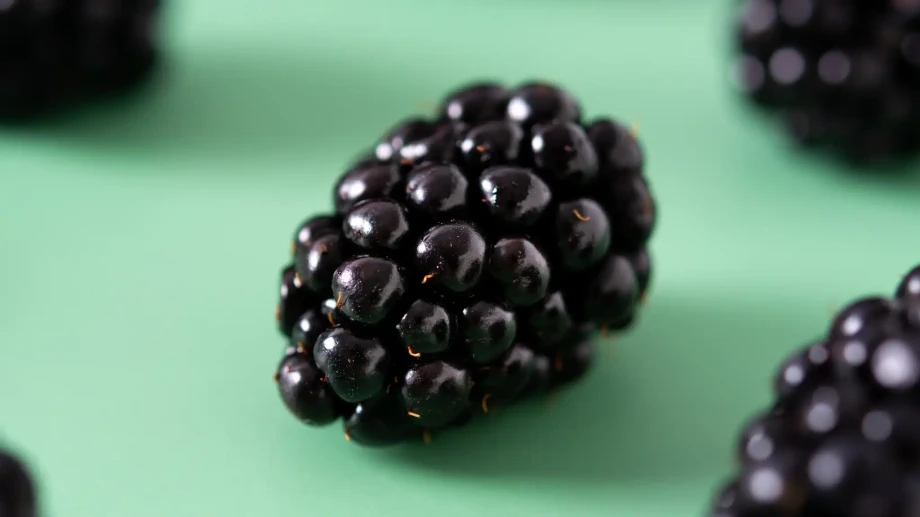
Blackberries have long faced an uphill battle in the fresh fruit market. While strawberries, blueberries, and raspberries conquered European shelves through consistent sweetness and attractive appearance, blackberries remained a fruit of hesitation—admired for their color and nutritional value yet avoided by many consumers after disappointing experiences.
The roots of this hesitation lie in decades of uneven quality, both in genetics and in post-harvest management.
The taste trap: sour, seedy, and unpredictable
For much of the 1990s and 2000s, most commercial blackberries in Europe came from varieties bred primarily for yield and disease resistance rather than flavor.
Consumers frequently encountered fruit that looked pristine but tasted acidic or lacked aroma; prominent, woody seeds amplified the perception of harshness, however wild.
Inconsistent sweetness eroded trust: after one or two poor experiences, many buyers simply stopped purchasing. Even as better genetics emerged, the memory of sour fruit on their palate memory, suppressing trial and repeat purchase.
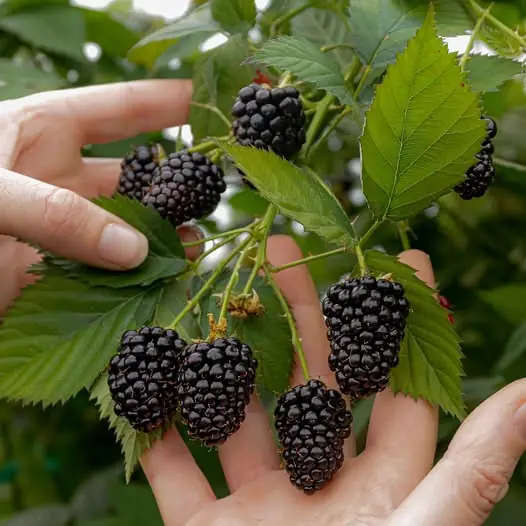 Image 1. Black Sultana (Source: Planasa)
Post-harvest fragility: quality lost before the shelf
A thin cuticle and high respiration rate make them particularly sensitive to handling and temperature. Minor bruising during harvest or breaks in the cold chain can lead to leakage, fungal growth, or red drupelet reversions of the berry turning red and soft after cooling.
To consumers, this often means a punnet losing appeal within 48 hours. Retail waste rises, quality complaints increase, and shelf space contracts.
Compared with more resilient blueberries or strawberries, blackberries historically struggled to travel far or remain reliable once they arrived.
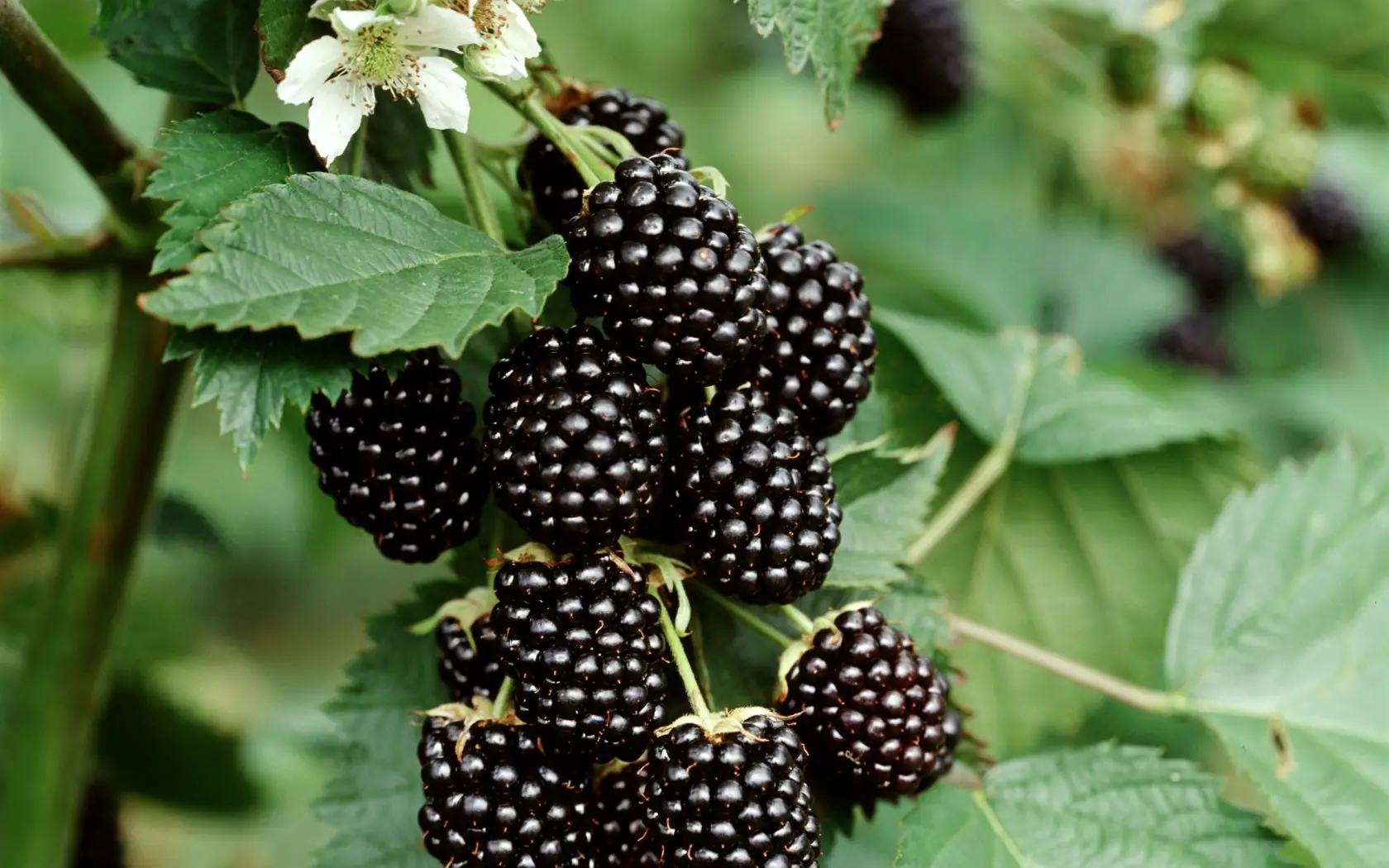 Image 2. Von
Seasonality and availability: the broken rhythm
For years, fresh blackberries appeared on European shelves only for a few summer weeks. Outside that narrow window, imported fruit—often air-shipped—arrived with variable quality and high cost. Such irregular presence prevented habit formation.
Shoppers build loyalty through repetition: a weekly ritual of berries in the basket. Without continuity, blackberries became seasonal curiosities rather than everyday fruits.
Only the rise of primocane selections and off-season production in southern Europe has begun to restore the rhythm consumers expect.
Price and perceived value
Across the category’s development, blackberries often carried a higher price per gram than other fruits, reflecting lower yields and post-harvest losses.
When eating quality failed to match that premium, the cost–benefit calculation turned negative. In consumer psychology, a mismatch between price and pleasure depresses repeat purchase and can tarnish perceptions of the entire category, not just a single lot or origin.
The psychology of expectation
Berries promise pleasure with health—sweetness, aroma, and freshness wrapped in antioxidants. When blackberries failed to provide that balance, the emotional connection broke.
The dark colour, while elegant, sometimes suggested bitterness; in the absence of consistent flavour, the fruit struggled to satisfy the idea of “healthy treat” that drives modern berry consumption.
Perception then became self-reinforcing: once labelled unpredictable, blackberries were approached with caution, or not at all.
Rebuilding trust
Breeding now targets what consumers taste first: sweetness, aroma, and texture. Modern cultivars such as Victoria, Clara, Black Sultana, and Von combine higher Brix levels, smaller seeds, firmer texture, and better post-harvest performance.
Yet market recovery depends on repetition. Trust returns only when flavor is reliable week after week and season after season.
Retailers are responding with tasting campaigns, tighter temperature control, and right-sized packs that reduce household waste.
As the blueberry playbook demonstrated, consistency builds confidence—and confidence drives consumption.
| Variety | Breeder / Company | Type | Key Traits | Year / Notes |
|---|---|---|---|---|
| Victoria™ | Driscoll’s | Proprietary | Very sweet; very large; widely grown for EU retail | Award-winning in UK shows; in EU production |
| Clara™ | Driscoll’s | Proprietary | Very sweet; International Taste Institute recognition | 2025 Superior Taste Award |
| Kalika | Plus Berries (ES) | Floricane | Productive; summer window (Jun–Sep) | Huelva & Morocco; calendar extension |
| Equa | Plus Berries (ES) | Floricane | Sweet; good shelf life | Introduced 2023; Mar–Jun |
| Furia | Plus Berries (ES) | Floricane | Very high Brix; delicate skin (shorter shelf life) | Mar–Jun; near-market focus |
| Nemus | Plus Berries (ES) | Floricane | Later than Equa; good firmness | Mar–Jun; extends calendar |
| BlackSultana® (Plablack 15157) | Planasa (ES) | Primocane | Autumn–spring harvest; long shelf life; ~10.5° Brix | Datasheet + retailer interest |
| Von | NC State Univ. / Global Plant Genetics | Floricane | Thornless; sweet (≥9.4° Brix); small seeds; high yield | EU intro 2024–25; late season |
| Fenomenal | Hortifrut Genetics | Proprietary (remontant) | Premium; fresh-market flavor focus | Name retained in 2025 brand strategy |
| Camila | Hortifrut Genetics | Primocane | Thornless; high yield; warm-climate adaptation | First wave of HG blackberries |
| Amara | Hortifrut Genetics | Primocane | Thornless; high yield; warm-climate adaptation | First wave of HG blackberries |
| Loch Katrine | James Hutton Institute (UK) | Floricane | Thornless; large; sweet; low reversion; good shelf life | Released 2024; showcased 2025 |
| PrimeArk series and other | University of Arkansas | Primocane / Floricane | Thorns/Thornless; large; low acidity; low–medium reversion | Released 2008 to 2014 several varieties |
| Čačanska Bestrna (Čačak RS) | Fruit Research Inst. Čačak (RS) | Floricane | Thornless; high yield; cold-tolerant; long-time EU workhorse | Released 1990s; widely referenced |
| Sweet Royalla | Roykakers | Floricane | Thornless; high yield; low reversion | Released 2021: recent planted in Europe |
| INAV × Madrefruta PT selections | INAV (PT) × Madrefruta | Program (in trials) | Portuguese germplasm; biotech + classical breeding; heat tolerance & quality | 2023–25 characterization; releases TBA |
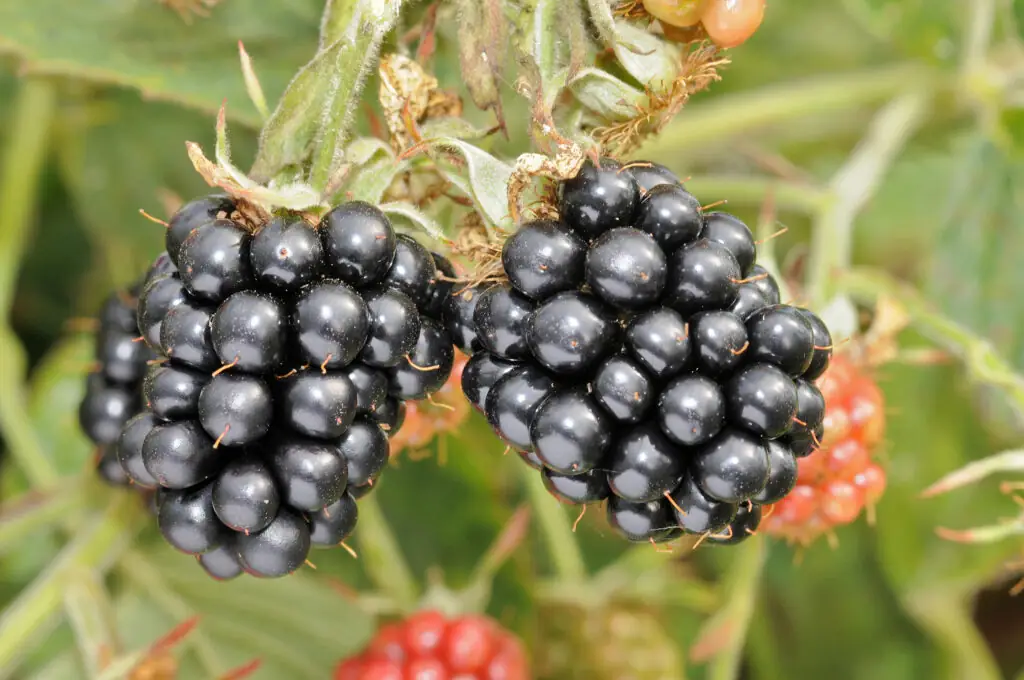 Image 3. Loch Katrine
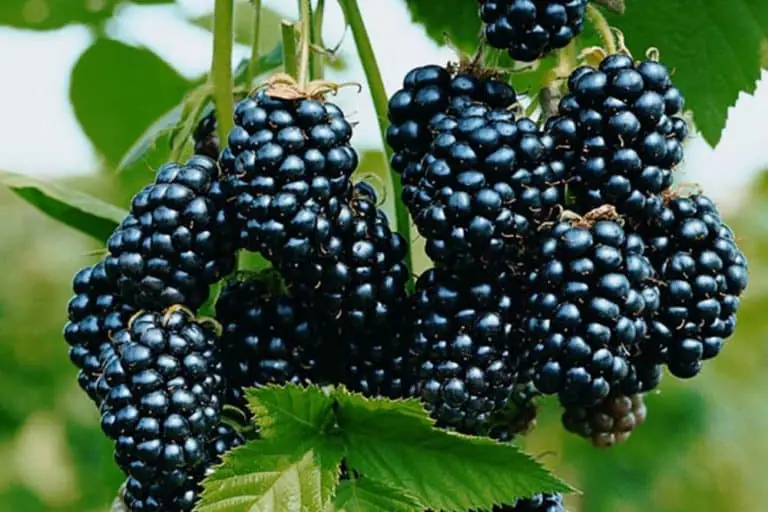 Image 4. Čačanska Bestrna (CacakT)
Reflexion
The trajectory of the blackberry is ultimately a story of alignment. When genetics, agronomy, and logistics converge on flavor and reliability, perception shifts from caution to appetite.
Europe now has pieces to deliver sweeter cultivars, steadier calendars, and better cold-chain discipline.
The final step is behavioral—multiplying flawless eating experiences until the category’s reputation resets.
Do that, and blackberries graduate from occasional curiosity to dependable pleasure—an equal alongside strawberries and blueberries in Europe’s fruit basket.
Sources:
Clock House Farm. (n.d.). Blackberries. Clock House Farm. https://clockhousefarm.co.uk/blackberries/
International Taste Institute. (2025). Awarded products: Clara™ (Driscoll’s). International Taste Institute. https://www.taste-institute.com/en/awarded-products/product-details/7158893925
Italian Berry. (n.d.). Two new blackberry varieties complete a year-round calendar of Plus Berries. Italian Berry. https://italianberry.it/en/news/Two-new-blackberry-varieties-complete-year-round-calendar-Plus-Berries
Planasa. (n.d.). BlackSultana® (Plablack 15157). Planasa. https://planasa.com/variety/blackberry-blacksultana/
Global Plant Genetics. (2025, January). Von (Rubus): Leading-edge blackberry that delivers superlative [PDF]. Global Plant Genetics. https://www.globalplantgenetics.org/media/pages/crops/483101c804-1737637425/von-jan2025-compressed.pdf
Fresh Fruit Portal. (2025, January 28). Hortifrut Genetics launches gemstone-inspired brand strategy at Fruit Logistica. Fresh Fruit Portal. https://www.freshfruitportal.com/news/2025/01/28/hortifrut-genetics-launches-gemstone-inspired-brand-strategy-at-fruit-logistica/
Hortifrut. (n.d.). Genetic development. Hortifrut. https://www.hortifrut.com/innovation/genetic-development/
James Hutton Institute. (n.d.). Blackberry breeding. James Hutton Institute. https://www.hutton.ac.uk/scientific-services/improving-crop-production/breeding/blackberry-breeding/
Institut za voćarstvo Čačak. (n.d.). Čačanska Bestrna (Cacak Thornless). Fruit Research Institute Čačak. https://www.institut-cacak.org/eng/cacanska-bestrna.php
INIAV. (2023). Melhoramento genético em amora (pp. 54–59). HortoFruticultura. https://www.iniav.pt/images/publicacoes/2023/Melhoramento_genetico_em_amora_54-59.pdf
Jorge Duarte
Hortitool Consulting