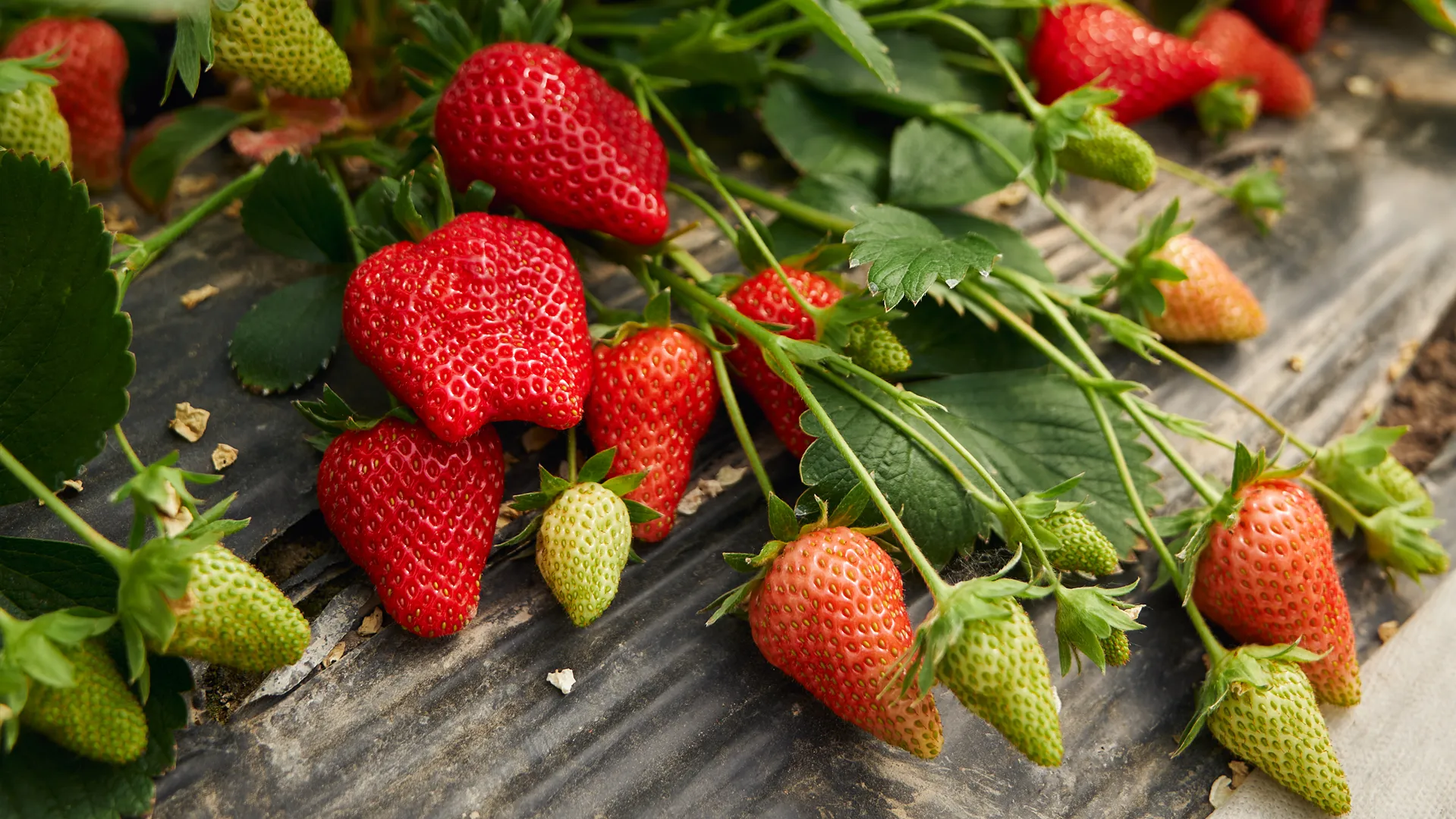











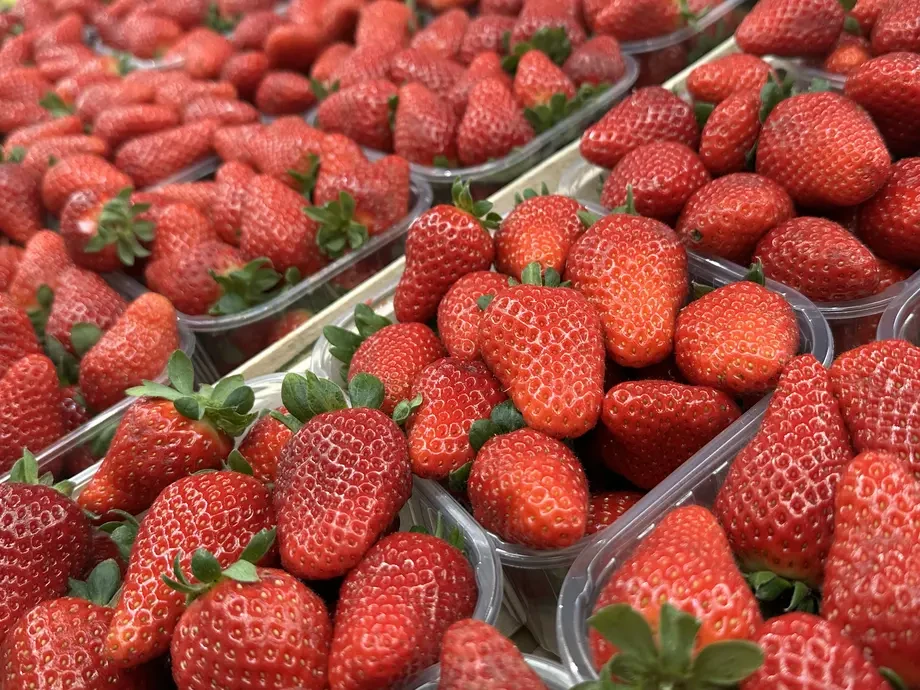
The evolution of the strawberry varietal landscape in the province of Huelva, the European hub of berries production, continues to show marked dynamism. Data processed by the IFAPA Strawberry Group (Institute for Agricultural and Fisheries Research and Training) for the 2025/2026 season outline a sector constantly seeking genetic innovation aimed at optimizing agronomic resilience and commercial performance.
Agronomic and production context
The 2025/2026 season opened with a slight increase in production area, reaching 6,490 hectares (+0.9% compared with 2025), according to Freshuelva data. Planting operations in October were marked by weather-related challenges: temperatures (both maximum and average) were higher than in the previous year, while rainfall was concentrated only in the last week of the month, in some cases accompanied by strong winds that damaged greenhouse infrastructure. Unlike the 2024/2025 season, however, there were no shortages in plant availability from nurseries. From a breeding perspective, there was a slight decline in the number of breeding companies with commercial representation, falling from 16 to 14.
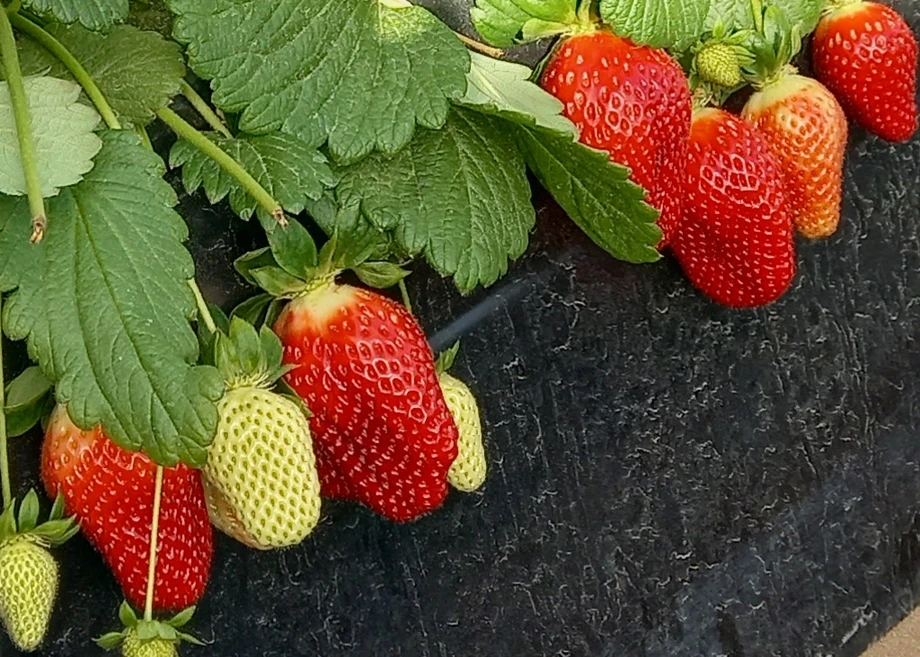 FNM Marisma
Varietal dynamics and fragmentation
The most significant macro-level development is the consolidation of varietal fragmentation. The era of genetic monopolies has clearly come to an end: while in the 2018/2019 season the two leading varieties ('Fortuna' and 'Rociera') covered 75.4% of the area, in the current season the two leading varieties ('Red Sayra' and 'Marisma') jointly account for only 26.7% of plantings. This trend is reflected in a strong increase in mid-tier varieties (those with a share between 1.6% and 10%), showing how growers prefer to diversify agronomic risk by planting a broader and more balanced varietal portfolio.
The leading varieties: rises and declines
The ranking of the most planted cultivars shows major repositioning:
- Market leaders:'Red Sayra' (Planasa) holds onto first place with 13.5% (+1.4% compared with last year), closely followed by 'Marisma' (Fresas Nuevos Materiales) at 13.2% (+0.7%).
- Fast climbers: The variety 'Duna' (FNM) posted remarkable growth, jumping from 0.9% in the previous season to the current 8.4%. Strong performances were also recorded by 'Cleopatra' (Masiá Ciscar), rising from 4% to 6.8%, and by emerging materials such as 'Llosana' (Frutos Canela, from 2.3% to 3.6%) and 'Belvedere' (California Berry Cultivars, from 0.8% to 1.5%).
- Declines: Particularly striking is the collapse of 'Fortuna' (University of Florida), which dropped from 2.3% to 1.1%, definitively closing the cycle of a cultivar that dominated the sector for eight consecutive seasons. The Italian variety 'Marimbella' also contracted. The long-running decline of the historic 'Rociera' (at 6.0%) and 'Victory' (at 6.1%) continues, although at a more moderate pace.
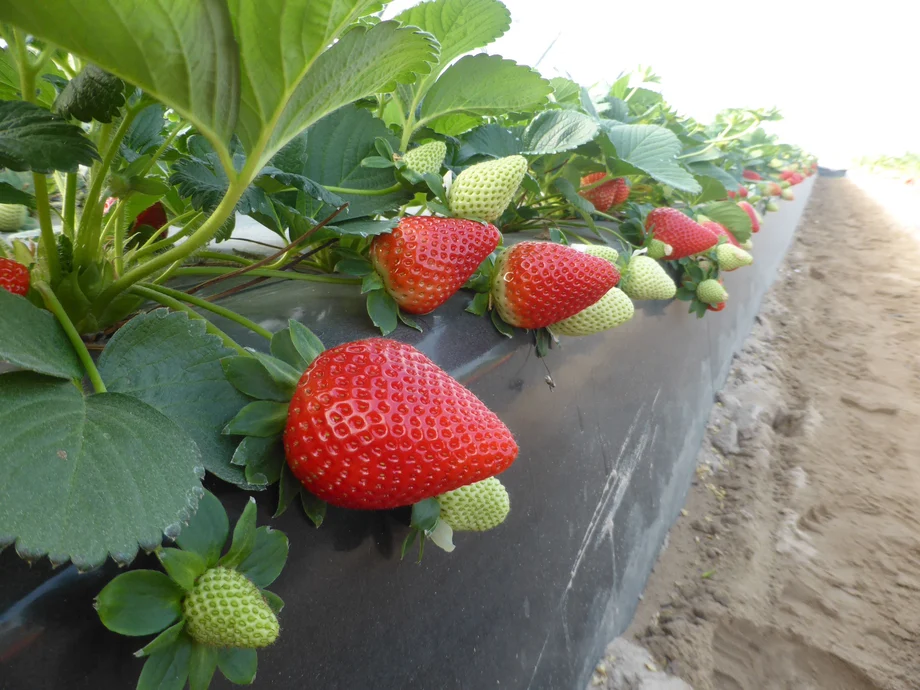 FNM Duna
The structure of breeding programmes
Looking at the influence of breeders (breeding programmes), the Huelva market is divided as follows:
- Fresas Nuevos Materiales S.A. (FNM): It consolidates its absolute leadership by reaching 28.9% of the market (a sharp increase from the previous 22.7%), driven by 'Marisma', 'Duna' and 'Rociera'.
- Plant Sciences / Berry Genetics: It ranks second with 16.2% (down from 18.5% in the previous year), supported by its package of exclusive varieties (8.1%) and the cultivar 'Victory'.
- Planasa S.A.: The market’s third-largest player, with enviable stability at 14.2%, largely supported by the success of 'Red Sayra'.
- Masiá Ciscar S.A.: Growing to 13.6% (from 11.7%), thanks to the performance of 'Leticia' (4.8%) and 'Cleopatra'.
- Other players: Fresh Forward Inc remains stable at 6.9% (with 'Calinda' and 'Fandango'), while the University of Florida stands at 3.9%. Also noteworthy is the growth of locally developed programmes such as Frutos Canela S.L., which has carved out a 3.6% share of the market.
Conclusions
The nursery and production landscape of strawberries in Huelva for 2025/2026 confirms the maturity of a sector that has moved beyond dependence on individual "blockbuster" cultivars to embrace a highly specialized and dynamic varietal range.
The consolidation of Spanish genetics (such as FNM, Planasa and Masiá Ciscar), to the detriment of overseas or other programmes, points to a clear preference for materials selected and adapted specifically to the microclimate and agronomic requirements of the Andalusian growing area.
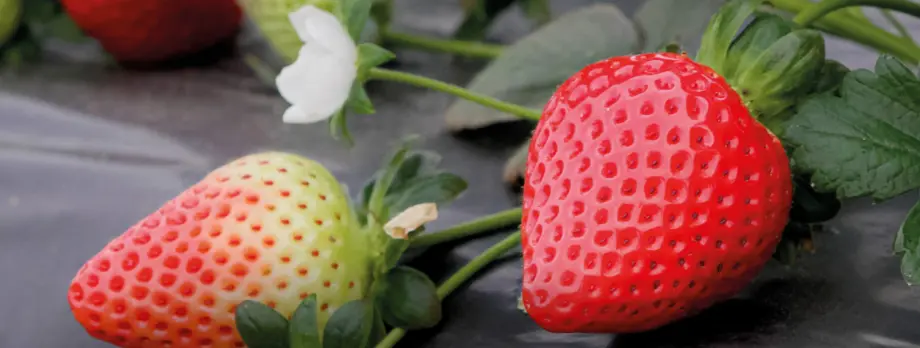 Planasa RedSayra