



By Jorge Duarte | Hortitool Consulting
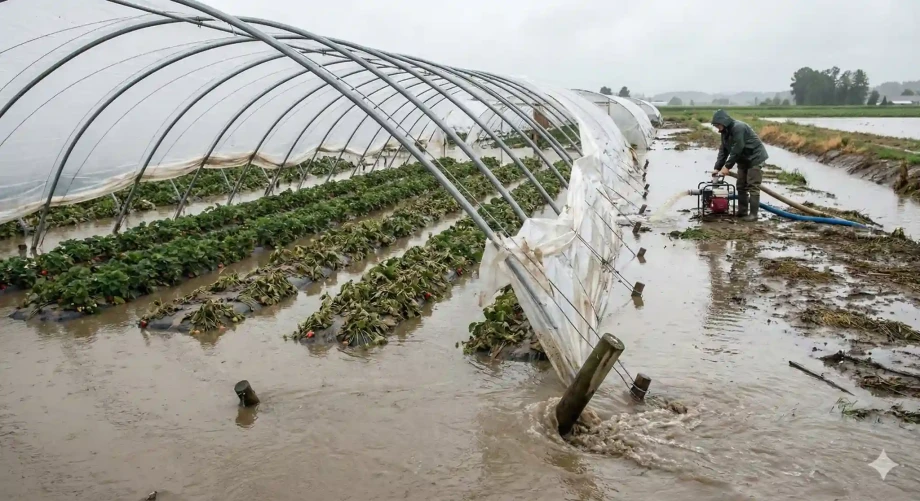
At the beginning of this year, a succession of Atlantic and Mediterranean storm systems swept across Iberia, after first impacting southern Italy — particularly Sicily — and eventually reaching northern Morocco.
Atlantic and Mediterranean storm systems Torrential rainfall, saturated soils, coastal surges and strong winds created a multi-layered stress event, affecting not only local communities and infrastructure, but also berry production systems across these regions.
In the aftermath of Storm Kristin Ministries of Agriculture in the affected countries activated support lines and compensation programs, allowing farmers to submit formal claims.
Technical teams, working alongside municipalities, began preliminary field assessments to verify and quantify agricultural losses.
According to cotality
According to Cotality (11 February 2026), insured losses were estimated at €300–450 million in Portugal and €40–100 million in Spain.
insured losses were estimated These figures include wind damage to buildings, contents and business interruption across residential, commercial, industrial and agricultural properties in the Iberian Peninsula.
Localised flooding and landslides were not included in these estimates.
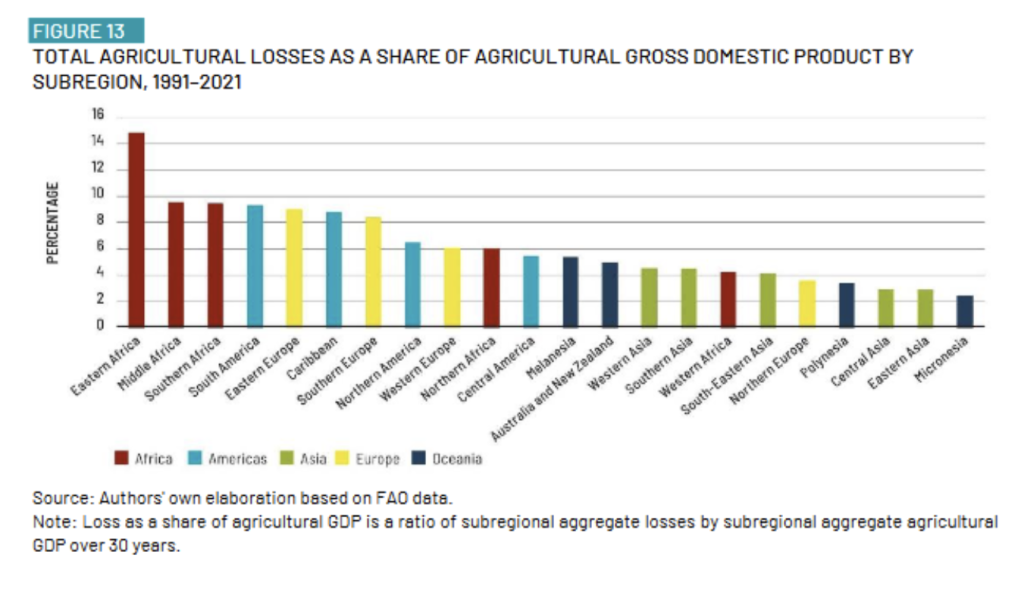
The European Commission’s 2023 report on The Impact of Disasters on Agriculture and Food Security highlights that over the past 30 years disasters have inflicted the highest relative agricultural losses on lower and lower to middle income countries, ranging from 10 to 15 percent of total agricultural GDP.
Southern Europe represents 8% and North of Africa around 6% losses GDP related values.
Globally an estimated
Globally, an estimated EUR 3.19 trillion (USD 3.8 trillion) worth of crops and livestock production has been lost over the past three decades due to disaster events — an average of USD 123 billion per year, or approximately 5 percent of annual global agricultural GDP.
After the Rain Regaining Control and Moving Forward
The most decisive phase begins after the rain stops.
As skies clear and temperatures rise, crops are expected to resume growth.
However, below ground, root systems often remain compromised.
When heavy rainfall coincides with strong winds, damage is both physiological and structural.
Iberia first
Saturation Without Recovery
In Portugal and Spain, repeated storm fronts pushed soils beyond field capacity for extended periods.
Even well-structured soils remained saturated for days, limiting oxygen diffusion and impairing root respiration.
The consequences were predictable: fine roots failed, nutrient dynamics destabilised, and pathogens found favourable conditions.
Crop decline frequently appeared 7–14 days after rainfall ceased, often triggered by the first sunny spell.
The storm does not end when the rain stops; it ends when the roots recover.
What Heavy Rain
Does to Berry Crops
1. Root Oxygen Collapse: Water-filled pores reduce oxygen availability, leading to hypoxia and root membrane damage (Jackson & Colmer, 2005).
2. Nutrient Instability: Saturated soils promote nitrate loss and reduce potassium and calcium uptake (Drew, 1997; Kozlowski, 1997).
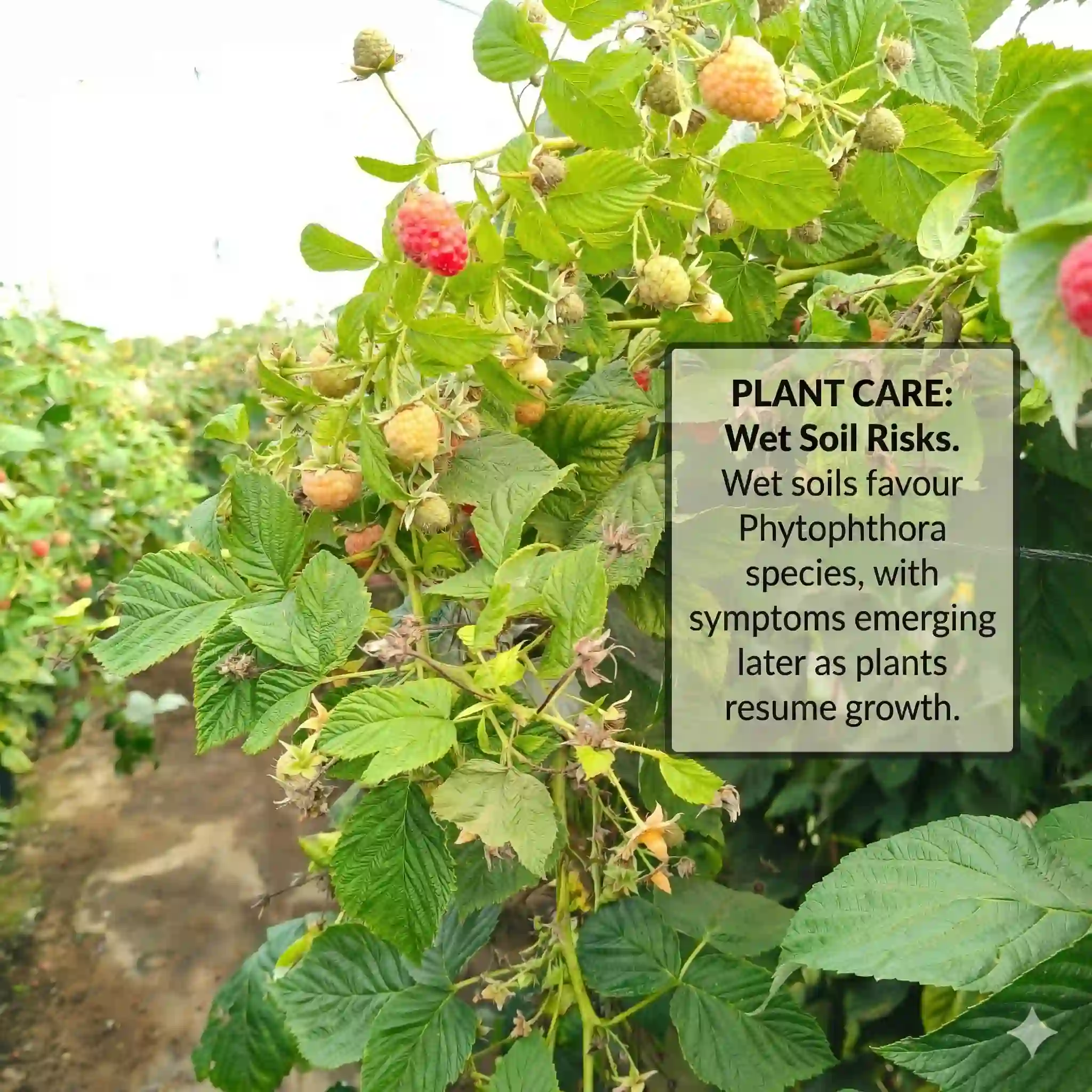
3. Disease Activation: Wet soils favour Phytophthora species, with symptoms emerging later as plants resume growth (Erwin & Ribeiro, 1996).
The Added Layer
High Winds
Strong winds introduce mechanical injury, cane breakage and trellis instability, while increasing transpiration demand.
When wind coincides with saturated soils, root anchorage weakens and lodging risk increases (Stokes et al., 2000).
Crop-Specific Sensitivity
Strawberry: Highly sensitive to crown hypoxia and root rot (UC IPM, 2023).
Raspberry: Delayed decline following root damage and increased structural vulnerability (Ellis et al., 2019).
Blueberry: Shallow root systems recover slowly from prolonged saturation (Bryla & Strik, 2015).
Blackberry: More tolerant of short-term flooding but vulnerable to wind-related structural damage (Strik et al., 2017).
Post-Storm Strategy
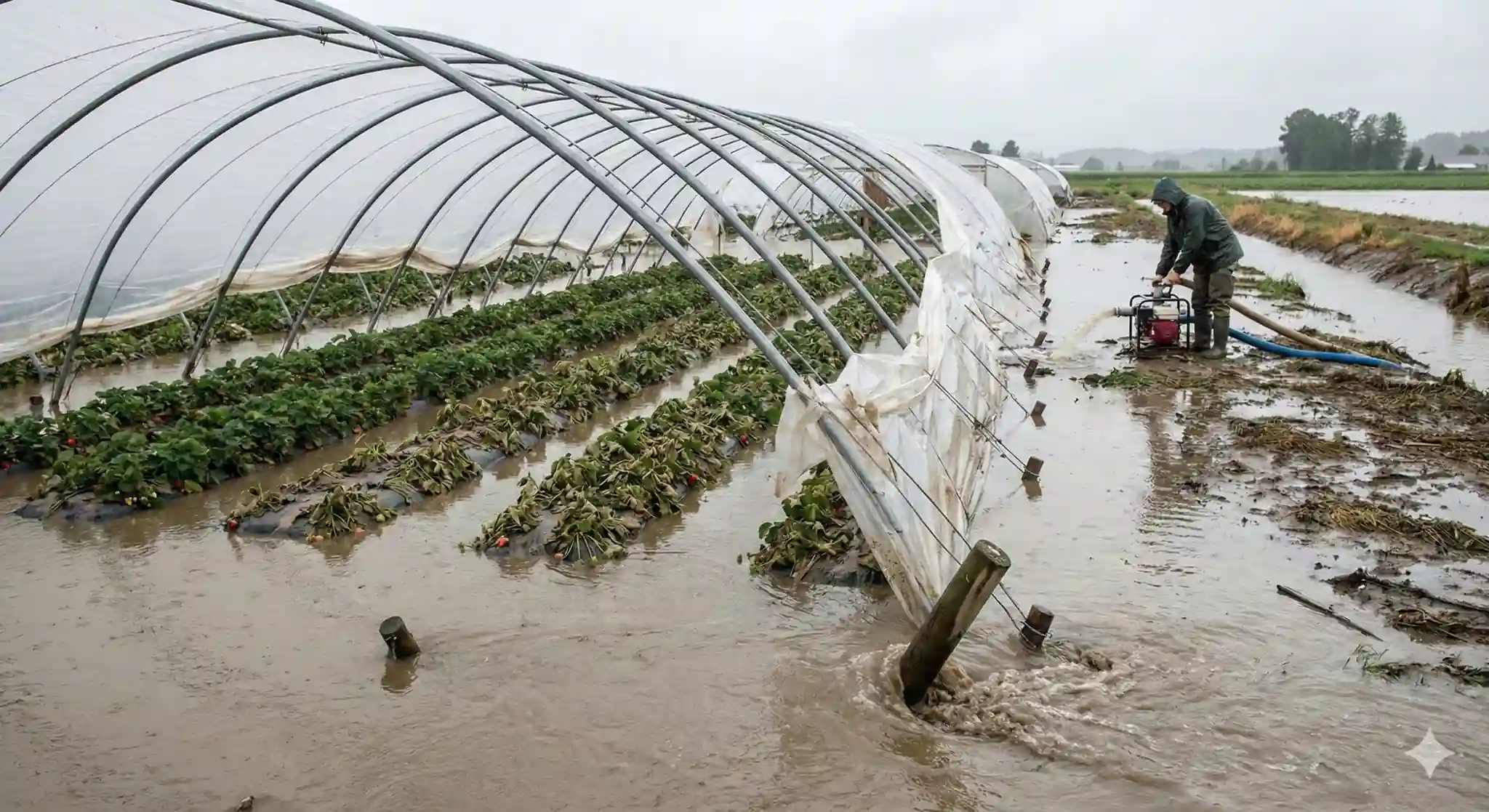
Field observations indicate that strawberries and raspberries were among the most affected crops, with losses linked to flooding, Botrytis pressure at fruit level and potential root rot development.
1. Restore Oxygen Before Growth: Avoid field traffic on wet soils, maintain drainage pathways and delay canopy stimulation until root recovery is evident.
2. Delay Heavy Fertigation: Apply split, conservative nutrition aligned with root functionality.
3. Stabilise Structures: Reinforce trellis systems and tunnels and remove severely damaged plant material.
Conclusion
The storms of early 2026 remind us that berry production must adapt to repeated saturation events, stronger wind episodes and abrupt recovery phases.
Emergency response during storms is essential, but structured recovery strategies are equally critical.
Integrating risk analysis into preliminary economic and agronomic project development is now essential.
Production risks are increasing, infrastructure protection is becoming more expensive, and insurance solutions remain challenging.
The industry must align with this reality to ensure food security, business continuity and resilience.
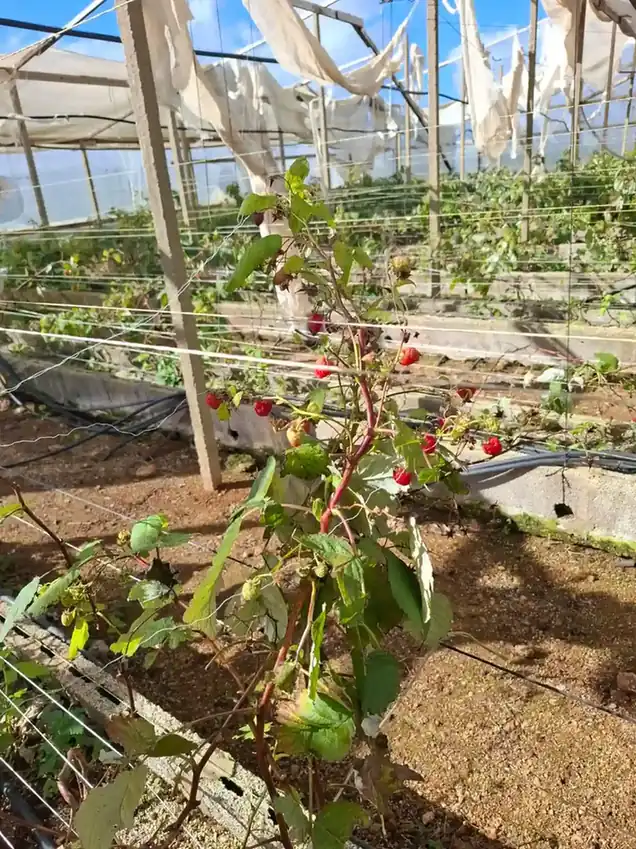
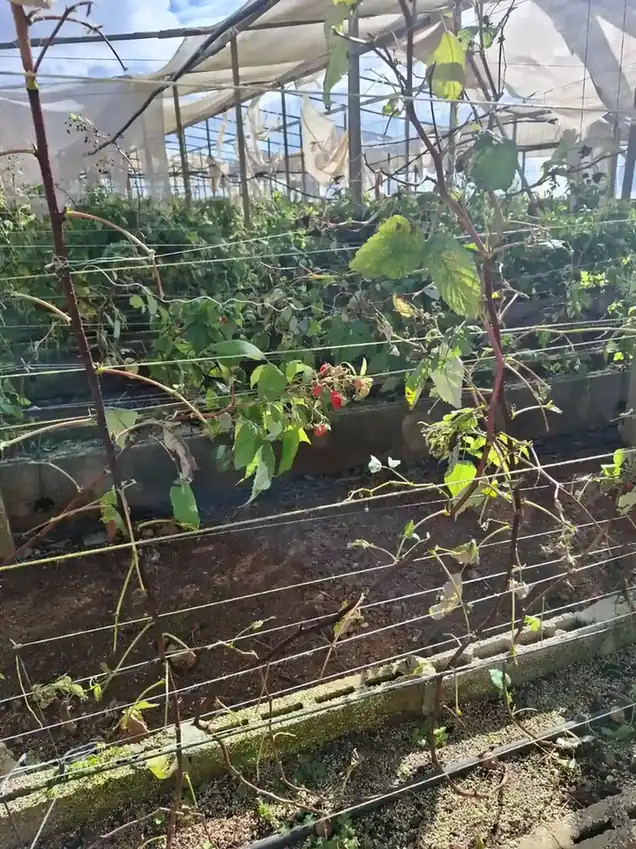
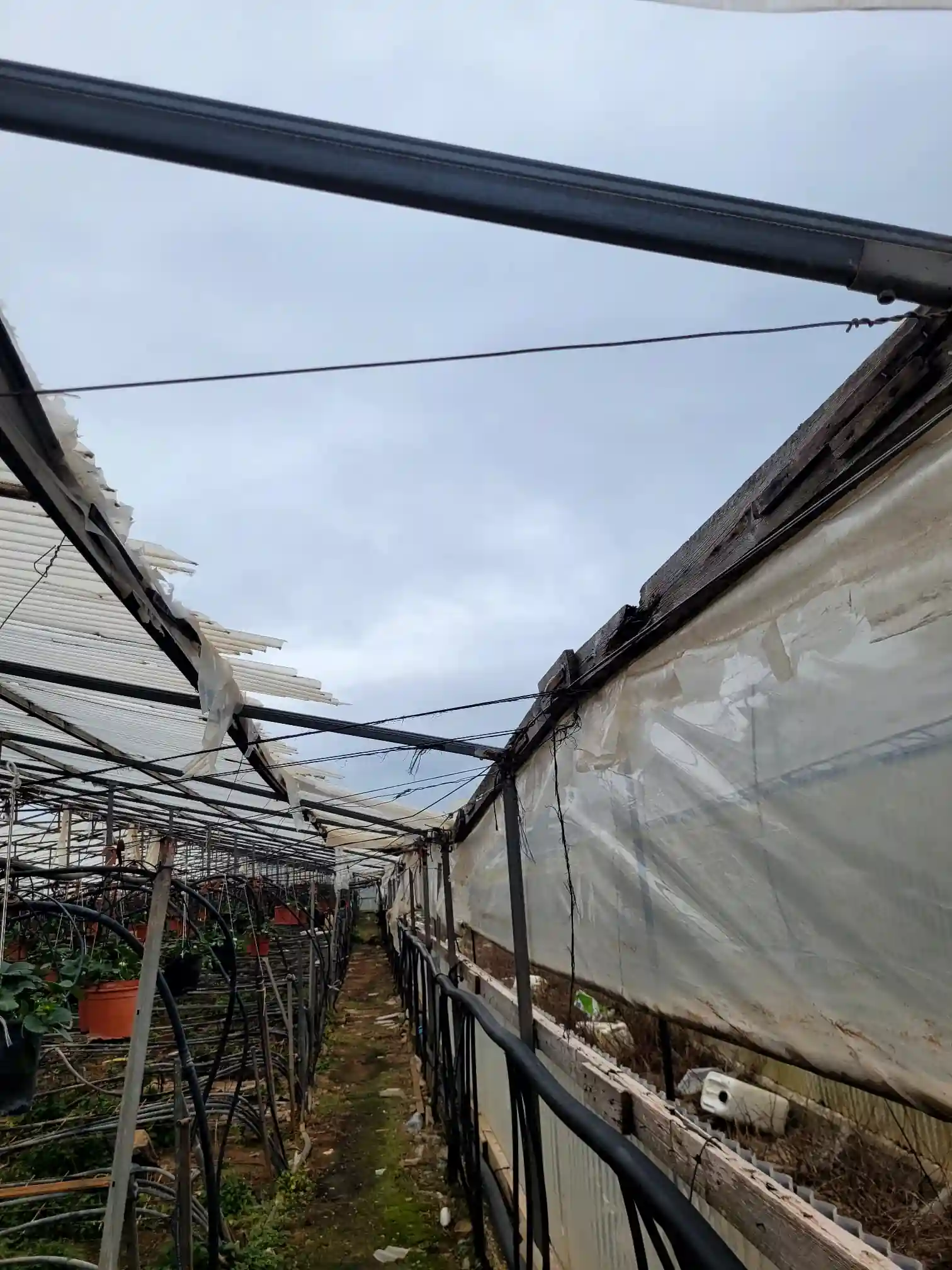
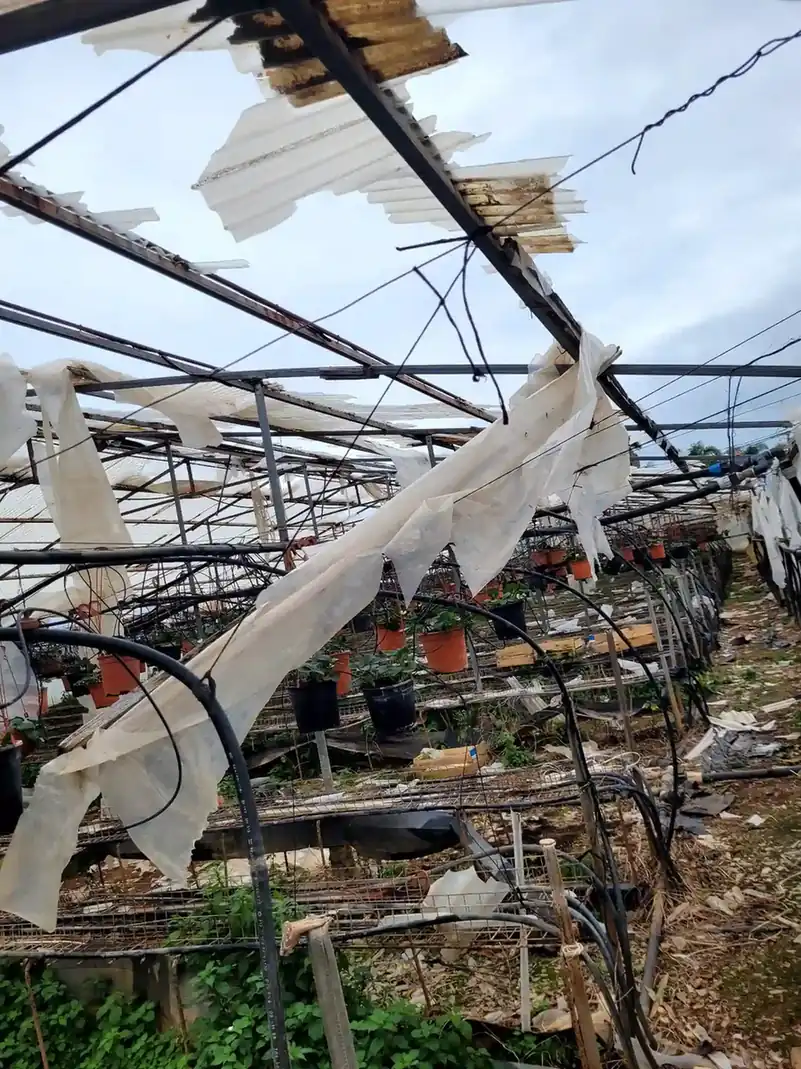
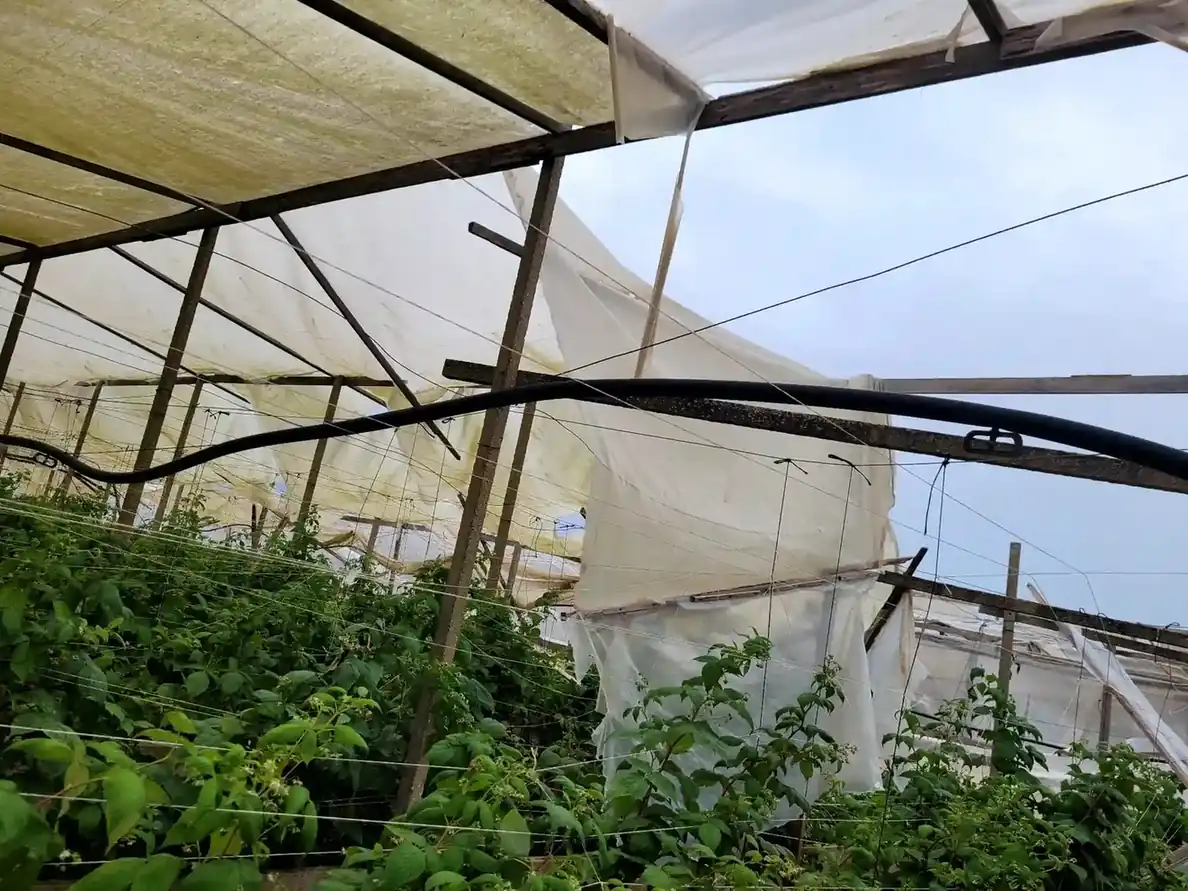
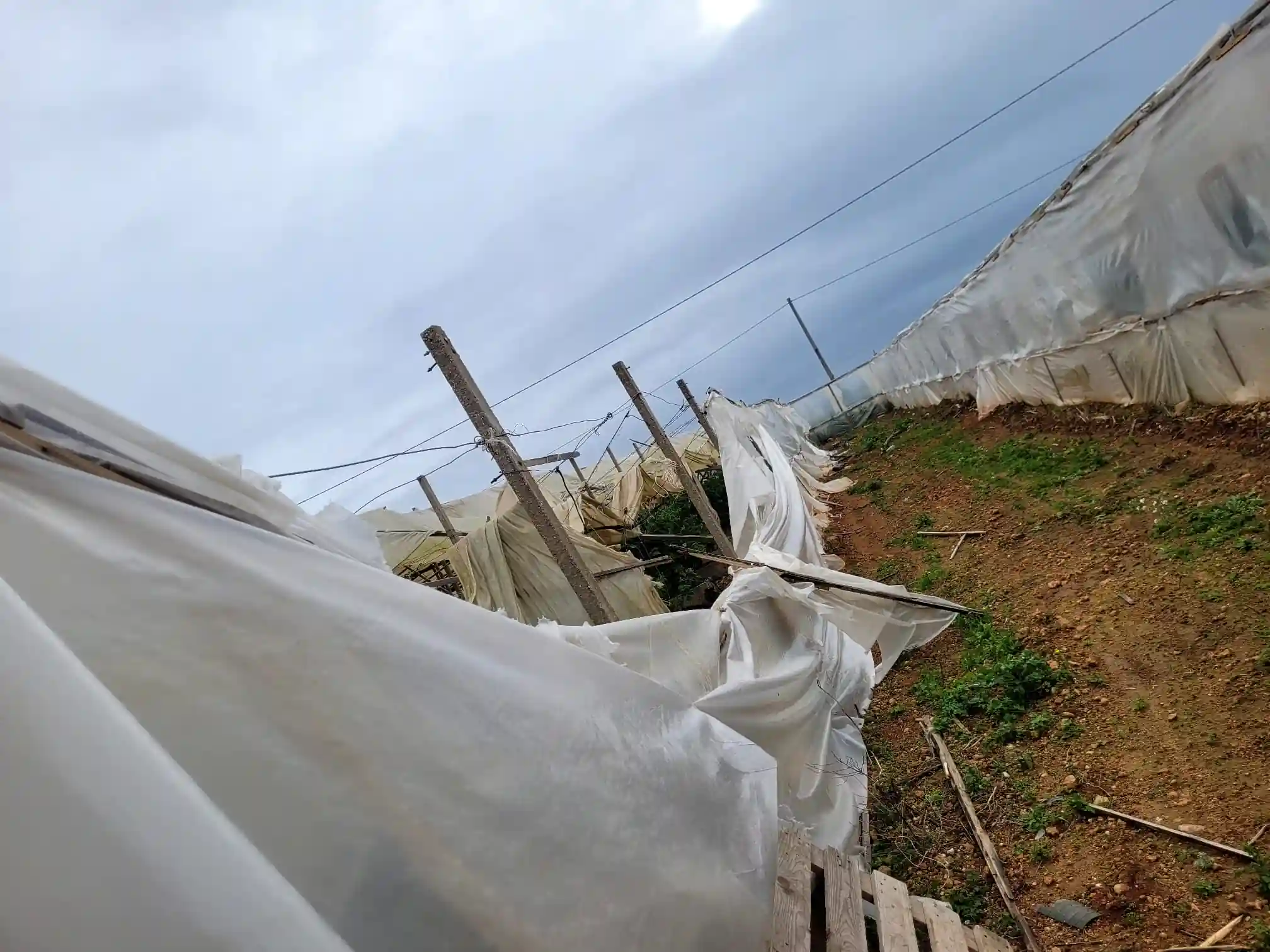
Damaged crops in the area of Marsala (Sicily), February 2026
Jorge Duarte
Hortitool Consulting
References
Bryla, D. R., & Strik, B. C. (2015). HortScience, 50(5), 691–696.
Drew, M. C. (1997). Annual Review of Plant Physiology, 48, 223–250.
Ellis, M. A., et al. (2019). Phytophthora root rot of raspberry. Penn State Extension.
Erwin, D. C., & Ribeiro, O. K. (1996). Phytophthora diseases worldwide.
Jackson, M. B., & Colmer, T. D. (2005). Annals of Botany, 96(4), 501–505.
Kozlowski, T. T. (1997). Responses of woody plants to flooding and salinity.
Stokes, A., et al. (2000). Plant Growth Regulation, 31, 199–208.
Strik, B., et al. (2017). Acta Horticulturae, 1133, 45–52.
UC IPM. (2023). Phytophthora crown and root rot of strawberry.
University of Florida IFAS. (2022). Phytophthora root rot of blueberry.
Additional sources:
https://www.cotality.com/hazard-hq/storm-kristin-severely-impacts-portugal
https://viacampesina.org/en/2026/02/portugal-immediate-compensation-is-needed-for-farmers-affected-by-storm-kristin/
https://knowledge4policy.ec.europa.eu/publication/impact-disasters-agriculture-food-security-2023_en