











After several months of monitoring plants in a collaboration R&D, one conclusion is becoming clear: plants are never electrically silent. Their signals change with light, temperature, humidity, VPD and, most importantly, water status.
By Jorge Duarte, Hortitool Consulting
The plant signal is biological; the diagnosis is statistical. Its value depends on comparing electrical patterns with climate, irrigation and plant physiology.
Berry growers routinely monitor radiation, temperature, relative humidity, VPD, substrate moisture, drainage, EC and pH. These measurements are essential, but they mainly describe the environment surrounding the plant.
Electrical monitoring offers a different perspective: it records changes taking place within the plant itself.
During the first months after installing the sensors, most potential differences remained within a relatively narrow range, generally corresponding to tens of millivolts and frequently below approximately 100 mV in either direction. Yet the signal was never static.
Clear day-night oscillations appeared, while other changes coincided with VPD, temperature, humidity, irrigation and plant water status.
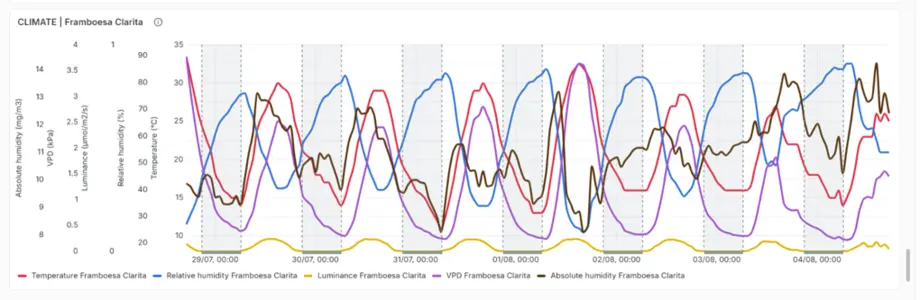 Fig 1: Climate data Absolute Humidity, VPD (vapor pressure deficit), Relative humidity and temperature.
How are electrophysiological signals measured?
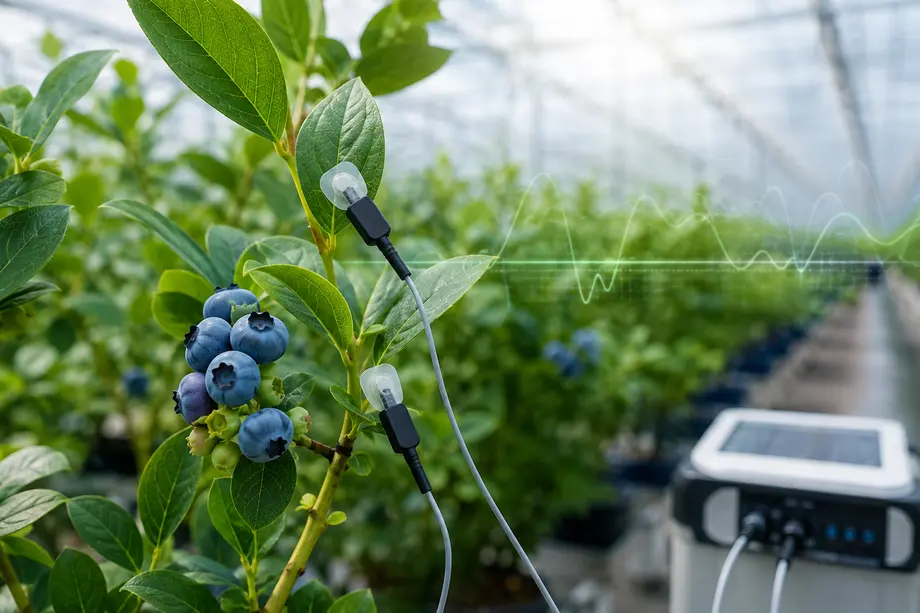
Plant electrophysiology measures the electrical potential difference between two points. Two electrodes are attached to, or inserted into, plant tissues: one acts as the measuring electrode and the other as a reference. The equipment does not generate electricity; it records the voltage difference already present in the plant.
The differences originate mainly from charged ions moving across cell membranes. Because the signals are small, they must be amplified, filtered and recorded continuously, normally in millivolts rather than volts.
The electrodes capture the combined extracellular activity of nearby cells. The absolute value is therefore less important than changes in direction, amplitude, duration, frequency and daily rhythm, interpreted alongside climate, irrigation and physiology.
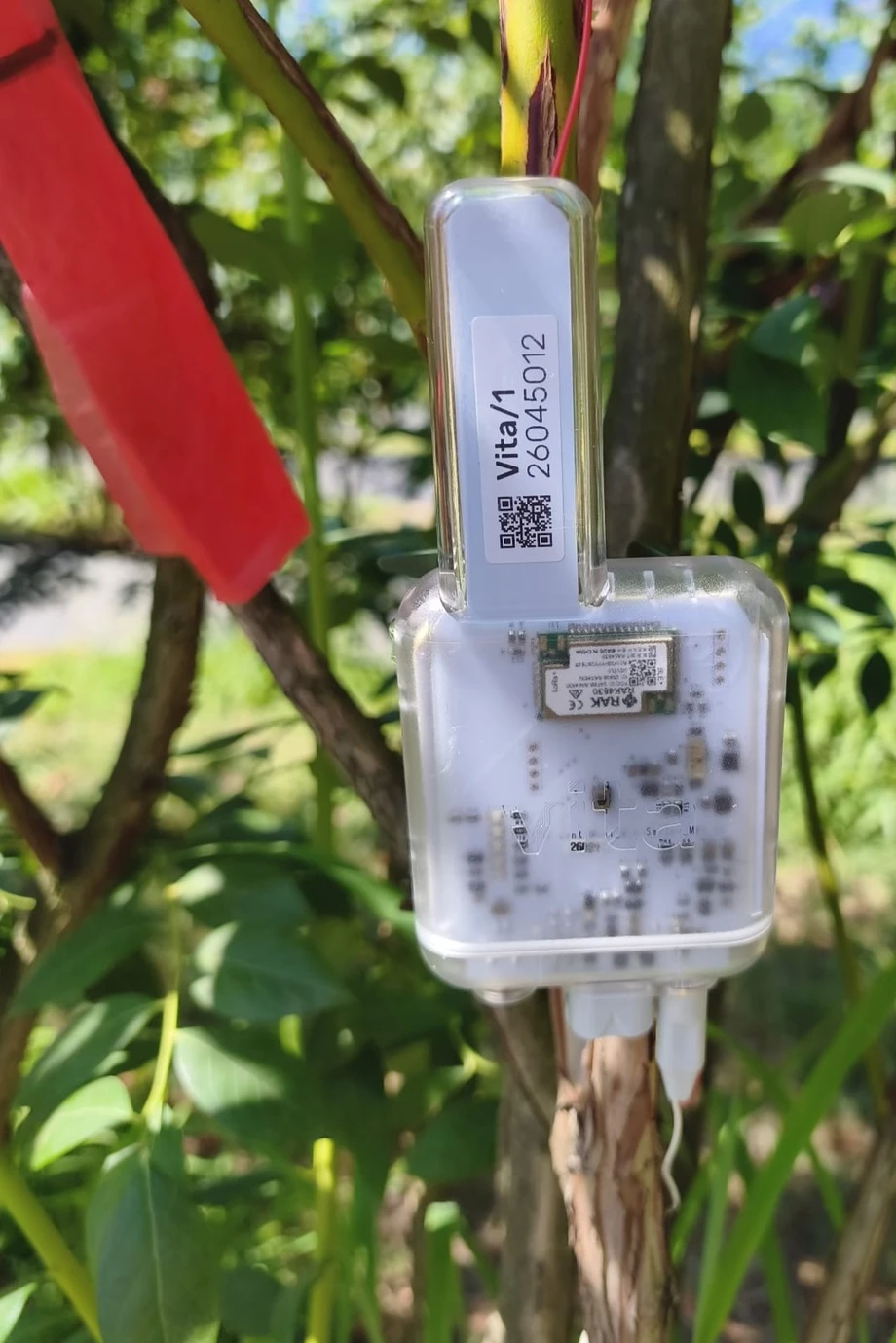
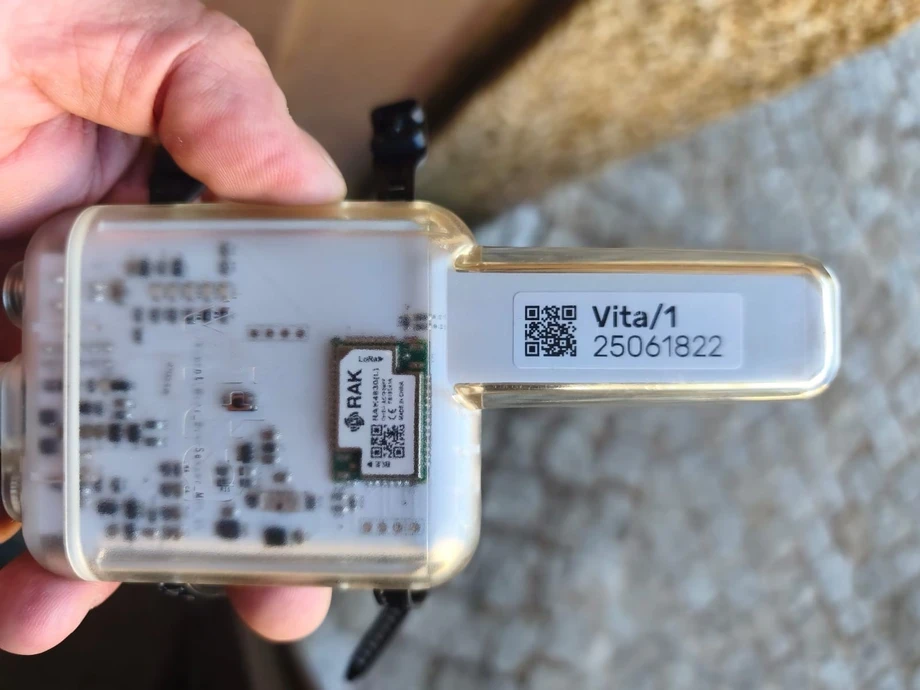
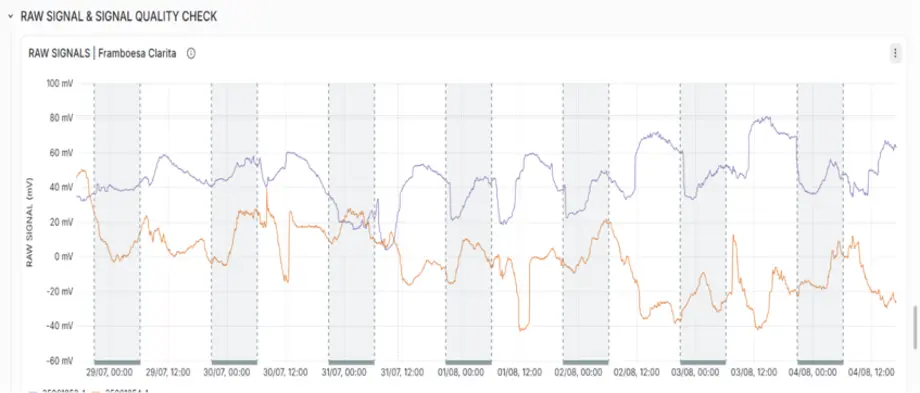 Fig 2: Viva 1® Vivent Biosignals electrofisiological sensors and monitoring the raw signals to track readings and real activity of the sensors.
Recovery can take several days
The most intriguing responses were related to water. During warm spells or periods of high atmospheric demand, the electrical pattern changed. Even after irrigation was restored and the substrate again contained sufficient water, the signal did not always return immediately to its earlier behaviour.
In some situations, plants require two or three days to recover their previous pattern. They could look visually acceptable while their physiology was still recovering.
Substrate measurements may confirm that water is available without showing whether the plant has restored its internal water balance. Correcting irrigation can remove the cause without immediately reversing the consequences.
Plants also reacted to spray applications
Spray applications produced rapid responses. When water or another treatment was applied over the canopy, a change in electrical activity could frequently be observed.
The signal could not separate leaf wetting, cooling, humidity, mechanical stimulation or spray composition. It nevertheless showed how rapidly the plant detected environmental change.
This illustrates a central limitation: an electrical response confirms that something has changed, but it does not automatically explain the cause. Agronomic context remains essential.
What research has already shown
Plants do not have nerves, but electrical signalling is part of their internal communication. Ion movements interact with stomata, photosynthesis, hormones, defence and water transport, while signals also vary with genotype, growth stage and stress history.
In greenhouse tomatoes, electrical signals distinguished adequately irrigated plants from plants exposed to water deficit, with changes recorded before obvious wilting (Tran et al., 2019). Research with lettuce also showed that signals could be classified according to temperature and light using machine learning (Yeom et al., 2025).
These results do not create a universal plant translator. Models developed for tomato or lettuce cannot automatically be transferred to commercial blueberries, raspberry or strawberry crops.
Vivent Biosignals is one commercial platform taking this approach into greenhouse and field use. The company describes a system that records extracellular plant signals continuously and combines specialised electronics, cloud processing and machine-learning tools to visualise plant activity and investigate responses to biotic and abiotic stimuli (Vivent Biosignals, 2026). These capabilities are promising, but crop-specific interpretation still requires independent agronomic validation.
Why berry crops are especially relevant
Berry crops are particularly interesting because they can react rapidly to water and temperature stress. A blueberry plant in a 25- or 35-litre container can move from adequate water availability to substantial stress within a few hours.
A substrate sensor shows how much water is present in a particular pot, while drainage shows how the irrigation programme performed. Electrical monitoring may indicate whether the plant is physiologically comfortable under those conditions.
It could help distinguish low substrate moisture from restricted root uptake, high-EC osmotic stress, inadequate irrigation frequency and incomplete recovery after heat or irrigation failure. Similar applications may be relevant in other berry crops.
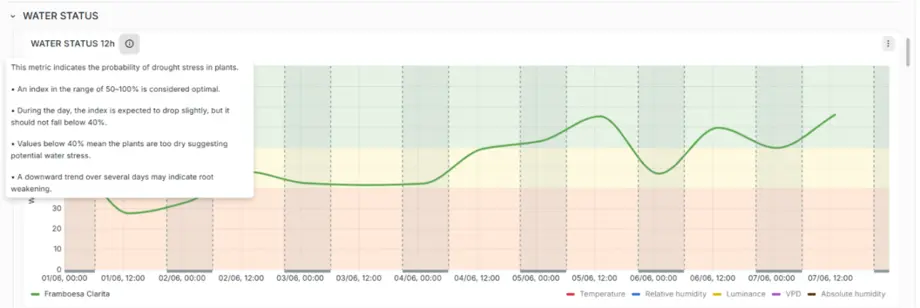 Fig 3: Water status can show how long it take the plant to recover the hydraulic water comfort after a stress event.
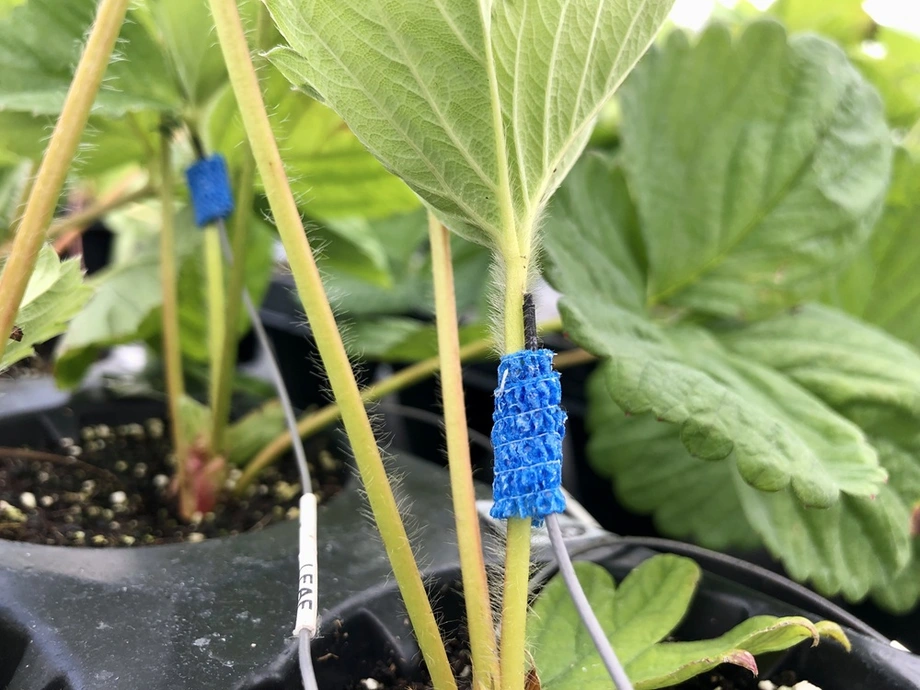 Fig 4: Connected electrodes in a strawberry plant. Vivent Biosignals courtesy photo
Another layer, not a replacement
Electrophysiology should not replace existing sensors but add another diagnostic layer. Climate describes atmospheric demand, substrate sensors describe water availability, porometers show stomatal behaviour, and sap or tissue analyses indicate nutrient status.
Electrical signals may connect these measurements by showing when the plant moves away from its normal pattern and how long recovery takes. The critical question is not whether a graph moves, but whether that movement supports a better management decision.
Crop-specific validation is essential. Signals should be compared with moisture, EC, drainage, leaf temperature, stomatal conductance, water potential and field observations across cultivars, stages and seasons.
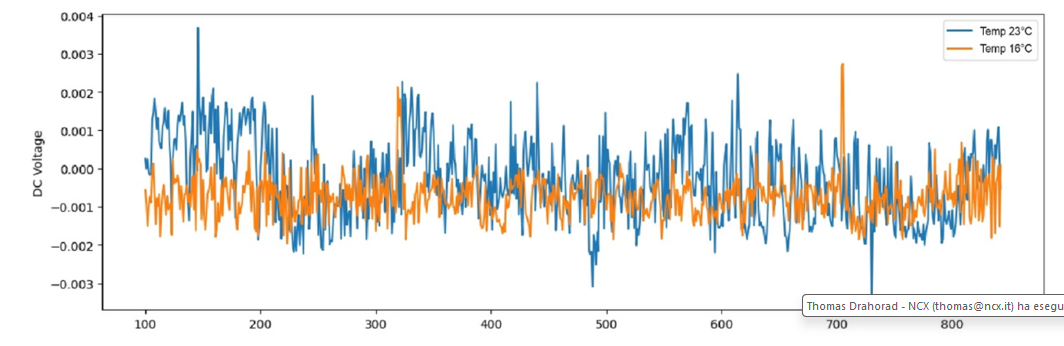 Fig 5: Applying machine learning for the classification of environmental conditions using plant electrical signals (Yeom, MS., Lee, Y., Oh, H. et al. Applying machine learning for the classification of environmental conditions using plant electrical signals. Hortic. Environ. Biotechnol. 66, 1481–1490 (2025). https://doi.org/10.1007/s13580-025-00742-7)
Are we learning to listen?
After several months of monitoring, the conclusion is not that we can already translate everything a plant communicates. It is that plants provide a continuous physiological signal that we previously did not measure.
Berry growers do not need another dashboard producing attractive graphs without practical consequences. They need earlier information about when the crop is moving from adaptation to damaging stress.
Plant electrical signals may become part of that solution. We are not yet translating the complete language of plants. But, for the first time, we may be learning how to listen.
References
Tran, D., Dutoit, F., Najdenovska, E., Wallbridge, N., Plummer, C., Mazza, M., Raileanu, L. E., & Camps, C. (2019). Electrophysiological assessment of plant status outside a Faraday cage using supervised machine learning. Scientific Reports, 9, 17073. https://doi.org/10.1038/s41598-019-53675-4
Yeom, M.-S., Lee, Y., Oh, H., Lee, E., & Oh, M.-M. (2025). Applying machine learning for the classification of environmental conditions using plant electrical signals. Horticulture, Environment, and Biotechnology, 66, 1481-1490. https://doi.org/10.1007/s13580-025-00742-7
Vivent Biosignals. (2026). Plant electrophysiology: how plants communicate and respond to environmental stimuli. Accessed 29 July 2026. https://vivent-biosignals.com/plant-electrophysiology/