





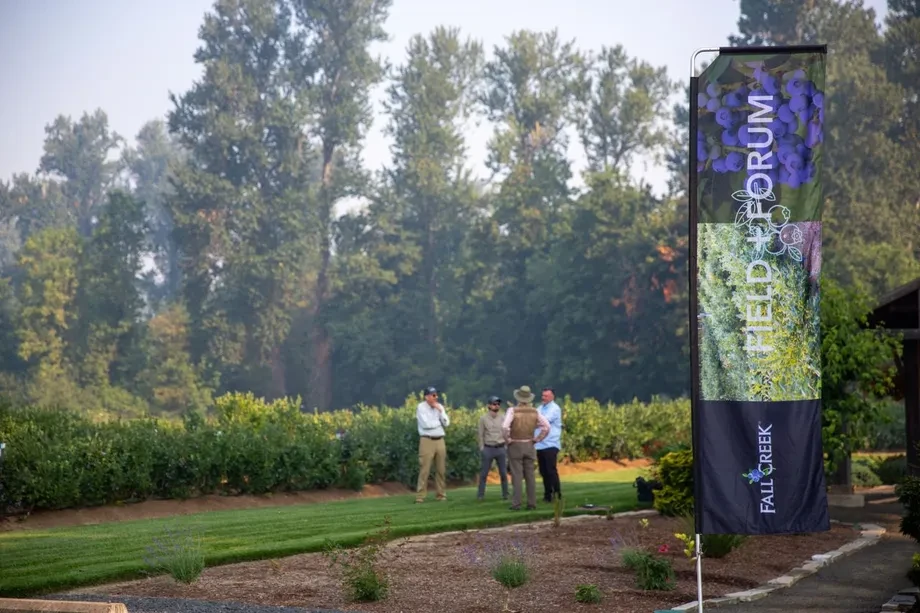
On July 29, at its research farm in Oregon, Fall Creek will bring together growers, licensees, marketers and retailers from the main high-chill growing regions of North America, Chile and Northern Europe.
For the first time, the traditional High Chill Field + Forum will take on a global dimension, with a program focused on innovations that are changing blueberry production and marketing.
Holding the event during peak ripening will allow participants to observe varieties and advanced selections directly in the fields where Fall Creek collects its trial data.
The day will therefore focus not only on the presentation of new genetic material, but also on comparisons involving agronomic performance, sensory quality, mechanization potential and market requirements.
FC11-164, a fresh-market variety for machine harvesting
One of the main new developments will be FC11-164, described by Fall Creek as its first blueberry variety intended for the fresh market and developed for machine harvesting.
The material had already been observed in the field during previous editions of the event, but in 2026 it will be presented for the first time as a variety officially introduced to the market.
Its commercial name will also be revealed during the event.
The development of a cultivar designed to combine machine harvesting with the fresh market addresses one of the most significant challenges facing the industry.
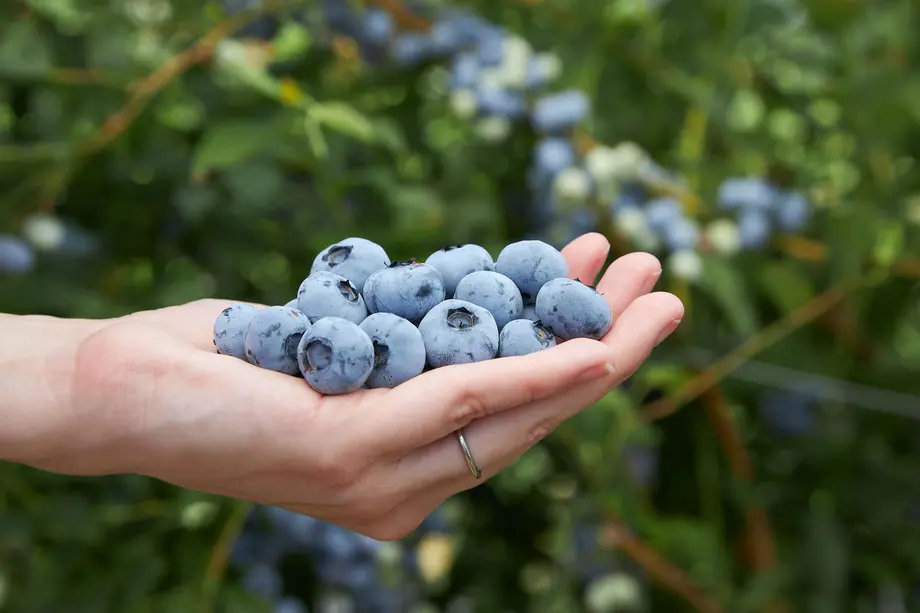 Fall Creek FC11-164
The availability and cost of labor are pushing many production regions to consider automated harvesting systems, without compromising the firmness, fruit integrity, shelf life and visual quality required by retailers.
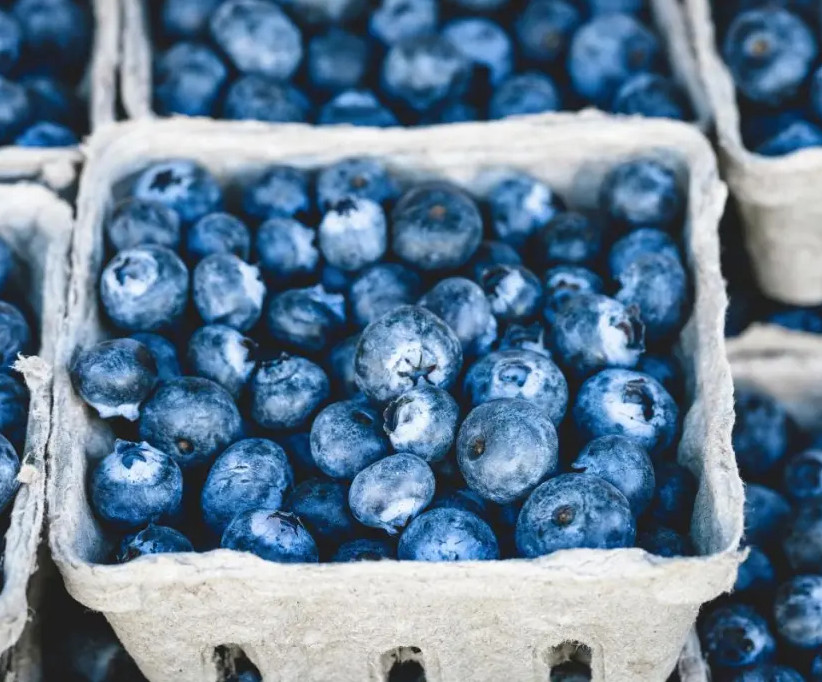
FC11-164 produces large fruit with a light blue color and exceptional firmness, exceeding that of any other variety evaluated by Fall Creek. The fruit is firm enough to be machine-harvested for the fresh market while maintaining excellent quality after 60 days or more in storage. The variety ripens in the mid- to late-season and has a mildly sweet flavor.
“FC11-164 gives high-chill growers something they have not had before: a fresh-market variety that does not force them to choose between labor efficiency and fruit quality. Its firmness holds up through harvest and long after in storage. We have been working toward this for years, and we are pleased to finally make this variety available to growers,” said Paul Sandefur, vice president of Research and Development at Fall Creek.
Nova, the new blueberry from the Sekoya program
Alongside FC11-164, Fall Creek will present Sekoya® Nova ‘FC15-173’, which was also previously shown in research fields and has now officially joined the company’s variety portfolio.
Fruit size has stood out in particular: approximately 80% of Sekoya Nova fruit exceeds 18 millimeters in diameter, compared with 20% to 50% for comparable varieties. This mid- to late-season variety has also shown storability exceeding 60 days, well beyond the approximately 45-day window typical of many newer Northern Highbush varieties, while maintaining fruit quality. The variety also ripens within a concentrated window, supporting more efficient harvest planning.
“Growers are under real pressure to deliver consistent quality, efficient harvests and fruit that maintains its characteristics all the way to the consumer,” said Paul Nselel, Chief Commercial Officer at Fall Creek. “This event provides an opportunity for growers, marketers and industry partners to come together in Oregon, see these genetics under real production conditions and explore the market dynamics influencing variety decisions across the supply chain.”
The two cultivars represent the different routes through which Fall Creek brings its genetics to market: the Fall Creek Collection and the licensed Sekoya program.
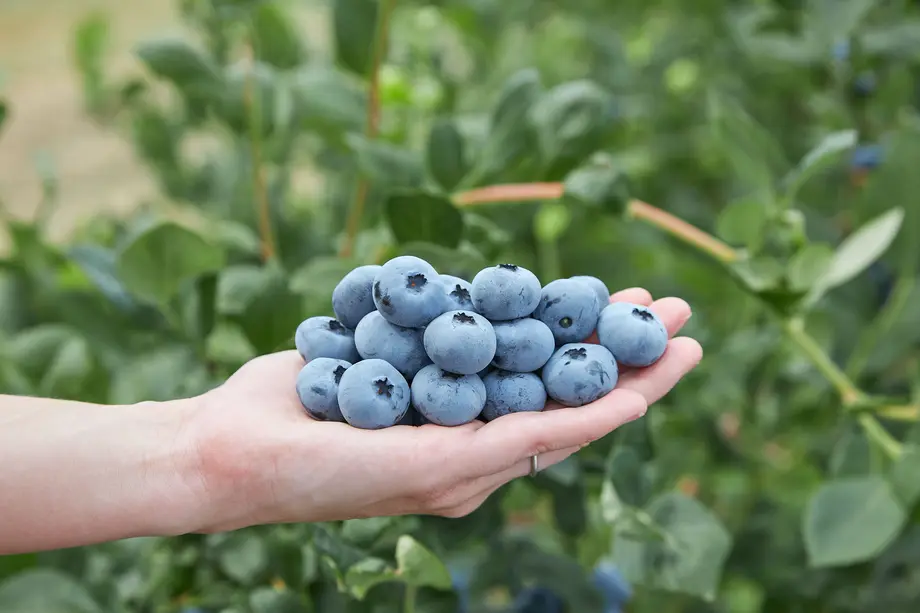 Sekoya® Nova FC15-173
From advanced selections to blind tastings
Visits to the Henry Research Farm will include demonstrations of breeding and applied research, field observations and blind tastings.
Participants will examine both released varieties and advanced selections, providing a comparison between production traits and sensory response.
Blind tastings will play a specific role in the program, with the results presented by Sarah Brabant, Fall Creek’s director of applied research.
The aim is to connect agronomic data with the product’s perceived quality, an increasingly important step in variety selection decisions.
Sensory comparisons make it possible to determine whether attributes such as crispness, sweetness, acidity, fruit size and firmness are recognized and appreciated independently of the cultivar name or the commercial program to which it belongs.
High-chill research looks beyond productivity
Paul Sandefur, vice president of Research and Development at Fall Creek, will present the new frontiers of applied research in high-chill environments.
The topic concerns regions characterized by a high availability of chill hours, where breeding must address not only productivity and climatic adaptation, but also mechanization, fruit quality and supply consistency.
Chief Executive Officer Marc de Beer will discuss the company’s long-term investments in innovation, research and services for growers.
The program reflects an effort to connect variety development more closely with the operating conditions of farms and changes across the supply chain.
The consumer enters variety selection decisions
The afternoon session will shift the focus from research to the market.
Ben Kuenzle, partner at Vivaldi Group, will analyze the global consumer of fresh blueberries, with a particular focus on high-chill markets.
The session is expected to provide insights into the attributes that influence purchasing decisions and the differences between consumer markets.
The retail perspective will be provided by Peter Machala, category manager at Wakefern Food Corp., who will discuss the role of premium varieties in building demand.
The participation of a retailer in the program signals that variety selection is no longer driven exclusively by yield, production timing and storability.
Uniformity, eating experience, recognition and consistent quality are becoming increasingly important.
For breeding programs, this means assessing a new variety throughout the entire chain: from its field performance to the consumer response and its ability to support a differentiated market positioning.
Discussions with growers and marketers
A panel discussion will bring together the experiences of Carlo Lingua, CEO of RK Growers; Aaron Bagwell, agronomist at North Bay Produce; John Matro, owner and chief operating officer of Winslow Junction Produce; and Ben Lahr, grower and supplier relations manager at Twin River Berries.
The discussion will focus on bringing premium blueberry genetics to the market.
Underlying topics will include variety selection, agronomic management, coordination between production and marketing and the ability to deliver on quality promises throughout the supply chain.
The Global High Chill Field + Forum will therefore offer a preview of the priorities shaping blueberry breeding: greater suitability for machine harvesting, verifiable sensory quality, applied research and closer integration among breeders, growers, marketers and retailers.
Registration: info.fallcreeknursery.com