





Climate change is no longer a risk solely for agricultural producers. When a raw material is closely tied to the identity and commercial continuity of a product, it also becomes a direct concern for the brand purchasing it.
This is the case for Ribena, the historic British blackcurrant drinks brand owned by Suntory Beverage & Food. The company will invest £200,000 – approximately €230,000 – in a research programme developed with the Blackcurrant Foundation and the National Institute of Agricultural Botany (NIAB), with the aim of making British crops more resilient to extreme weather events.

The initiative comes during a particularly difficult season. The 2026 British blackcurrant harvest is expected to be around 10% below the average of 10,000 tonnes. Crops have been exposed to a succession of adverse conditions: an exceptionally wet winter that hindered pruning and weed control; localised frosts and hailstorms in spring; and finally intense heat and drought in June and July.
High temperatures caused scorching, premature fruit drop and smaller berry size, while some growers are considering the construction of reservoirs and irrigation systems even in traditionally wetter areas of Britain. According to The Guardian, harvesting will continue until early August.
From soil fertility to fruit quality
The programme coordinated with NIAB at its East Malling centre in Kent will focus on the relationship between soil health and the ability of plants to withstand periods of environmental stress.
The trials will evaluate organic materials including wool, pasteurised manures and products derived from green waste. The aim is to assess their ability to increase soil organic matter, retain water and improve nutrient cycling.
In addition to soil parameters, researchers will measure the effects of the treatments on plant establishment, bush vigour, yield and fruit quality. This will help determine which practices can genuinely be applied on a commercial scale, avoiding the risk of confusing improvements in individual environmental indicators with an actual increase in production resilience.
The project complements work already under way to develop blackcurrant varieties capable of producing consistently even with less winter chilling. It therefore creates a direct link between breeding, soil management, nutrition, irrigation and security of supply.
In 2023, Suntory had already launched a regenerative agriculture project across 60 hectares at Gorgate Farm in Norfolk, which has supplied Ribena for decades. The trials include sap analysis, reduced use of conventional inputs, diverse alleyway swards and compost extracts designed to influence soil microbiology.
The trial was designed to compare conventional practices, transition systems and approaches more strongly based on soil biology. The original project also includes measuring on-farm emissions and carbon sequestration.
When research becomes a sourcing policy
Although Ribena’s investment is relatively modest compared with the brand’s industrial value, the most significant element is its decision to fund the productive capacity of its own supply chain directly.
For Suntory, supporting agronomic research is not separate from procurement: it means reducing the risk that, in future years, sufficient quantities of blackcurrants with the characteristics required for processing will not be available. Producers, at the same time, can test new techniques and materials without bearing all the costs and risks of the transition alone.
The model therefore goes beyond the conventional relationship in which the buyer sets volumes, quality specifications and prices, leaving the farmer to bear the full burden of innovation. The brand invests upstream because it recognises that continuity of raw-material supply is strategic infrastructure for its business.
The terms of the supply contracts linked to the new investment have not been disclosed. The project nevertheless shows how research and procurement can be managed within the same strategy, involving producers, industry organisations and an independent scientific institution.
Potential models for the Italian berries industry
In Italy, a similar approach could be adopted by brands, cooperatives, producer organisations, processors and retailers through several different models.
Multi-year contracts with a research fund. A percentage of the value of purchases could be allocated to a joint fund for agronomic and varietal trials. A multi-year term would allow producers to plan investments in plantations, protective structures and irrigation, while giving buyers greater continuity of supply.
Risk-sharing agreements. Brands and producers could share the cost of trials through per-hectare contributions, the provision of technical materials or compensation for land removed from commercial production. This would be particularly useful for trials involving substrates, water management, crop protection and protection against extreme weather events.
Premiums tied to measurable results. Contracts could provide additional payments for verifiable outcomes such as stable yields, efficient water use, reduced inputs or improved shelf life. These premiums, however, should supplement a sustainable base price and should not transfer new risks solely to the producer.
Pilot farms and open supply-chain protocols. Selected farms could host trials coordinated by universities, research centres or independent foundations. Properly anonymised results could be shared with all participating suppliers, accelerating the transition from experimentation to commercial scale.
Varietal clubs focused on processing or the market. For products intended for juices, freezing, ingredients or private-label lines, the buyer could participate in varietal selection and contribute to breeding costs. In return, it would obtain characteristics more closely aligned with the final product, without necessarily requiring complete exclusivity over the genetics.
The governance issue
For these models to work, clear rules are also needed on data ownership and use, any exclusivity attached to the results, compensation for trial farms and the distribution of economic benefits.
A genuinely balanced contract should specify at least the duration of purchasing commitments, price-setting criteria, coverage of trial-related losses and the conditions governing the use of new techniques or varieties after the project ends.
Customer-funded research can strengthen the supply chain, but it could also increase producers’ dependence if linked to overly restrictive exclusivity clauses or prices that are not aligned with actual production costs.
The Ribena case nevertheless points in a clear direction: in the face of structural climate risks, it is no longer enough to look for an available supplier each year. Raw-material security must be built over time by investing in farms, independent research and contractual relationships capable of distributing risks and benefits throughout the supply chain.
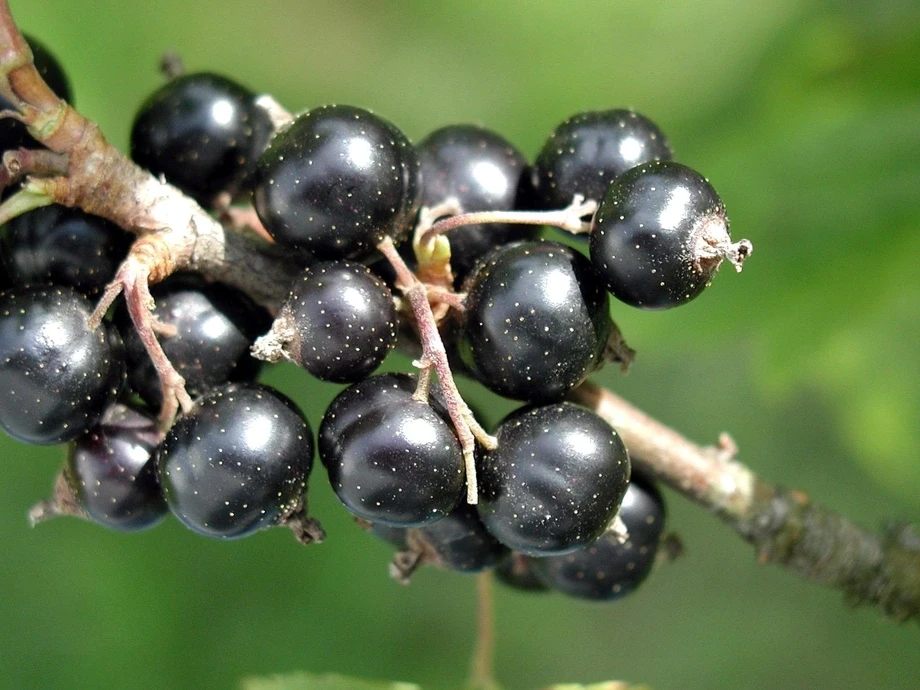
Cover image: PublicDomainImages from Pixabay.