










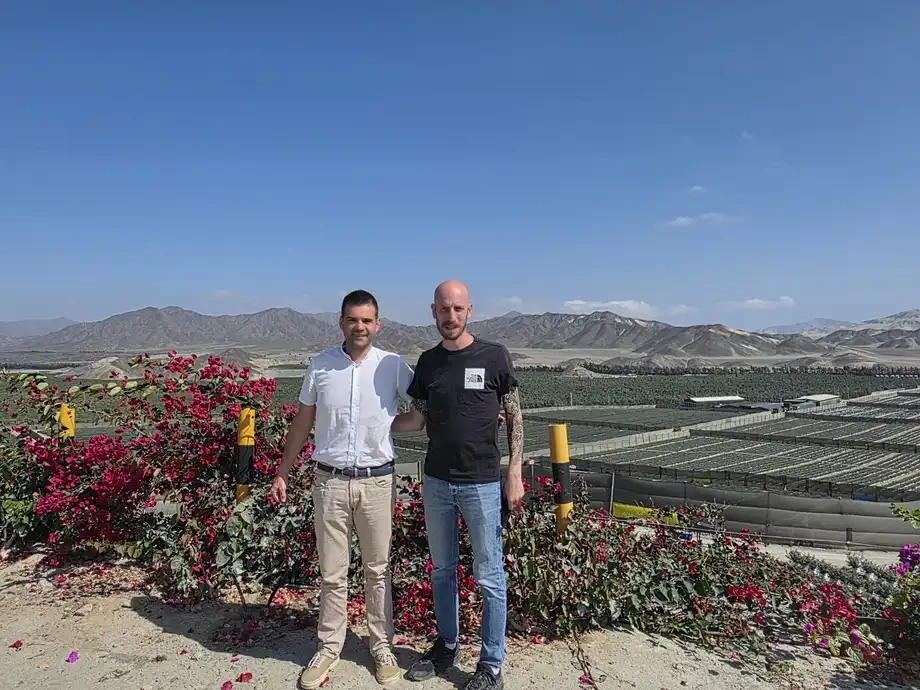
The Italian blueberry season has come to an end, and Filippo Laghi, berries product manager at I Frutti di Gil - Orsero Group (left in the cover photo, with Luca Molari right), provides an exclusive assessment for Italian Berry, covering production from Sicily to northern Italy, with particular attention to growth strategies based on segmentation and new consumption occasions.
His perspective encompasses the entire supply chain, thanks to the collaboration with breeder G-Berries and the strong relationships with the Italian retail sector developed by the Orsero Group across other fresh produce categories.
What is your assessment of the 2026 Italian blueberry campaign in terms of volumes, quality, production calendar and commercial performance?
It was a positive Italian campaign, and we are fully satisfied with both its commercial and production performance. Our partnerships and the project itself are still very young, but we recorded a significant increase in volumes, approximately 30% compared with the previous season.
We are seeing encouraging results from our growers. Many of our production projects are in their first harvest season in southern Italy and will deliver excellent results over the coming years.
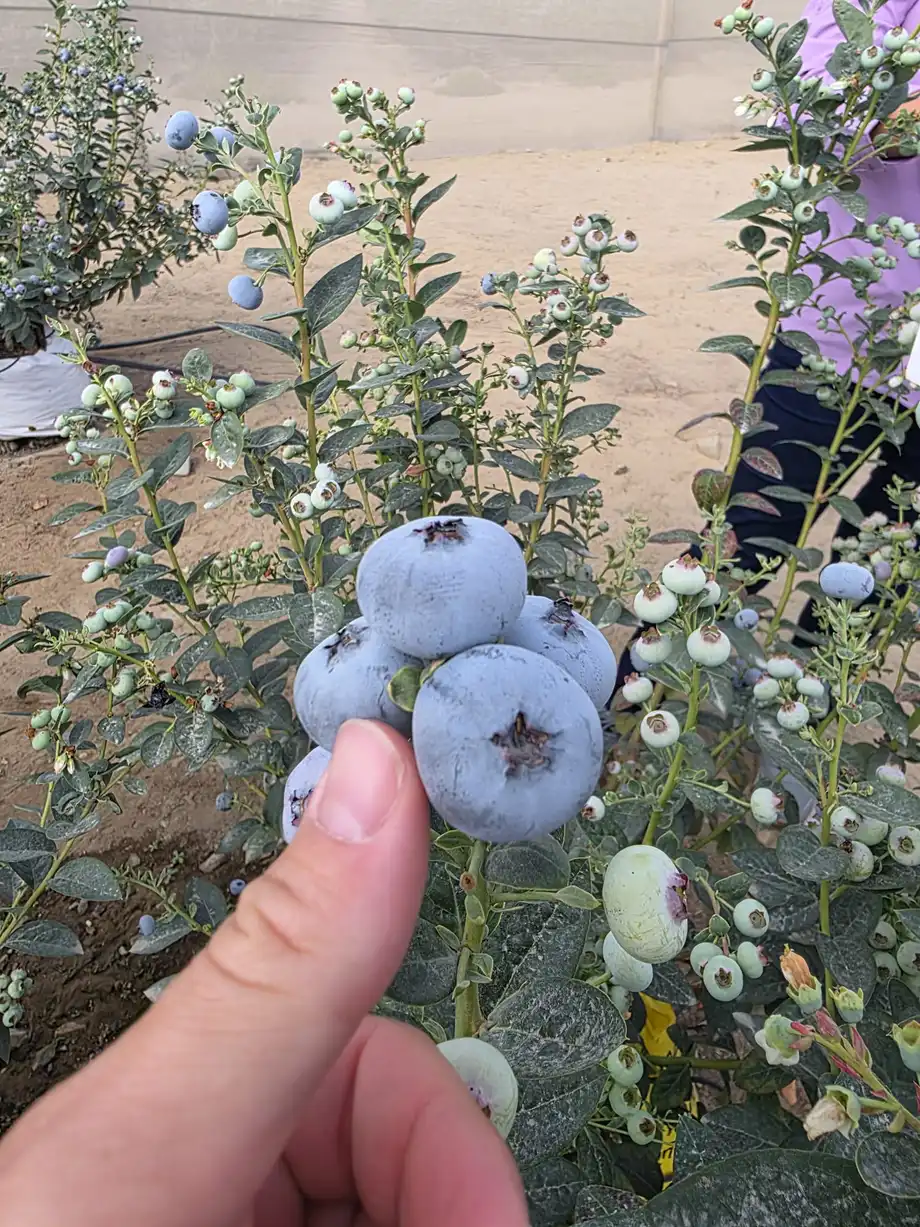
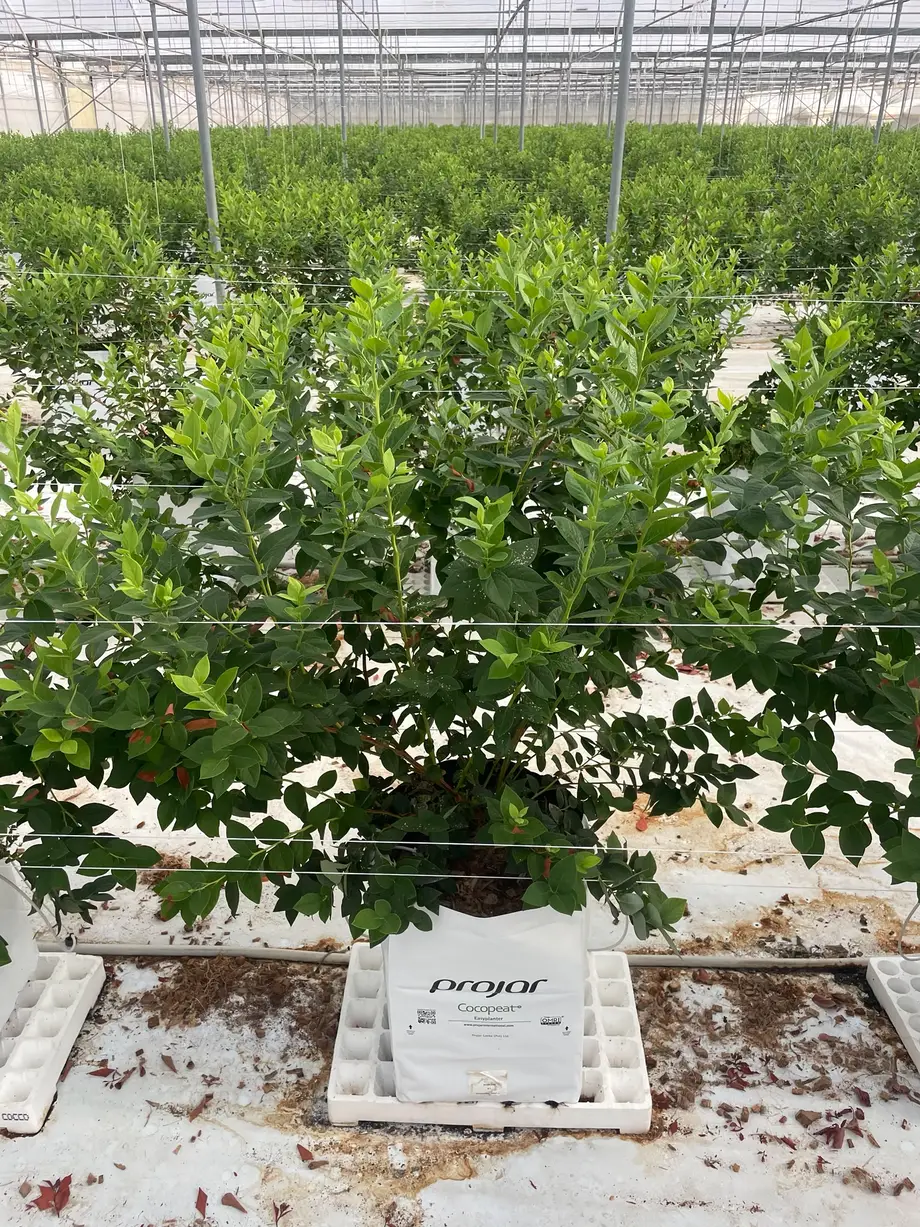 Naike blueberries in Sicily
In terms of quality, the results achieved in trials carried out in Sicily with our recently registered varieties, Naike and Tafi, are particularly noteworthy. So far, they are performing very well, and we cannot wait to see them on Italian consumers’ tables.
What differences did you observe among the various Italian production areas, and which climatic or agronomic factors had the greatest impact on the season’s results?
Despite the climatic difficulties that disrupted the harvest calendar, the quality of Italian produce was generally high. The winter and spring were particularly rainy and included several extreme weather events, especially in Sicily and Calabria, where growers had to protect their crops from natural disasters.
The transition from spring to summer was particularly rapid, causing the harvest calendar to become compressed, followed by sudden fluctuations in product availability and market prices.
What role do berries, and blueberries in particular, currently play in your strategy for the Italian market?
Speaking on behalf of I Frutti di Gil, we manage the berries category within the Orsero Group, and blueberries account for more than 65% of our portfolio.
At present, blueberries represent the greatest growth opportunity in the fruit sector, in my opinion. We probably have a decade ahead of us in which interest will remain strong.
How do you define the premium blueberry segment, and which product characteristics — taste, texture, size, shelf life, origin or variety — justify its positioning and price premium?
At global level, blueberry sales appear to be highly segmented, and “premium” products are particularly easy to identify based on the intrinsic characteristics of certain varieties, especially taste and size. Many large growers are focusing on selected club varieties.
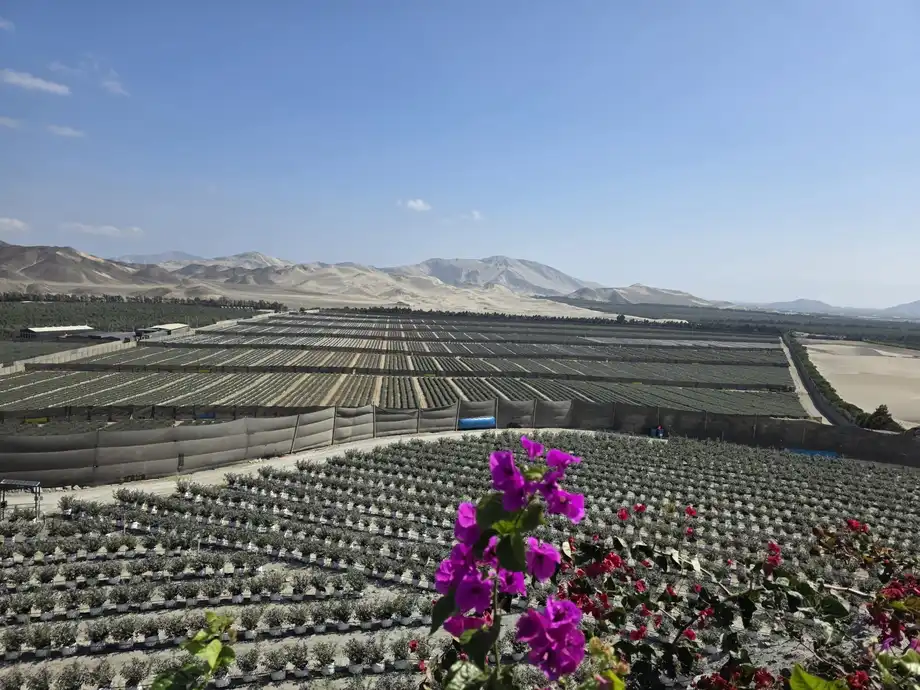 Blueberry production in Peru
In Italy, we are still in an emerging phase of consumption growth, and often the only segmentation at the point of sale is based on pack size. A “true” form of segmentation will probably emerge in the near future. Greater dialogue between the production and retail sides of the supply chain could help.
How does your strategy extend across the supply chain, from variety selection and production planning to packaging, distribution and collaboration with retailers?
From the outset, we have placed supply chain collaboration at the heart of our work, covering everything from breeding through to distribution. We collaborate with breeding company G-Berries, working exclusively with it in Italy on raspberries, blueberries and blackberries, and we are part of clubs operating at European level.
We seek to organise events that bring the retail sector closer to the production world, with the aim of increasing awareness and knowledge of the products and varieties.
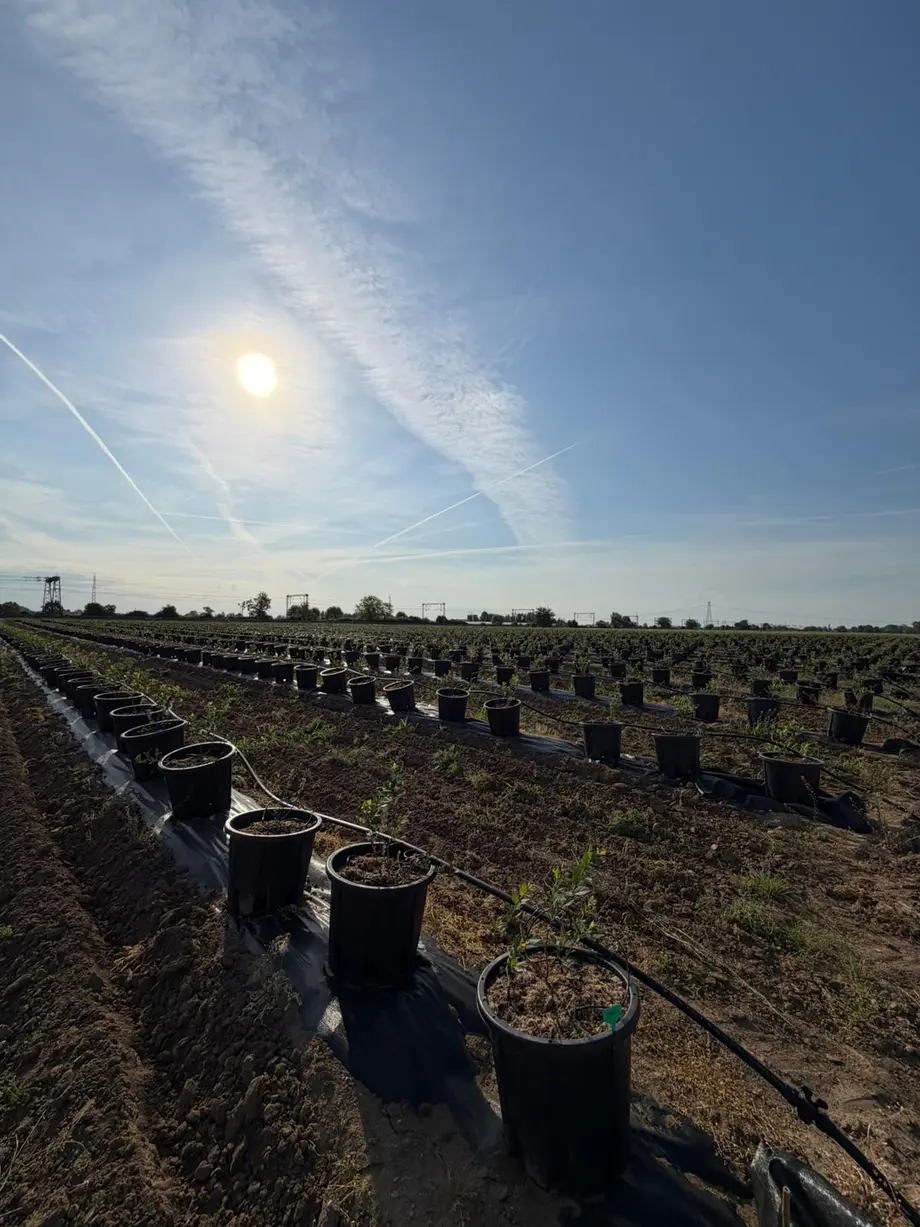 New 11-hectare planting in Verona
What opportunities and challenges do you see for the future of the berries category in Italy? Which areas — varietal innovation, range expansion, pack formats, communication or new consumption occasions — will require investment?
There are certainly market growth opportunities linked to new consumption occasions. Since the launch of the IFDG project, we have made a strong year-on-year commitment to communicating about varietal innovation, segmentation and category awareness.
One example that I consider relevant is the segmentation of grapes, supported by communication about varieties with consistent and recognisable characteristics. This allows consumers to identify them and repeat a positive purchasing experience.
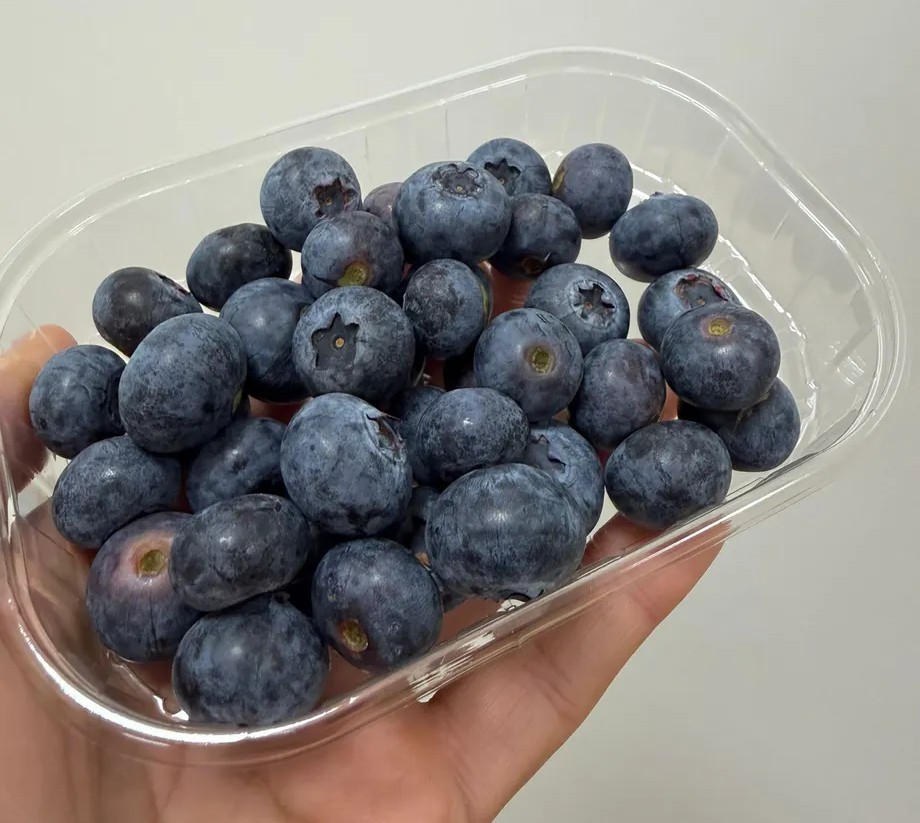 Naike blueberries in Sicily