






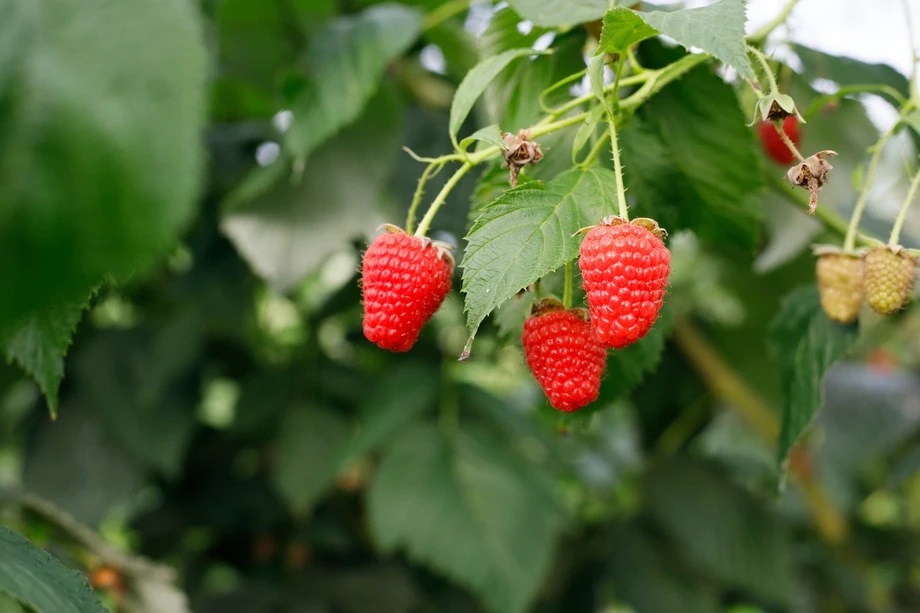
Fall Creek Farm & Nursery, historically a leader in blueberry genetics and nursery production, has embarked on a targeted strategy to diversify into berries of the genus Rubus (raspberries and blackberries), expanding its production platform and reducing its reliance on a single crop.
Based on extensive market analysis, the company has identified strong growth potential for raspberries and blackberries, setting conventional strawberries aside for the time being. Its ten-year objective is to establish itself as a leading player in the Rubus sector, building a business equivalent to 10-15% of its current blueberry business.
In this exclusive interview with Italian Berry, Burgert Van Dyk takes a detailed look at the strategy that will guide Fall Creek's expansion into this new sector.
Commercial synergies and nursery quality
The transition to a multi-berry platform draws on a well-established customer network: many growers in the Sequoia programme also produce raspberries, creating a natural opportunity to integrate supplies.
Beyond genetics, one of the key factors behind Fall Creek's entry into the Rubus market is plant quality. In many production regions worldwide, the nursery stock available for raspberries and blackberries falls short of adequate quality standards. Fall Creek's primary objective is therefore to bring the same nursery reliability to Rubus that it already delivers in blueberries, before gradually introducing its own genetics. Burgert Van Dyk, Head of Rubus at Fall Creek
Expansion regions and adaptation to climate change
For the short and medium term, Fall Creek has concentrated its strategic resources on three key regions:
- Mexico
- Morocco
- The Iberian Peninsula (Spain and Portugal)
Looking further ahead, markets such as the United States, China, India and Eastern Europe hold enormous potential.
On the breeding front, the company believes the future lies in varieties tailored to each region and climate, rather than universal solutions. In response to climate change and increasingly frequent extreme weather events, genetic selection is deliberately carried out in harsh and challenging environments. Development centres include:
- Verona (Italy), where the Easy Rose® ('ALEL101') variety was selected and tested, demonstrating its ability to perform in marginal and harsh climatic conditions.
- Tala (Mexico) and an R&D centre in Spain, dedicated to selection under high levels of heat and water stress.
- A new nursery in Morocco to support growth in North Africa.
Prioritising traits: raspberries vs blackberries
Selection priorities vary considerably depending on the target region and fruit type:
Raspberries: shelf life comes first
- Shelf life and firmness: Essential requirements to ensure the fruit holds up throughout the distribution chain.
- Labour efficiency: A top priority for the European market because of high harvesting costs, while playing a secondary role in markets such as Mexico or Morocco.
- Disease resistance: Crucial in responding to the reduction in synthetic chemical use required by environmental regulations.
- Flavour: Surprisingly ranked among the lowest priorities for fresh raspberries, as consumer purchases are driven primarily by visual appearance and decorative appeal.
Flavour and thornlessness for blackberries
- Flavour and consistent quality: The key to unlocking consumption. Inconsistent eating quality is currently the main barrier to purchasing for 8 out of 10 consumers.
- Thornlessness: An essential trait, particularly in European markets, where pickers refuse to harvest thorny varieties.
The fresh market, profitability and field economics
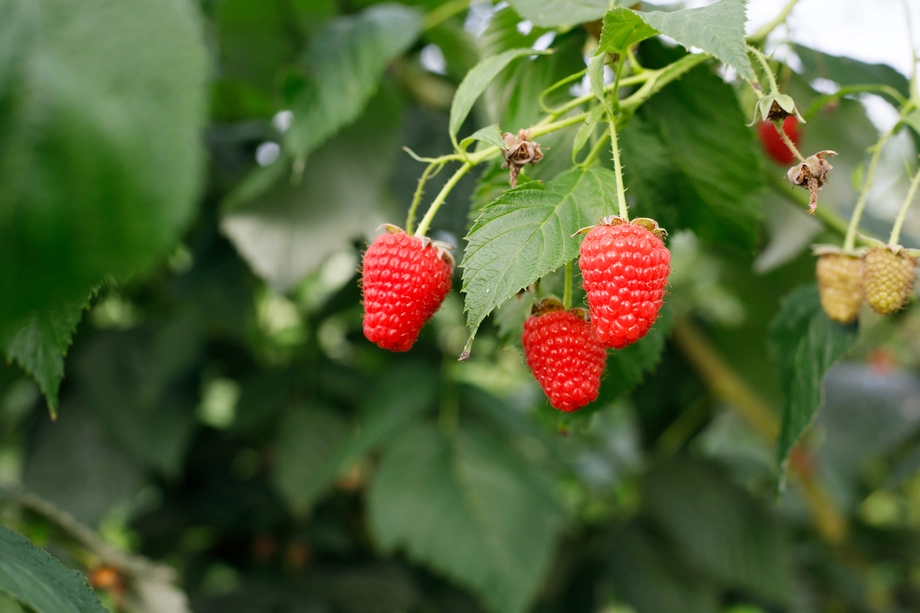
Fall Creek focuses 100% of its Rubus programmes on the fresh market, excluding the development of varieties intended for processing or freezing.
New genetic lines are evaluated according to the grower's total profitability per hectare. To address labour shortages and costs, selection focuses on ease of picking (ease of pick) and concentrated ripening, allowing fruit to be harvested faster and with fewer workers. Mechanical harvesting of fresh raspberries remains a distant prospect, given the fruit's extreme delicacy and perishability.
Innovation models: partnerships and breeding timelines
Fall Creek's recently launched internal Rubus breeding programmes will take approximately ten years to produce the first generation of proprietary commercial varieties.
To bridge this period and establish itself quickly in the market, Fall Creek is adopting a hybrid collaboration model:
- Short and medium term: Strategic alliances, licensing agreements and partnerships with independent breeders and institutions, such as the commercialisation of Easy Rose®.
- Long term (10+ years): The gradual introduction of Fall Creek's proprietary genetics, alongside selected external partnerships.
In addition, genomics and molecular markers are being integrated to make selection more efficient and accurate, without fundamentally changing the biological timelines of plant development.
The sector's future over the next 10 years
According to Burgert Van Dyk, the transformation of the Rubus sector over the next ten years will be driven by three pillars:
- Genetic innovation: Substantial untapped potential to improve fruit quality and resistance to adverse conditions.
- Extended shelf life: The ability to reduce waste and reach distant markets.
- Customer segmentation: Moving away from a "one-size-fits-all" model to offer varieties differentiated according to the specific needs of growers, retailers and end consumers.
The blackberry strategy
Fall Creek Farm & Nursery's blackberry strategy addresses the specific challenges of a category with growth potential that remains untapped compared with blueberries and raspberries.
The "blackberry paradox" and the shift towards flavour
Burgert Van Dyk highlights a paradox emerging from market research: around eight out of ten consumers say they prefer the flavour of blackberries to raspberries, yet blackberry purchase volumes are considerably lower. The main reason for this discrepancy is highly inconsistent eating quality. Consumers often encounter fruit that is too tart, bitter or unpredictable in flavour, discouraging repeat purchases.
For this reason, Fall Creek has reversed traditional selection priorities:
- Flavour and eating quality come first: While blackberry breeding has historically focused solely on yields and post-harvest performance, the new strategy makes consistent flavour a priority requirement for unlocking global demand.
- The difference from raspberries: Initial raspberry purchases are driven mainly by visual and decorative appeal. For blackberries, flavour is what drives market expansion.
Thornlessness
Another core trait in the blackberry programme is thornlessness.
- Labour pressures: In European markets, thornlessness is an essential entry requirement, as pickers refuse to work with thorny plants. Markets such as Mexico have historically been more tolerant, but the global trend calls for thornless varieties to contain costs and make fieldwork easier.
- Biotechnology and regulation: Van Dyk notes that modern genetic technologies could switch off the thorn gene very quickly, but adopting these methods involves regulatory and policy considerations regarding market and consumer acceptance of modified products.
Field economics and a focus on fresh fruit
The blackberry programme is 100% focused on the fresh market, excluding the development of varieties intended for freezing or processing. Genetic selection is assessed on the basis of grower profitability per hectare, which rests on two decisive economic factors:
- Extended shelf life: Essential for reducing product losses and waste throughout the distribution chain and enabling transport to distant destinations.
- Ease of picking (ease of pick): Speeds up manual harvesting and reduces labour requirements per kilogram of fruit harvested.
Geographical development and breeding timelines
Blackberry selection trials are conducted in challenging climatic conditions, including at the R&D centre in Tala, Mexico, as well as in Spain and Morocco, to ensure plant resilience to heat stress and climate change.
Since the internal breeding programme will take approximately ten years to produce the first generation of proprietary commercial varieties, Fall Creek will use licensing agreements and partnerships with independent breeders in the short and medium term to bring high-performing blackberry varieties to market quickly.
Breeding priorities for raspberries
In Fall Creek's raspberry development programme, breeding priorities are defined according to the needs of growers and the distribution chain, while also varying by geographical region.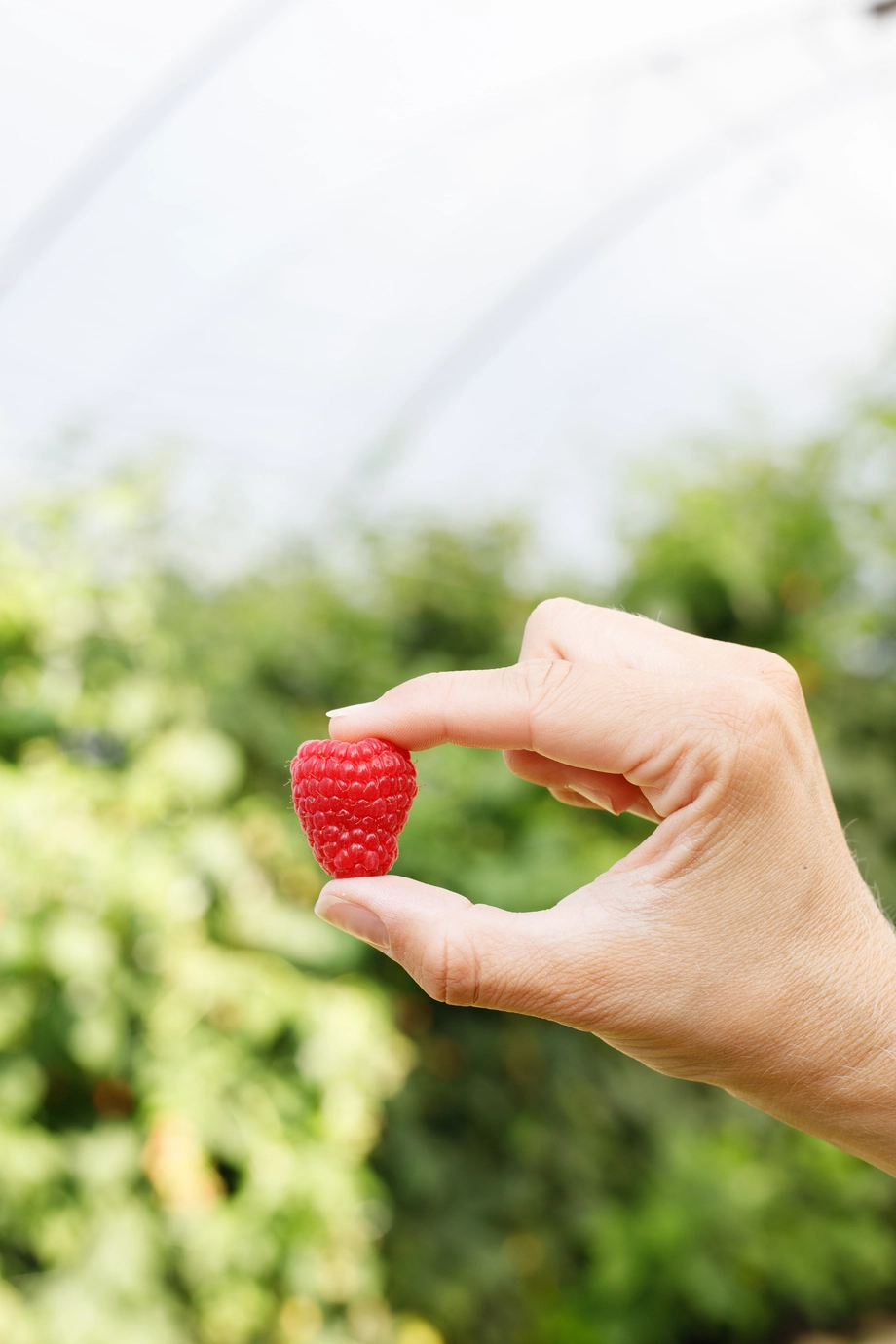
Shelf life and firmness
- Top priority: Shelf life ranks among the highest breeding priorities, as the fruit must have the staying power ("legs") to travel through the logistics chain without deteriorating.
- The link with firmness: Shelf life is directly linked to fruit firmness, an essential factor in preventing losses and commercial waste.
Labour efficiency and ease of pick
- Geographical differences: Labour efficiency is a critical priority in European markets because of high labour costs. In countries such as Mexico or Morocco, this factor is less significant.
- An alternative to mechanical harvesting: Mechanical harvesting of fresh raspberries is still considered a distant prospect, given the extreme delicacy and perishability of the fruit and plants. Selection therefore focuses on ease of picking (ease of pick) and concentrated ripening, enabling workers to harvest faster and with fewer staff.
Disease resistance
- Regulatory and environmental pressures: Disease resistance has become an essential selection criterion because of increasing restrictions on synthetic pesticide use and the drive towards more sustainable farming practices.
- Reduced chemical inputs: Introducing natural genetic tolerances helps protect yields while maintaining farm profitability and compliance with production standards.
Visual appearance vs flavour (flavour ranks last)
- Visual appeal drives purchases: For fresh raspberries, visual appearance takes precedence over eating quality. Consumers primarily buy with their eyes and often use the fruit for decorative purposes.
- Where flavour ranks: For this reason, Burgert Van Dyk places flavour last in the ranking of raspberry breeding traits. This approach contrasts sharply with that for blackberries, where consistent flavour is the main driver for stimulating consumption.
An exclusive focus on the fresh market
- No programme for processing: Fall Creek directs all its research programmes towards the fresh market, without developing varieties specifically for individually quick frozen (IQF) products or industrial processing. Any processing suitability would be assessed only incidentally in lines selected for the fresh market.
Selection in harsh climatic conditions
- Resilience to climate change: To address rising temperatures and increasingly frequent extreme weather events, selection is carried out at trial sites characterised by harsh climatic conditions.
- Local adaptability: A practical example is the Easy Rose® ('ALEL101') variety, developed and tested in harsh and marginal conditions in Verona to ensure stable production.
Key production regions
 In the interview, Burgert Van Dyk groups the key regions for Rubus production and expansion according to the company's time horizons and strategic priorities:
Priority regions in the short and medium term
Fall Creek has chosen to concentrate its resources and immediate investment on three main production regions:
- Mexico
- Morocco
- The Iberian Peninsula (Spain and Portugal)
These three areas represent the fastest-growing markets on which the company intends to focus in the short and medium term.
Key long-term markets
Beyond its immediate priorities, Van Dyk identifies other regions with substantial strategic potential for future expansion:
- The United States: A major market with further room for growth.
- China: Identified as a market with enormous potential.
- India.
- Eastern Europe (the Eastern bloc).
R&D and nursery hubs
To serve these regions and select plants capable of adapting to climate change, Fall Creek has located its development and production centres in specific areas:
- Italy (Verona): Used to test and select varieties under harsh and marginal climatic conditions, as with Easy Rose®.
- Mexico (Tala) and Spain: R&D and breeding locations for selecting genetic lines under high levels of heat stress.
- Morocco: The location of a new nursery under construction to ensure high-quality plant material for North Africa and Europe.
Collaboration models: agreements and licensing
Since its internal Rubus breeding programme was launched recently, Fall Creek expects it to take approximately ten years before its R&D can bring the first proprietary commercial varieties to market. To bridge this period and immediately establish itself as a credible global player, the company has adopted a dynamic model based on alliances and commercial licensing.
The short- and medium-term model: agreements and external partnerships
In the short and medium term, Fall Creek's strategy is based on sharing and commercialising genetics developed by third parties:
- Commercial and licensing agreements: A prime example is the raspberry variety Easy Rose® ('ALEL101'), developed in Italy and commercialised by Fall Creek for its outstanding adaptability to harsh and marginal climatic conditions.
- Partnerships with independent breeders and institutions: Fall Creek is entering into confidential agreements with private companies, independent breeders and institutional research centres to test and distribute outstanding selections.
- Strategic objective: This collaborative approach makes it possible to serve the grower network immediately, including growers in the Sequoia programme, and fill supply gaps in the target regions (Mexico, Morocco and the Iberian Peninsula) without waiting for the biological timelines of internal research.
The long-term transition (10+ years): the hybrid model
Over the longer term, the structure of the genetics offering will evolve gradually:
- Introducing proprietary genetics: As internal crossing programmes select stable lines, varieties from Fall Creek's proprietary breeding programmes will gradually begin to replace some of the products developed through partnerships.
- Maintaining an open portfolio: Van Dyk explains that external partnerships will not be phased out completely. Even in the mature blueberry sector, Fall Creek continues to distribute varieties originating from longstanding third-party partnerships, demonstrating that the hybrid model will remain in place wherever an external variety delivers real value to the supply chain.
The role of genomics and molecular markers
To support both internal breeding and the selection of partner lines, Fall Creek uses genomics tools and molecular markers:
- Efficiency vs speed: Burgert Van Dyk explains that genomics does not miraculously shorten the biological time needed to evaluate plants in the field, but makes the entire selection process far more precise and efficient, reducing the margin for error when identifying desired genetic traits.
Making the most of market windows
In the interview, Burgert Van Dyk identifies production flexibility and phenological manipulation in Rubus as among the most strategic tools for ensuring grower profitability.
The problem of "market gaps"
Analysis of the global berry market highlights periods of the year with genuine supply gaps (market gaps), when demand for fresh raspberries and blackberries remains extremely high but the quantity of fruit available on the market drops sharply.
- Current limitations of genetics: At present, there are no varieties capable of ripening naturally in every one of these market windows.
- Environmental and climatic constraints: Even where promising genetic lines exist, local climatic challenges, such as extreme heat or insufficient winter chill, can prevent plants from completing their natural cycle at the desired time.
Becoming "masters of manipulation"
To overcome these biological and geographical limitations, Van Dyk says Fall Creek and its R&D teams aim to become a reference point for mastering the manipulation of plant growth cycles:
- Floricanes and primocanes: The aim is to manage the two different cane types (first-year canes, or primocanes, and second-year canes, or floricanes) to schedule flowering and fruiting.
- Shifting the harvest calendar: Targeted growing techniques, such as tip pruning, cane density management, temperature conditioning and protected cultivation in tunnels, can bring ripening peaks forward or delay them to precisely target the most profitable market window.
Primocanes vs floricanes in target windows
- The ideal situation: The optimal setup would involve a primocane-fruiting (everbearing) variety capable of producing directly within the target market window.
- The alternative through crop manipulation: When climatic conditions or the available genetics prevent the direct use of primocanes, agronomic manipulation of floricanes or the growth cycle allows plants to be "forced" to produce when market prices are highest.
From total yield to profitability per hectare
This approach redefines the very concept of agronomic success:
- Production flexibility is considered a priority equal to, or even greater than, yield volume per hectare alone.
- Producing a smaller volume concentrated in an underserved market window generates a significantly higher economic return per hectare than producing large volumes during periods of market saturation.
Integration with Fall Creek's R&D programmes
Fall Creek's new R&D centres and trial sites in Mexico, Spain, Italy and Morocco are integrating these practices into their trial protocols. The long-term objective is to develop comprehensive agronomic packages, providing growers with both plants and the know-how and management protocols needed to manipulate phenology according to the specific production region.
Italian Berry - All rights reserved