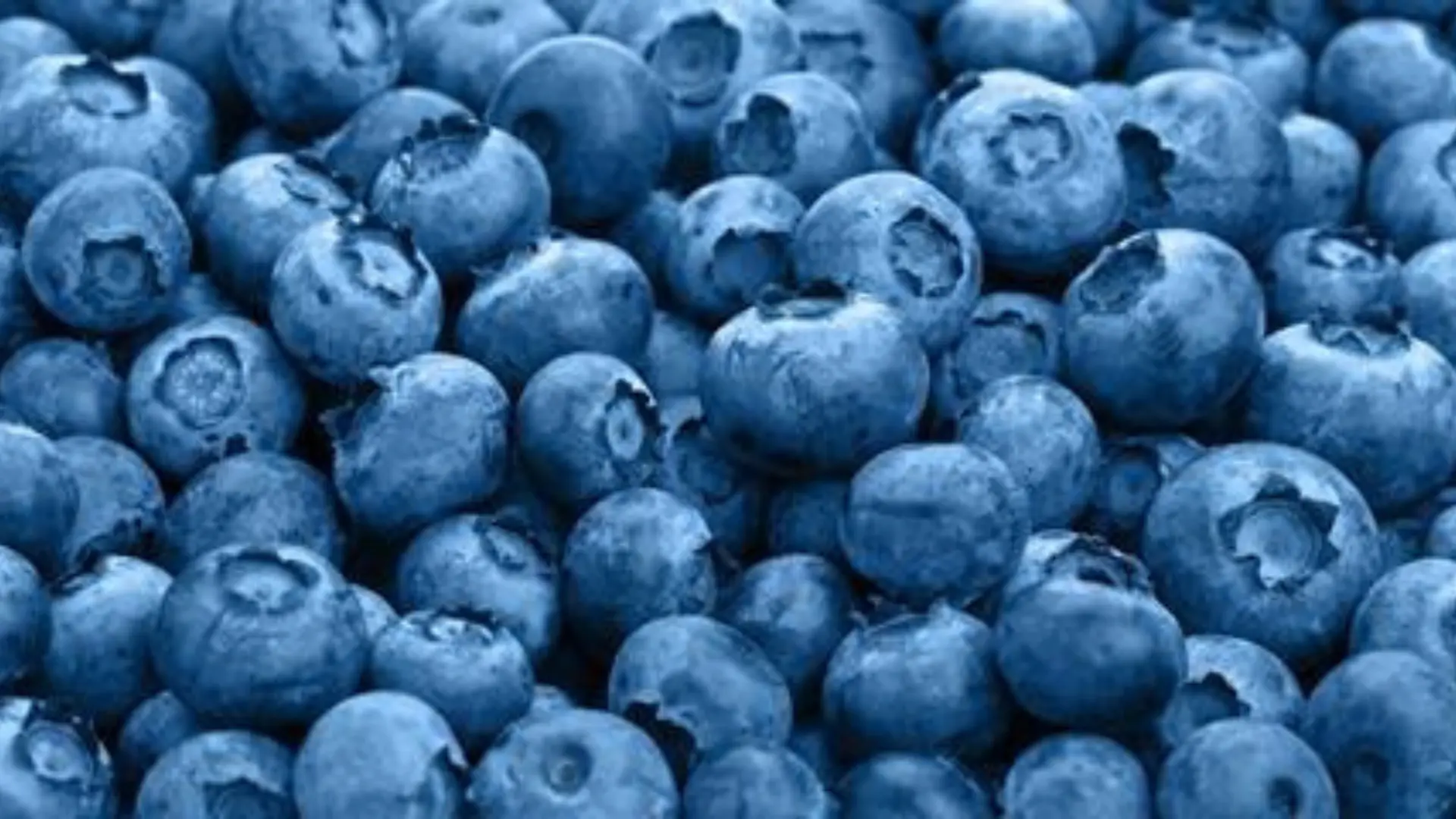





A five-year study by the USDA-ARS evaluated pre- and post-harvest treatments to extend the shelf life of blueberries. Natamycin, peracetic acid, and reduced-ventilation packaging delivered the most promising results, while antitranspirants and coatings showed limited efficacy or undesirable side effects.
Reducing rot, limiting water loss, and maintaining blueberry quality during storage and marketing: this is the objective of the project “New Approaches to Enhance Fresh Fruit Quality and Control Postharvest Diseases”, led by researchers at the Agricultural Research Service of the United States Department of Agriculture (USDA-ARS) in Parlier, California.
The final report, published as part of the 2025 Annual Report, summarizes five years of trials on techniques applicable before and after harvest. The most noteworthy results involve the use of natamycin, peracetic acid, and packaging with a reduced ventilation area. In contrast, trials with antitranspirants and surface coatings proved less convincing.
Natamycin effective even at low concentrations
Natamycin is an antifungal substance already recognized in the United States as safe for certain food uses and authorized for post-harvest use on select fruits, including citrus. At the time of the research, however, it had not yet been registered for use on blueberries.
In ARS trials, natamycin was applied via spraying and dipping. Even at one-fourth of the concentration mandated in the United States for citrus, the treatment proved highly effective in controlling rot, with no detectable adverse effects on fruit quality during storage.
The data obtained are being used to support the registration process for the post-harvest treatment of blueberries in the United States. These results must therefore be interpreted within the relevant regulatory framework: any commercial application in other countries, including the European Union, depends on specific local authorizations in force.
From fogging to in-line treatment
Researchers also investigated different application technologies. In one trial, commercially harvested blueberries placed in plastic lugs were palletized, fogged with natamycin, and stored in cold storage for four weeks.
Compared to fogging with water alone, the treatment significantly reduced decay incidence. However, a uniformity issue emerged: blueberries located at the top of the pallet received greater protection than those in the middle and bottom layers.
Increasing the solution volume and fogging duration improved results, likely due to a more uniform distribution. The treatment's efficacy therefore depends not only on the substance used, but also on the system's ability to reach all fruit within the pallet.
Another trial compared conventional spraying with an electrostatic spray system. Both methods reduced decay to a similar extent, but electrostatic technology required less water. According to the researchers, this system could be integrated into packing lines.
Positive results also with peracetic acid
Peracetic acid was tested on two cultivars via spraying and dipping across different concentrations. The treatment significantly reduced post-harvest rot, generally showing greater efficacy as the concentration increased.
Under the experimental conditions, peracetic acid did not significantly compromise either the quality parameters or the sensory characteristics of the blueberries. For the ARS, it represents another potentially useful tool for curbing decay and preserving fresh produce quality.
Trials with ionized hydrogen peroxide applied via fogging proved more problematic. The higher concentration reduced rot but caused phytotoxicity on the fruit; the lower concentration caused no damage to the blueberries but failed to provide effective decay control. At the tested doses, the balance between efficacy and safety was unsatisfactory.
Less ventilation to limit weight loss and shriveling
Part of the research focused on water loss, a major driver of commercial quality loss in blueberries during storage and distribution. By reducing the vent hole area in clamshell packages, researchers achieved a significant decrease in weight loss.
Reduced-ventilation packaging also led to a marked decrease in shriveling and an increase in fruit firmness at the end of storage and simulated commercial shelf life.
However, reduced ventilation must be managed alongside decay control. The ARS highlights combining reduced-ventilation containers with a pre-packaging antifungal treatment—such as natamycin or sulfur dioxide under authorized conditions—as an effective strategy.
Coatings alter the bloom
Less favorable outcomes were observed with post-harvest coatings. None of the tested products—chitosan, Semperfresh, and sodium caseinate—improved overall quality parameters. While chitosan demonstrated inhibitory action against decay, all coatings partially or completely removed the bloom (waxy layer), altering the fruit's external appearance.
This effect is significant. In sensory evaluations associated with the study, heavy removal of the bloom worsened consumer perception of the blueberries. The research thus confirms the commercial value of the epicuticular wax layer, which is also regarded as an indicator of freshness and minimal handling.
Pre-harvest treatments: limited effects on rot
Regarding pre-harvest approaches, the ARS evaluated substances capable of stimulating the plant's natural defense mechanisms. Benzothiadiazole and potassium silicate, applied four times during the season, reduced decay compared to the control in one and two out of the three trial years, respectively.
Their efficacy against post-harvest diseases was consequently defined as limited and inconsistent. However, in two of the years, both treatments led to increased soluble solids and decreased titratable acidity. According to the researchers, they may therefore offer potential for maturity management rather than direct decay control.
Antitranspirants, on the other hand, yielded no useful results. The Parka treatment, formulated to supplement the fruit cuticle, did not alter the post-harvest quality of the two varieties tested. Vapor Gard severely inhibited ripening. Consequently, the project did not identify a suitable antitranspirant for use on blueberries.
An integrated post-harvest strategy
The findings do not point to a single silver bullet for all storage challenges. Instead, they highlight the value of combining multiple interventions: antifungal treatments, uniform and water-efficient application methods, proper container ventilation, and preservation of the bloom.
Prior to commercial-scale application, authorizations, dosages, packaging line compatibility, and cultivar-specific performance remain to be established. Nevertheless, the USDA-ARS research demonstrates how post-harvest management can help extend blueberry shelf life, reduce waste, and support shipping to more distant markets.
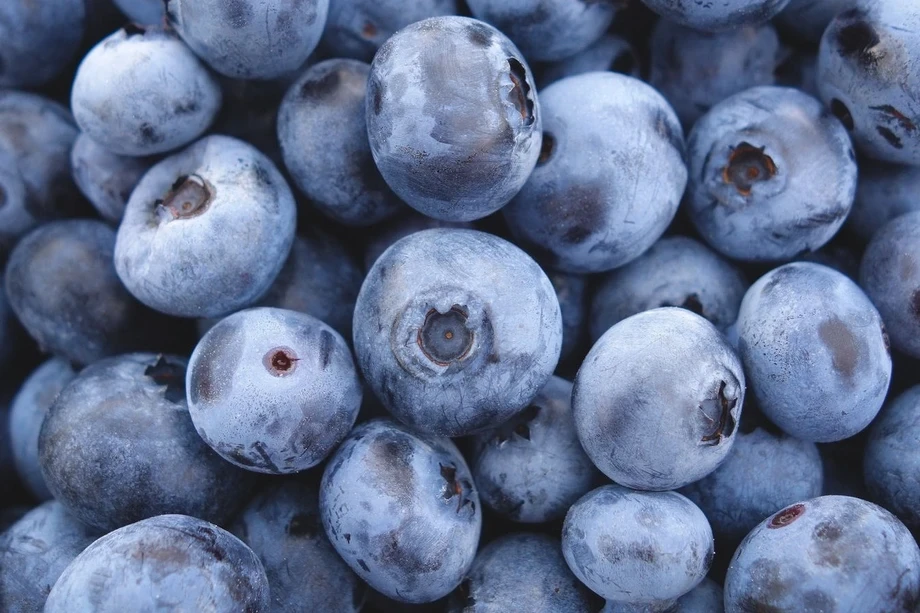
Image by Samuele Schirò from Pixabay
Italian Berry – All rights reserved