






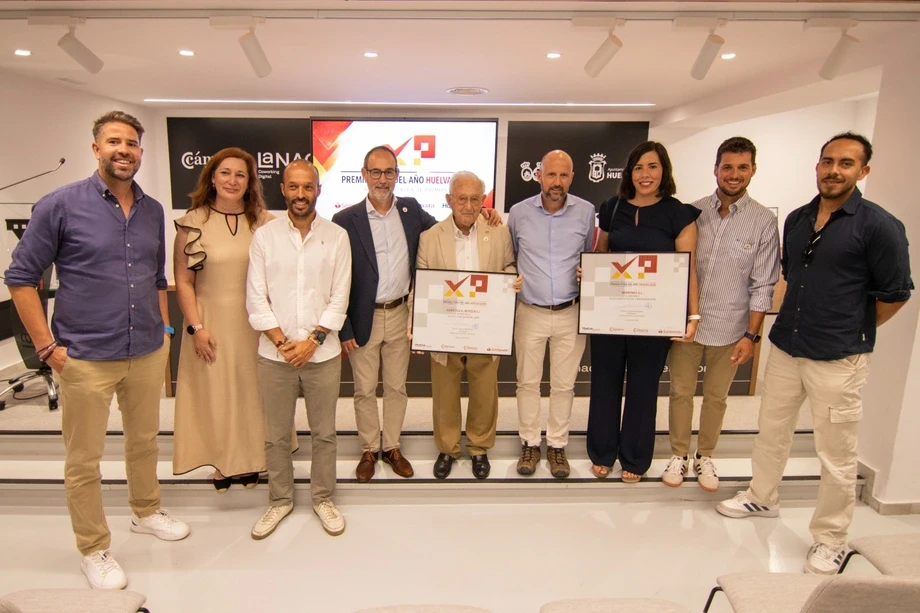
The production model developed by Agrícola El Bosque and the Berryum breeding programme were recognised at the tenth edition of the Huelva SME Awards.
Agrícola El Bosque and Berryneo received two important accolades at the 2026 Huelva SME Awards, organised by the Huelva Chamber of Commerce, the Chamber of Commerce of Spain and Banco Santander, in collaboration with Huelva Información.
During the ceremony held on 7 July, Agrícola El Bosque, a berry producer operating under the La Canastita brand, received the Sustainable SME Award. Berryneo, the company behind the Berryum breeding programme, was presented with the Innovation and Digitalisation SME Award.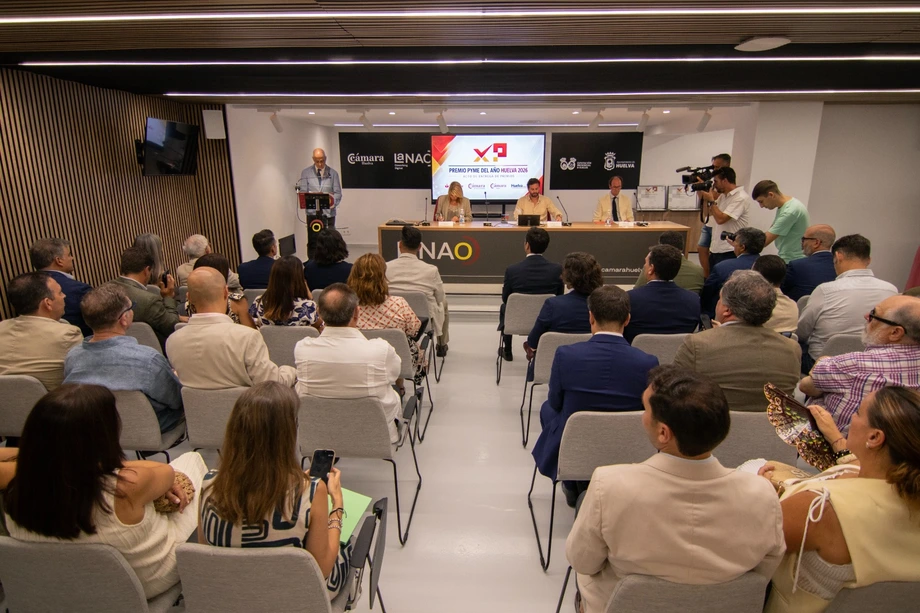
The awards were collected by Diego Velo, founder of Agrícola El Bosque, and Mariana Ochoa, Director of Genetics and Nursery at Berryneo.
Italian Berry interviewed Rocío Cruz, Marketing Manager of La Canastita and Berryum, to discuss the significance of the awards and the strategy connecting production, sustainability, breeding and digitalisation.
What do the two awards received at the 2026 Huelva SME Awards mean to you?
The awards recognise the two pillars of our strategic vision: on the one hand, our commitment to producing berries more sustainably and, on the other, our investment in research, knowledge and varietal innovation.
Agrícola El Bosque and Berryneo are two independent companies, but they share a common origin and vision. These awards show that sustainability and innovation are not separate paths, but complementary elements in addressing the current and future challenges facing the sector.
Why did Agrícola El Bosque receive the Sustainable SME Award?
The award recognises the responsible production model developed by Agrícola El Bosque, which is based on achieving a balance between farming and the conservation of the natural environment.
At Finca El Bosque, we carry out initiatives focused on biodiversity protection, environmental restoration, efficient resource management and the continuous improvement of our production processes. Sustainability is therefore a structural part of our business rather than an isolated project.
This commitment had already been recognised in 2025, when Agrícola El Bosque received the Andalusian Environmental Award in the Conservation, Natural Environment and Sustainable Development category.
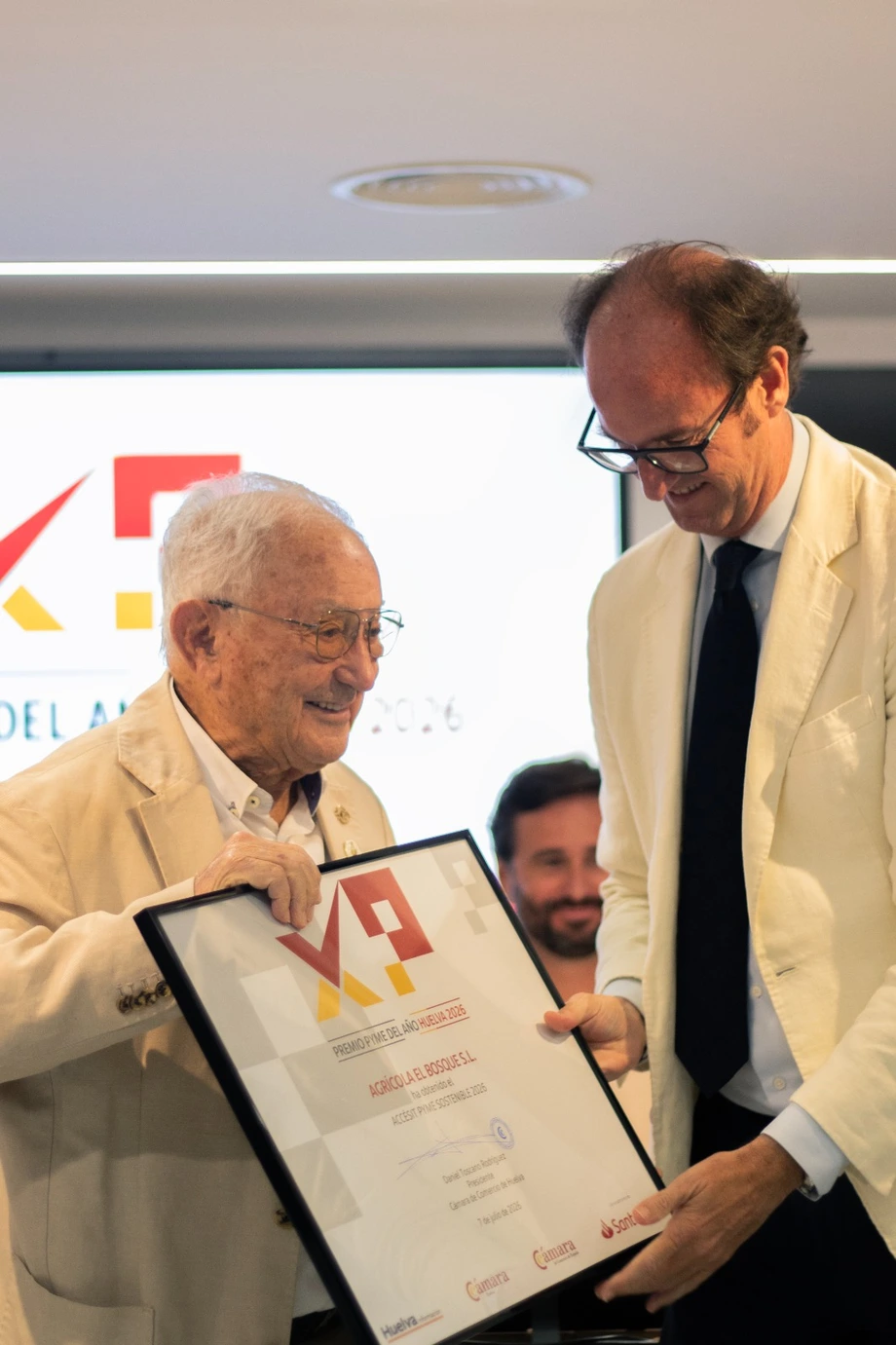 Diego Velo, Agrícola El Bosque
Berryneo received the second award. Which activities did the jury seek to recognise?
The Innovation and Digitalisation SME Award recognises our work in berry research and varietal development, as well as our use of innovation and digitalisation to address changes in the sector.
Through the Berryum breeding programme, we develop new varieties adapted to the needs of growers, consumers and international markets. The project combines extensive agronomic and production experience with genetic improvement, technological innovation and digital tools.
How did the Berryum programme originate?
Berryneo was founded in 2015 as a result of Agrícola El Bosque’s commitment to research and varietal development. The project transformed decades of experience in berry production into a specialised breeding programme.
Berryum was therefore not conceived exclusively as a scientific project. It emerged from the need to solve practical problems identified over more than 30 years of production experience.
These include dependence on external genetics, inconsistent flavour, insufficient shelf life, vulnerability during periods of oversupply and the difficulty of differentiating products in the market.
What are the main objectives of the breeding programme?
We aim to replace generic varieties with solutions capable of generating value throughout the supply chain. The programme searches for genetics that can improve productivity, organoleptic quality and logistical performance while ensuring greater profitability for growers.
A variety must meet agronomic requirements, but it must also deliver flavour, texture, shelf life and genuine commercial differentiation. Our work therefore considers the field, post-harvest performance and consumer expectations at the same time.
What are the advantages of carrying out production and research at the same location?
At Finca El Bosque, production, research and innovation operate in close contact. The production facilities also serve as validation centres, where genetic selections can be assessed under real growing conditions.
Being both breeders and growers allows us to subject varieties to extremely rigorous practical evaluation. We can directly assess productivity, quality, consistency, agronomic performance and fruit characteristics throughout the production calendar.
Validation under commercial conditions also helps us identify solutions that are not only genetically interesting but can deliver a tangible advantage to growers and other operators throughout the supply chain.
What scale has the programme reached?
Over more than ten years of genetic development, the programme has carried out extensive crossing, selection and evaluation activities. Consolidated figures report more than 140,000 crosses, over 11,000 breeding combinations and approximately 196,000 seedlings submitted for assessment.
Berryum varieties are currently grown on more than 240 hectares worldwide, with projected growth of 40%. In the 2024-2025 season, Spain accounted for 47.6% of the planted area, followed by Morocco, Portugal, Italy and Mexico.
Which berry species are currently the main focus of your research?
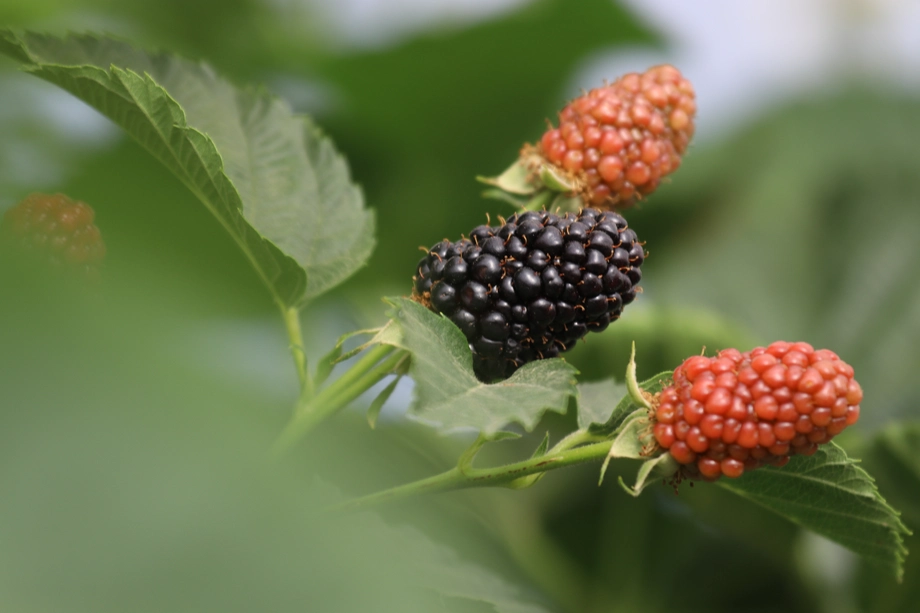
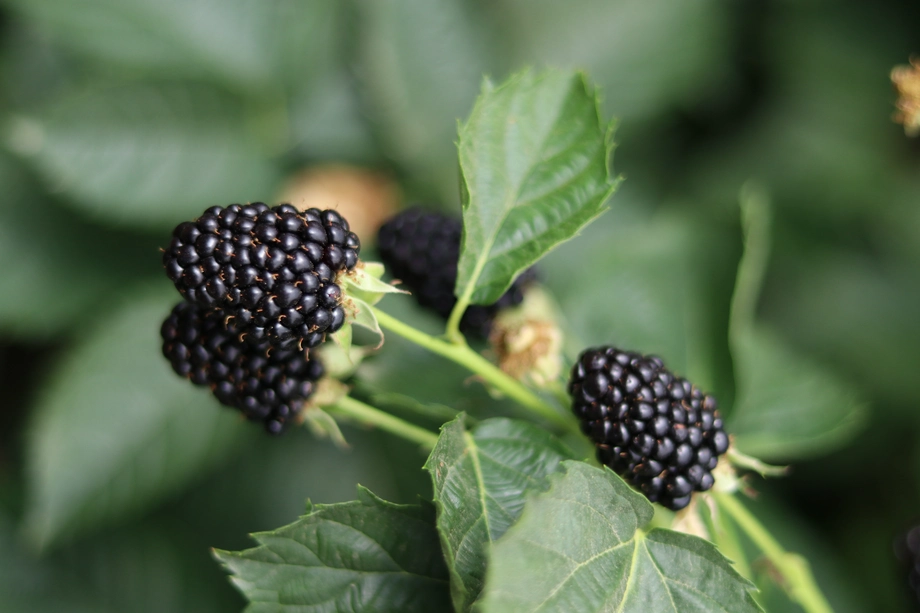
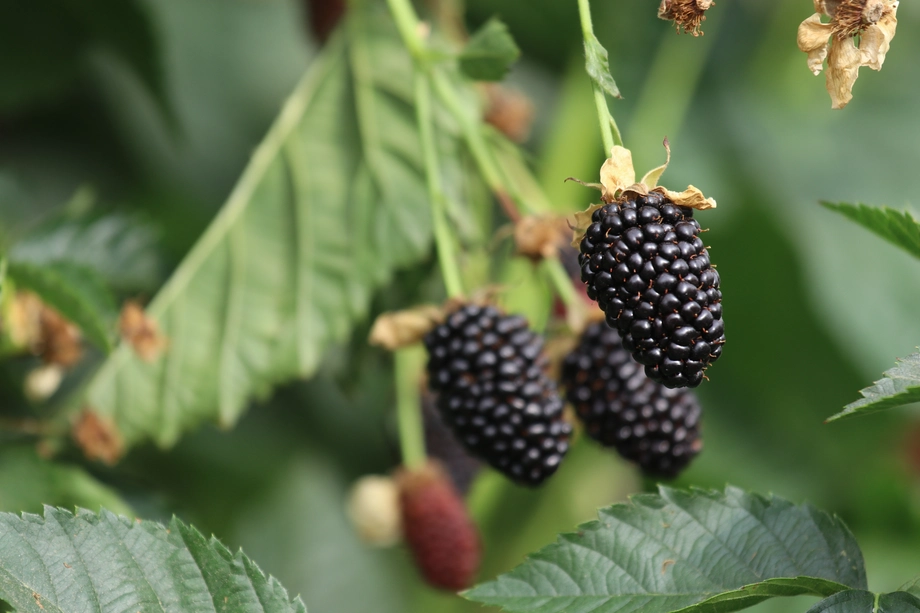
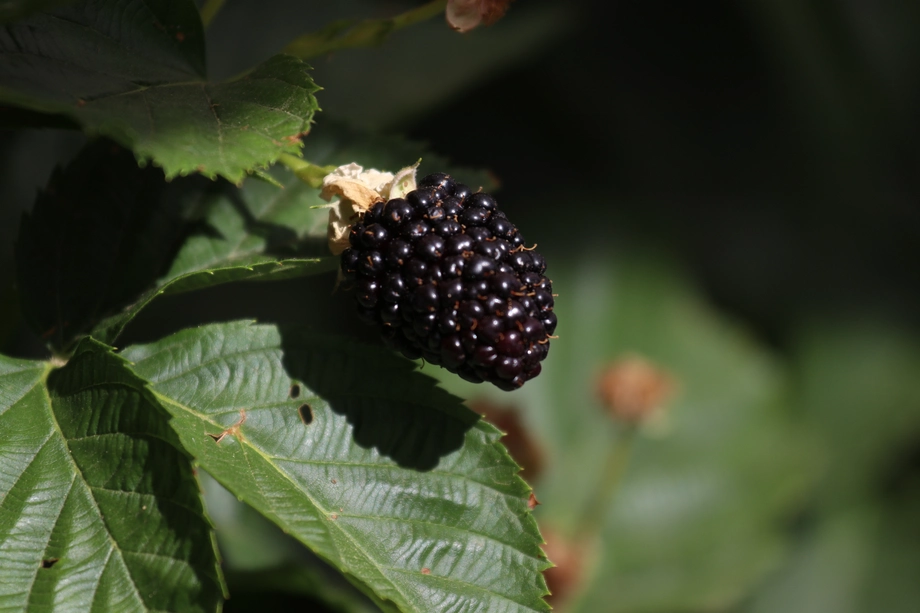
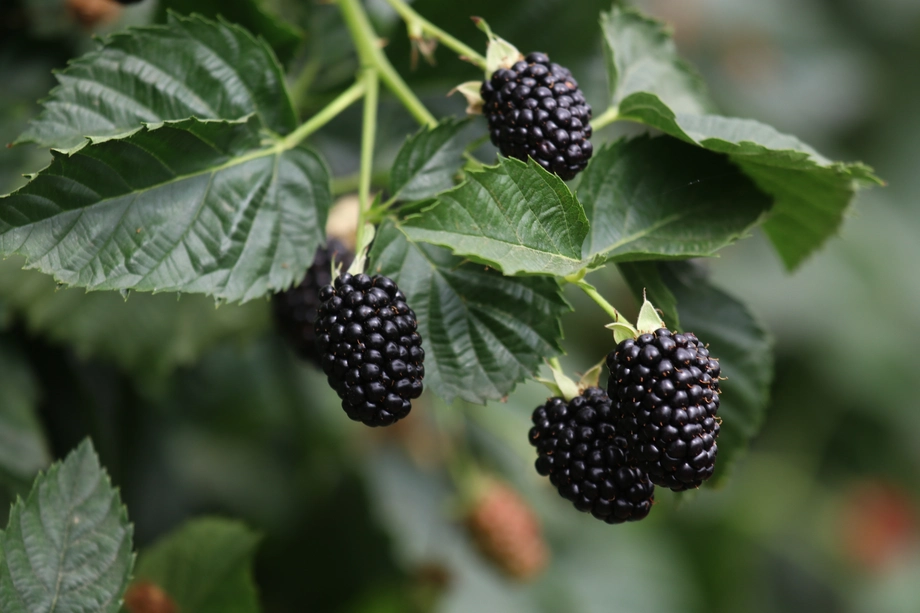
Blackberries are the programme’s main area of specialisation. The portfolio includes varieties such as Furia, Equa, Nemus, Kalika, Krola and Indra.
One of its distinctive features is the development of primocane blackberry varieties capable of producing multiple flowering and harvesting cycles. Under suitable conditions, this characteristic can extend seasonal availability while increasing the productivity and competitiveness of the offer.
We are also working on blueberries, which we consider a medium-term biological maturation project. Our strategy involves collaborating with highly experienced external growers so that each selection can be evaluated against real production requirements.
What are the prospects for the blueberry programme?
Our aim is to identify varieties characterised by organoleptic excellence and consistent performance during the market windows regarded as strategic by growers.
We plan to launch a range of four or five registered varieties over the next five years. We want to build a diverse, high-value portfolio that has been validated under different production conditions and is suitable for international markets.
What role do digitalisation and technological innovation play in breeding?
Digitalisation enables us to collect, organise and interpret the information generated during the selection process more effectively. A breeding programme must monitor large amounts of genetic material and connect agronomic, production, quality and post-harvest data.
Digital tools therefore make evaluations more rigorous and support decisions based on comparable information. Technology does not replace agronomic experience, however: it makes that experience more structured and allows it to be fully incorporated into the breeding process.
How can sustainability and varietal innovation reinforce each other?
Developing more productive, reliable varieties adapted to real growing conditions can contribute to more efficient resource use and reduce growers’ vulnerabilities. At the same time, a farming business committed to biodiversity and the efficient management of inputs provides a practical environment in which to evaluate the performance of new genetics.
For us, the challenge is to produce better, not only more. The two awards received in Huelva recognise precisely this approach: more sustainable farming supported by research, experience and knowledge.
Italian Berry – All rights reserved