









The hidden postharvest technology that protects fruit across oceans — and why a delayed shipment can change both the quality in a punnet and the balance of a season.
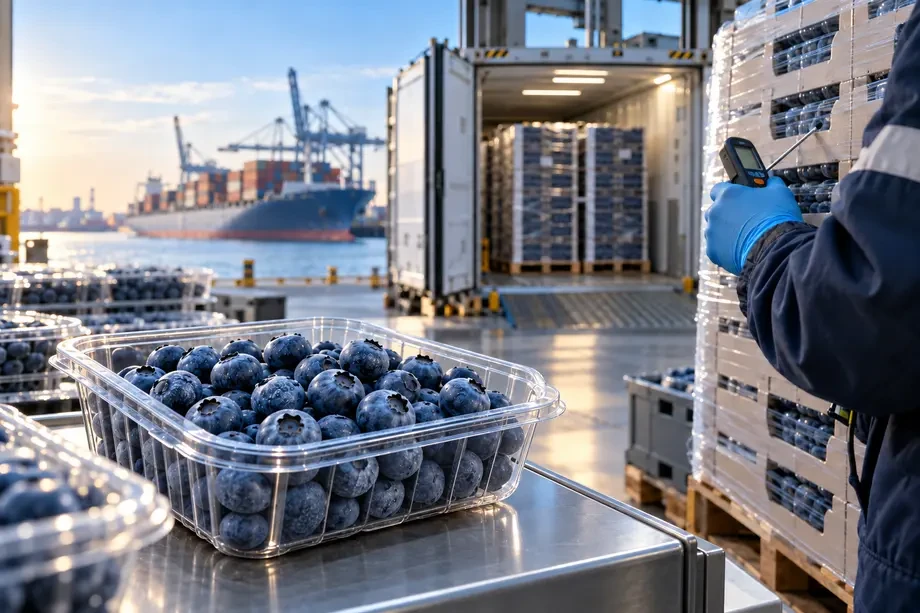
A grower can produce an excellent blueberry and still never deliver an excellent blueberry to the consumer. Between those two achievements lies another part of the industry: cooling, grading, protective packaging, treatments, monitoring and the management of a journey that may last several weeks.
During my September visit to South Africa, this less visible part of the business became the most important conversation. We discussed the European market, but also what must happen after harvest for a consignment to fulfil its commercial promise.
Questions about SO₂ sheets, temperature histories, handling instructions and customer acceptance showed how much responsibility sits between the plantation and the supermarket.
Consumers should not need to understand that machinery to enjoy their favourite berries. Nevertheless, the industry should explain it more clearly. 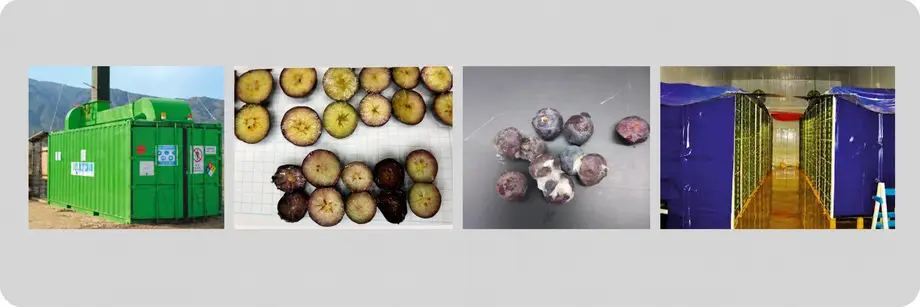
Year-round availability does not depend only on growers in different countries taking turns. It also depends on preserving their fruit during the handover between seasons.
Harvest is not the finish line. It is the start of a second, technically demanding phase.
The season on the shelf is an arrival calendar
Around the middle of July this season, I was already noticing Peruvian blueberries in the European market, earlier than I normally associate with the transition towards overseas supply.
Italian Berry's Piacenza survey on 22 July 2026 recorded Peruvian fruit alongside Polish, Romanian and late Spanish blueberries. This confirms their presence in that market, not Europe's first arrival date or a permanent change in seasonality (Italian Berry, 2026).
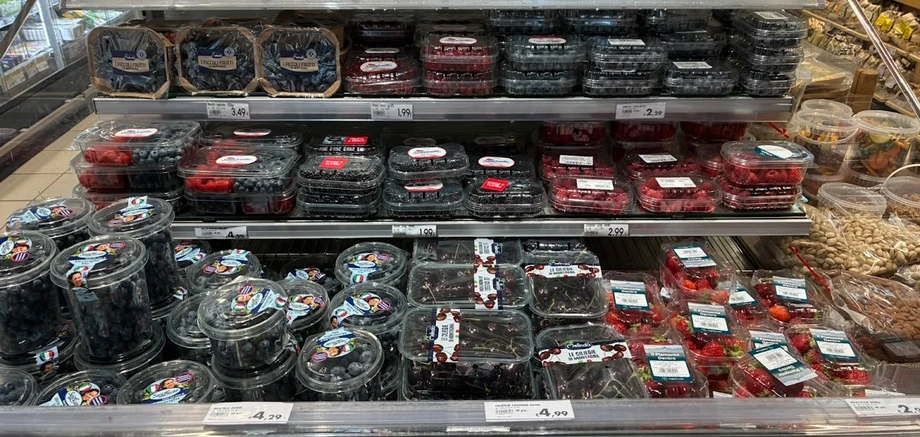
As attention turns to South African arrivals, the commercial task is to complement existing supply, maintain agreed volumes and support retail programmes.
My starting point would be the intended week of sale, working backwards through distribution, port handling, sailing and harvest. A production calendar alone cannot describe what consumers will find on the shelf.
Europe's imports also include blackberries from Mexico and Guatemala, making this relevant beyond blueberries (Centre for the Promotion of Imports from Developing Countries [CBI], 2025). The principle is shared; the acceptable journey and protective technologies are not necessarily the same.
What happens while the fruit is travelling?
A harvested berry remains biologically active. Respiration, water loss and decay continue, although refrigeration slows them. Botrytis cinerea, the fungus responsible for grey mould, can grow slowly even near 0 °C. Cooling therefore buys time; it does not stop the biological clock (Mitcham et al., 1998).
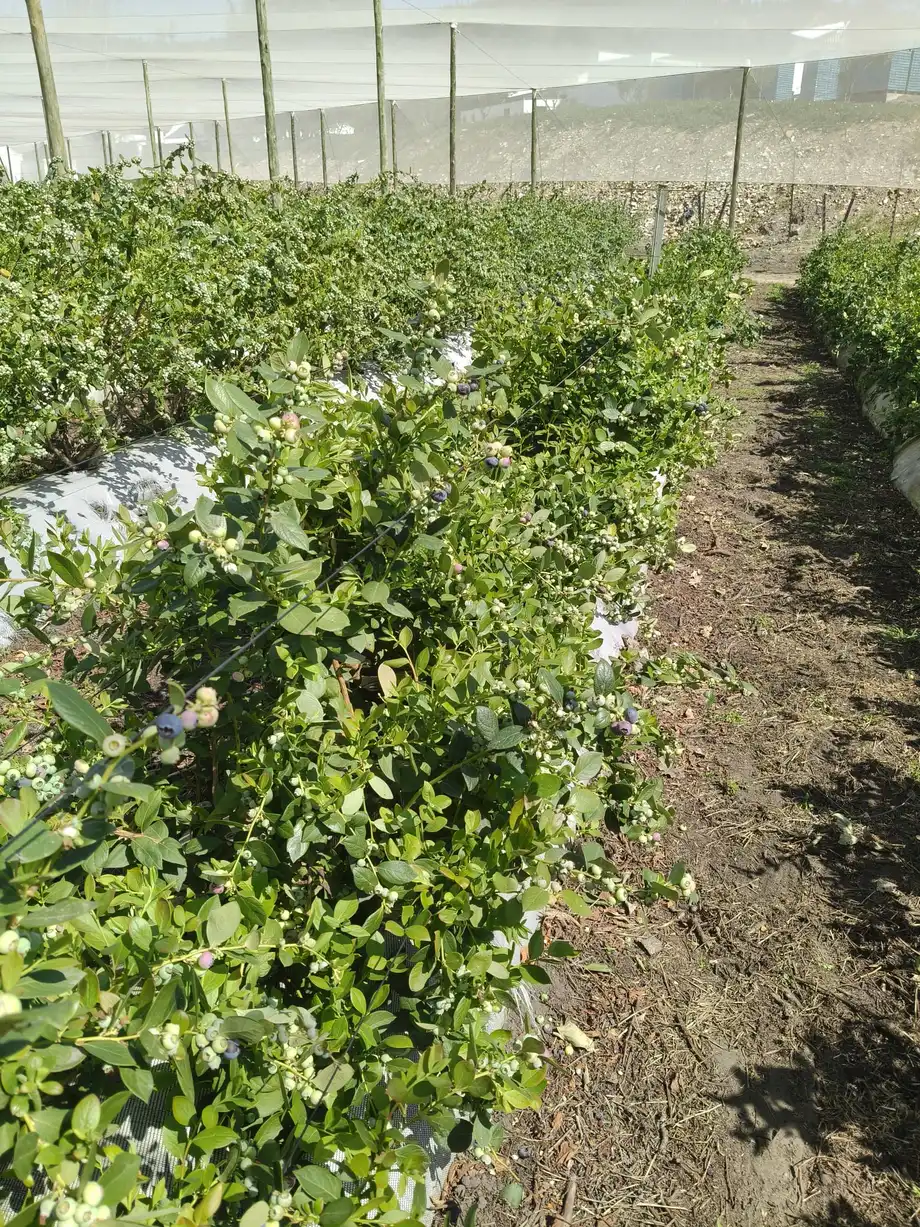
The fruit also enters the chain with a history. For an export decision, I want to know its variety, maturity, harvest conditions, handling and initial quality.
The pressures discussed in my presentation — labour shortages, rain, heat and compressed picking windows — matter here because postharvest operators cannot start from the assumption that every lot has the same potential.
Consider an illustrative journey: four days from harvest through packing, inland transport and departure; 21 days at sea; three days for arrival handling and distribution; and two days before purchase.
The consumer buys fruit that is already 30 days beyond harvest. Time at home comes afterwards. These are planning assumptions, not a standard transit time or a shelf-life recommendation.
For air freight, I would similarly count road collection, terminal handling, connections, clearance and delivery, not just the scheduled flight. A shorter line-haul journey does not remove the need to control the stages around it.
Now add a seven-day delay. The transport booking can be revised, but the fruit's elapsed time cannot. Whether the lot remains suitable depends on its condition, temperature history and validated storage programme, not simply its revised arrival date.
This is why I would assess a route against the full harvest-to-consumption period, including a realistic disruption. The question is not only whether the fruit can reach the destination. It is whether enough quality will remain for distribution, sale and enjoyment.
The first technology is effective heat removal
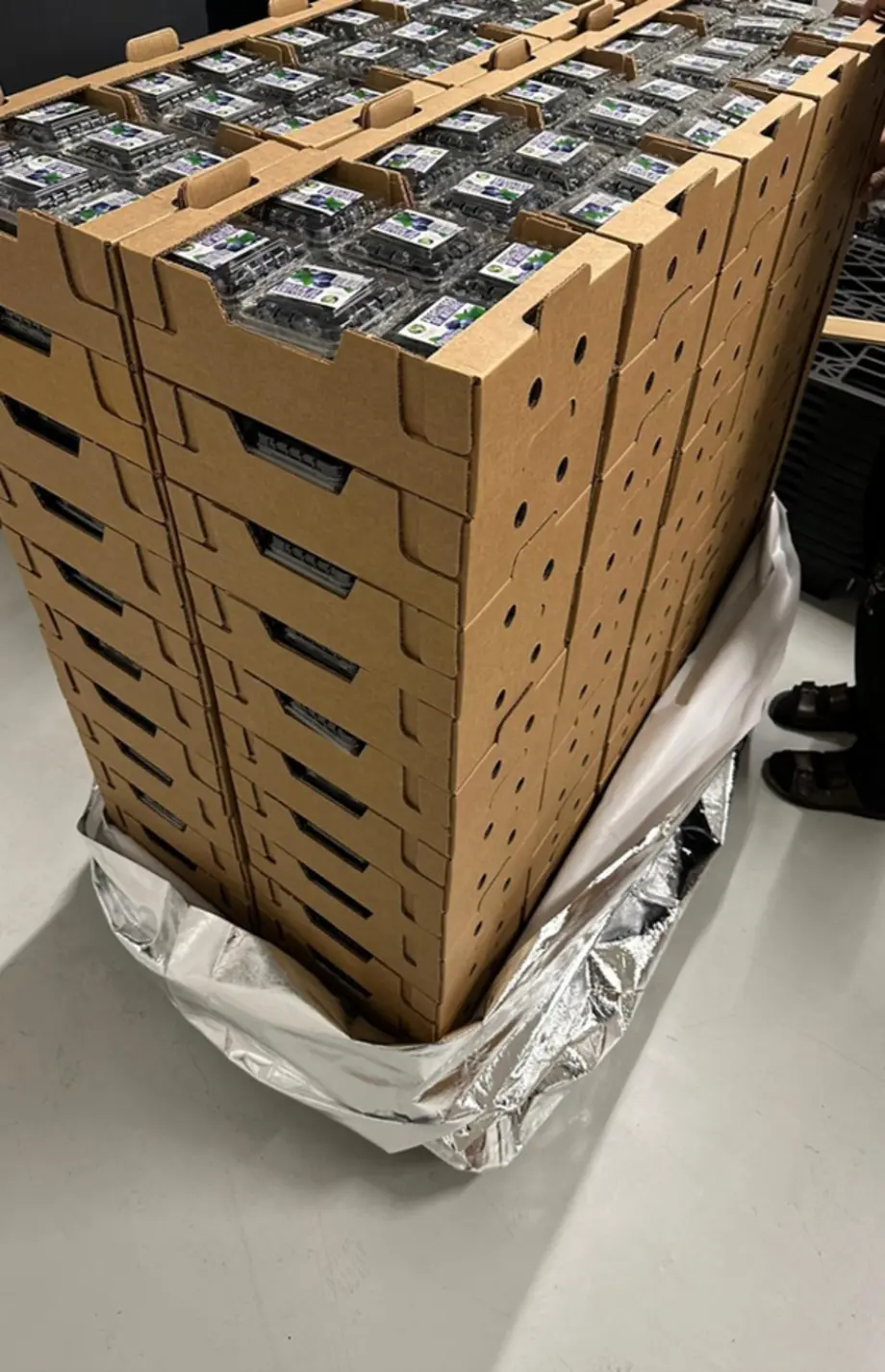
A cold room and a properly cooled pallet are not the same thing. Forced-air cooling creates a pressure difference that draws refrigerated air through the packages and around the produce. Its effectiveness depends on airflow, refrigeration capacity and the arrangement of the load (Boyette et al., 2025).
A reading beside the pallet cannot establish the temperature at its centre. My requirement would be representative fruit-temperature measurements, including positions known to cool slowly, supported by a cooling curve and a dispatch criterion. A target such as 90 minutes can be meaningful for a tested installation but should not become a universal rule for every box, liner and pallet.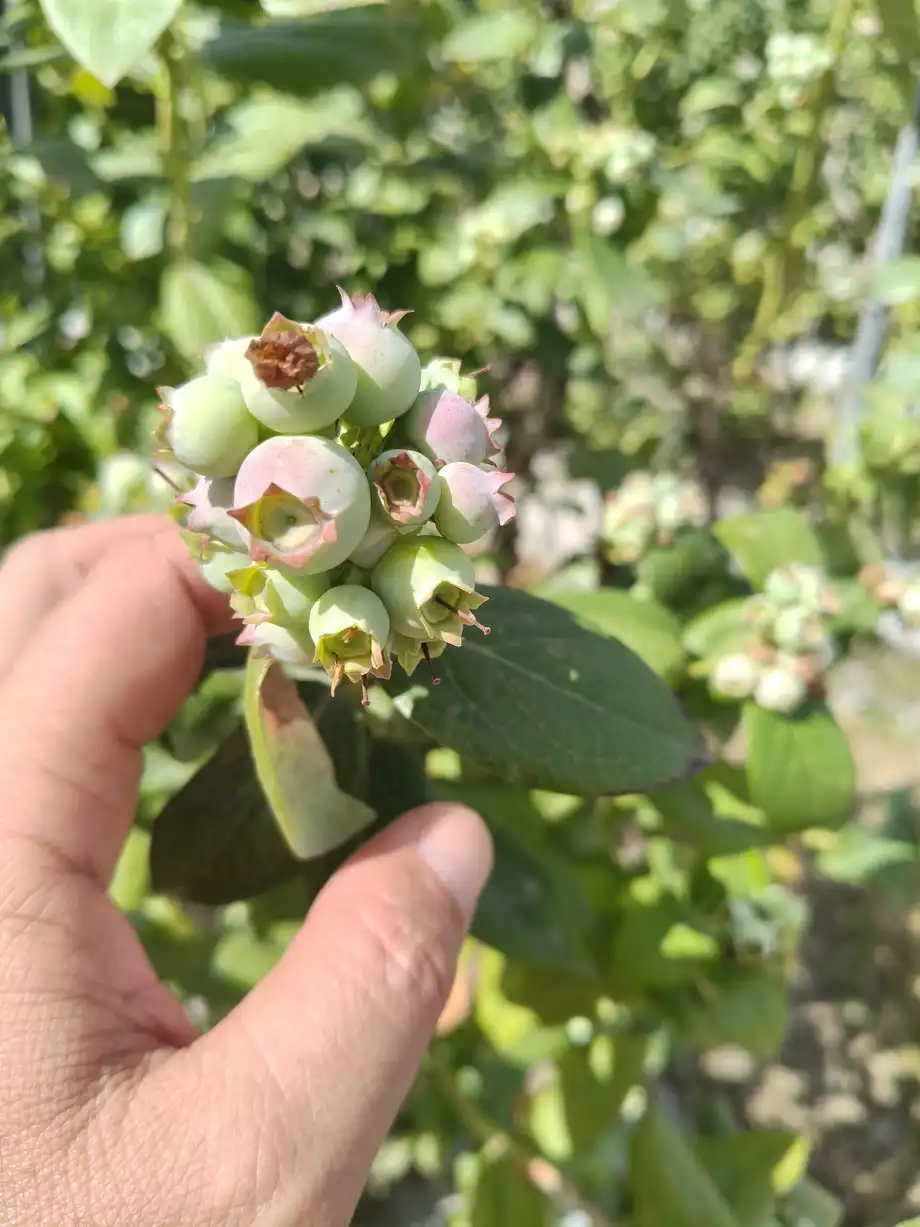
Hapag-Lloyd's handling guidance requires produce to be at transport temperature before loading and emphasises unobstructed air circulation. A refrigerated truck should therefore not be treated as a substitute for pre-cooling. Loading geometry, packaging and ventilation belong in the transport specification, not merely the warehouse instructions (Hapag-Lloyd, n.d.-b).
Humidity has a different role from temperature: suitable relative humidity limits water loss, whereas low temperature slows respiration and deterioration. High humidity should not be confused with uncontrolled condensation (Mitcham et al., 1998).
For the exporter, the important handover is consequently not "the cooling room was cold". It is "this lot met the required fruit-temperature criterion, in this packing configuration, before dispatch".
Managing the atmosphere around the berries
Refrigeration can be supplemented by controlling the gases surrounding the fruit. Controlled-atmosphere systems regulate oxygen and carbon dioxide in a storage or transport environment.
Modified-atmosphere packaging creates a different atmosphere within a package, through its design and, in some systems, initial gas flushing (Hapag-Lloyd, n.d.-a; Islam & Mitcham, 2024).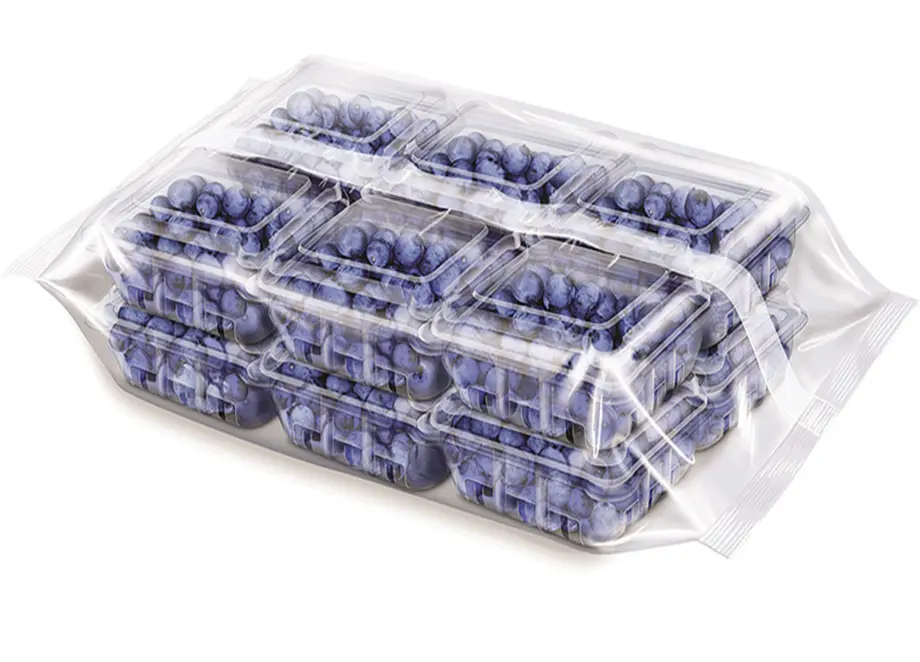
Appropriate conditions can help suppress decay and slow deterioration. However, too little oxygen or excessive carbon dioxide can produce off-flavours and physiological injury. The response depends on cultivar, temperature and exposure time (Mitcham et al., 1998).
For that reason, I would not approve an atmosphere from a gas percentage alone. The trial must represent the actual fruit, package, load and journey. A sealed liner, a ventilated liner and an uncovered pallet are different systems. Combining them with an antifungal treatment requires evidence for the combination.
The technical objective is not to remove as much oxygen or retain as much gas as possible. It is to maintain conditions that protect the fruit without compromising its eating quality.
SO₂ sheets: active packaging, not ordinary paper
Sulphur dioxide-generating sheets illustrate why the postharvest process requires specialist knowledge. They are not simply liners placed between boxes. In systems such as Berrisys®, sodium metabisulphite is incorporated between membranes; moisture activates SO₂ release. Different constructions provide faster release, slower release or a combination of both (AgroFresh, n.d.-a, n.d.-b).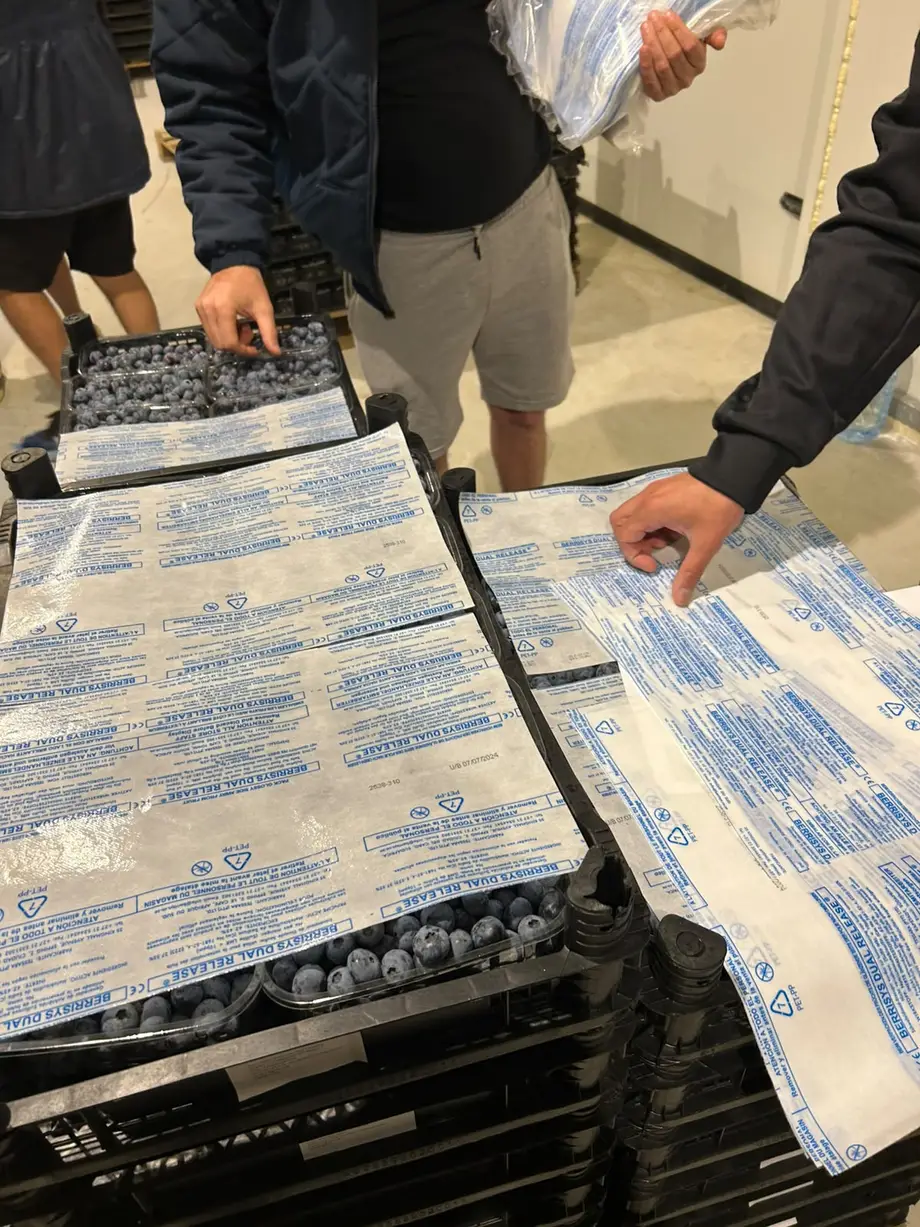
The purpose is to expose the fruit to an antifungal gas, particularly to limit grey mould and its spread. A faster phase and sustained low-level release perform different functions. They must be matched to the intended packing system rather than selected only by sheet size or purchase price (AgroFresh, n.d.-a).
Independent research shows the potential and the limits. Saito and Xiao (2017) obtained strong grey-mould control with a dual-release pad during five weeks at 1 °C, but more than 20% of berries in that treatment developed bleaching and the fruit softened.
Their slow-release-pad and modified-atmosphere combination offered a more promising balance under those conditions. This is not a verdict against all dual-release products; it demonstrates that fungal control alone is an incomplete measure of success.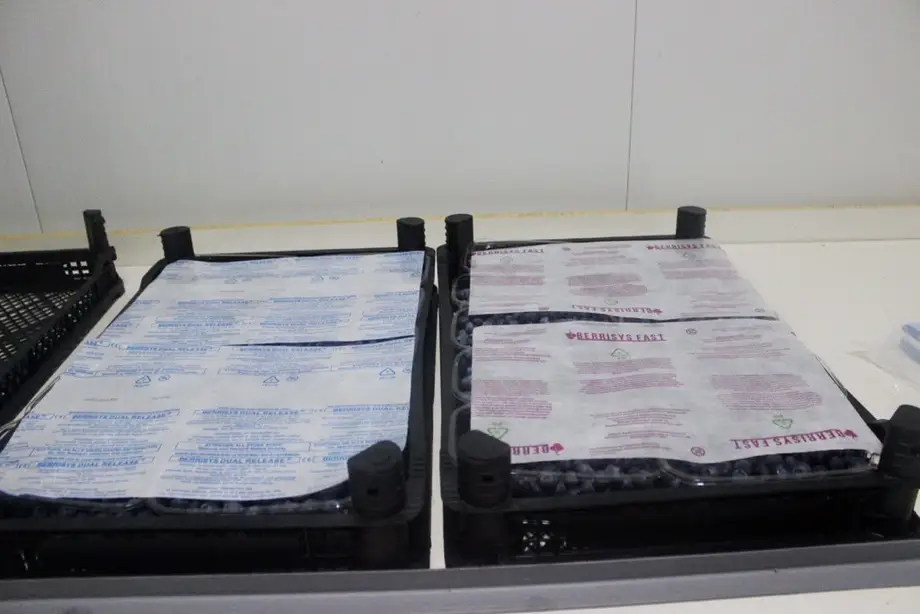
Saito et al. (2020) subsequently evaluated SO₂-emitting liners across five cultivars over two years. The liners reduced decay, while packaging ventilation influenced water loss and treatment performance. Bleaching was not observed in those trials. The relevant unit of validation was the fruit-and-packaging system, not SO₂ in isolation.
For an exporter, that means specifying the correct product, fruit quantity, liner or any other protection, ventilation and intended duration together. The supplier's claimed period of activity must not be read as a guarantee that every lot will retain acceptable quality for that long. A sheet can remain active while another quality attribute becomes unacceptable.
Preventing mould is essential. Delivering fruit that still tastes and feels right is the wider objective.
Gas treatment and in-pack release are different operations
SO₂ can also be applied as a controlled postharvest gas treatment. Research coordinated through the IR-4 Project examined compressed-gas application in fumigation chambers and metabisulphite pads in fruit containers, separately and in combination. These are different delivery methods, each requiring its own validation (Ross, 2023).
Rivera et al. (2013) demonstrated the importance of gas concentration and exposure time in blueberry grey-mould control, including pallet-scale trials. They measured exposure at different positions, recognising that the treatment delivered to the fruit matters more than the amount nominally introduced into an enclosure.
A chamber treatment provides a defined exposure before the next stage of handling. In-pack release can continue during storage and transport. Combining them is not automatically better: the complete exposure pattern, quality response and residues must be assessed together. A result obtained on table grapes is not sufficient validation for blueberries.
This is also worker protection, not just fruit protection. SO₂ is hazardous by inhalation and can irritate the eyes and respiratory system (National Institute for Occupational Safety and Health [NIOSH], 2019). There is no justification for improvising a treatment because a shipment is urgent.
South Africa: the instructions are part of the technology
The discussions during my visit made these distinctions practical. Operators wanted to understand storage of unused sheets, resealing opened packs, expiry control and whether the correct instructions had reached the packhouse through the distributor. These were not secondary questions: they concerned how the purchased technology was being used.
The lesson I take from this is that a product specification must become an operating procedure. Staff need to know the approved configuration, how materials are stored, when a batch cannot be used and what to do after a deviation. 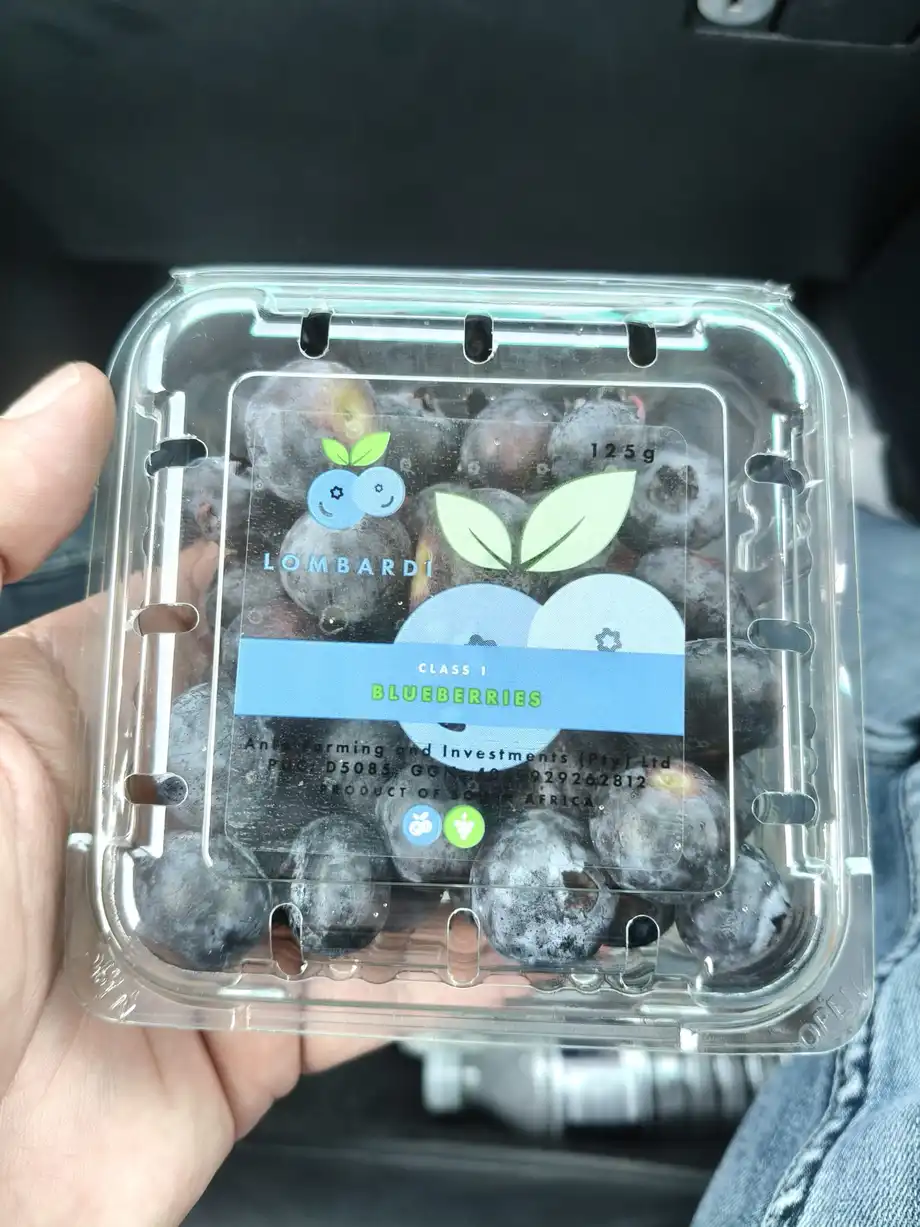
Any extension beyond a labelled expiry date should require documented, batch-specific justification from the responsible supplier.
A packaging substitution, an added liner or a different absorbent layer should be assessed before implementation. A small purchasing decision can change a system that was previously validated. The supplier, distributor and operator all have a role in preventing that gap.
Exposure, residues and contamination must not be confused
Monitoring must answer distinct questions. A gas sensor measures SO₂ in the atmosphere. A passive dosimeter can indicate exposure accumulated over time. A laboratory residue test measures the relevant substances remaining in the fruit. These measurements are related, but they are not interchangeable (Rivera et al., 2013; Ross, 2023).
For example, ppm measured in a gas environment is not the same measurement as mg/kg in fruit. A gas reading cannot establish compliance with a residue specification. Nor can one reading near a door, establish exposure throughout a load.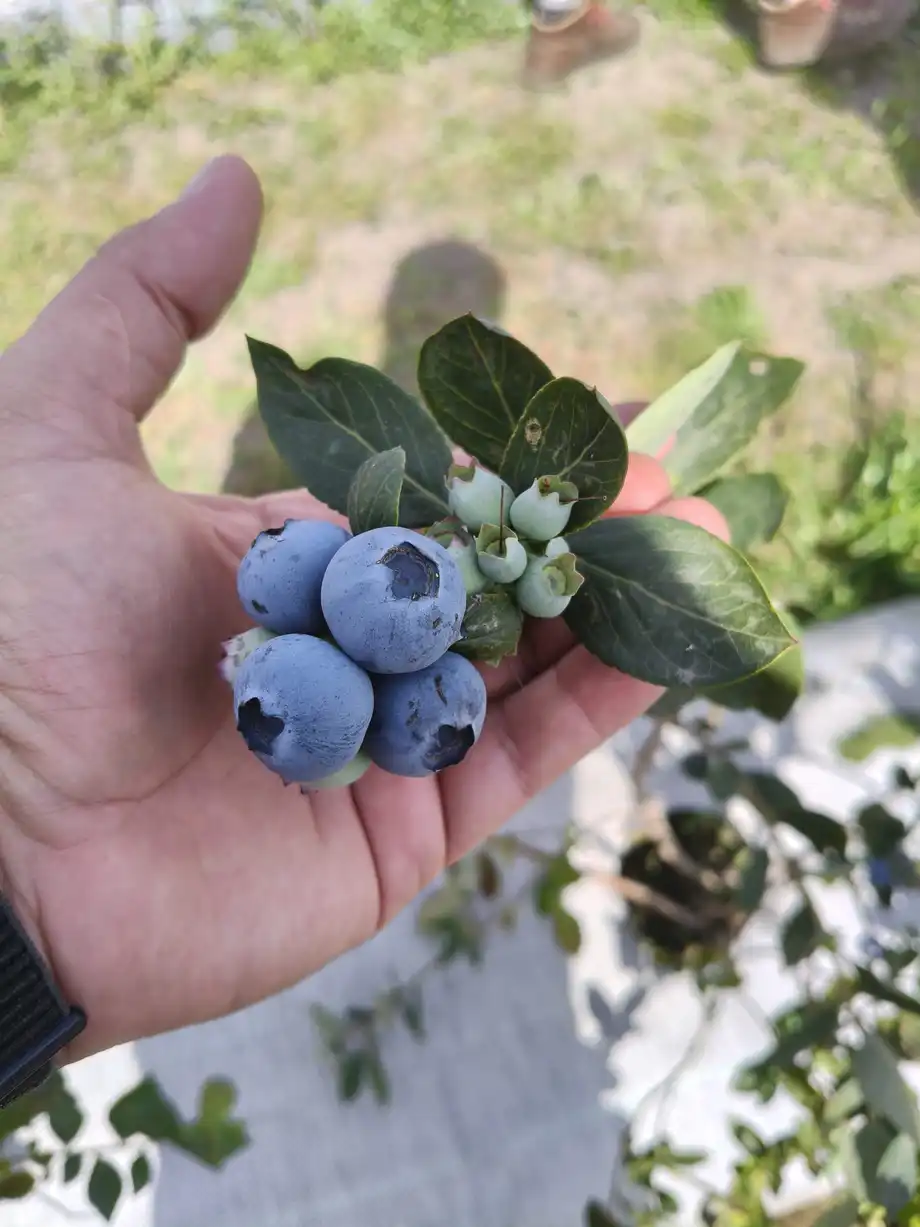
The idea of simple colour-changing indicators is developing, proving they are calibrated for the application. Detector instructions themselves specify limits for temperature, humidity, exposure duration and interfering gases (Gastec Corporation, n.d.). An indicator designed for hours cannot simply be assumed to validate a multiweek voyage. It should complement, not replace, fruit testing and process records.
For EU-bound fruit, pesticide maximum residue levels must be met. An MRL is a legal limit linked to the correct use of a pesticide, not a declaration that every possible hazard has been excluded. Buyers can impose additional specifications, so exporters must establish both the legal requirements and the intended customer's conditions before treatment and dispatch (European Commission, n.d.-b; CBI, 2025).
Active food-contact materials introduce further obligations under Regulation (EC) No 450/2009. An antifungal effect does not, on its own, establish that a particular product, released substance or use is authorised for the intended market (European Commission, 2009).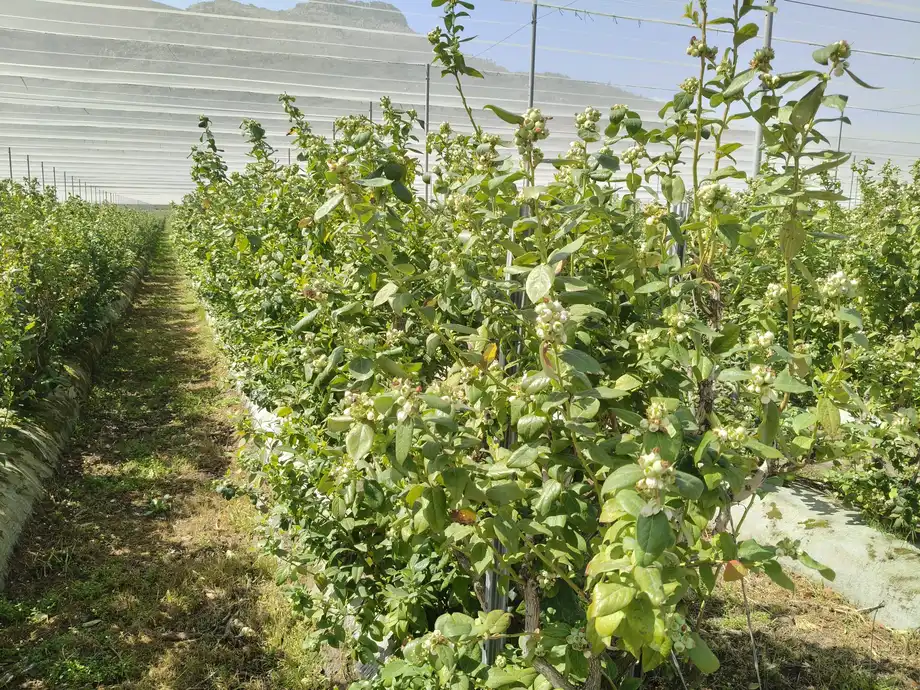
Sulphites use deserve clarity. EU food-information rules include sulphur dioxide and sulphites above 10 mg/kg or 10 mg/litre, expressed as total SO₂ in the ready-to-consume product, within mandatory allergen-information requirements.
This is not a universal pesticide MRL or blanket permission to use SO₂ below that concentration (European Parliament & Council of the European Union, 2011).
As so, unexplained deposits on berries is a separate issue requiring identification and assessment. Likewise, a treatment validated against Botrytis is not automatically validated against human pathogens.
The FDA's berry prevention strategy addresses hepatitis A and norovirus and stresses consistent preventive practices across the chain (U.S. Food and Drug Administration, 2025). Sound hygiene, suitable water and clean handling cannot be replaced by an antifungal sheet.
A delay changes the protection requirement
Additional days extend the time during which the lot must retain acceptable quality. A delay under stable, validated conditions is not equivalent to one involving warming, repeated handling and a disrupted atmosphere.
The expected quality at destination must be reassessed from the actual history, not from the original booking.
Extra time can increase water loss and shrivelling even when fungal growth is suppressed. SO₂-liner research evaluated decay control and moisture retention as different outcomes (Saito et al., 2020). 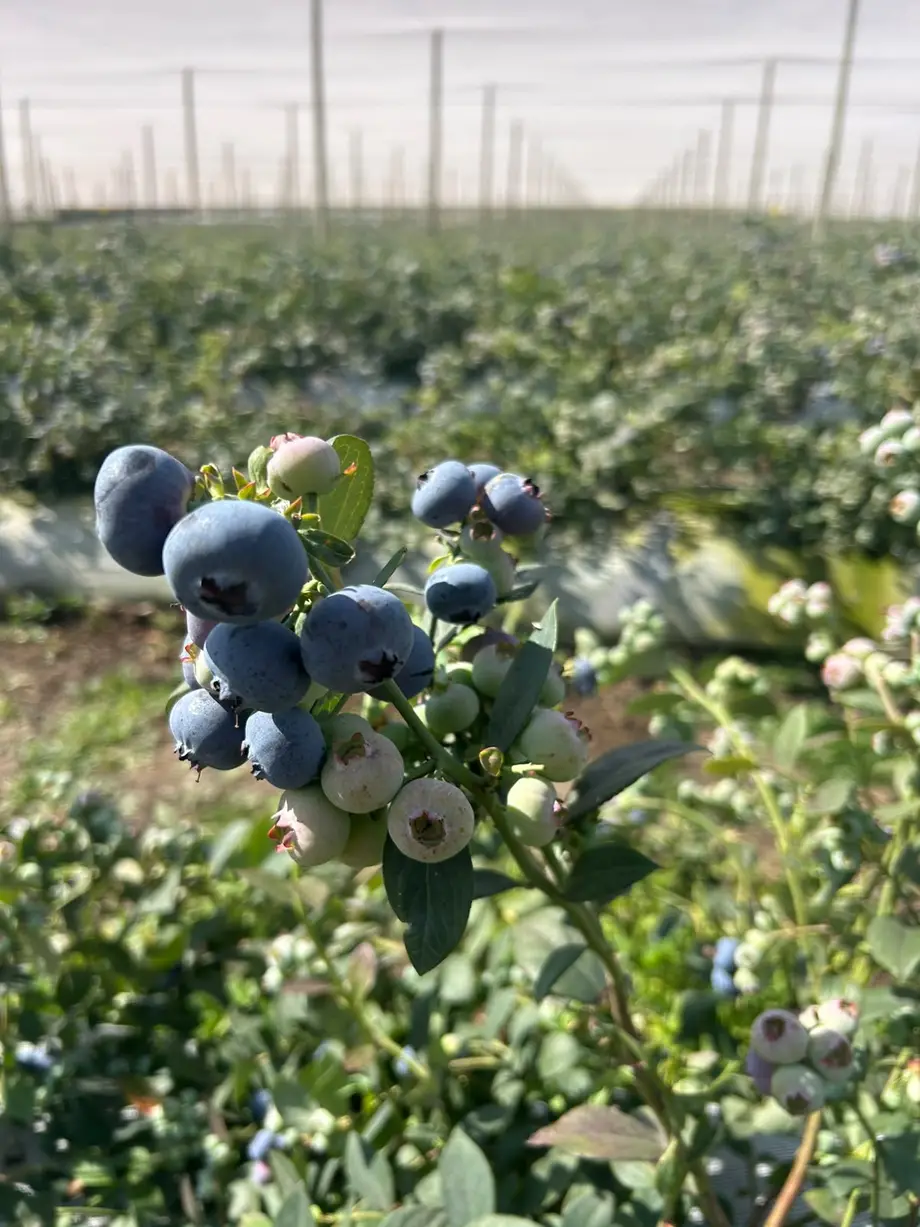
A lot may therefore remain free of obvious mould without retaining the appearance or texture required by the customer.
That reassessment should include the treatment system. Does the remaining journey still fall within the validated programme? Has an active pack been opened or replaced? Is its gas environment still appropriate?
It is unsafe to assume that a longer journey can be corrected by simply adding another sheet or repeating a gas treatment.
There is also a difference between arriving sound and remaining sound. My validation would include the intended transport period followed by a defined distribution and retail simulation. It would measure decay, firmness, shrivelling, leakage, treatment injury and eating quality, with appropriate residue testing. A cold-store photograph is not an adequate commercial endpoint.
Retained reference samples can help, but their storage history must be recorded: fruit kept continuously in an ideal cold room is not proof of how the shipped lot performed. The destination inspection and subsequent retail-life assessment remain necessary.
When delayed shipments arrive together
A delay does more than age one consignment. It can disrupt the balance between origins and selling weeks.
Consider a hypothetical programme expecting 100 tonnes each week for three weeks. If the first two consignments are delayed and all three become available in the third week, receiving capacity faces 300 tonnes instead of 100. Seasonal volume has not increased, but two weeks of shortage have been followed by a concentrated arrival.
Assuming unchanged demand and no alternative outlet, the importer now has more fruit to sell quickly, while the earlier lots have already spent longer in transit. This can create pressure for markdowns, additional grading and accelerated distribution. It is a commercial scenario, not a prediction that every delayed season will produce the same price movement.
The complication becomes greater when delayed fruit from one origin meets an on-time programme from another, or cargo diverted from a different destination. What was intended as seasonal complementarity can become competition within the same week. Physical arrivals may be abundant while fruit suitable for a premium programme is scarce.
Redirection also needs a compliance check, not just a buyer. Great Britain and the EU can apply different pesticide MRLs, while EU MRLs apply in Northern Ireland (Health and Safety Executive, n.d.). The fruit's treatment history, packaging and customer specifications must remain compatible with the new destination.
Shipping cut-offs consequently belong in commercial planning. Maersk distinguishes container gate-in, shipping instructions and verified-gross-mass deadlines; missing one can undermine an otherwise well-prepared programme (Maersk, n.d.).
My recommendation is to manage expected arrival date, condition, remaining validated life and committed sales together. A promotion should be based on fruit likely to be available and acceptable, not simply tonnes already loaded overseas.
When delays emerge, early adjustments to allocation and marketing are more useful than discovering the mismatch after unloading.
The same principle, different berries
Blueberries provide the main example, but preservation must remain fruit specific. In blackberries, transport-like vibration can induce red drupelet reversion, with differing cultivar susceptibility. An antifungal treatment cannot be assumed to prevent this appearance defect; handling and packaging need their own assessment (Flores-Sosa et al., 2022).
For raspberries, leakage, loss of structure and decay sharply constrain the commercial period. Islam and Mitcham (2024) found that elevated-CO₂ atmospheres maintained good quality for up to ten days under their experimental conditions, compared with marked deterioration after about five days in air. That result supports a tested raspberry programme, not a universal ten-day allowance.
In strawberries, prompt cooling, injury prevention and suitable CO₂-enriched shipment conditions remain important foundations (Mitcham et al., 1996). Their acceptance test must also include flavour, colour and texture. A successful blueberry protocol is not automatically a strawberry protocol.
Other technologies, including UV-C, aqueous ozone and cold plasma, have shown potential in blueberry research (Zhou et al., 2019). Their commercial value still needs demonstration at realistic throughput, under the intended route and regulatory conditions. The useful question is which problem a technology solves, not how many technologies can be added to the line.
The final destination is the consumer, not the port
The grower creates the fruit's potential, but the packhouse, technology supplier, carrier, importer and retailer must preserve it. Recognising that work means recognising shared responsibility, not making the grower answer for every event after dispatch.
A practical programme should connect harvest identity, cooling records, treatment and packaging batches, transport history and destination checks.
It should also define who acts when a deviation occurs. A temperature alarm has limited value when nobody is authorised to change the plan.
At destination, I would prioritise lots according to condition and remaining validated life, rather than arrival order alone. Any repacking or change of atmosphere belongs in the assessment.
A safe lot with a shorter quality window may need faster sale; a lot that fails safety or legal requirements cannot simply be diverted to a less demanding customer (European Commission, n.d.-a).
Consumers do not need a technical lecture beside the shelf. They should expect safe berries, good flavour and reasonable value. But a clearer account of the journey would show that a punnet arriving from the other side of the world represents more than successful farming. It represents a sequence of controlled operations, trained people and decisions taken against deadlines.
That is the less visible industry I encountered in South Africa: not a single sheet or treatment, but the knowledge required to use protection correctly and keep it connected to logistics and the market.
The objective is not to keep berries travelling for as long as possible. It is to deliver them while they still have enough quality left to be enjoyed.
References
AgroFresh. (n.d.-a). Berrisys. Retrieved September 14, 2026, from https://www.agrofresh.com/solutions/berrisys/
AgroFresh. (n.d.-b). Keeping berries fresher for longer [Berrisys product catalogue]. https://www.agrofresh.com/wp-content/uploads/2024/10/Berrisys-Catalogue.pdf
Boyette, M., Simmons, C., Merck, A., & Grieger, K. (2025, May 1). Chapter 3a. Forced-air cooling. NC State Extension. https://content.ces.ncsu.edu/introduction-to-the-postharvest-engineering-for-fresh-fruits-and-vegetables/3a-forced-air-cooling
Centre for the Promotion of Imports from Developing Countries. (2025, October 2). Entering the European market for raspberries and blackberries. https://www.cbi.eu/market-information/fresh-fruit-vegetables/raspberries-and-blackberries/market-entry
European Commission. (n.d.-a). Food law general requirements. Retrieved September 14, 2026, from https://food.ec.europa.eu/horizontal-topics/general-food-law/food-law-general-requirements_en
European Commission. (n.d.-b). Maximum residue levels. Retrieved September 14, 2026, from https://food.ec.europa.eu/plants/pesticides/maximum-residue-levels_en
European Commission. (2009). Commission Regulation (EC) No 450/2009 of 29 May 2009 on active and intelligent materials and articles intended to come into contact with food. Official Journal of the European Union, L 135, 3–11. https://eur-lex.europa.eu/eli/reg/2009/450/oj/eng
European Parliament & Council of the European Union. (2011). Regulation (EU) No 1169/2011 of 25 October 2011 on the provision of food information to consumers. Official Journal of the European Union, L 304, 18–63. https://eur-lex.europa.eu/eli/reg/2011/1169/2025-04-01/eng
Flores-Sosa, A. R., Fabela-Gallegos, M. J., Cruz-Acevedo, M. E., Rivera-Pastrana, D. M., Nava, G. M., & Mercado-Silva, E. M. (2022). A portable vibration system to induce and evaluate susceptibility to red drupelet reversion in blackberry cultivars. Horticulturae, 8(7), Article 631. https://doi.org/10.3390/horticulturae8070631
Gastec Corporation. (n.d.). Instructions for No. 5DH sulphur dioxide passive dosi-tube. https://www.gastec.co.jp/files/user/asset/pdf/en/instructionmanual/en/5DH.pdf
Hapag-Lloyd. (n.d.-a). Controlled atmosphere. Retrieved September 14, 2026, from https://www.hapag-lloyd.com/en/services-information/cargo-fleet/reefer/controlled-atmosphere.html
Hapag-Lloyd. (n.d.-b). Reefer cargo handling. Retrieved September 14, 2026, from https://www.hapag-lloyd.com/en/services-information/cargo-fleet/reefer/cargo-handling.html
Health and Safety Executive. (n.d.). Maximum residue levels (MRLs) and import tolerances: Overview. Retrieved September 14, 2026, from https://www.hse.gov.uk/pesticides/mrls/index-overview.htm
Islam, M. R., & Mitcham, E. (2024). Extending raspberry shelf life and maintaining postharvest quality with CO₂ atmospheres. Horticulturae, 10(10), Article 1092. https://doi.org/10.3390/horticulturae10101092
Italian Berry. (2026, July 23). Berries in Piacenza: Italian blueberry season ends as foreign supply expands across retail stores. https://italianberry.it/en/news/berries-piacenza-italian-blueberries-poland-romania-peru-retail
Maersk. (n.d.). How can I find out the vessel cut-off time? Retrieved September 14, 2026, from https://www.maersk.com/support/faqs/how-can-i-find-out-the-vessel-cut-off-time
Mitcham, E. J., Crisosto, C. H., & Kader, A. A. (1996, August). Strawberry. University of California, Davis, Postharvest Research and Extension Center. https://postharvest.ucdavis.edu/produce-facts-sheets/strawberry
Mitcham, E. J., Crisosto, C. H., & Kader, A. A. (1998, August). Bushberries. University of California, Davis, Postharvest Research and Extension Center. https://postharvest.ucdavis.edu/produce-facts-sheets/bushberry
National Institute for Occupational Safety and Health. (2019, October 30). NIOSH pocket guide to chemical hazards: Sulfur dioxide. Centers for Disease Control and Prevention. https://www.cdc.gov/niosh/npg/npgd0575.html
Rivera, S. A., Zoffoli, J. P., & Latorre, B. A. (2013). Determination of optimal sulfur dioxide time and concentration product for postharvest control of gray mold of blueberry fruit. Postharvest Biology and Technology, 83, 40–46. https://doi.org/10.1016/j.postharvbio.2013.03.007
Ross, H. (2023, January 23). EPA approves post-harvest tolerance for blueberry growers. The IR-4 Project. https://www.ir4project.org/news/epa-approves-post-harvest-products-for-blueberry-growers/
Saito, S., Obenland, D., & Xiao, C.-L. (2020). Influence of sulfur dioxide-emitting polyethylene packaging on blueberry decay and quality during extended storage. Postharvest Biology and Technology, 160, Article 111045. https://doi.org/10.1016/j.postharvbio.2019.111045
Saito, S., & Xiao, C.-L. (2017). Evaluation of sulfur dioxide-generating pads and modified atmosphere packaging for control of postharvest diseases in blueberries. Acta Horticulturae, 1180, 123–128. https://doi.org/10.17660/ActaHortic.2017.1180.17
U.S. Food and Drug Administration. (2025, January 17). FDA releases prevention strategy for the control of enteric viruses in berries. https://www.fda.gov/food/hfp-constituent-updates/fda-releases-prevention-strategy-control-enteric-viruses-berries
Zhou, D., Wang, Z., Tu, S., Chen, S., Peng, J., & Tu, K. (2019). Effects of cold plasma, UV-C or aqueous ozone treatment on Botrytis cinerea and their potential application in preserving blueberry. Journal of Applied Microbiology, 127(1), 175–185. https://doi.org/10.1111/jam.14280
Jorgue Duarte | Hortitool Consulting
Italian Berry – All rights reserved