







Naturipe and MBG Marketing are investing in a long-term blueberry breeding program in Grand Junction, Michigan, to develop new varieties with improved flavor, texture, shelf life and productivity.
According to Brian Bocock, CEO of MBG Marketing, some of the varieties currently under development may not reach supermarket shelves for another 15 years, reflecting the complexity and duration of the breeding process.
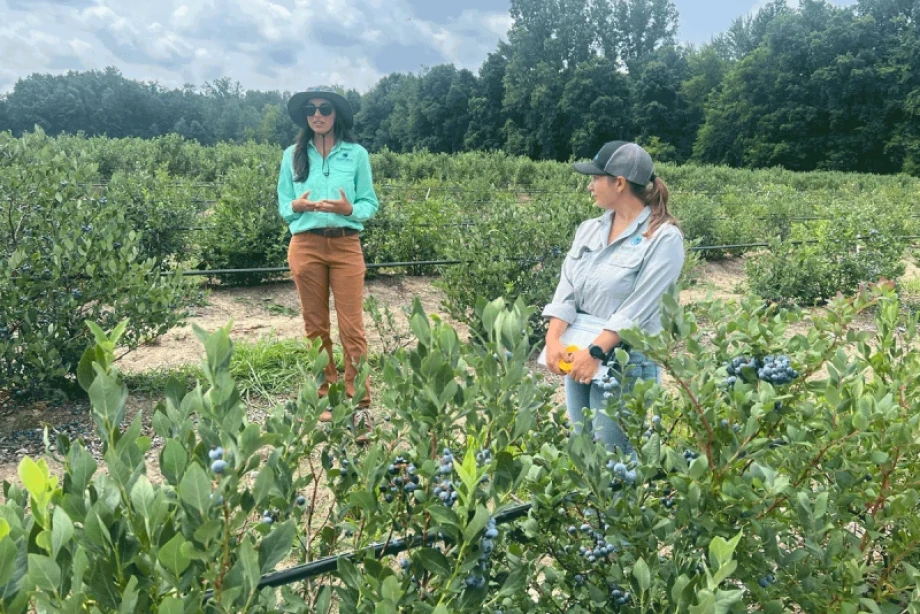
Led by plant breeding manager Julie Cromie, Naturipe's team conducts approximately 100 crosses each year, generating genetically unique seedlings that undergo extensive field trials and sensory evaluations.
Each selection is assessed against 60 different traits, divided between consumer preferences and growers' production requirements.
Blueberry breeding and selection in Michigan
The program includes northern and southern highbush blueberries, adapted to different climatic conditions, with the goal of identifying three to five advanced selections.
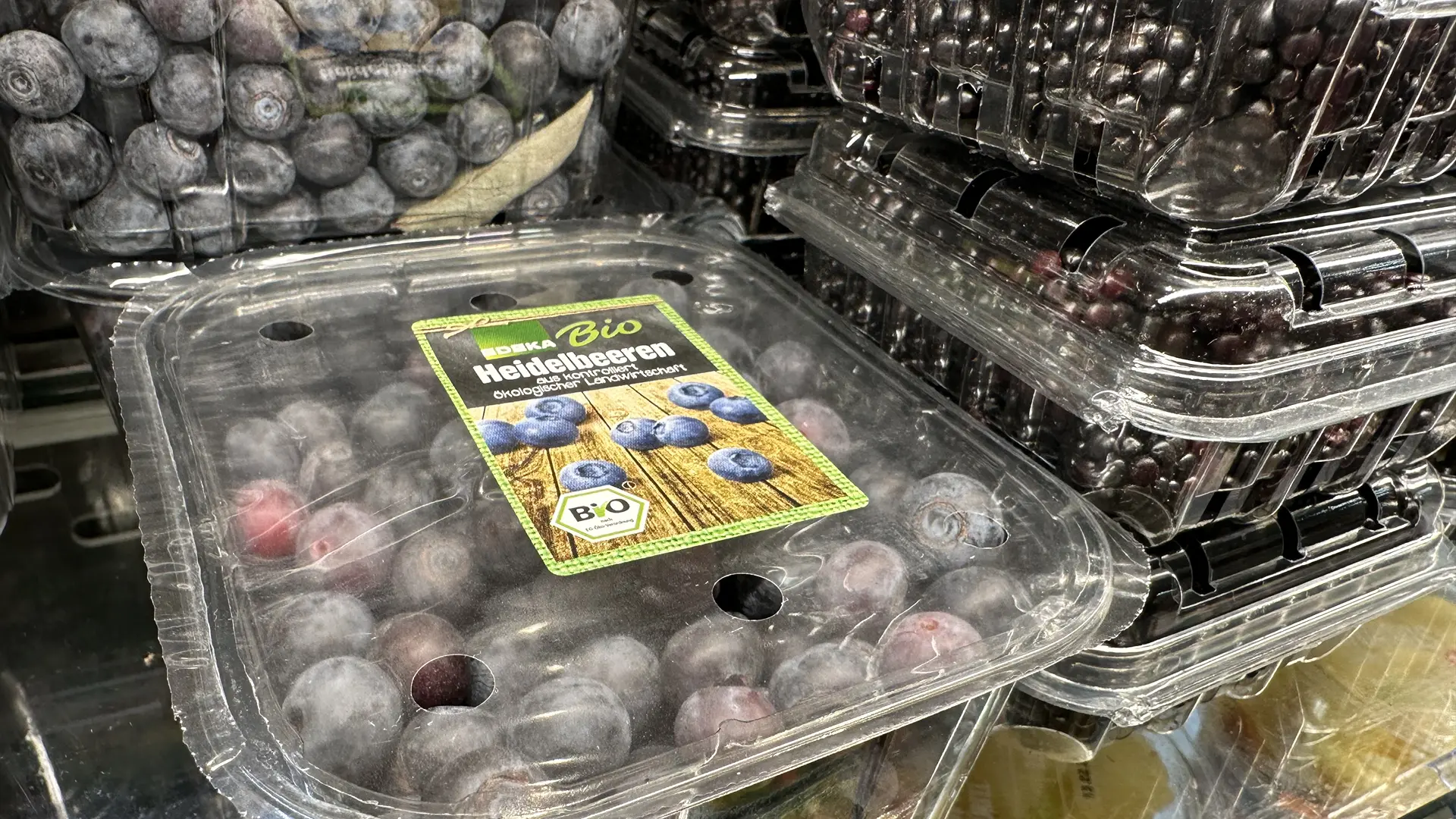
A major priority is developing crunchier, firmer and longer-lasting blueberries that deliver a consistent eating experience.
Researchers evaluate sugar and acid content, fruit firmness, storage performance and picking scars, which can affect water loss and susceptibility to mold.
These characteristics are particularly important for retailers and consumers seeking high-quality berries with extended refrigerator shelf life.
Innovative flavors through natural breeding
Beyond traditional sweetness, Naturipe is exploring innovative blueberry flavor profiles through natural breeding rather than genetic modification.
The team has already developed selections featuring mango and peach notes, while future possibilities include passion fruit, pineapple, cinnamon and other distinctive flavors.
Such innovations could create new market opportunities and transform blueberries into a more diverse and exciting product category.
However, consumer appeal must be balanced with economic sustainability for growers.
High yields and economic sustainability for growers
Lance Fritz, owner of Brookside Farms in Michigan, emphasizes the importance of high yields, winter hardiness, efficient harvesting and suitable plant architecture.
Growers also need varieties that distribute production more evenly throughout the season, maintain firmness during packing and transportation, and remain competitive with other blueberry-producing regions.
Ultimately, Naturipe's breeding strategy aims to combine exceptional eating quality with agricultural efficiency and commercial viability.
As production costs rise and profit margins tighten, new varieties could play a decisive role in improving growers' competitiveness.
Bocock believes that a single outstanding genetic cross could deliver advantages lasting several years, shaping the future of blueberry production and consumption.