











Good quality and volumes in the Upper Frignano area (Modena, Northern Italy), while rising temperatures, declining snowfall and the abandonment of grazing land are reducing the areas where wild blueberries grow naturally.
The 2026 season for wild blueberries in the Modena Apennines is looking positive. The fruit is of good quality and availability appears satisfactory, although production will not be sufficient to meet steadily growing demand.
An initial assessment comes from Stefano Baraldi, a Fanano-based entrepreneur and owner of I Rodi, a company specialising in processing the fruit.
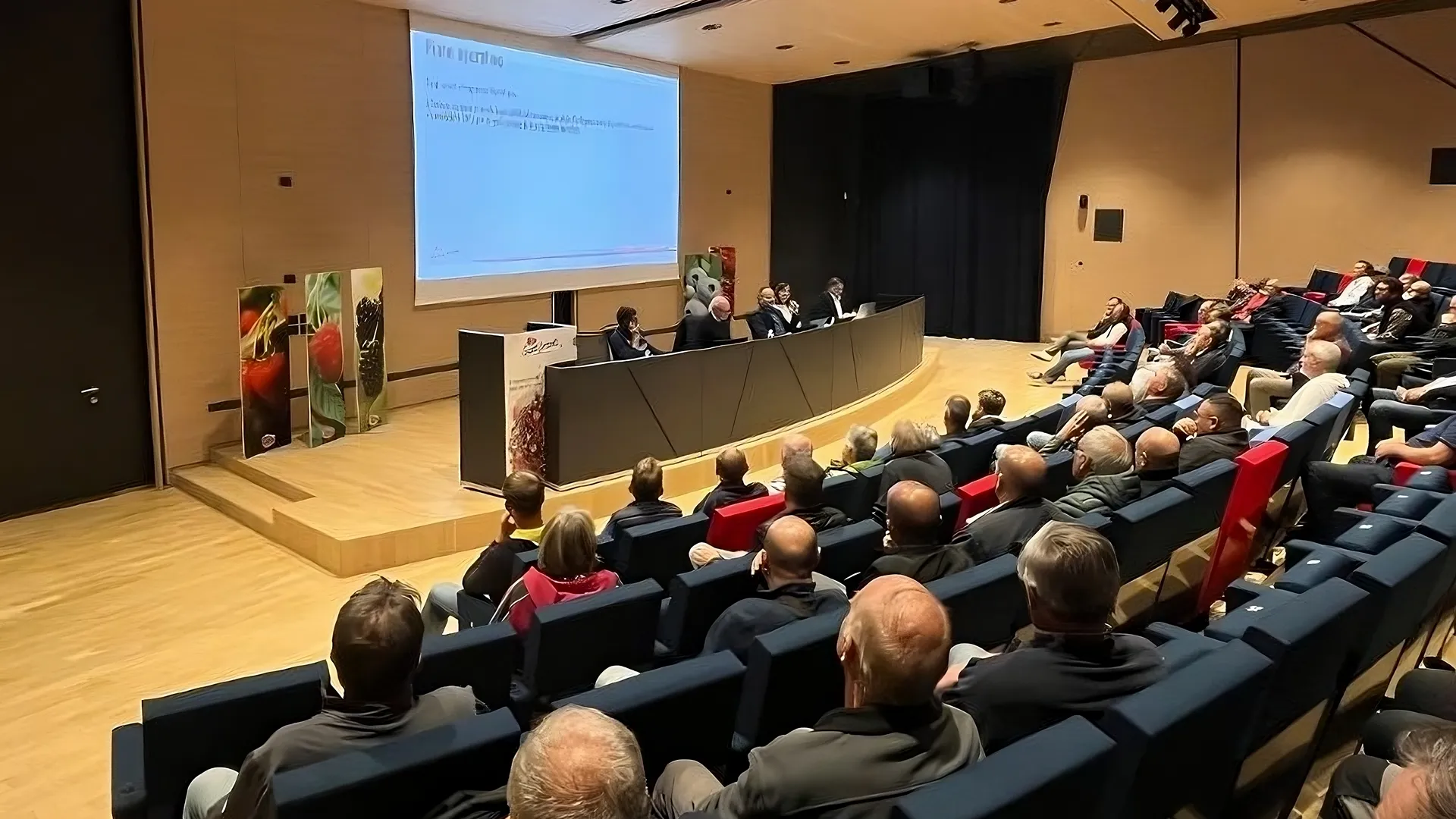
“This is a good year for wild blueberries: both quality and volumes are positive, although we will not be able to meet all the requests, which are constantly increasing,” says Baraldi ahead of the Blueberry Festival, scheduled to take place in Fanano on 8 and 9 August.
A wild fruit characteristic of the Frignano area
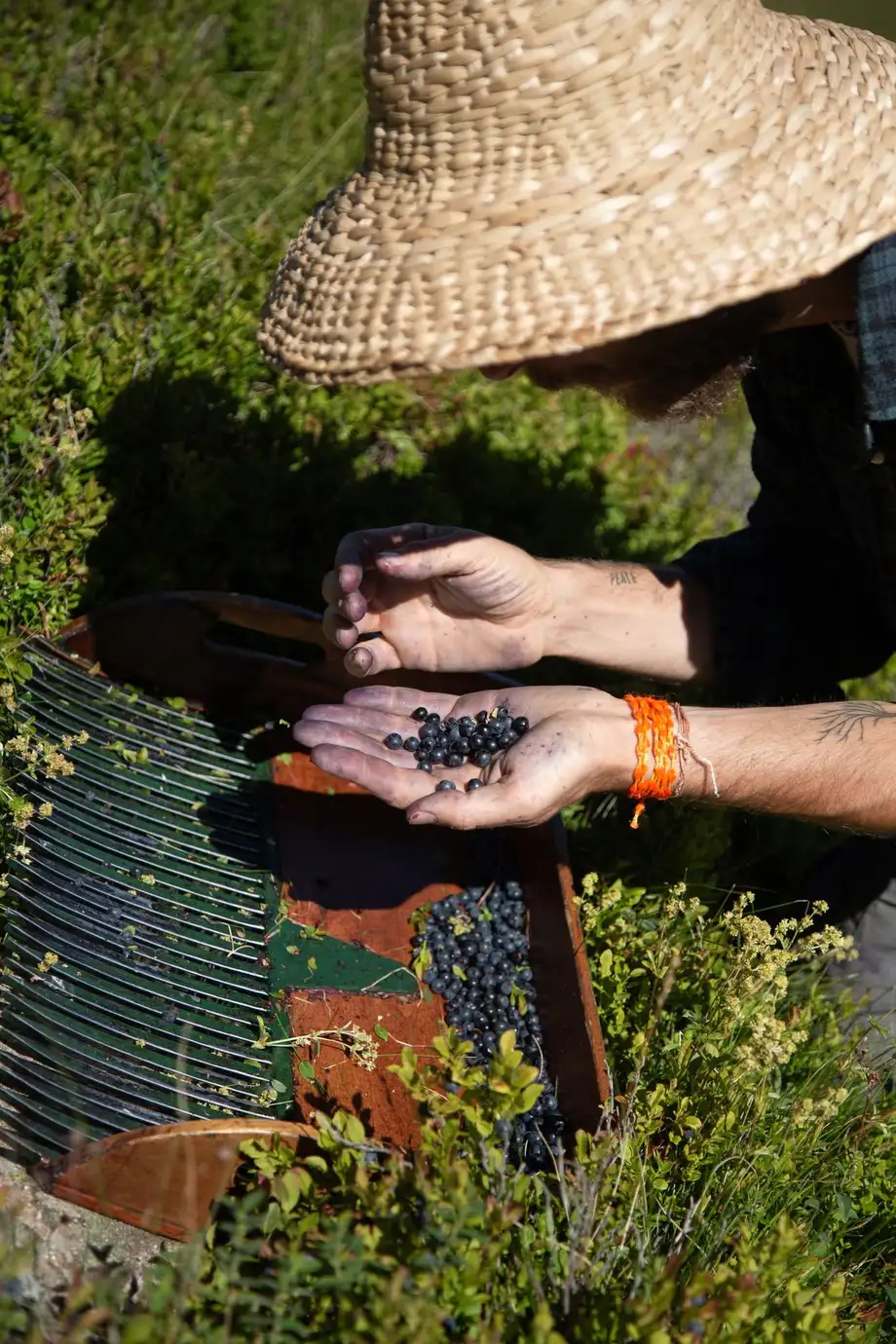
Vaccinium myrtillus, commonly known as the wild blueberry or bilberry, grows naturally in high-altitude grasslands and heathlands across the Apennines. In the Frignano area, it is generally found at elevations ranging from 1,400 to 2,000 metres, depending on local conditions.
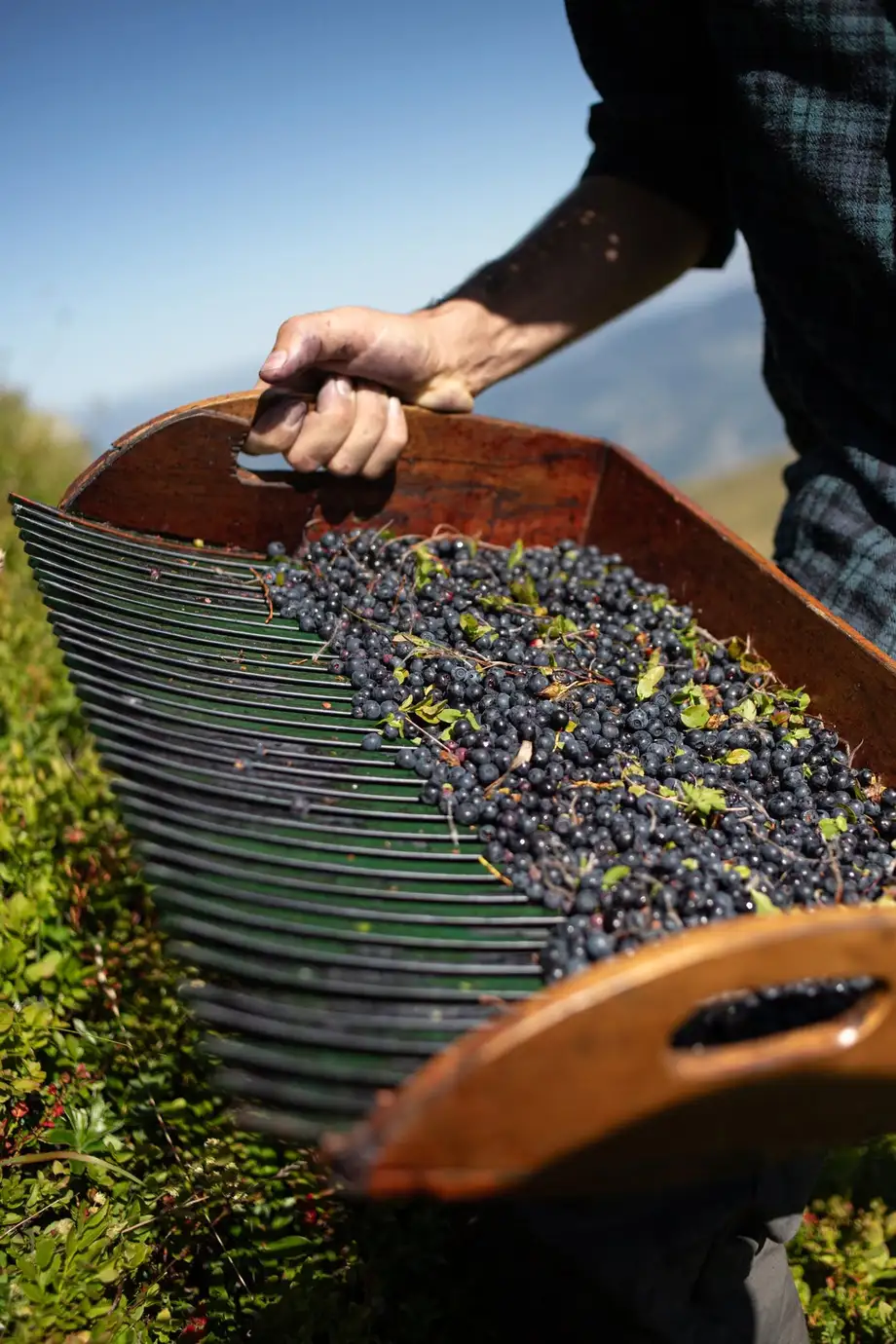
The fruit is almost spherical and measures approximately 6-8 millimetres in diameter. Its skin is bluish-black and covered with a waxy bloom, while the flesh has an intense, staining reddish-blue colour. Its characteristic flavour is sweet and sour, with slightly astringent notes.
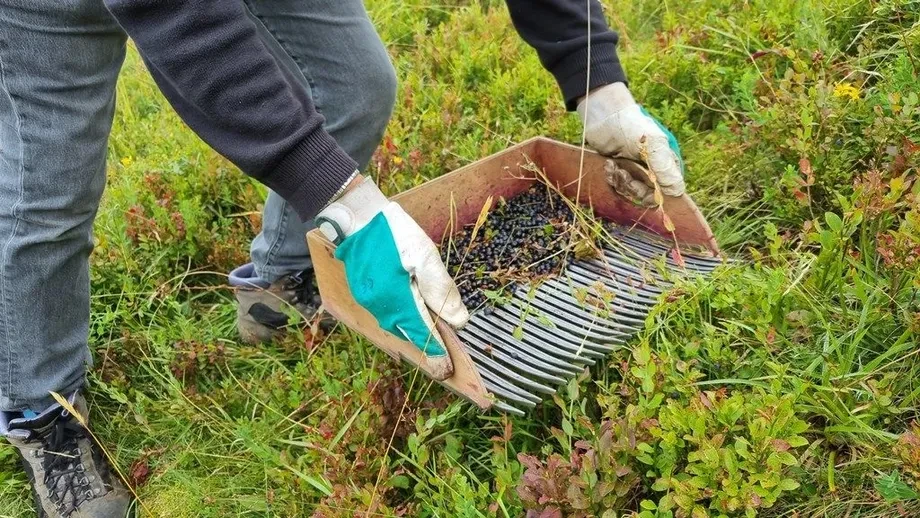
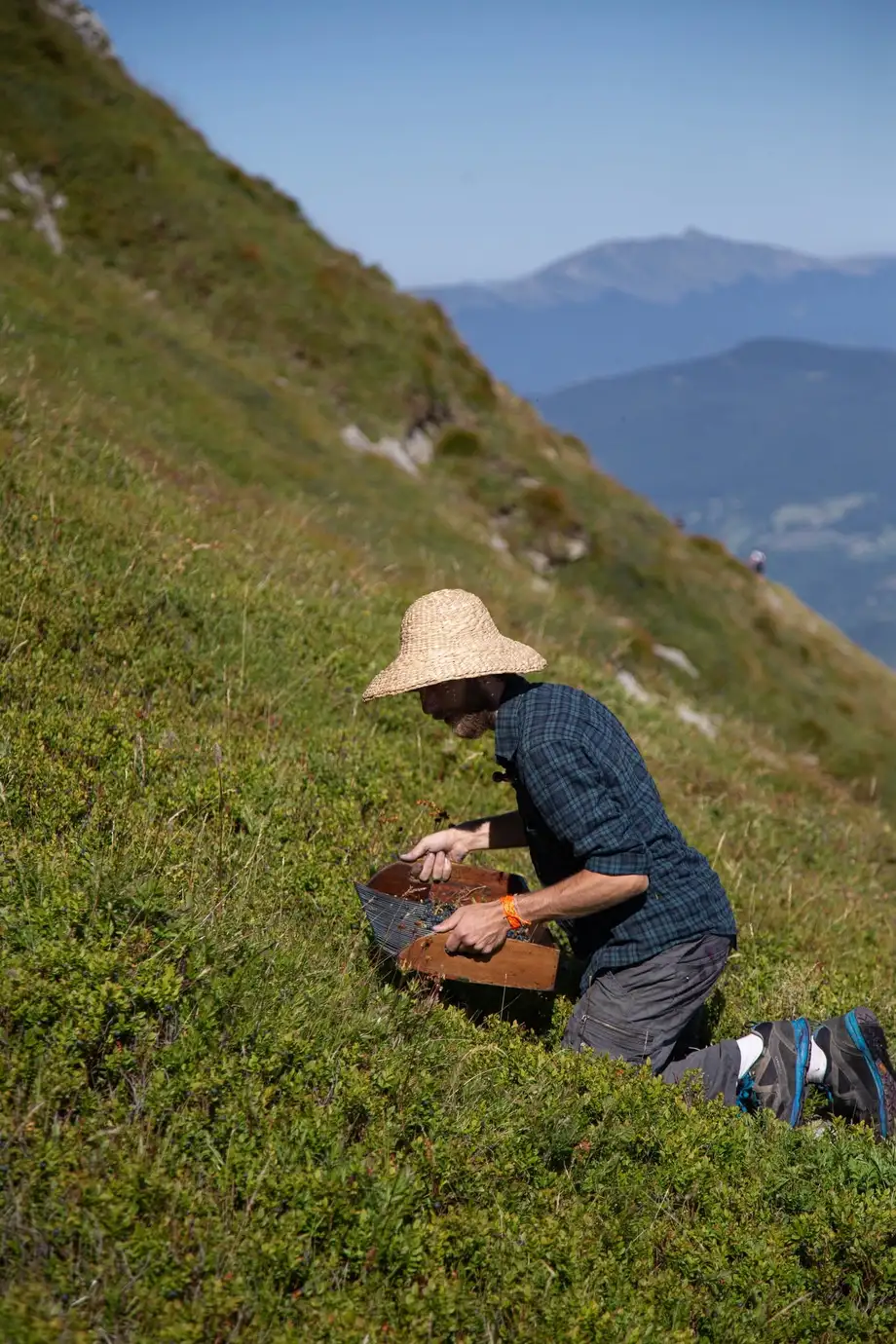
The fruit generally ripens between July and August. Within the Frignano Park, harvesting is governed by regulations establishing the periods and methods permitted for residents, non-residents and professional pickers.
Plants are moving to higher elevations
Despite the season’s positive performance, the effects of climate change are becoming increasingly evident even at the higher elevations of the Modena Apennines.
“Every year, we see blueberry plants growing slightly higher up. They are adapting in search of the most favourable microclimate, because temperatures have risen here as well,” Baraldi explains.
The progressive decline in snowfall is another source of concern. “During winter, increasingly scarce snowfall, which is essential for creating ideal growing conditions, weakens the plants,” the entrepreneur adds.
Wild blueberries are particularly affected by summer drought and late spring frosts. Reduced winter snow cover can leave plants less protected and alter water availability during the following months.
 The abandonment of grazing land encourages invasive species
Climate is not the only threat. The progressive decline of mountain sheep farming has changed the way the grasslands are managed, encouraging the spread of grasses and competing woody species.
These include juniper, mountain pine and the so-called bog bilberry, Vaccinium gaultherioides. Their expansion reduces the area occupied by wild blueberries and makes harvesting more difficult and less profitable. The advance of woodland towards higher elevations is also taking space away from traditional heathlands.
Luciana Serri, president of the Central Emilia Parks and Biodiversity Authority, stresses the need to combine environmental protection with the economic enhancement of the product.
“On the one hand, we are committed to supporting the local area and therefore also to promoting the product and its derivatives. Our participation in trade fairs is one example. On the other hand, we are directly engaged in protecting the environment and biodiversity,” says Serri.
Mapping, grazing and heathland restoration
The measures identified to protect wild blueberries begin with mapping the blueberry heathlands and assessing their productivity, purity and accessibility.
Other measures include removing invasive species, monitoring the long-term effectiveness of the work undertaken and restoring the access routes needed to reach the heathlands.
Sheep grazing could once again play a central role by controlling grasses and limiting the expansion of woody plants. From an economic perspective, consideration is also being given to training local pickers and establishing cooperatives or businesses dedicated to harvesting and processing the fruit.
“At the end of October, we will attend the Genoa Science Festival. It will be an opportunity to introduce the public to wild blueberries and explore the distinctive characteristics of the soils on which these grasslands develop. We are taking our first steps, but the results are already beginning to show,” Serri adds.
An outstanding food product from Modena
The value of wild blueberries is also recognised through their inclusion among the 26 outstanding food products from the Modena area brought together under the “Tradizione e sapori di Modena” label.
The product is also promoted through the protected label “Mirtillo nero dell’Appennino Modenese”, registered by the Modena Chamber of Commerce in collaboration with the Local Action Group, the Upper Modena Apennines Park and the area’s mountain communities.
The positive 2026 season therefore represents an encouraging sign, but it does not eliminate the structural challenges. Protecting this wild fruit means preserving high-altitude grasslands, supporting local harvesting and processing, and maintaining an environmental balance shaped over time partly through traditional human activities.

Sources: Appennino Modenese - EFA News - Municipality of Fanano