








An analysis of Christian Nicodemo’s (Frutthera Growers) contributions to the Berry Trend 2026 webinar, commenting on data from the Italian Berry Observatory
During the fifth edition of the Berry Trend 2026 webinar, organised by Italian Berry and myfruit, Thomas Drahorad’s presentation of the data highlighted a substantial gap between consumption in Italy and in more mature European markets, particularly the United Kingdom. Christian Nicodemo, Marketing Director at Frutthera Growers, commented on this picture from the perspectives of production, supply chain organisation and strategic marketing.
The UK model: from occasional purchases to repeat buying
In his first contribution, Nicodemo described the United Kingdom as a trendsetter in European fruit and vegetable consumption, adopting shopping habits that reach other markets only later. The comparison reveals a significant cultural difference: in Italy, purchases of strawberries and berries are often associated with holidays or special occasions, such as Easter, Christmas or dinners with guests. In the UK, berries have become part of everyday consumption.
Nicodemo identified three ways to narrow this gap:
- A linguistic and conceptual advantage: In English, the term “berries” encompasses both strawberries and other berries, such as blueberries, raspberries and blackberries, making it easier to communicate about the category as a whole. In Italy, the distinction between fragole and piccoli frutti fragments consumers’ perception of the category and makes collective promotion more difficult.
- Communicating a lifestyle: In the UK, berries are presented as more than seasonal produce. They are linked to specific occasions and lifestyles, from sports nutrition and children’s snacks to a break at work—an approach comparable to the lifestyle marketing used in Italy by major food brands such as Mulino Bianco.
- Advertising: Turning occasional purchases into repeat buying requires the supply chain to invest in campaigns across television, outdoor advertising and social media. Such activity is already established for other fruit categories in Italy, including bananas, apples and kiwifruit, but remains limited in the berry sector.
Packaging, target consumers and demographic change
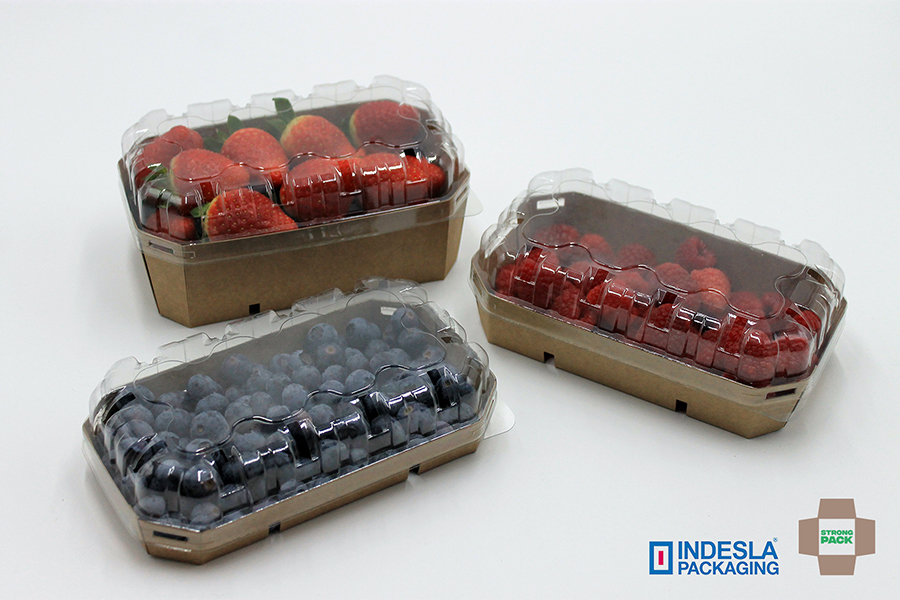
Commenting on the changes in retail assortments presented by Drahorad, Nicodemo described packaging as the product’s “calling card” in stores. Before choosing materials, graphics or pack sizes, however, companies need to identify their target consumers clearly.
Referring to analyses published by Il Sole 24 Ore on demographic change in Italy, Nicodemo pointed to the growing number of people living alone and smaller households:
- Smaller packs and impulse purchases: Changes in household structure call for a review of pack sizes, with smaller formats suited to individual consumption and impulse purchases.
- Clear information and values on pack: Beyond protecting the fruit, packaging should quickly communicate key information, including origin, brand, quality certifications and the sustainability characteristics of its materials, such as recyclability, compostability and recycled plastic content.
The Frutthera Growers case study: the “Fragola Matera” project and the marketing mix
A central part of Nicodemo’s contribution concerned the practical application of the marketing mix (the four Ps: Product, Price, Place, Promotion) to add value to Italian strawberries:
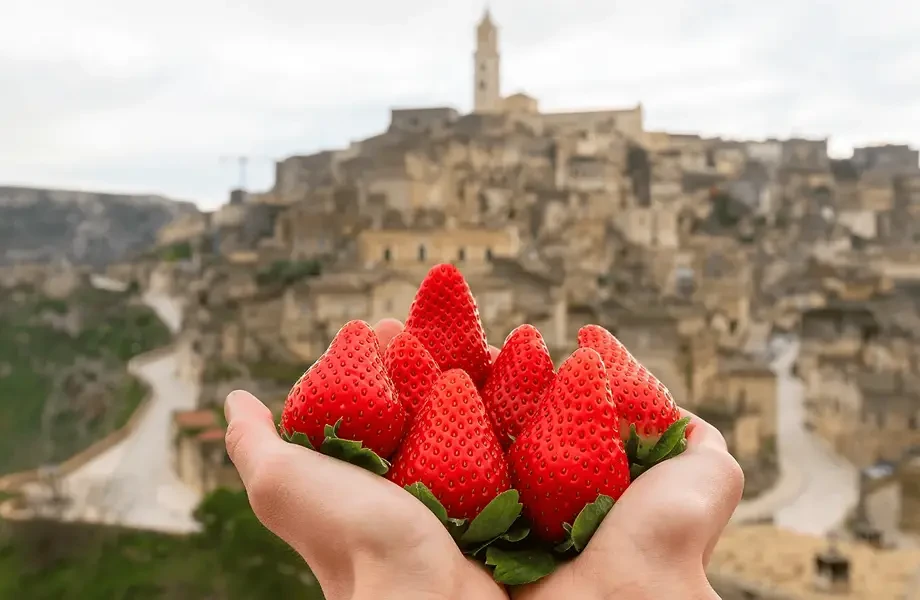
- Product: Frutthera Growers established itself as a Producer Organisation, bringing together farms in the province of Matera. The project focused on a premium strawberry selected for its long shelf life, sensory quality and strong connection to the Basilicata region.
- Price and Place: The company reshaped its business model, shifting its focus from exports to Italian supermarkets and the country’s main wholesale markets, and positioning the product in a higher price bracket.
- Promotion: A five-year communication plan, including television commercials, YouTube campaigns, social media and local events, helped build a recognisable brand.
- Results and brand loyalty: According to Nicodemo, sustained promotion has built a community around “Fragola Matera” and encouraged consumers to seek out the brand in stores. The experience recalls the earlier success of the Candonga club, while being based on collaboration among local farms.
Nicodemo’s outlook
In Nicodemo’s view, product availability alone cannot close the revenue gap highlighted during the Berry Trend 2026 webinar. Unlocking the Italian market’s potential requires an integrated strategy built on three elements: bringing growers together in Producer Organisations, adapting packaging to demographic change and communicating berries as part of everyday life.
Italian Berry - All rights reserved