








The European Packaging and Packaging Waste Regulation will enter its implementation phase on 12 August 2026, but several key elements for the fresh produce sector have yet to be defined. For berries, the uncertainty mainly concerns whether it will still be possible to use plastic packaging after the restrictions scheduled for 2030 come into force.
Pro Food, Unionplast and their member companies have joined “Stop the Clock”, the petition supported by more than 500 European companies and associations calling on EU institutions to postpone the general application date of the Packaging and Packaging Waste Regulation, the PPWR, by at least 24 months.
According to the signatory organisations, with only a few weeks remaining before the deadline, the implementing acts, technical criteria, harmonised methodologies and operational guidelines needed to allow companies to verify packaging compliance and plan their investments are still missing.
Berries among the most exposed categories
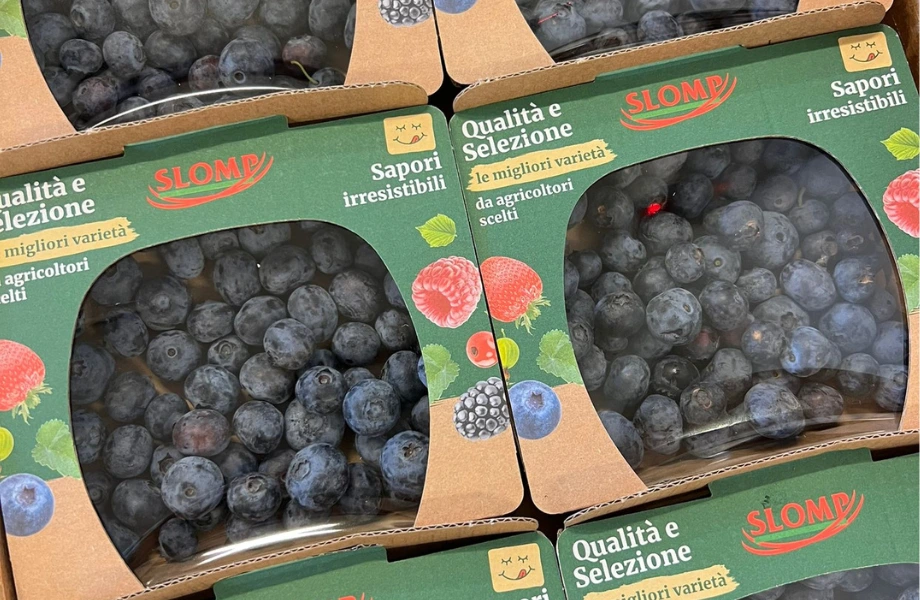
The debate directly affects strawberries, blueberries, raspberries, blackberries and other berries. These products are delicate, easily damaged and have a limited commercial life, meaning that packaging performs a function that goes beyond simple containment.
Packaging must protect the fruit during processing, transport and distribution, preserve its integrity and help to extend its shelf life. Transparent packaging also allows consumers to visually check the freshness, colour and condition of the product before purchasing it.
In this context, plastic packaging is currently one of the solutions most widely used by the sector. Any replacement should therefore be assessed by considering not only the material used, but also the protection provided to the product, shelf life, recyclability, recycled material content, logistics and the potential impact on food waste.
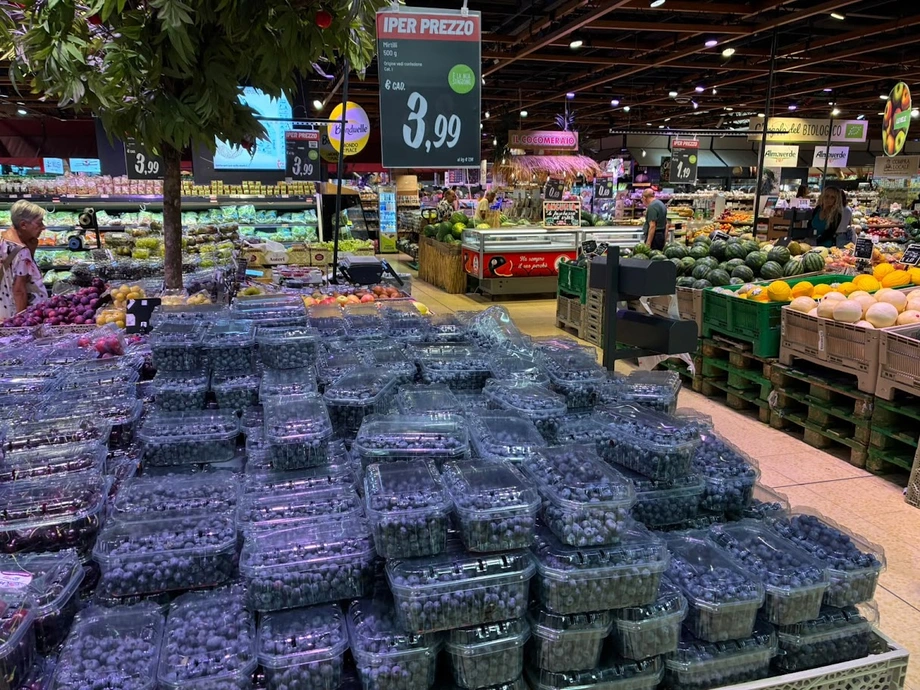
Exemptions will be crucial
The main question concerns the future lists of exemptions from the restrictions established by the PPWR.
“Only in February 2027 will the Commission’s guidelines become available, and it may then be possible to understand whether berries, given their high perishability and fragility, will be allowed to continue using plastic packaging,” says Mauro Salini, president of Pro Food (cover photo).
Article 25 and Annex V of the Regulation establish restrictions, from 1 January 2030, on certain types of single-use plastic packaging, including packaging intended for unprocessed, pre-packed fresh fruit and vegetables in quantities of less than 1.5 kilograms. However, the application procedures and possible exemptions will need to be specified through subsequent regulatory measures.
For the berry sector, the definition of these exemptions will be decisive: most of the packaging commonly found on the market – from 125-gram punnets to family-size formats – falls below the threshold set by the Regulation.
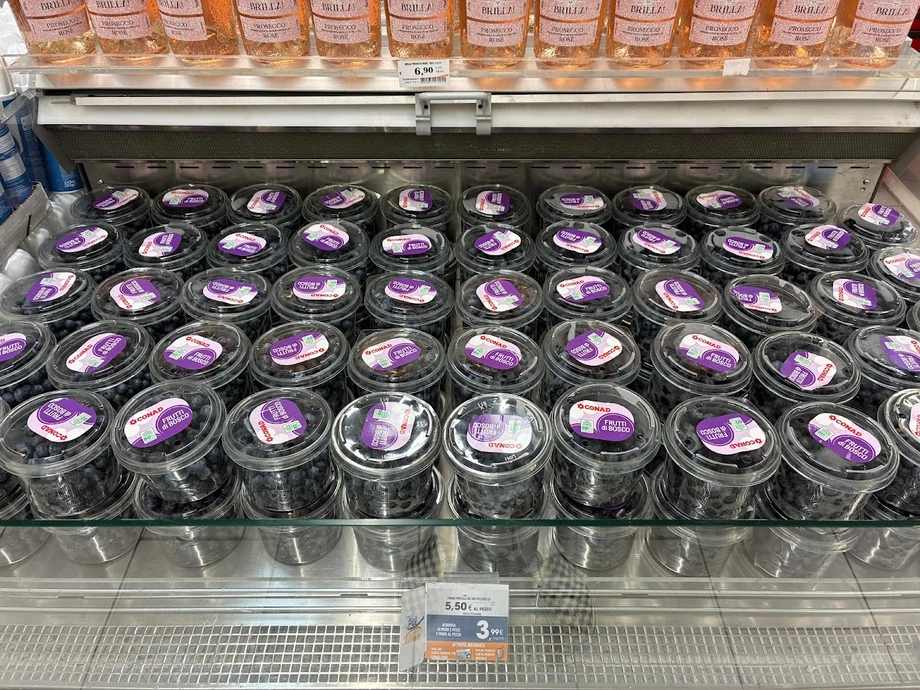
The risk of different rules across individual countries
A second area of concern is the possibility that exemptions may not be applied in the same way throughout the European Union.
“The situation is made even more complex by the possibility that Member States may adopt different exemption regimes or none at all,” Salini points out. “This scenario could lead to the fragmentation of the European single market, with significant operational, logistical and economic consequences for fresh produce companies exporting to multiple countries.”
A company marketing berries in different European markets could therefore find itself having to use different packaging depending on the destination country. This would result in greater complexity in the management of packaging lines, an increase in the number of materials and formats, difficulties in planning supplies and additional costs throughout the supply chain.
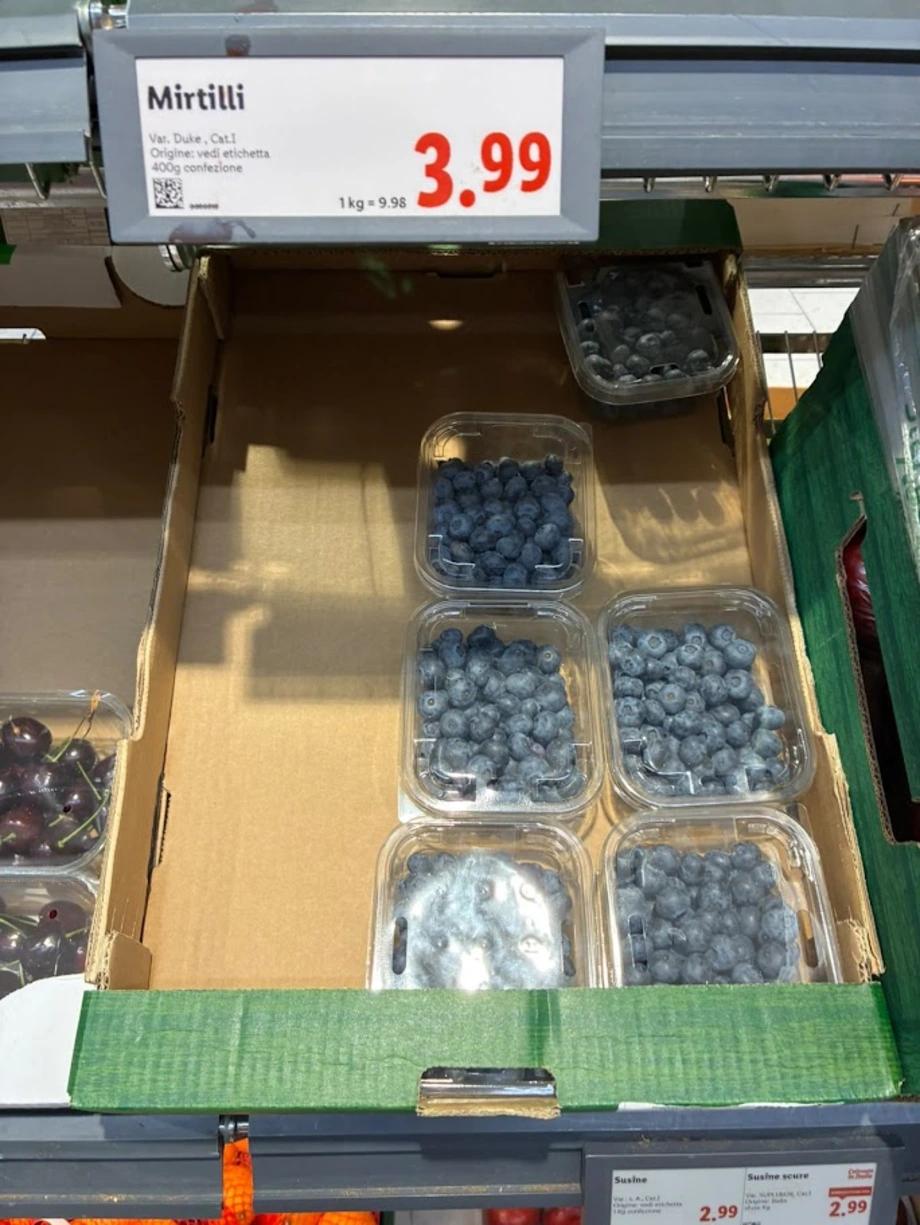
Pro Food: a specific impact assessment is needed
Pro Food stresses that it does not dispute the environmental objectives of the PPWR, such as increasing recycling, using secondary raw materials and reducing the environmental impact of packaging. However, the association argues that the restrictions applying to fresh produce were not preceded by a specific comparative assessment of the available alternatives.
According to Pro Food, replacing plastic with paper, cellulose, wood or other materials would not automatically result in an environmental improvement. The comparison should consider the entire life cycle of the packaging and, in the case of fresh produce, also the losses caused by any reduction in its protective capacity.
The association also points out that several types of plastic packaging currently used for fresh produce already contain percentages of post-consumer recycled material exceeding the PPWR targets for 2040. A ban based exclusively on the material could therefore exclude solutions that are already part of circular economy systems, without the greater sustainability of the alternatives having been demonstrated.
“Pro Food is calling for a ‘Stop the Clock’, which would allow not only the completion of the implementing instruments that are still missing, but also a concrete impact assessment of restrictions on plastic packaging for the fresh produce sector,” Salini says.
According to the association’s president, this analysis has never been conducted specifically, despite the role played by packaging in protecting products and preventing food waste. Salini also refers to attempts by several multinationals in the sector to introduce alternative berry packaging, which were subsequently abandoned in favour of a return to plastic solutions.
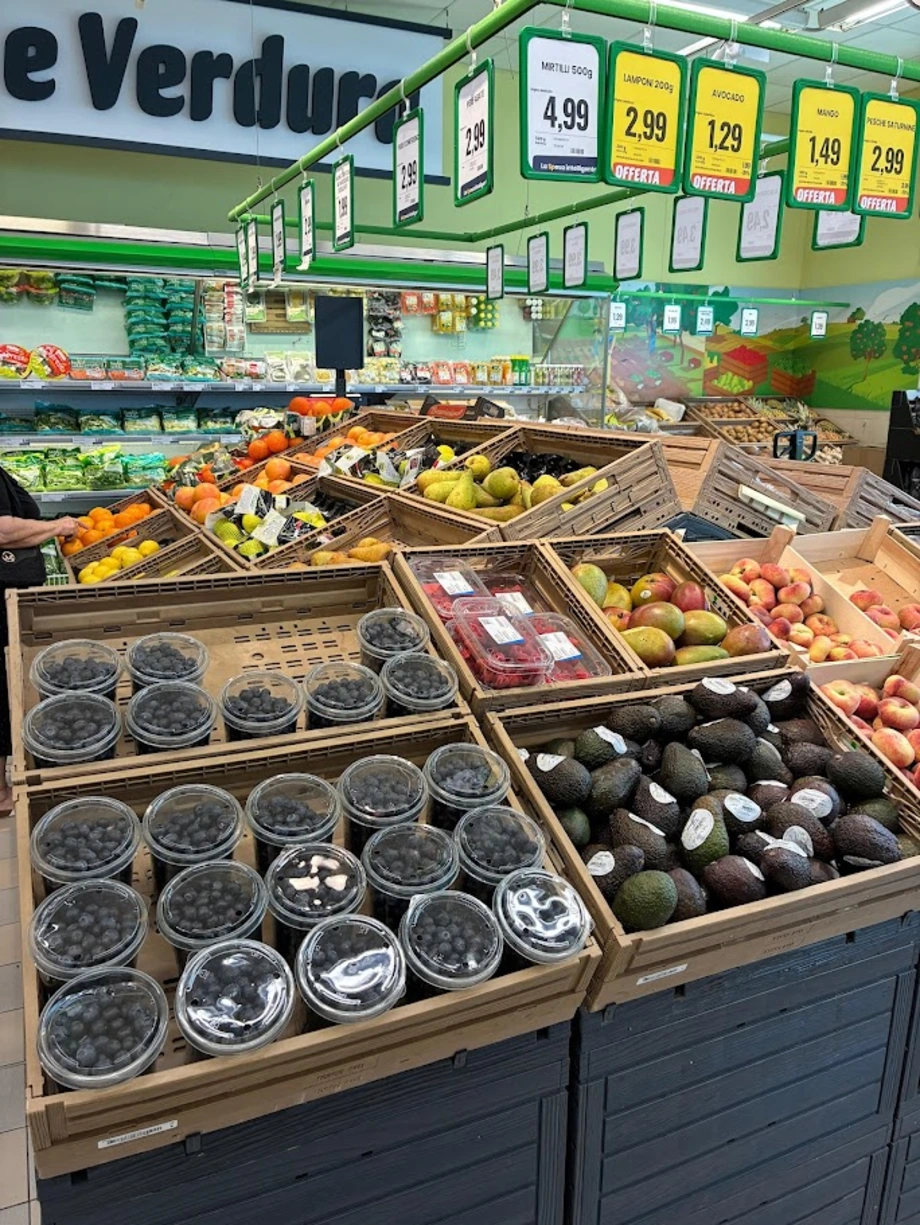
The request: a postponement of at least 24 months
“Stop the Clock” proposes postponing the general application of the PPWR by at least two years. The additional time should be used to complete the delegated acts and technical standards, define testing methodologies, clarify the responsibilities of the different operators and ensure uniform enforcement criteria across Member States.
“Companies are not asking for the transition to be halted, but to be able to implement it on the basis of complete and verifiable rules,” Salini concludes. For the berry supply chain, the challenge will be to strike a balance between reducing the impact of packaging, protecting particularly fragile products and preventing food losses.