







Esselunga’s berry range is expanding with a product unfamiliar to many Italian consumers: fresh cranberries grown in Poland. A fruit rooted in North American traditions, bringing new culinary possibilities to the fresh produce department.
Alongside blueberries, raspberries and blackberries, Esselunga’s berry range now includes from today the fresh cranberries of Polish origin.
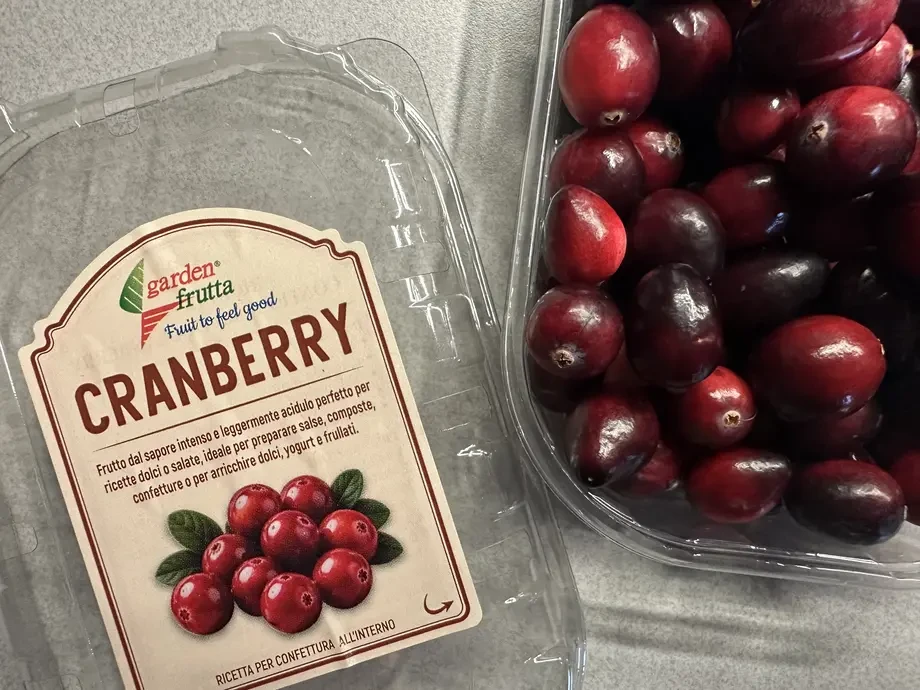
The photographed pack presents the fruit in a transparent punnet, with a label prominently displaying the name “Cranberry” and suggesting ways to use it: sweet and savoury dishes, sauces, compotes, jams, yoghurt and smoothies. The label also highlights a jam recipe inside.
This is a significant detail: for a product still unfamiliar to many Italian consumers, explaining how to use it can be just as decisive as making it available on the shelf.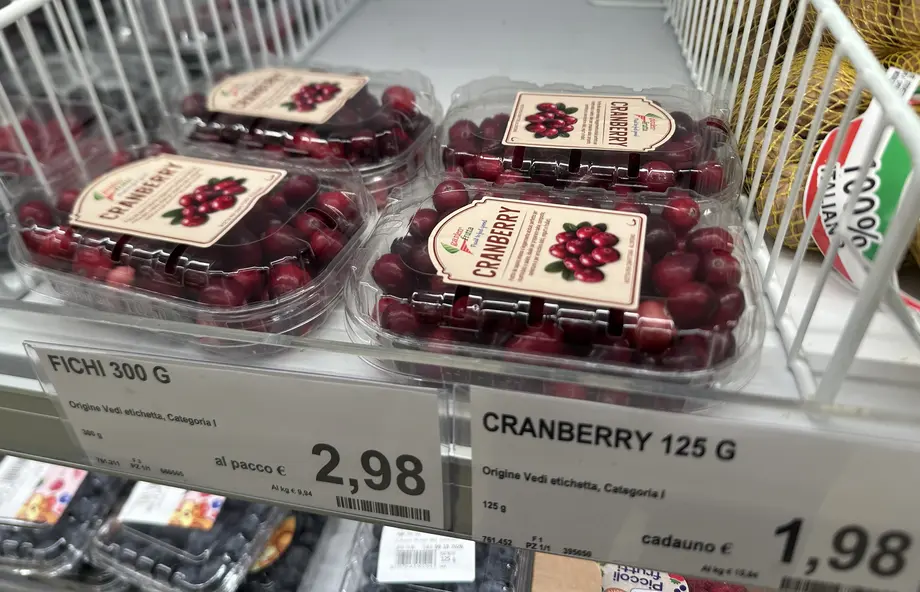
What are cranberries?
The cranberry most widely grown commercially is the American cranberry, Vaccinium macrocarpon, native to North America. It belongs to the Ericaceae family, the same as blueberries, but has its own distinctive characteristics: round or slightly oval fruit, ranging from red to dark red, and a low-growing plant with trailing stems.
The Italian name “mirtillo rosso” can cause some confusion because it is also used for other fruits. The term cranberry therefore helps identify this particular fruit within the category.
Those familiar with cranberry juice or dried cranberries may be surprised when tasting the fresh fruit: its flavour is distinctly tart, far removed from the sweetness generally associated with blueberries. the packaging presents it specifically as an ingredient for recipes, encouraging consumers to discover it through cooking.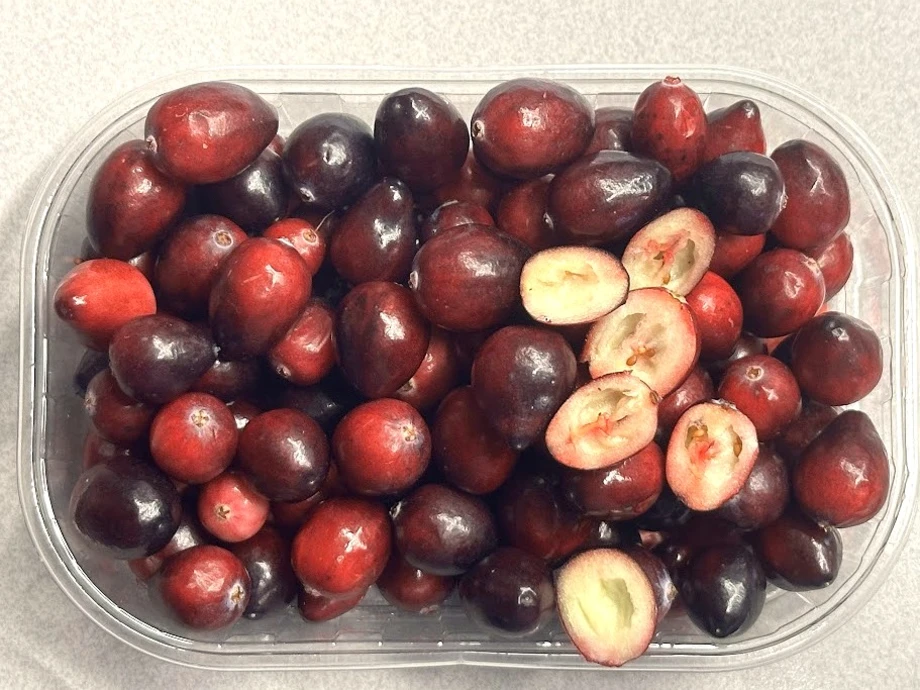
How to use them: from jams to roasts
Cranberries can be used in numerous dishes. In sweet recipes, they feature in compotes, jams, muffins, cakes and fillings, including combinations with apples. In savoury cooking, they can become sauces, chutneys and accompaniments to meat, adding a fruity, tart note. The University of Maine suggests uses ranging from baked goods to sauces and dishes featuring chicken or pork.
For a first introduction at home, a compote cooked with sugar and a little water provides a way to discover the fruit and adjust the sweetness to personal taste. It can then accompany a dessert or be paired with a savoury dish.
Including a recipe in the pack therefore addresses a practical need: turning curiosity at the shelf into an occasion to enjoy the product.
The fruit of Thanksgiving
The best-known association is with Thanksgiving, the North American holiday: cranberry sauce traditionally accompanies turkey and is one of the recognisable features of the festive meal. This custom helps make the cranberry a symbol of autumn cooking.
Its history as a food, however, predates this tradition. Indigenous peoples of North America already used cranberries as food and in ceremonies. Commercial cultivation began in Massachusetts in 1816, with the first plantings established by Henry Hall.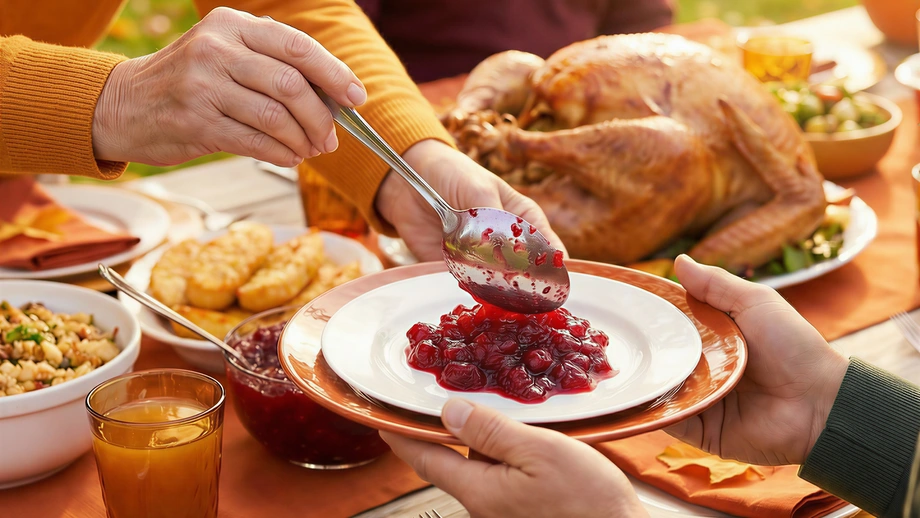 Photo: Amal Thushara Gunawardhana
How they are grown: acidic soils and water management
The cranberry is a perennial plant that forms a mat of vegetation through horizontal stems; flowers and fruit develop on short upright shoots. Pollination depends on insects, particularly honeybees and bumblebees.
Cultivation requires specific conditions: acidic soils, access to water and a period of winter cold. The University of Maine gives an indicative pH range of 4.0–5.5. Major production areas include the United States and Canada; the crop is also grown in Chile. The Polish origin of the product reported here, meanwhile, introduces Italian consumers to a European source.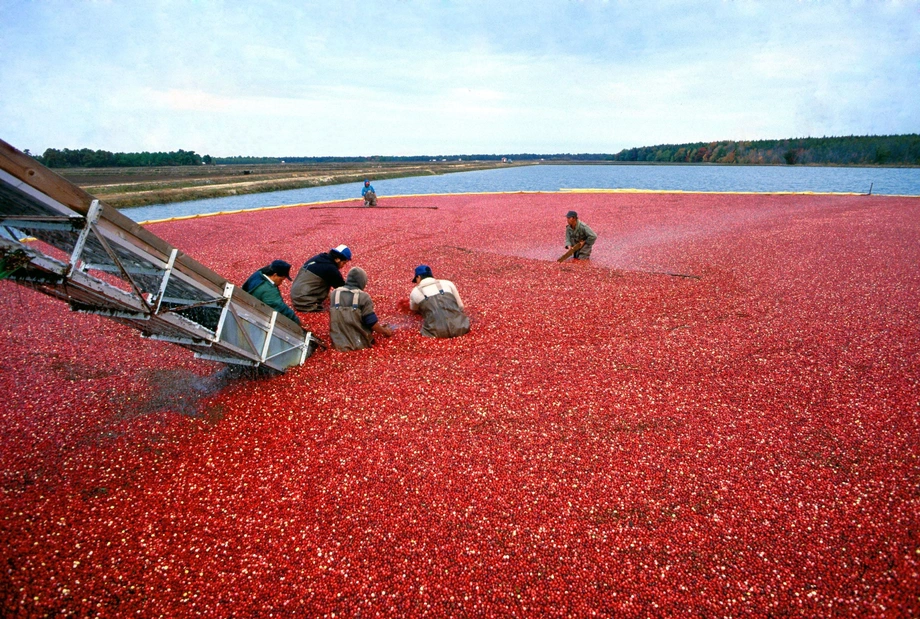 Photo: PublicDomainImages
The famous images of expanses of water covered with red fruit show a particular harvesting method. In wet harvesting, the beds are flooded and the fruit detached from the plants floats, allowing it to be gathered. This method is mainly used for fruit destined for processing.
For the fresh market, growers generally use dry harvesting, with machines that comb through the vegetation. The fruit is then sorted and packed.
A product that broadens consumption occasions
The product observed at Esselunga introduces an ingredient with a distinct identity to the berry category: cranberries invite consumers to prepare sauces, cook compotes and experiment with recipes.
For retailers, their presence therefore offers a potential opportunity to broaden consumption occasions. Clear usage instructions and approachable recipes, such as those highlighted on the packaging, can help an unfamiliar product find a place in Italian kitchens.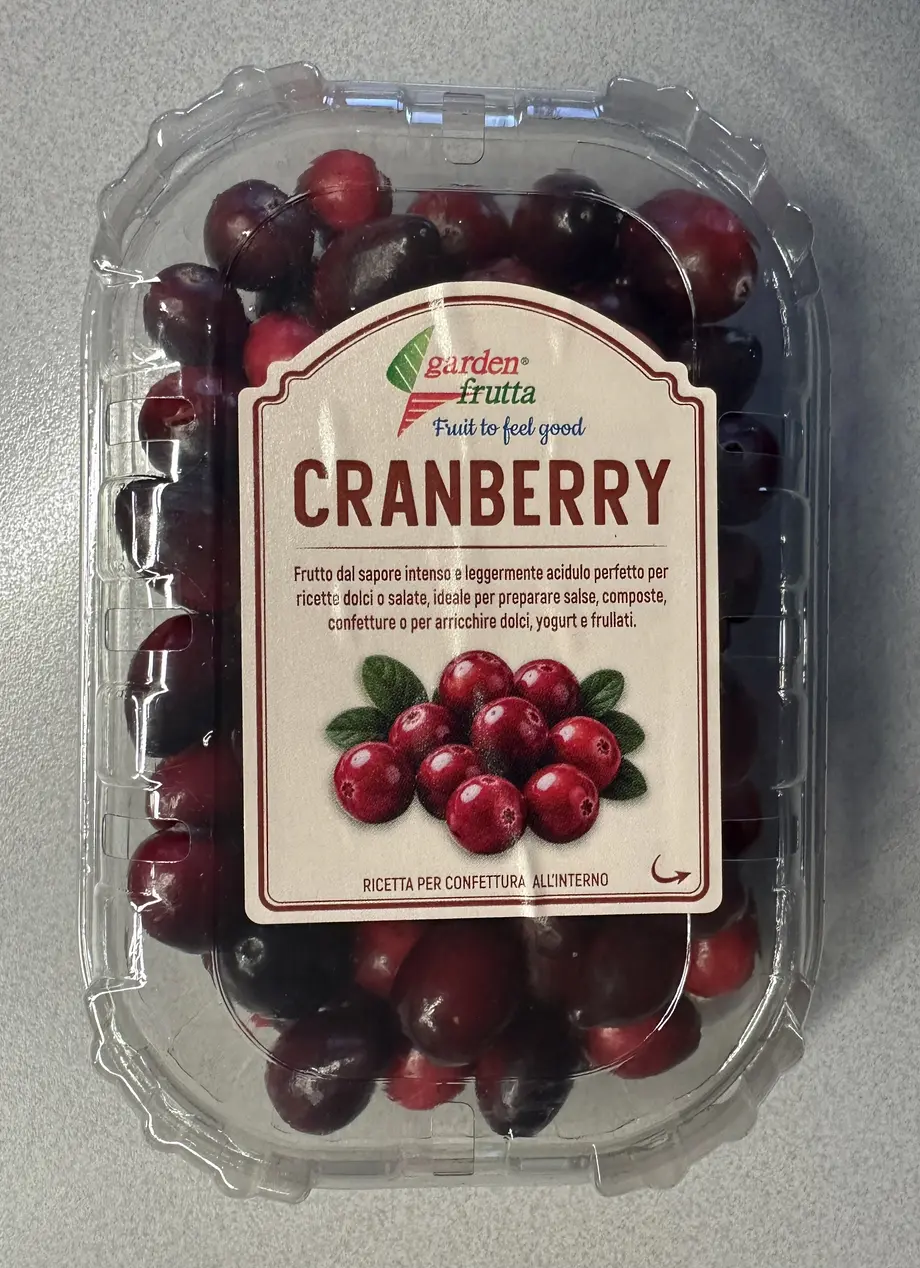
Italian Berry - All rights reserved