







From tonnes produced to kilograms paid: why berry investments must be designed from the customer backwards
Jorge Duarte | Hortitool Consulting
Berry crops, and blueberries in particular, continue to attract investment. Their premium positioning, export potential and ability to fit into public support programmes can make a project look compelling on paper. In many cases, the opportunity is real. But the opportunity alone is not a business model.
Too often, founders and investors enter the sector because a region, a crop or an export segment has been identified as strategic. Grants are available, the category has momentum and the market narrative is persuasive. Capital is committed to land, plants, structures and equipment. Too often, the founder, farm and technical adviser work separately, and consultancy is consulted late to estimate the theoretical upside rather than help design the farm from the market target. Four or five years later, the farm is still receiving investment, but yields, packout, labour performance or market returns are not matching the original projections. Only then is a consultant asked to help correct decisions that should have been challenged before planting.
The first question should not be, ‘How many tonnes can we grow?’ It should be, ‘What product can we reliably sell, to whom, in which window, at what quality and net return?’ The farm must be designed from the customer backwards.
When marketing leads the project
Today, it is easy to find projects that begin without the work required to build knowledge and sustain a professional agribusiness. Some follow a crop trend. Some rely on premiumisation and marketing to attract capital. Others begin with no strategy beyond the marketing strategy itself.
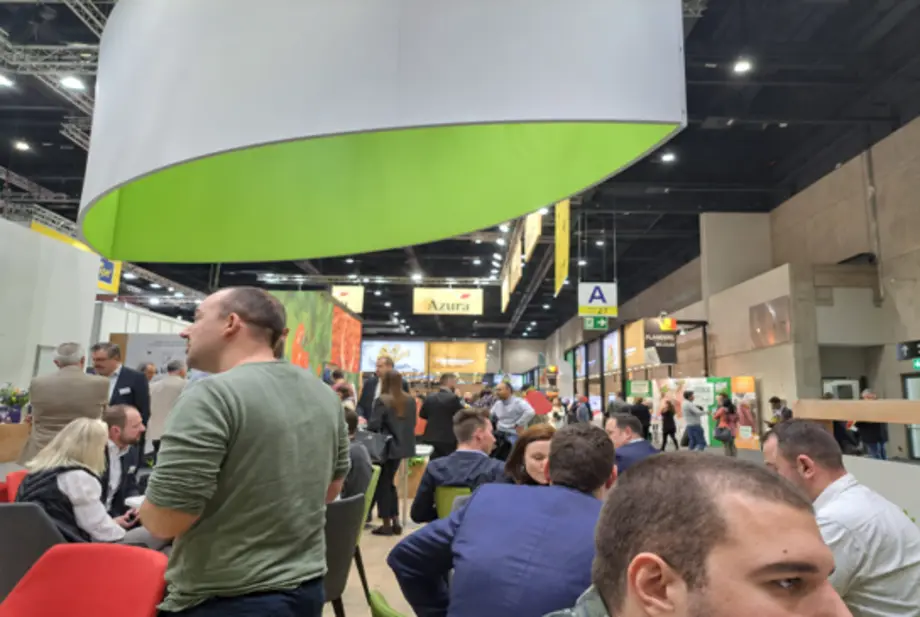 Figure 1. Market-led investment: visibility and promotion must be translated into agronomic and operational capacity.
They may be launched without a serious assessment of field conditions, water quality, labour availability, varietal adaptation, crop calendar, logistics, packing capacity or commercial risk. In some cases, the project is too small to carry the technical, operational and packing costs required for a reliable programme. In others, it is scaled too rapidly, without understanding where the real bottlenecks will emerge: harvest labour, cooling, grading, dispatch, cash flow or management capacity.
This often attracts capable investors from property, construction, industry, finance and other sectors. They may be highly successful in what they do, but unfamiliar with the biological, operational and commercial logic of agriculture. A factory generally begins producing after construction and commissioning. A perennial berry farm may need several seasons to reveal whether its climate, water, genetics, production system, people and market form a viable business.
New capital, technology and entrepreneurial thinking are valuable to agriculture. The risk appears when marketing precedes agronomy, scale precedes validation and the investment story is stronger than the farm’s capacity to execute it.
A farm is not successful because it can produce fruit. It succeeds when it can produce the right fruit, in the right condition, at the right time, and deliver it consistently to a customer prepared to pay for it.
“Marketing may attract capital, but agronomy and operations must repay it.”
Grants can accelerate a strategy—not replace one
The usual investment cycle is easy to recognise. A grant, subsidised finance or low-interest loan supports agriculture in a region or promotes crops considered strategically important. Berries are selected for their export potential, market value, employment requirements or capacity to develop a new segment. The project is planted; pots, substrate, irrigation systems and tunnels are installed; and a packhouse may be built before the farm has proved its production curve.
Then the figures begin to move. Plants establish unevenly. Water quality changes during summer. Harvesting requires more hours than expected. Fruit reaches the packhouse warm. Packout falls below forecast. A cultivar produces tonnes, but not with the size, firmness, flavour or market window required by the customer.
After several years of below-plan performance, a consultant may improve irrigation, fertigation, pruning, crop load, plant health, harvesting and farm organisation. These changes can generate real progress. Yet better inputs and better management cannot always repair a structural weakness in the original investment thesis.
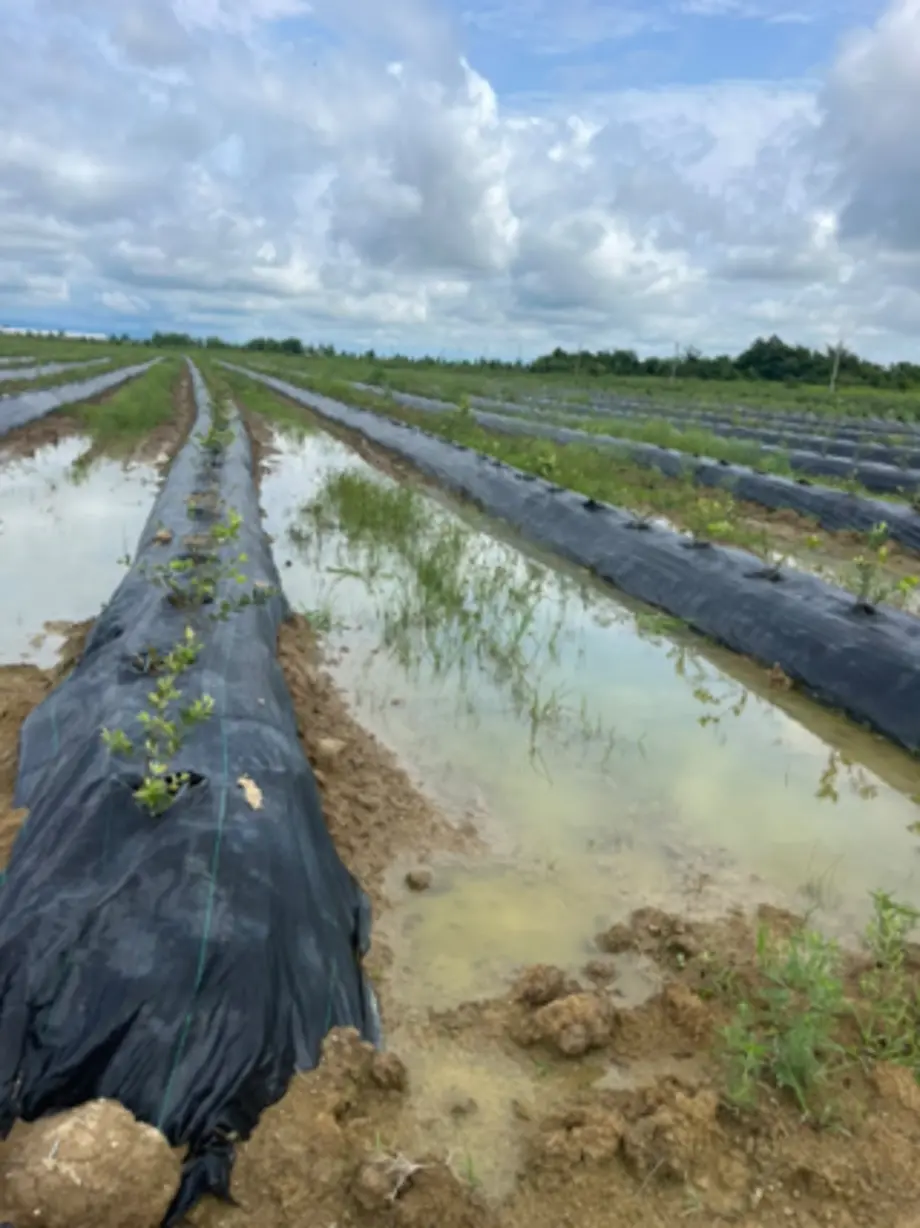 Figure 2. Climate and drainage risk: field waterlogging can expose structural weaknesses that additional inputs cannot correct.
After a period of partial recovery, another support programme may make additional tunnels, pots, machinery or packhouse capacity look attractive. The business enters a new investment cycle before proving that the existing production base can generate a sustainable return. Because the asset is cheaper to buy, it is assumed to be economically justified.
An underused packhouse remains expensive even when part of it was grant-funded. A tunnel covering an unsuitable cultivar does not become profitable because its capital cost was subsidised. Pots and substrate cannot correct poor water quality, an unsuitable climate or the wrong commercial window.
Grants are valuable when they accelerate a technically sound and commercially viable strategy. They become dangerous when access to funding replaces the discipline of proving that strategy.
An independent consultant must therefore contribute more than a list of inputs or equipment. The role is to establish an objective view of:
- The good: advantages supported by agronomic and commercial evidence;
- The bad: operational weaknesses that can be corrected within a defined budget and timeframe;
- The ugly: structural limitations that more investment is unlikely to solve.
This protects investors from two costly errors: abandoning a recoverable project too early or financing a structurally unsuitable one for too long.
The correct question is not:
“How much financial support can the project obtain?”
It is:
“Would we still invest if the decision had to be justified by marketable kilograms and cash flow?”
Biological yield is not paid yield
Most projections are built around a simple calculation:
Area × expected yield × expected price
The farm, however, is paid through a longer equation:
Biological yield × harvest recovery × marketable packout × customer acceptance × net realised price
Biological yield is an agronomic result. Paid yield is an agribusiness result. Every berry project looks clean in a spreadsheet: hectares, plants per hectare, expected yield, average selling price and payback period. What the spreadsheet often misses is the friction between growing a berry and being paid for it.
The silent cost is not always an invoice. It may be a kilogram that was grown but never picked, picked but not packed, packed but downgraded, sold into a secondary channel or later claimed by the customer.
An anonymised consulting example
A 10-hectare blueberry expansion illustrates the difference. The design used 4,167 plants per hectare and a biological target of 5 kg per plant—approximately 208 tonnes of raw fruit at maturity.
At first glance, this appears to be a strong production case. Yet, at a 90% fresh packout, only about 188 tonnes would qualify as fresh-market product. If approximately 15 tonnes entered secondary channels, around 6 tonnes would still be lost or rejected. The difference is not a technical detail; it is the difference between a crop estimate and a commercial model.
| Planning measure | Illustrative value |
|---|---|
| Planted area | 10 ha |
| Plant density | 4,167 plants/ha |
| Biological target | 5 kg/plant |
| Raw fruit at maturity | ≈208 t |
| Fresh packout assumption | 90% |
| Fresh-market product | ≈188 t |
| Secondary channels | ≈15 t |
| Lost or rejected | ≈6 t |
| Total investment | ≈€2.4 million |
| Mature annual EBITDA | ≈€430,000 |
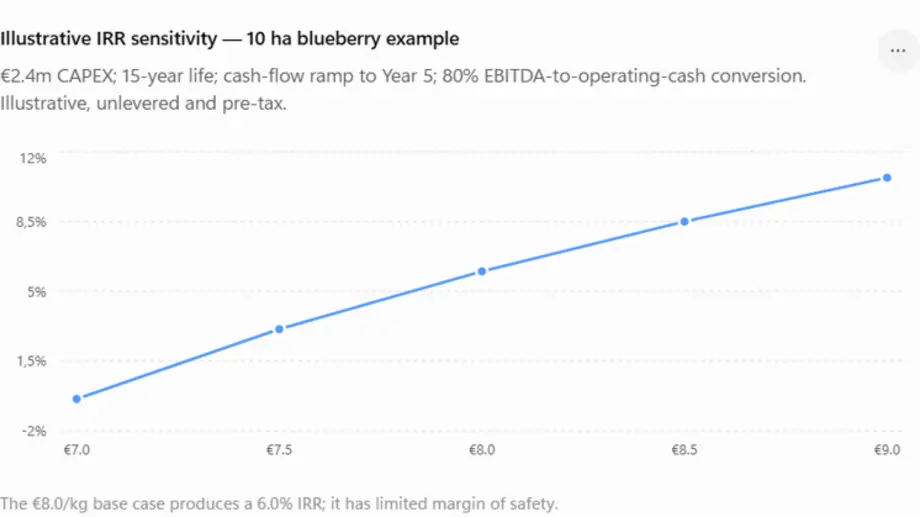 Figure 3. Investment sensitivity: illustrative IRR response to the net realised price in a 10 ha blueberry project.
Including farm development, packing and cold-storage investment, the project required approximately €2.4 million. Mature EBITDA could appear attractive at around €430,000 per year. These figures are rounded and anonymised, but the strategic point is clear: the margin of safety was narrow because the investment depended on achieving almost the full biological yield target.
A modest loss in packout, a lower net price, softer fruit, delayed harvesting, insufficient cooling capacity or weaker labour efficiency could quickly turn an apparently profitable crop into an underperforming investment. This is why biological yield is not paid yield.
The real unit of planning
The agronomic plan must be translated into commercial and operational units—not simply tonnes per hectare, but:
- Saleable kilograms by grade and harvest period;
- Net return by market and packing format;
- Harvested kilograms per picker-hour;
- Kilograms arriving at the packhouse by hour and by day;
- Time from harvest to target pulp temperature;
- Packing-line throughput and peak cold-storage requirement;
- Claims, rejections and destination quality;
- Cash generated during the ramp-up years.
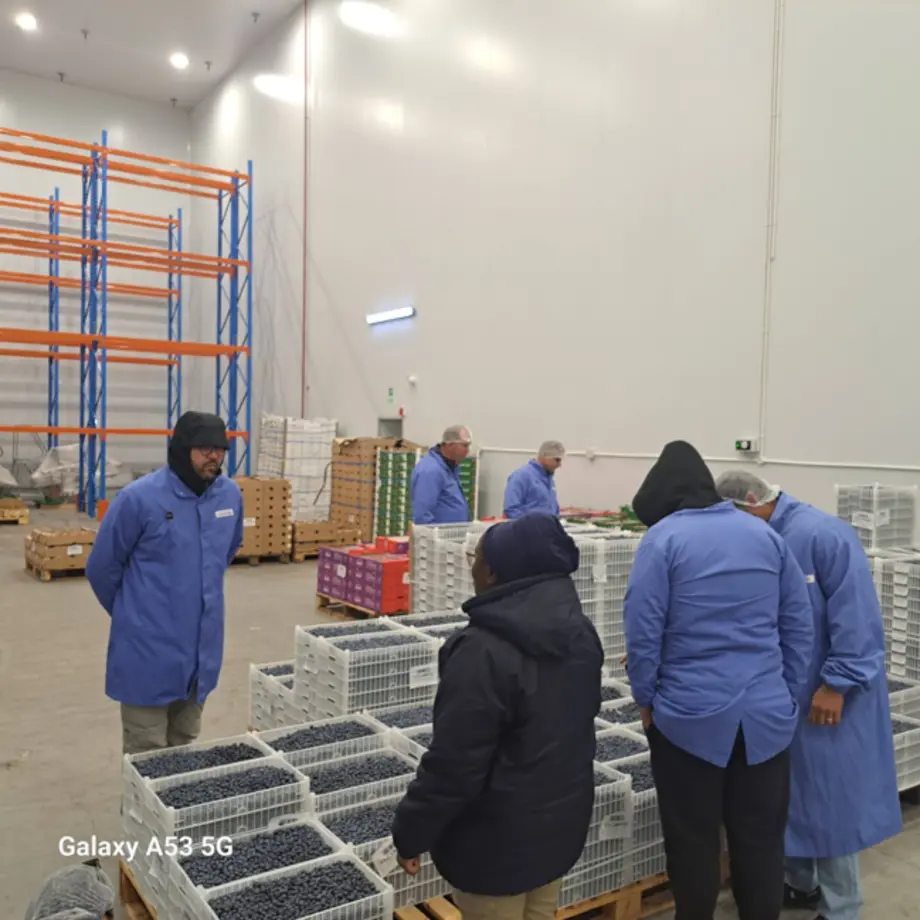 Figure 4. Packhouse execution: cooling, grading and dispatch determine how much harvested fruit becomes paid yield.
A project forecasting 20 tonnes per hectare may achieve biological production while failing commercially if it delivers weak firmness, inconsistent sizing or excessive soft fruit. Equally, a packhouse can be correctly sized against annual tonnage and still fail during the peak ten days of harvest, when fruit arrives faster than it can be cooled, packed and dispatched.
The farm, packhouse and market programme must be treated as one operating system.
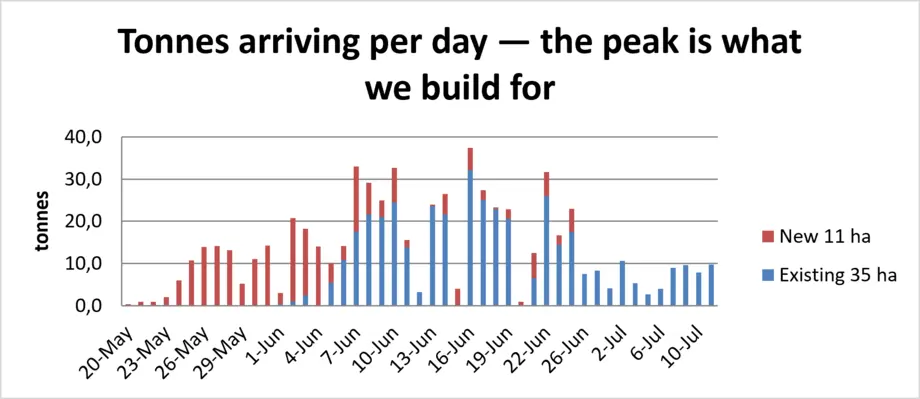 Figure 5. Peak-capacity planning: daily harvest overlap from the existing 35 ha and proposed 11 ha determines packhouse demand.
Invest in certainty before capacity
Before committing expansion capital, the investor should prove the production base: climate, water, root zone, genetics, labour, logistics and market access. A good variety cannot correct the wrong site. Technology cannot compensate indefinitely for unsuitable water. A premium berry has little value if the farm cannot harvest and cool it at the correct time.
Do not design from climate averages
Monthly averages hide the events that create the largest losses. The climate study should examine chill, frost during budbreak and flowering, maximum temperatures and hot nights during fruit filling, heatwave duration, vapour pressure deficit, rain, wind, hail and peak irrigation demand. The interaction between genotype, phenology and extreme events matters more than the annual mean.
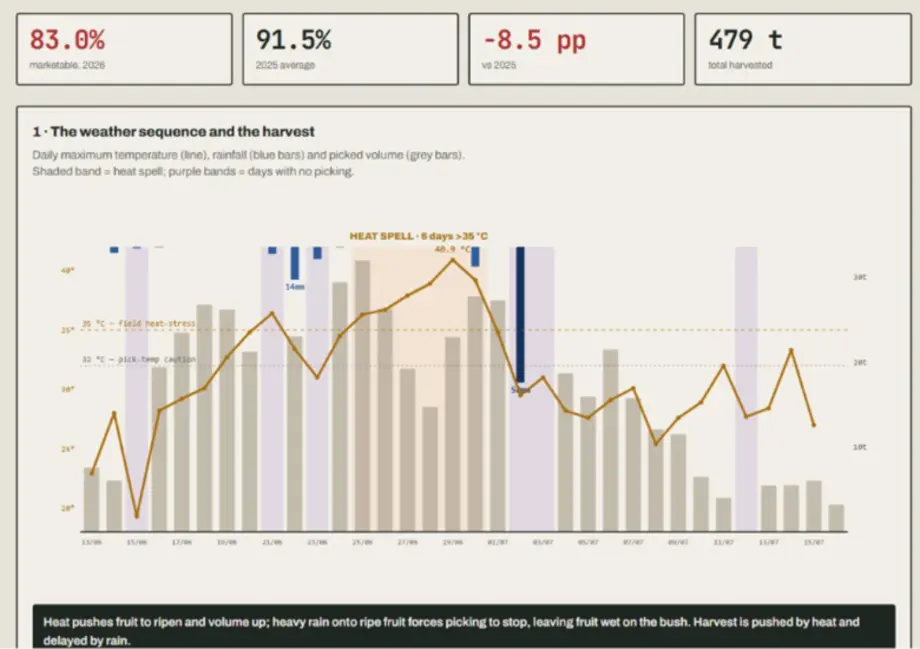 Figure 6. Climate fingerprint: heat accelerates ripening, while rain interrupts picking and delays cooling.
The Intergovernmental Panel on Climate Change concludes that human-induced climate change is already affecting weather and climate extremes in every region, and that additional warming will intensify multiple hazards (Intergovernmental Panel on Climate Change [IPCC], 2023). Climate is therefore not a background assumption in the investment plan. It is a design variable.
In a field experiment with ‘Legacy’ blueberry, temperatures approximately 5°C above ambient reduced CO₂ assimilation by 45%, fruit weight by 39% and fruit diameter by 13%. The results are specific to the experimental conditions and should not be transferred directly to every farm, but they demonstrate how heat during fruit development can alter the financial outcome (González-Villagra et al., 2024).
In high-rainfall regions, annual totals of 2,000–3,000 mm can make the harvest window—not the annual average—the principal commercial risk. Rain on ripe fruit can reduce firmness, increase splitting and decay pressure, interrupt picking and delay cooling. Covers may provide earliness and protection, but they are not automatically justified: their cost must be repaid through a measurable improvement in marketable yield, harvest continuity, quality and net return. The correct decision is therefore block- and market-specific, tested against realistic rainfall events, labour access, disease pressure and the customer programme.
The relevant question is not only whether the crop can survive at the site. It is whether the crop can deliver the required quality and harvest window with an acceptable probability.
Water and the root zone are the production infrastructure
A borehole, reservoir or allocation does not automatically create water security. The assessment must combine peak-demand volume, seasonal water chemistry, legal access, filtration and treatment, pumping capacity, energy cost, storage, backup supply, irrigation uniformity, drainage and leaching capacity.
Blueberries are particularly sensitive to root-zone salinity. Research has shown that sodium chloride and calcium chloride can restrict growth and nutrient uptake, with sodium chloride producing particularly strong effects on growth and calcium and potassium nutrition (Bryla et al., 2021). Water must be treated as one quantity-quality-delivery-drainage system.
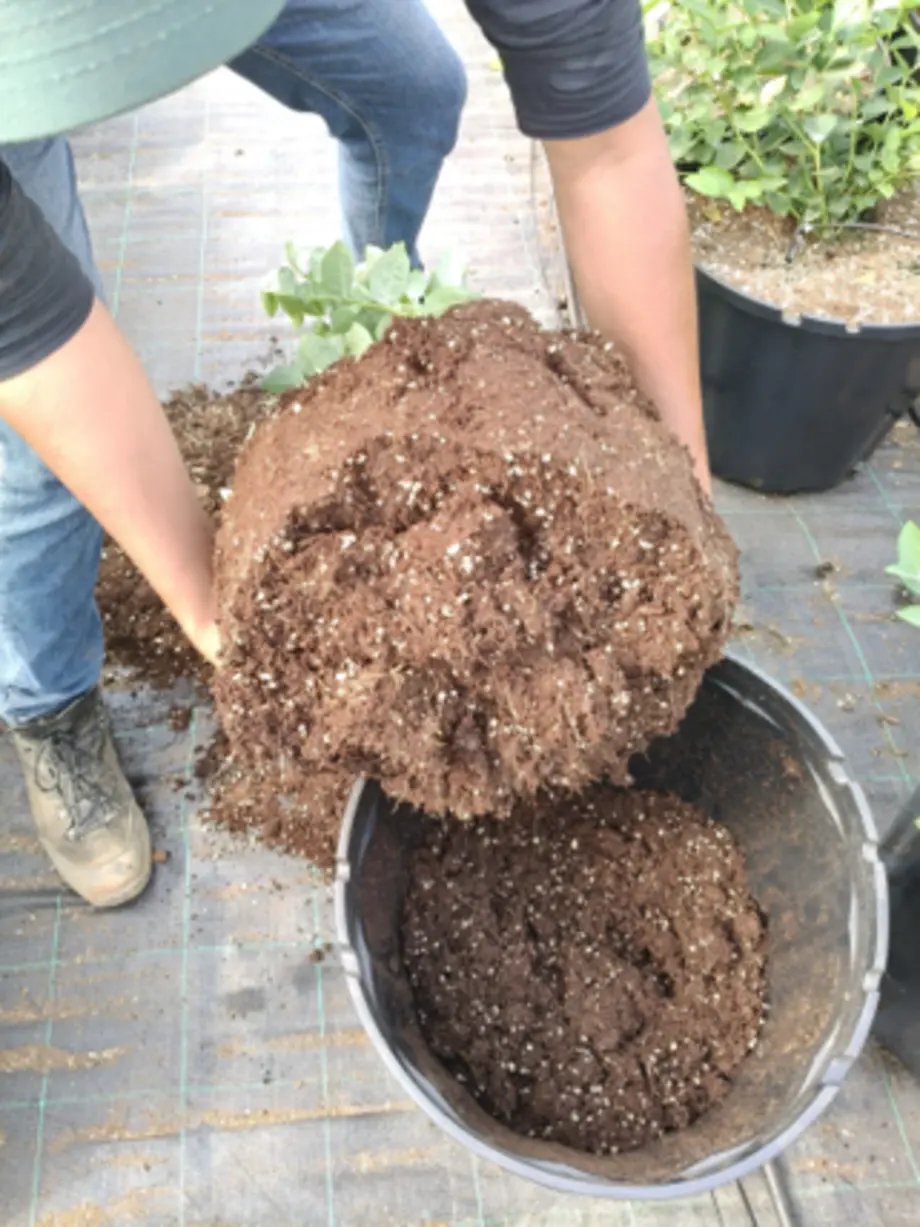 Figure 7. Root-zone infrastructure: substrate structure, root distribution and drainage govern irrigation and fertigation performance.
The less visible root zone often determines whether visible technologies—tunnels, pots, sensors, dosing equipment and packhouses—will perform. The project must verify root-zone volume, aeration, water-holding capacity, drainage, wetting pattern, emitter position and irrigation-pulse capacity.
In a commercial blueberry trial in eastern Washington, weather-based irrigation scheduling improved plant water status and increased first-year yield by 3.4 t/ha compared with a fixed schedule; pulse irrigation also improved berry size and plant growth (Carroll et al., 2024). The lesson is not to copy one schedule, but to recognise that timing, frequency and root-zone hydraulics matter as much as total water volume.
Start with the customer—and stress-test the economics
Before planting, define the required fruit size, firmness, flavour, shelf life, packaging format, residue programme, delivery window and realistic net return. High yield does not make a cultivar profitable if its fruit is too soft, too small, slow to pick or concentrated in the wrong commercial window.
The financial model should use the net realised price after packing, commissions, logistics, quality deductions and claims. It should also account for price pressure as farm volume increases or competing origins enter the same window.
Rather than relying on one deterministic forecast, a Monte Carlo simulation replaces one fixed result with thousands of plausible scenarios. It varies the assumptions that matter – yield, packout, selling price, labour cost and climate losses – to show not only the expected return, but also the probability that a project underperforms, makes a loss or fails to repay its investment (Metropolis & Ulam, 1949). A blueberry investment case from Mexico illustrates the value of this approach in agricultural capital budgeting (Trejo-Pech et al., 2024). The purpose is not to predict one exact future. It is to understand how the project behaves when yield, packout, price, labour costs and climate do not follow the central forecast.
Before releasing capital, investors should ask:
- Is the variety proven under comparable climatic and production conditions?
- Is the yield target based on comparable commercial blocks, not only nursery potential?
- What fresh packout is expected by harvest period?
- Is there a contracted or demonstrably accessible market for the proposed volume?
- Does the net price include packaging, freight, commissions, claims and quality risk?
- Can the project cool, pack and dispatch fruit during peak harvest?
- Does the business still work if production is delayed, packout falls or prices soften?
These are not negative questions. They protect a good opportunity from becoming an expensive lesson.
During ramp-up: prove the system before scaling it
The ramp-up period is where optimistic projections meet biological reality. A young plantation may produce an attractive first crop while still developing an inadequate root system or unbalanced canopy. Excessive early crop load can distort the source-sink relationship, reduce vegetative renewal and postpone stable production. Full production should be treated as a result, not a calendar deadline.
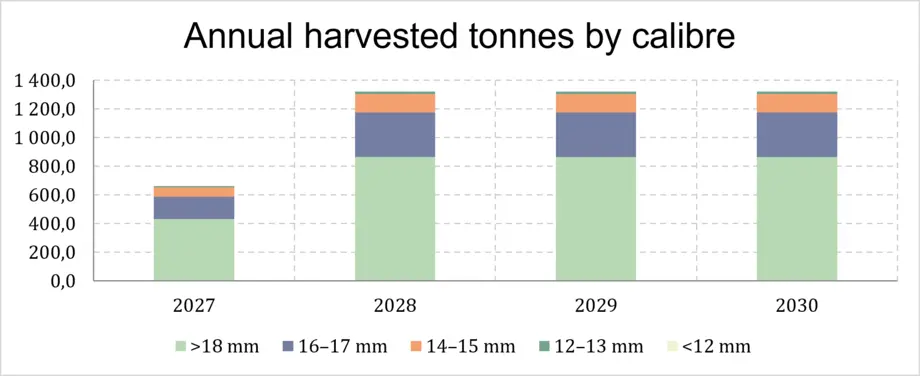 Figure 8. Commercial yield by calibre: total tonnes only create value when the fruit meets market size specifications.
Farm averages also hide weak rows, irrigation sectors and management zones. The team should map plant survival and replacement, root and canopy development, irrigation discharge and pressure, soil or substrate moisture, input and drainage electrical conductivity and pH, flower intensity, fruit set, berry growth, harvest productivity, packout and quality defects. The objective is not to manage the average plant; it is to reduce the share of the farm operating below potential.
Management capability is a capital asset
Perennial berries expose management weaknesses quickly. Teams need technical curiosity, training and the will to turn targets into daily routines. Close or family relationships can support trust but must never replace competence. The right person is the one with the skill, authority and capacity to deliver. Experience deserves respect when it stays open to evidence and better methods. When long tenure becomes arrogance or specialist training for a new crop is dismissed, performance suffers. Humility to learn and willingness to implement are productive assets: they protect fruit quality, capital and business credibility.
Build harvest and cooling capacity before volume arrives
The crop is not finished when fruit leaves the plant. Harvest organization and temperature management determine how much biological yield becomes paid yield.
UC Davis data show how sharply respiration rises with berry temperature. Raspberry respiration increases from approximately 12 mL CO₂/kg·h at 0°C to 100 at 20°C, while blueberry respiration rises from approximately 3 to 34 over the same range (Mitcham et al., 1998). The cold chain must therefore be commissioned before the first large commercial crop. Packaging cannot recover field heat, bruising or excessive maturity.
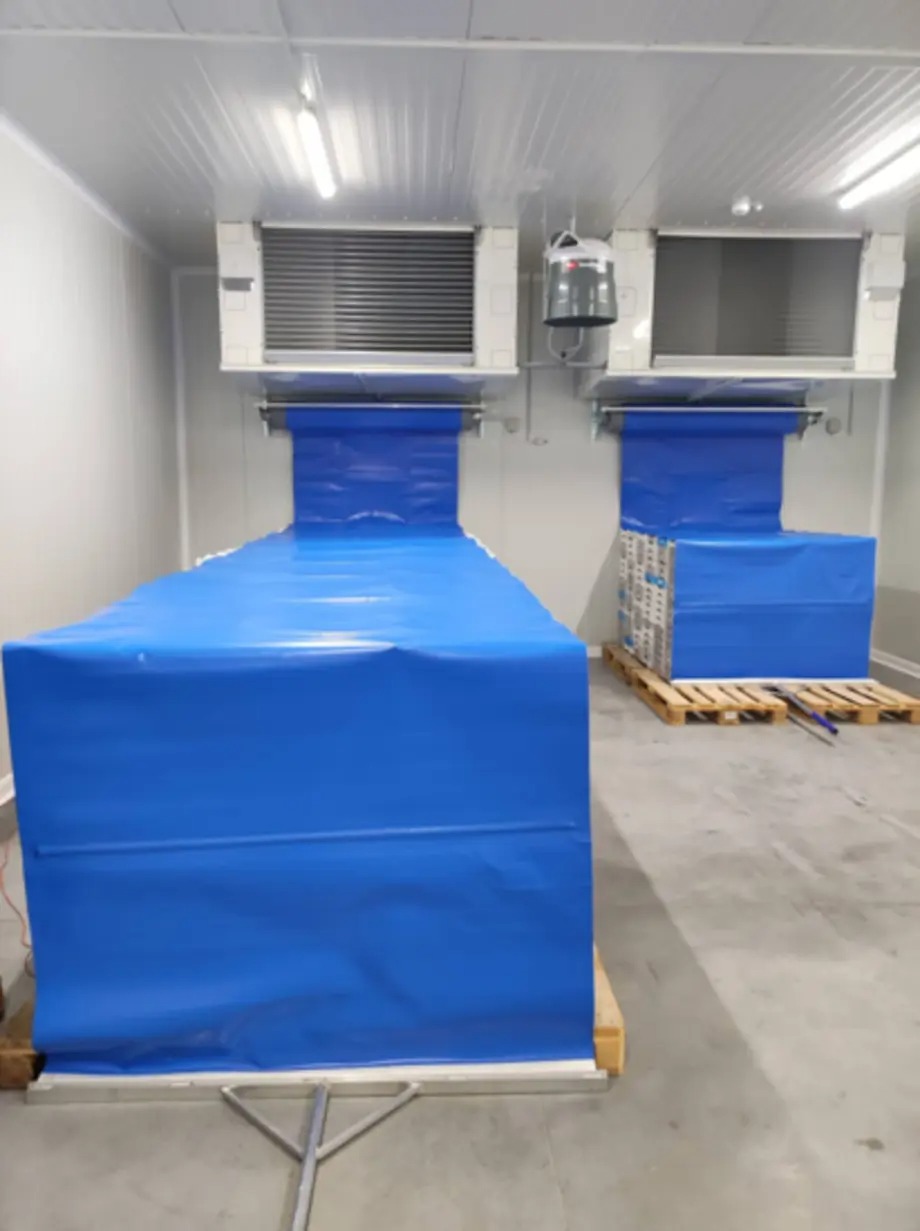 Figure 9. Cold-chain readiness: rapid pre-cooling removes field heat and protects firmness, shelf life and saleable packout.
“Quality is preserved in the packhouse, but it is created in the field.”
Climate protection needs operating rules
Buying shade, frost protection or a cooling system is not the same as having a climate strategy. Every technology needs thresholds, responsibilities and an operating protocol.
In Oregon blueberry trials, pulsed over-canopy cooling reduced berry temperature and heat damage. It also used less water than continuous cooling and, under some conditions, improved berry weight and firmness (Yang et al., 2020). Yet cooling can increase humidity, shade can reduce radiation excessively and covers can modify temperature and pollinator activity. Each intervention must be judged through marketable yield, water use, fruit quality and disease risk—not through climate data alone.
How do we decide whether to continue, correct, convert or stop?
When performance is below projection, management often adds fertiliser, biostimulants, labour or technology before confirming the real limitation. Costs rise while the original assumption remains protected from challenge.
“We should not use more inputs to solve the wrong design.”
Before releasing additional capital, management should answer five questions:
- Is the performance measurement correct? Confirm productive plants, harvested kilograms, packout, net price and allocated costs.
- Is the cause operational? Irrigation, fertigation, pruning, crop load, pollination, harvesting and cooling can often be corrected.
- Is the cause structural? Climate mismatch, unsuitable water, poor drainage, wrong genetics, unavailable labour or an uncompetitive window may require redesign.
- How much time and capital will correction require? Define the intervention, budget, deadline and expected response.
- Will the improvement repay the correction under a conservative scenario? Test lower yield, packout and price—not only the optimistic case.
Every block should then move towards one of four legitimate decisions:
- Continue and scale: biological, quality and financial thresholds are being achieved.
- Correct and verify: the cause is controllable and the response can be measured within a defined period.
- Convert: the site may remain viable, but the cultivar, production system, market window or commercial destination must change.
- Stop or exit: the probable recovery no longer justifies more capital and time.
Stopping is not automatically failure. Continuing to finance a structurally unsuitable block because money has already been invested may be the more expensive failure.
Measure the business, not only the crop
A practical block scorecard should include:
- Marketed Class I kg/ha and packout percentage;
- Net realised price and contribution margin per marketed kilogram;
- Harvest hours and cost per kilogram;
- Water and energy per marketed kilogram;
- Plant survival and replacement rate;
- Fruit size, firmness and defect distribution;
- Quality claims, rejected volume and forecast accuracy;
- Frequency of climate stress and recovery time.
Agricultural investment frameworks increasingly combine scenario analysis, Monte Carlo simulation and real-options thinking to recognise uncertainty and the value of keeping future choices open (Vilani et al., 2024). For berry farms, that means investing in stages: secure water, drainage, healthy plants, monitoring, people and cooling first; test uncertain genetics and technologies at pilot scale; expand modular infrastructure when evidence supports it; and delay irreversible expansion until the production and commercial model has been demonstrated.
Growth with a real strategy
The berry sector still offers important opportunities for well-designed projects. Genetics, substrate systems, fertigation, postharvest technology and data-driven crop management are enabling levels of consistency that were difficult to imagine a decade ago.
But technology does not replace strategy. A sophisticated structure cannot compensate for a weak market plan, and a high-yielding crop cannot compensate for poor quality, insufficient cold chain or uneconomic scale.
The strongest investments combine ambition with discipline: clear customer requirements, verified agronomy, realistic operational design and financial assumptions that recognise the gap between fruit grown and fruit paid for.
In a changing climate, the real competitive advantage is learning speed. Strong farms identify deviation early, separate operational problems from structural limitations, test corrective action and reallocate capital before the loss becomes permanent.
“The most important tonne is not the tonne forecast in the field. It is the tonne that reaches the customer in the required condition—and generates a return that justifies the capital invested.”
References
Bryla, D. R., Scagel, C. F., Lukas, S. B., & Sullivan, D. M. (2021). Ion-specific limitations of sodium chloride and calcium chloride on growth, nutrient uptake, and mycorrhizal colonization in northern and southern highbush blueberry. Journal of the American Society for Horticultural Science, 146(6), 399-410. https://doi.org/10.21273/JASHS05084-21
Carroll, J. L., Orr, S. T., Retano, A., Gregory, A. D., Lukas, S. B., & Bryla, D. R. (2024). Weather-based scheduling and pulse drip irrigation increase growth and production of northern highbush blueberry. HortScience, 59(5), 571-577. https://doi.org/10.21273/HORTSCI17527-23
González-Villagra, J., Ávila, K., Gajardo, H. A., Bravo, L. A., Ribera-Fonseca, A., Jorquera-Fontena, E., Curaqueo, G., Roldán, C., Falquetto-Gomes, P., Nunes-Nesi, A., & Reyes-Díaz, M. M. (2024). Diurnal high temperatures affect the physiological performance and fruit quality of highbush blueberry (Vaccinium corymbosum L.) cv. Legacy. Plants, 13(13), 1846. https://doi.org/10.3390/plants13131846
Intergovernmental Panel on Climate Change. (2023). Climate change 2023: Synthesis report. Contribution of Working Groups I, II and III to the Sixth Assessment Report of the Intergovernmental Panel on Climate Change (H. Lee & J. Romero, Eds.). https://doi.org/10.59327/IPCC/AR6-9789291691647
Metropolis, N., & Ulam, S. (1949). The Monte Carlo method. Journal of the American Statistical Association, 44(247), 335-341. https://doi.org/10.1080/01621459.1949.10483310
Mitcham, E. J., Crisosto, C. H., & Kader, A. A. (1998). Bushberries. Postharvest Research and Extension Center, University of California, Davis. https://postharvest.ucdavis.edu/produce-facts-sheets/bushberry
Trejo-Pech, C. O., Rodríguez-Magaña, A., Briseño-Ramírez, H., & Ahumada, R. (2024). A Monte Carlo simulation case study on blueberries from Mexico. International Food and Agribusiness Management Review, 27(2), 359-377. https://doi.org/10.22434/IFAMR2023.0052
Vilani, L., Zanin, A., Lizot, M., Trentin, M. G., Afonso, P., & de Lima, J. D. (2024). A framework for investment and risk assessment of agricultural projects. Journal of Risk and Financial Management, 17(9), 378. https://doi.org/10.3390/jrfm17090378
Yang, F.-H., Bryla, D. R., Orr, S. T., Strik, B. C., & Zhao, Y. (2020). Thermal cooling with sprinklers or microsprinklers reduces heat damage and improves fruit quality in northern highbush blueberry. HortScience, 55(8), 1365-1371. https://doi.org/10.21273/HORTSCI15119-20
Jorge Duarte, Hortitool Consulting
Italian Berry – All rights reserved